For its new web issue, Keep Safe/Pour votre sécurité, the CCA seeks contributions on how safety is regulated, defined, and experienced in the built environment - all time periods, geographies, approaches, formats welcome! Spread the word⬇️Deadline 2 October 2023
#OpenCall
Deadline: 2 Oct 2023
For our upcoming web issue Keep Safe, we seek contributions exploring the tactics and regulations that ensure or prevent safety in buildings and spaces, and for the individuals and communities that inhabit them. https://t.co/wmCqsB9lbB
This week, as we approach the opening of #TheLivesofDocuments (2 May 2023) we publish an article in which #BasPrincen and #StefanoGraziani introduce their approach to selecting and researching photographic projects from CCA collection and beyond. https://t.co/P4UfuVLgT3
Excited to see my project on architectural drawings and early modern infrastructural management, "The City as Precarious Medium in Granducal Tuscany," finally out in @JournalofArch (ft. colours, paper flaps, and more) https://t.co/95IhWYMcfa
Over at CCA, I wrote about the representations of carceral systems in 19th-c. London guidebooks and how policing is written into touristic experience. Part of the “In suspicion of…” series, alongside wonderful essays by @elizaperti, Shivani Shedde and Emilie Banville:
As Mark Twain wrote re. this plan, "And they wouldn’t even have been content to sleep around outside of the Sepulcher, those dead Medicis—they would have got up and climbed in.” For more on the early modern geopolitics of moving architecture and moving stone:
This article in I Tatti Studies in the Italian Renaissance considers the alleged proposal made in 1604 by the Tuscan grand duke Ferdinando I de’ Medici to relocate the Holy Sepulcher to the Cappella dei Principi in the Church of San Lorenzo. Read it here: https://t.co/gHZ4j1e7jR
Interested in the ways that myths and misperceptions shape cartographic representation? Click for my recent essay for @ccawire / @ccaexpress and other contributions to the "Figuring Territory" web issue, edited by Claire Lubell, Alexandra Pereira-Edwards, and Andrew Scheinman
This week we continue the Figuring Territory issue an article by @AddonaVikki, who tells the story of the Isle of Demons, an imaginary landmass off the coast of Newfoundland and Labrador that first appeared on world maps in the early sixteenth century.
https://t.co/SvC2hNhAGL
We are thrilled to announce INTERVIEWS ON METHOD: 8 conversations with scholars of architecture + the built environment about their methods/methodologies, pedagogies & ethical considerations for conducting research. The interviews encompass: (thread 1/11) https://t.co/seuGAWgGW7
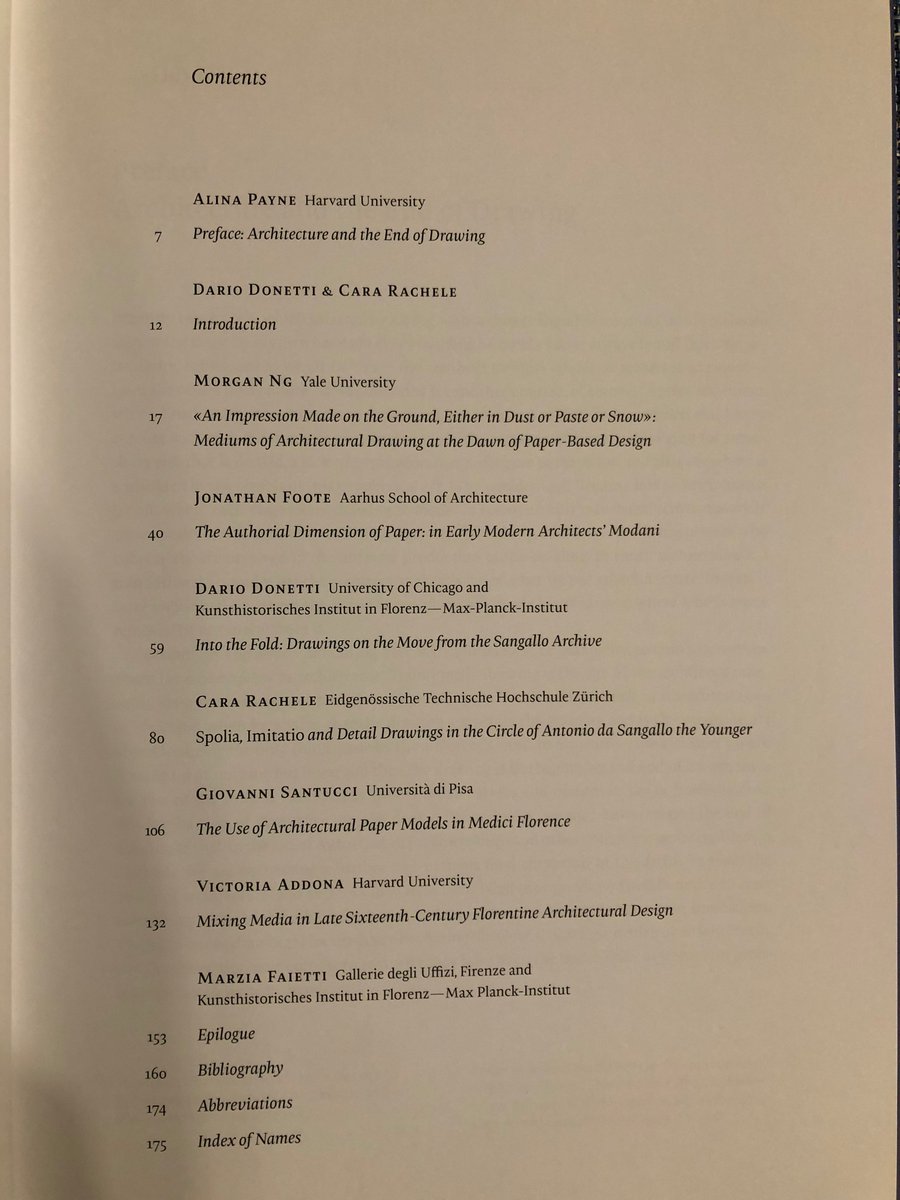
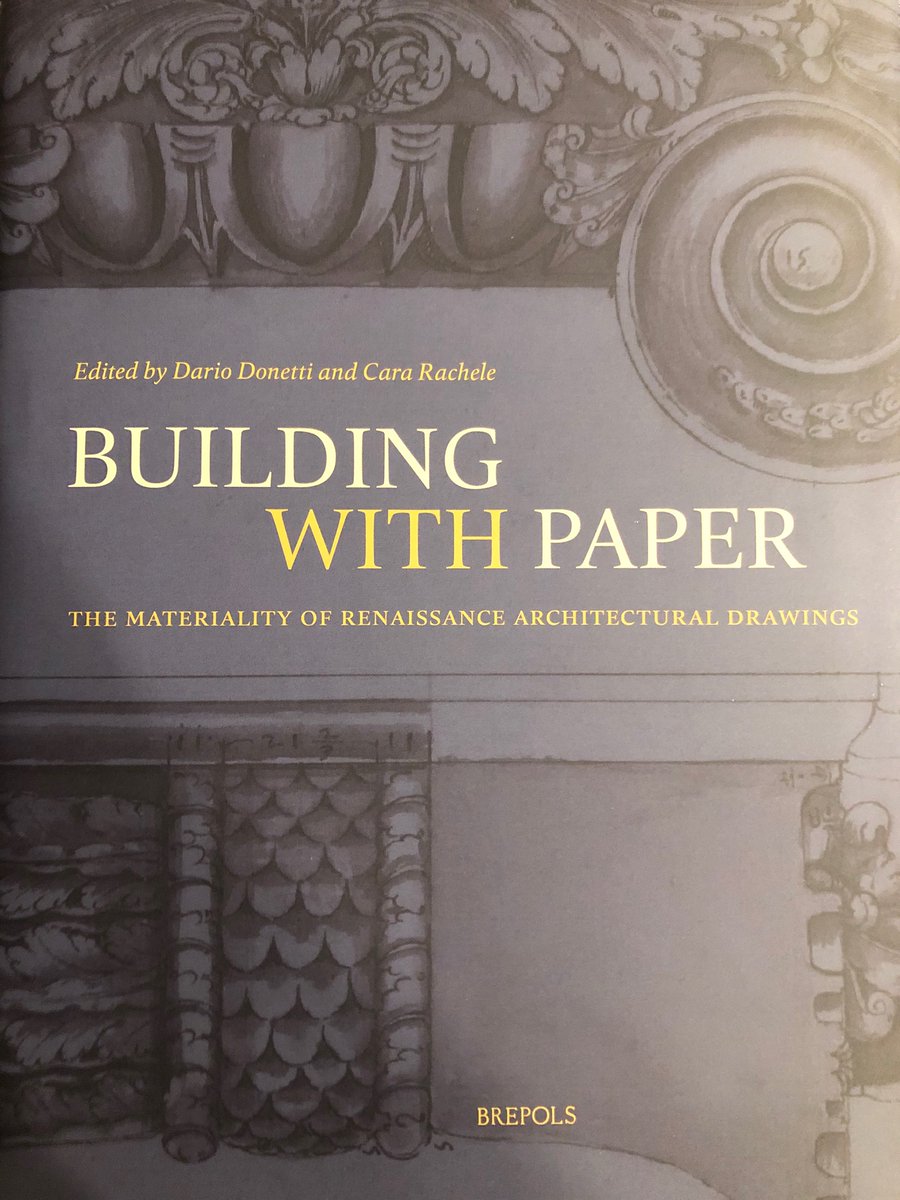
Thrilled with today’s delivery, ft. my essay on mixed media in early modern Italian architectural design (and stunning essays on travelling drawings, paper models, drawing on non-paper media, among others) @Brepols
@chris_nygren Monica Guarraccino’s Le pietre di Livorno transcribes a number of letters (mostly from the ASF) about stones that entered the Medici collections
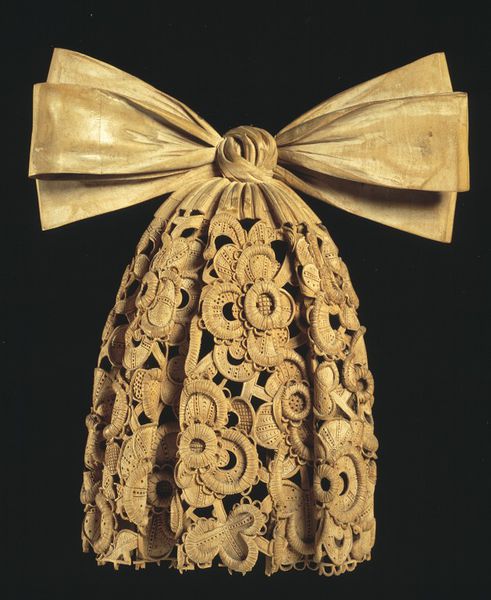
A gentleman's cravat carved from wood c1690 by Grinling Gibbons in London. The cravat is carved from limewood and fantastically imitates Venetian needlepoint lace. It was probably created to demonstrate Gibbons' carving skills to potential clients #history#EarlyModern#fashion







![SusanKlaiber's tweet photo. Giuseppe Maria Mitelli, Seven Famous Towers of Italy: Bologna [2], Modena, Cremona, Florence, Pisa, Venice (1701)
https://t.co/DHX9SMFjE0 https://t.co/zqceXsYNpb](https://pbs.twimg.com/media/Far7MwuXgAAMxu4.png)