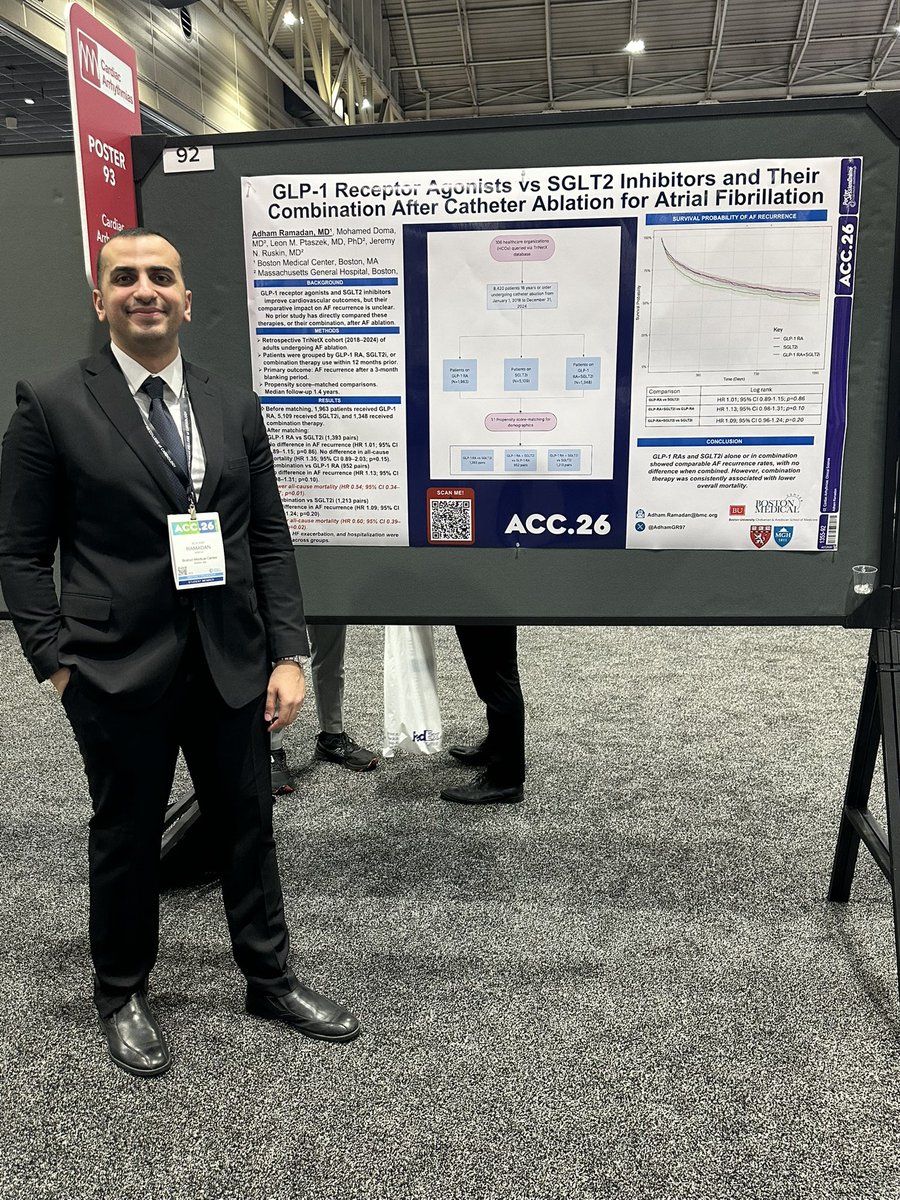
publication 🚨
In this review, we discuss GLP-1RAs' role beyond glucose-lowering agents, with a more focused approach towards their cardiometabolic-modifying effects.
Full paper 👇
https://t.co/f3sbKN71ge
#Cardiology#Med#GLP1RA#CardioTwitter
Honored to receive the Outstanding Internal Medicine Intern award this year. Grateful to my attendings, co-residents, and the entire team for making this year one to remember. On to PGY-2!
#MedTwitter#IMResidency#MedEd
Honored to be voted by faculty as PGY-2 Resident of the Year, and to receive the Best Resident Teacher and Professionalism Awards ! Grateful for the recognition and continued support throughout residency 🙏
CLASH (Controlled Laceration of Aortic Subintimal Hematoma/Flap)
Our technique @JACCJournals can come in handy in situations involving iliac #CTO and retrograde attempts that lead to aortic hematoma formation.
After successful crossing from the contralateral iliac, you cannot get the wire to cross into the aorta due to the hematoma.
I thought of it on the fly while being in the case, inspired by the coronary CTO SLASH technique.
Snaring an antegrade radial wire and pulling it across the aortic hematoma would allow controlled laceration of the hematoma. Eventually leading to success.
As usual, credit for the figure drawings goes to my wife @mariamtawadros3
#CardioX #ACCFIT
https://t.co/3pniRVWvIU
🚨 New paper out in @AJCardiology!
We compared DOACs vs warfarin in LVAD recipients without AF in a large real-world propensity matched cohort.
Grateful to all co-authors and senior authors for their support 🙏
🔗 https://t.co/aeyZabB5tb
#HeartFailure#LVAD#CardioTwitter
Huge thank you to my partner in crime @MohamedDoma for his immense work on this, and to our senior authors @AGoldsweig and @islamelgendy83 for their invaluable guidance throughout. Grateful to all co-authors for their contributions 🙏 @AhmedMahmoud_MD@IuriFFelix
Arab American Society of Cardiology ❤️🫀
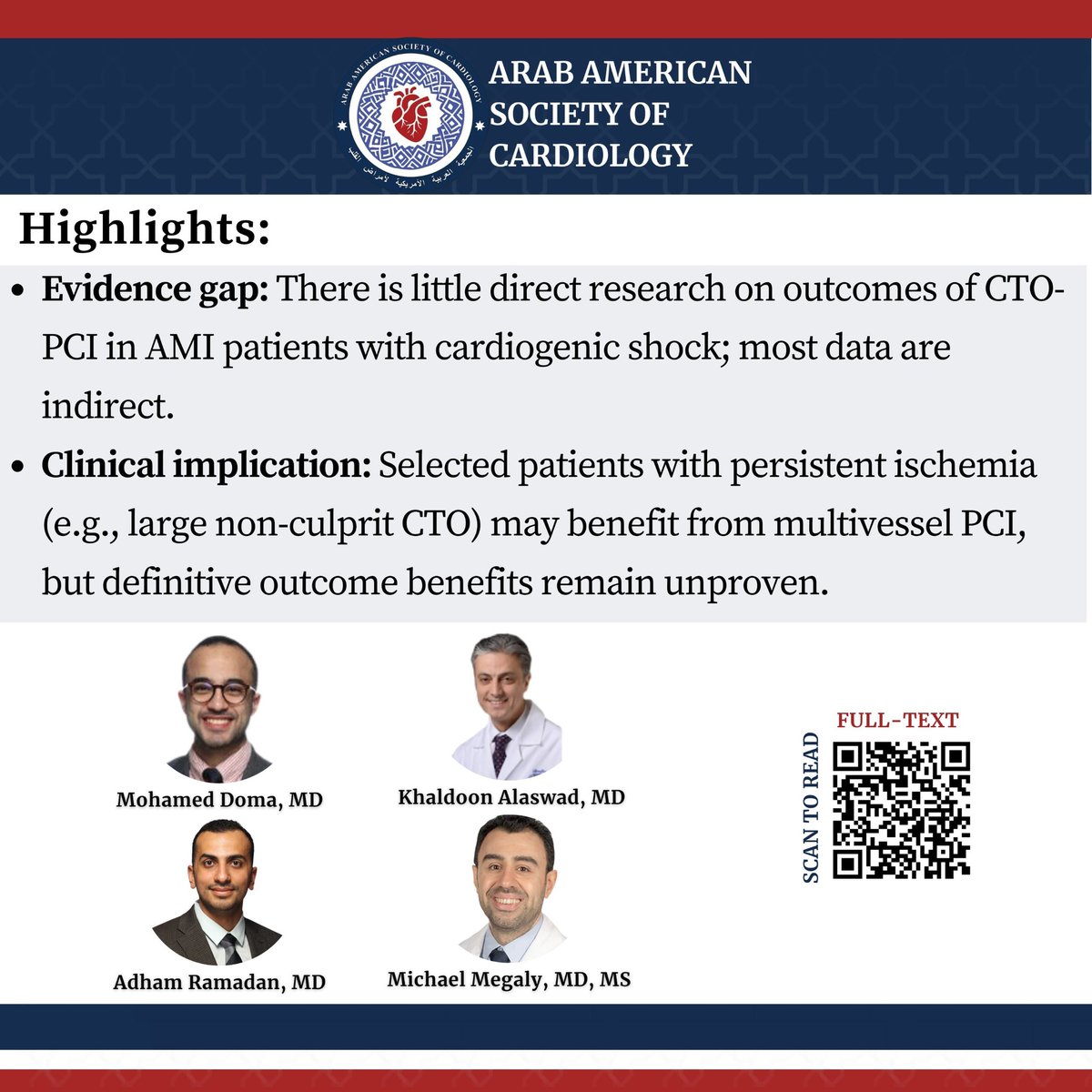
Proud to highlight a recent publication in the Canadian Journal of Cardiology exploring the role of PCI in chronic total occlusion among patients with acute myocardial infarction complicated by cardiogenic shock. 🔬📊
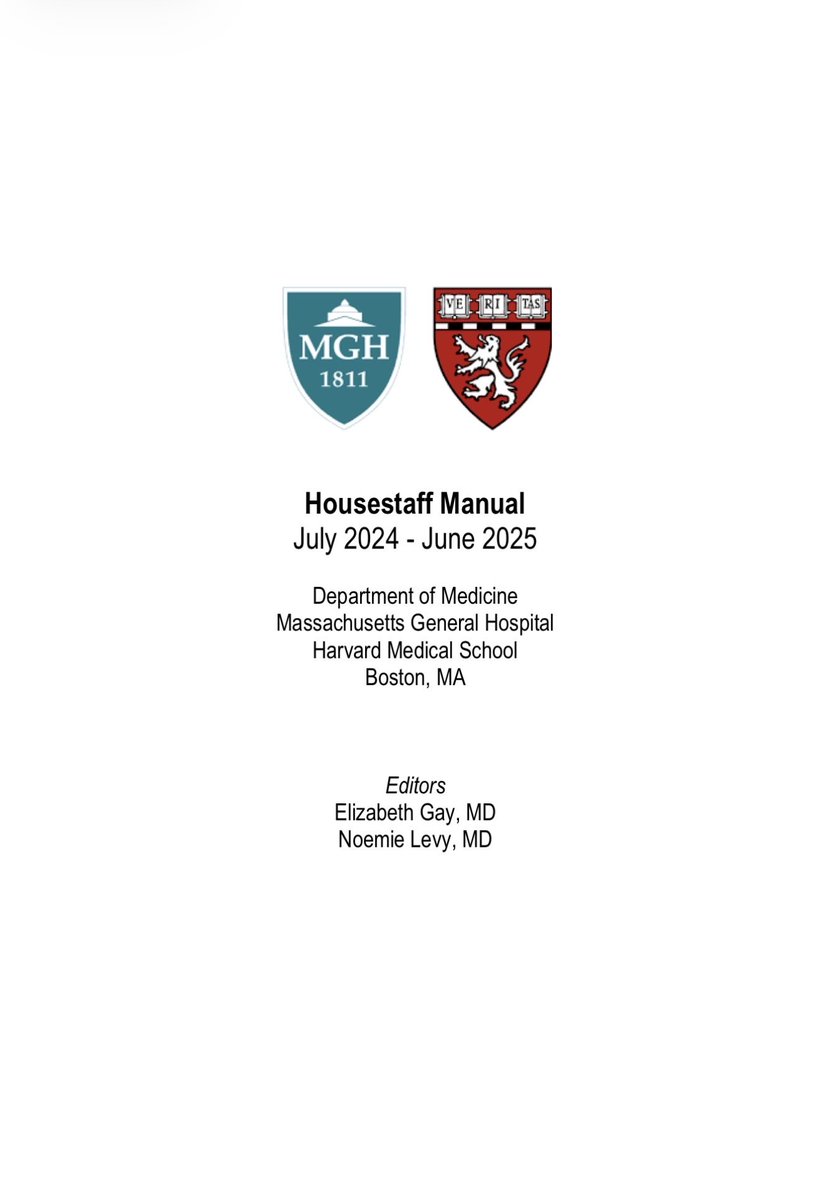
Happy #Match2026 to all of the incoming residents! I wanted to share some of the most invaluable resources I’ve used that have made my life as a PGY1 on wards a lot easier
First: the MGH Housestaff Manual 2025 edition PDF- great for admissions, wards, subspecialty rotations!
Excited to see our study on CTO PCI in cardiogenic shock published in CJC.
Sincere thanks to our senior authors, especially Dr.@MichaelMegalyMD , for his mentorship and support.
Honored to be part of this work
#CTO#PCI in cardiogenic shock, shall we even do it?
Our study led by @MohamedDomaa and @AdhamGR97 in the @CJCJournals investigated the long-term outcomes of patients who already had a diagnosis of cardiogenic shock and underwent CTO PCI in the same hospitalization.
While the in-hospital mortality is around 27% (which is way lower than the 40-50% cited mortality of cardiogenic shock), the long-term survival was even more impressive, with a 5-year survival of 60%.
We stipulate that the reason CTO PCI was performed was either that further revascularization was needed (e.g., inability to wean from mechanical circulatory support) or that the culprit of shock was NSTEMI with multiple CTOs (18% of our cohort)
Any other reason you would do CTO PCI in shock?
https://t.co/6puFGY5XHF
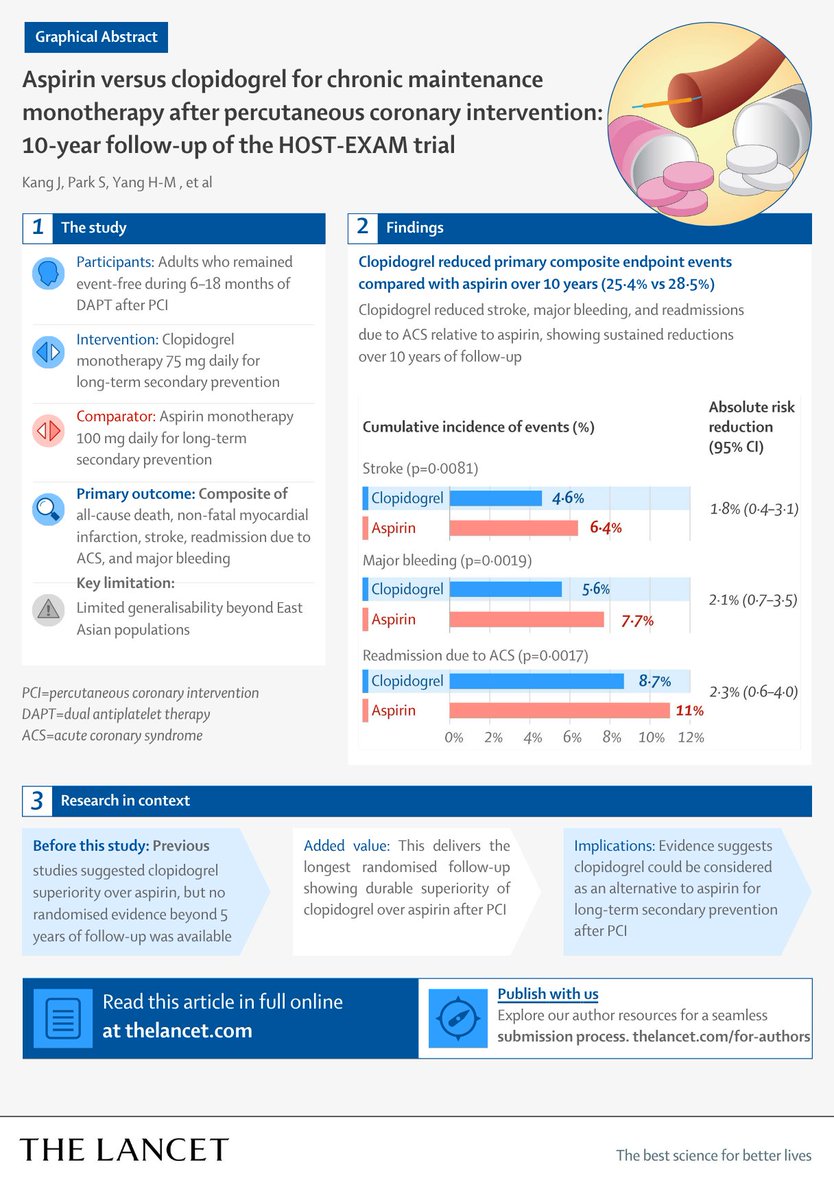
Clopidogrel vs aspirin after PCI:
10-year HOST-EXAM follow-up shows lower ischemic and bleeding events with clopidogrel—but no difference in mortality.
Read more: https://t.co/lJxVcoJxzW #ACC26
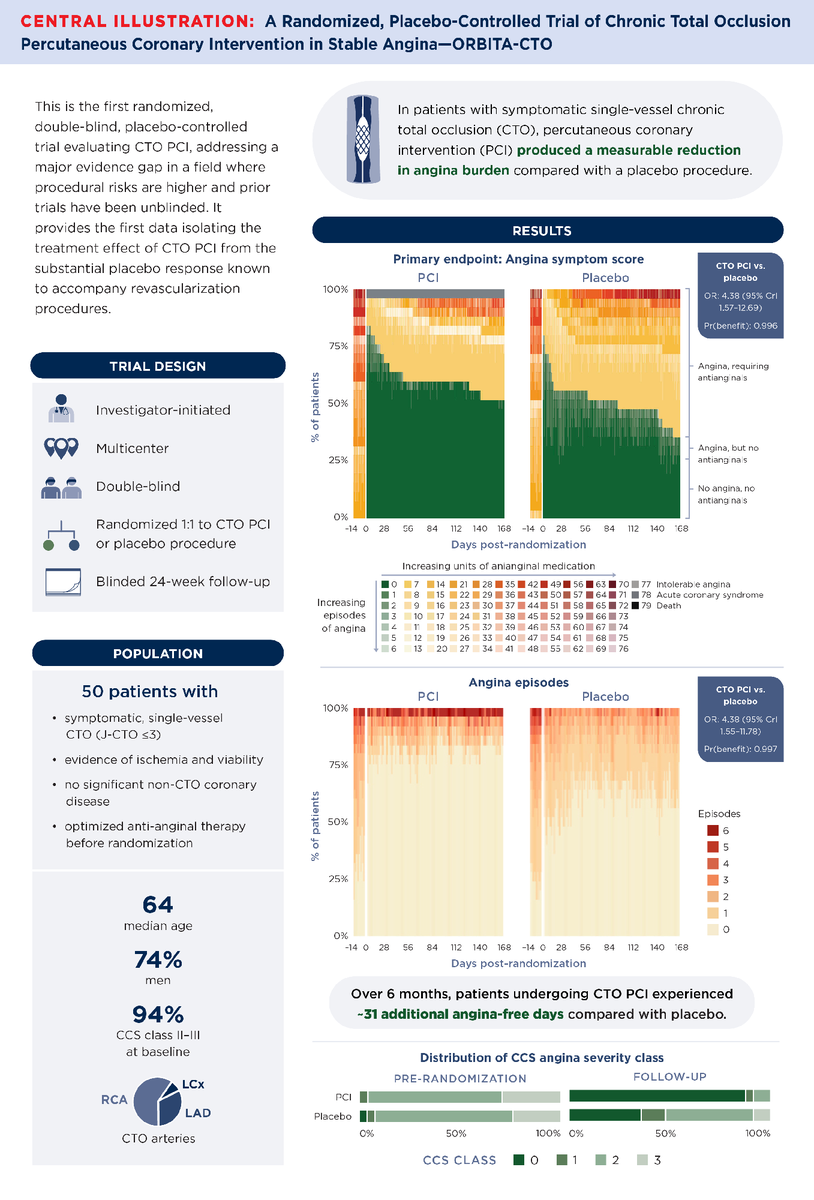
In patients with symptomatic single-vessel chronic total occlusion, percutaneous coronary intervention for coronary chronic total occlusion (CTO PCI) improves angina beyond placebo.
Get the details in #JACC: https://t.co/yX0FDuSOjl #ACC26#PCI#CTO@dr_skhan1
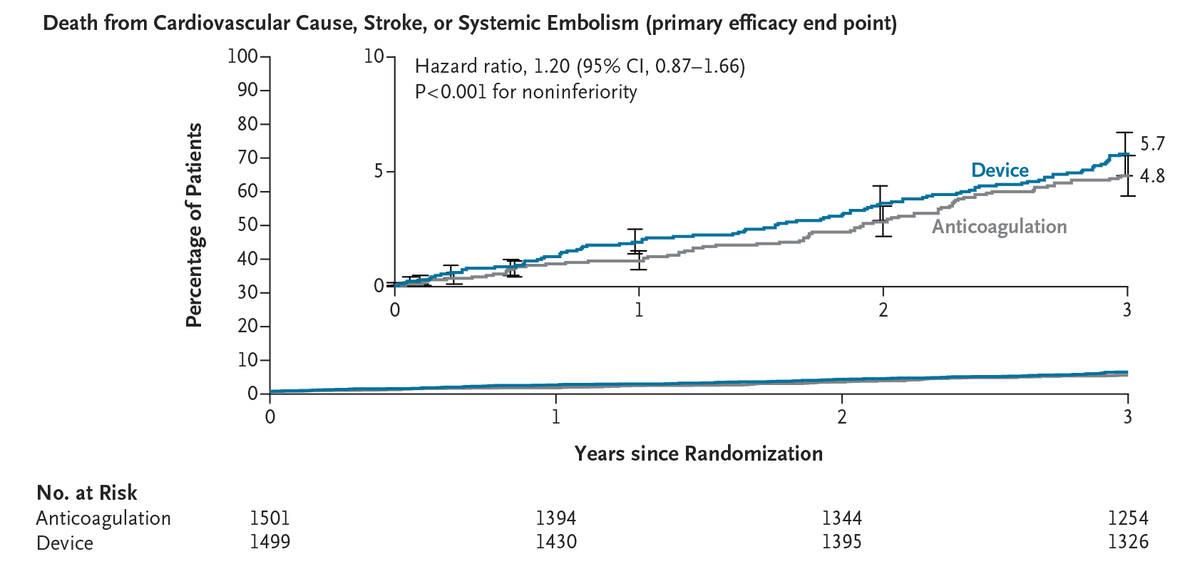
Presented at #ACC26:
In patients with atrial fibrillation, left atrial appendage closure was noninferior to NOACs in an analysis of death from cardiovascular causes, stroke, or systemic embolism and was superior for non–procedure-related bleeding. Full CHAMPION-AF trial results: https://t.co/5Uv4N1HXXn
Editorial: Left Atrial Appendage Closure — Should Recommendations Be Expanded? https://t.co/afTN59ySIA
@ACCinTouch
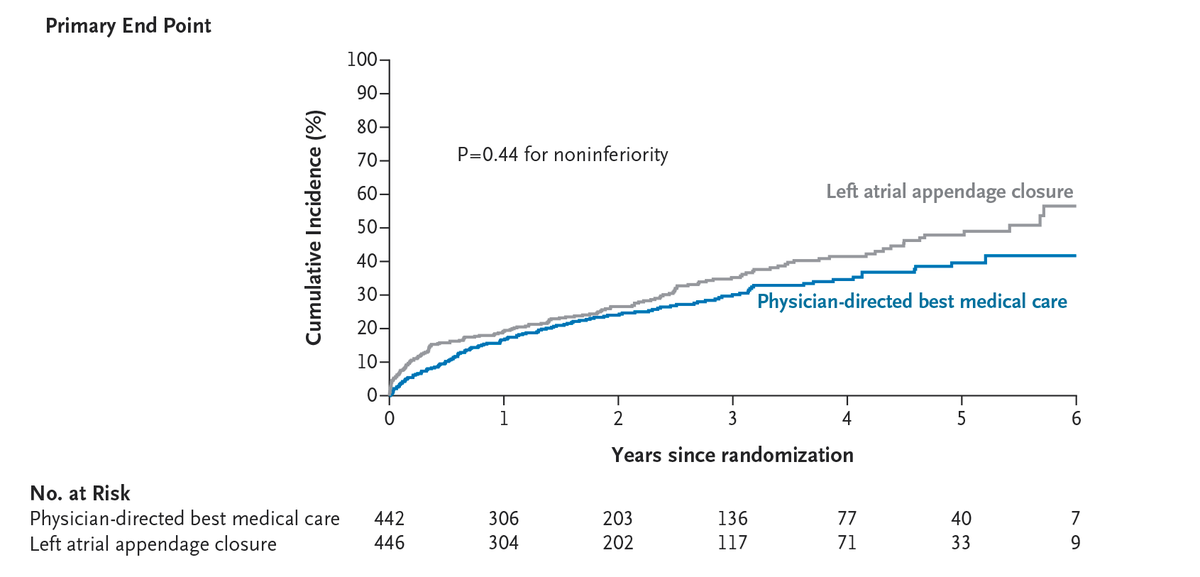
Among patients with atrial fibrillation at high risk for stroke and bleeding, left atrial appendage closure was not noninferior to medical therapy in reducing the risk of stroke, embolism, major bleeding, or death at 3 years. Full CLOSURE-AF trial results: https://t.co/qAMC2o36Mi
Editorial: Left Atrial Appendage Closure — Another Overused Method in Cardiology? https://t.co/KyOWdblUR3