PM of Pakistan confirms:
> Pakistan has terrorists.
> Pakistan controls terrorists.
> Pak prevents terrorists from roaming NYC, London, Far East.
Why Pak as terrorists? Because Pak creates these terrorists to use them in and against India.
what's the best AI to use for your coding?
we broke down your options, through the lens of capabilities, censorship, and privacy.
take a look for yourself: https://t.co/shFi3htNxF
1 day left to lock in up to 50% OFF Higgsfield API.
Build your own AI app with our product endpoints, including:
• Higgsfield Genjutsu
• Cinema Studio 4.0
• Higgsfield Soul
Plus all frontier video and image models through the same API.
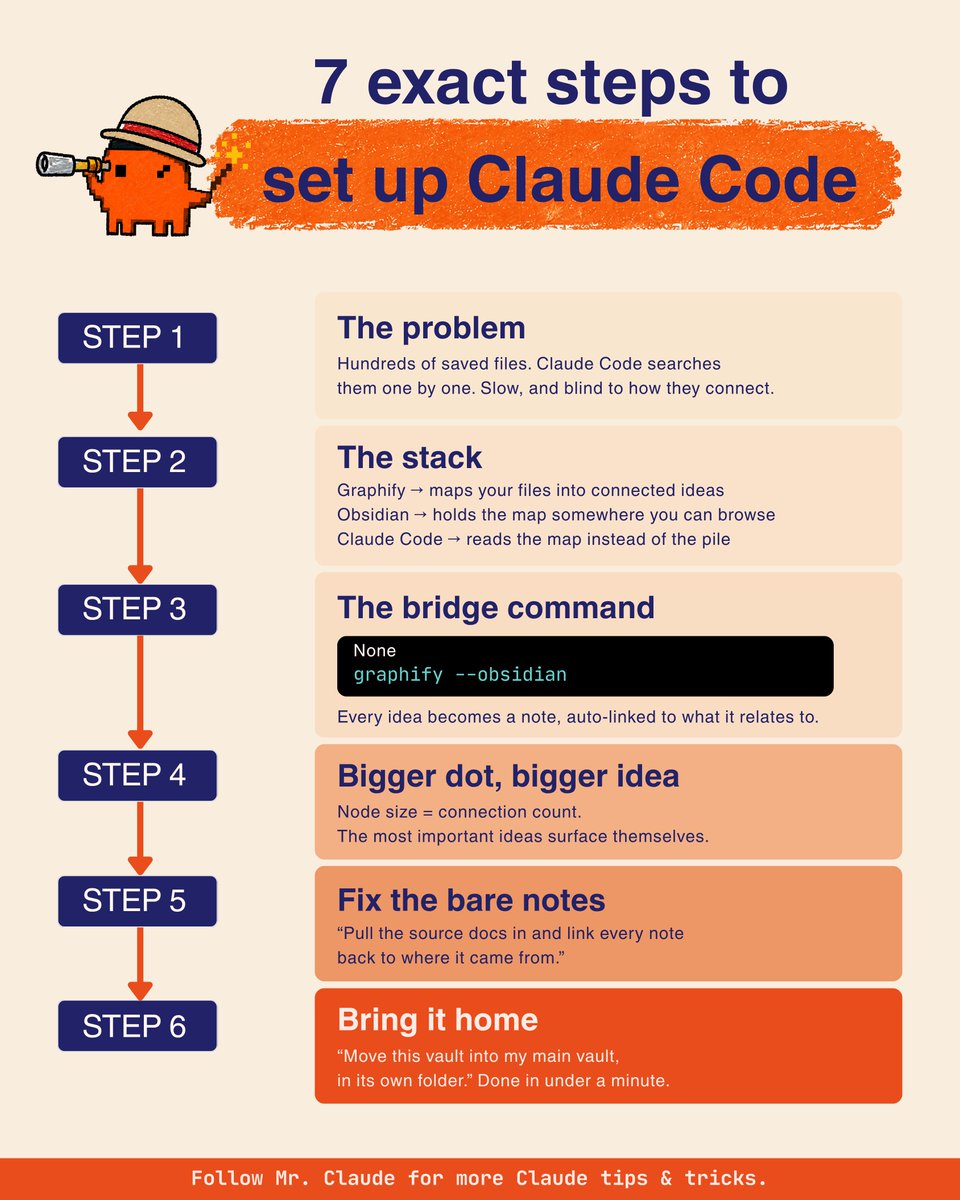
The problem starts with hundreds of saved files. Claude Code can search them, but it searches one by one, slow and blind to how any of them actually connect to each other.
The fix is a three-part stack. Graphify maps your files into connected ideas. Obsidian holds that map somewhere you can actually browse it. Claude Code then reads the map instead of digging through the raw pile of files every time.
One command bridges the three: graphify --obsidian. Every idea becomes its own note, auto-linked to whatever it relates to, instead of sitting as an isolated file nobody remembers exists.
Node size in that map is not decorative. It equals connection count, so the most important ideas surface themselves visually instead of you having to guess which files actually matter.
Bare notes still need one more pass. Tell it to pull the source docs in and link every note back to where it came from, so the map stays traceable instead of turning into disconnected fragments.
The last step is just moving it where you actually work: move this vault into my main vault, in its own folder. Done in under a minute, and the hundreds of files you started with are now a map instead of a pile.
Bookmark this before your next Claude Code session goes back to searching files one by one.
Every edit Claude Code makes runs through the same loop underneath, and this is what that loop actually touches on the way to a single file change.
A request starts at the input layer: a user interface, whether CLI, IDE, or a CI/CD pipeline, feeding a session manager that can resume, fork, or persist that session. Before anything reaches the model, a permission gate checks it against YAML rules across three tiers, deciding deny, allow, or approve, and it observes everything flowing through, not just the first request.
The knowledge layer sits alongside the loop, not inside it. A skill registry injects skills on demand instead of loading everything upfront. A context compressor runs a three-layer process with a 42 percent threshold before anything gets dropped. A task graph tracks dependencies and priorities. A memory store persists across sessions instead of resetting every time, writing out to agent_memory.md that the tools layer can read from directly.
The master agent loop is the center of all of it: perception, action, observation, cycling continuously rather than running once and stopping. It reads from the knowledge layer, gets gated by permissions, and can spawn two things when the work calls for it: a background observation layer running an event bus and a non-blocking executor on daemon threads, or a full multi-agent layer when the task needs delegation.
Tools and external access run through an MCP runtime that auto-discovers server tools, connecting out to external servers like the filesystem, Git, or a custom integration, registering everything into the execution layer before any tool actually runs.
The execution layer is where the work happens: a typed tool dispatch registry with one handler per tool, covering bash, read, write, grep, glob, and revert, running through a streaming runtime built for real-time parallel execution, backed by a prompt cache that reuses a stable prefix and cuts cost by around 10 percent. What comes out is the output layer: a verified task result, with memory updated to reflect it.
When a task is big enough to split, the multi-agent layer takes over: subagents spawn with isolated context for clean delegation, teammate mailboxes run on Redis pub/sub for instant delivery between them, a finite state machine cycles idle, request, wait, respond, an autonomous board lets agents self-assign work under an atomic lock, a worktree isolator gives each task its own branch for zero conflicts while working, and conflict detection catches anything that still collides at merge.
None of this is visible from a single prompt. Claude Code orchestrates perception, action, and observation in one continuous loop, with multi-agent delegation and tool dispatch powering every edit underneath it.
Bookmark this before you assume a single file edit was actually a single step.
سازشِ زیست
زندگی نے کبھی تلوار نہیں اٹھائی،
اس نے ہمیشہ فریبِ مسافت کا زہر پلایا ہے۔
یہ کیسی مضحکہ خیز ستم ظریفی ہے کہ
وجود تو باقی ہے،
مگر بود و باش کا مرکز ہی چھین لیا گیا۔
ہم احباب کی آغوش سے نکال کر،
اغیار کی بھیڑ میں لا پھینکے گئے ہیں۔
یہ ہجرت نہیں،
یہ جلا وطنی ہے،
وہ بھی اپنے ہی وجود سے۔
غور کریں
سمندر ہمارے سامنے ہے،
وسیع، بے کراں، حسین،
مگر اس کی وسعت ہمیں آزادی نہیں دیتی،
یہ وسعت ہمیں ہماری تنہائی کا پیمانہ بتاتی ہے۔
بادل آسمان پر محوِ خرام ہیں،
وہ برس کر زمین کو سیراب کر دیتے ہیں،
مگر ہماری تشنگی؟
وہ تو اپنوں کے لمس کے بغیر کبھی بجھتی ہی نہیں۔
اہلِ خرد کہتے ہیں، تقدیر برحق ہے،
فیصلے عرش پر ہوتے ہیں۔
میں کہتا ہوں،
بے شک فیصلے عرش پر ہوتے ہیں،
مگر ان فیصلوں کی اذیت فرش پر سہنی پڑتی ہے۔
زندگی نے ہمیں قتل نہیں کیا،
اس نے اس سے بھی بڑا ظلم کیا،
اس نے ہمیں ان لوگوں کے بغیر جینا سکھا دیا،
جن کے بغیر جینا کبھی آتا ہی نہیں تھا۔
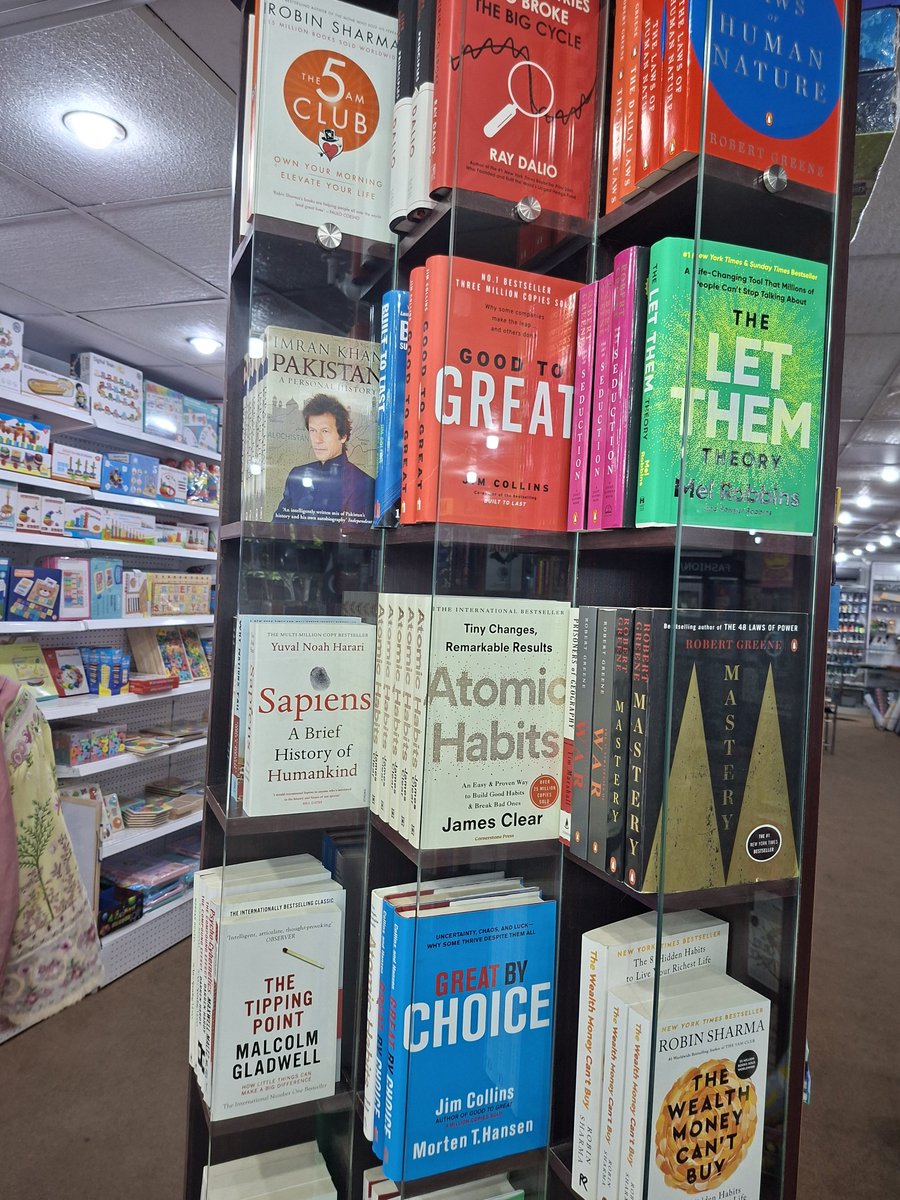
Cricket legend Imran Khan is rotting to death in a tiny jail cell in Pakistan. It's time Britain used its influence to help free him
https://t.co/Yf5eCx2fAi
Today we're rolling out Projects in Claude Code on desktop and web.
A project is one conversation with Claude. It splits the work into threads itself, runs them as parallel cloud sessions, passes context between them, and keeps going when you leave.
In beta for select users.
BREAKING NEWS!
The engineer who built Claude Code from scratch just released a 28-minute video that's pure gold: how to write prompts that deliver ridiculously good results.
I've seen $300 courses that don't even come close to what he explains in the first 10 minutes.
CLAUDE.md files, memory shortcuts, parallel sessions, and prompting patterns that almost no one uses...
All in one single video. Completely free. No fluff.
Whether you're a developer, just starting, or have already been using Claude for months, this changes the game for you starting today.
Save. Watch. Share.
Super excited to show the world Projects!!
We've been building this for the last few months and it has become my new daily driver. A few tips for getting the most out of it 🧵
Projects now run from one conversation, starting in Claude Code. You describe what needs doing, and Claude directs parallel threads that keep working after you close your laptop.
In beta today for select Pro and Max users in cloud sessions; coming to all Claude users soon.