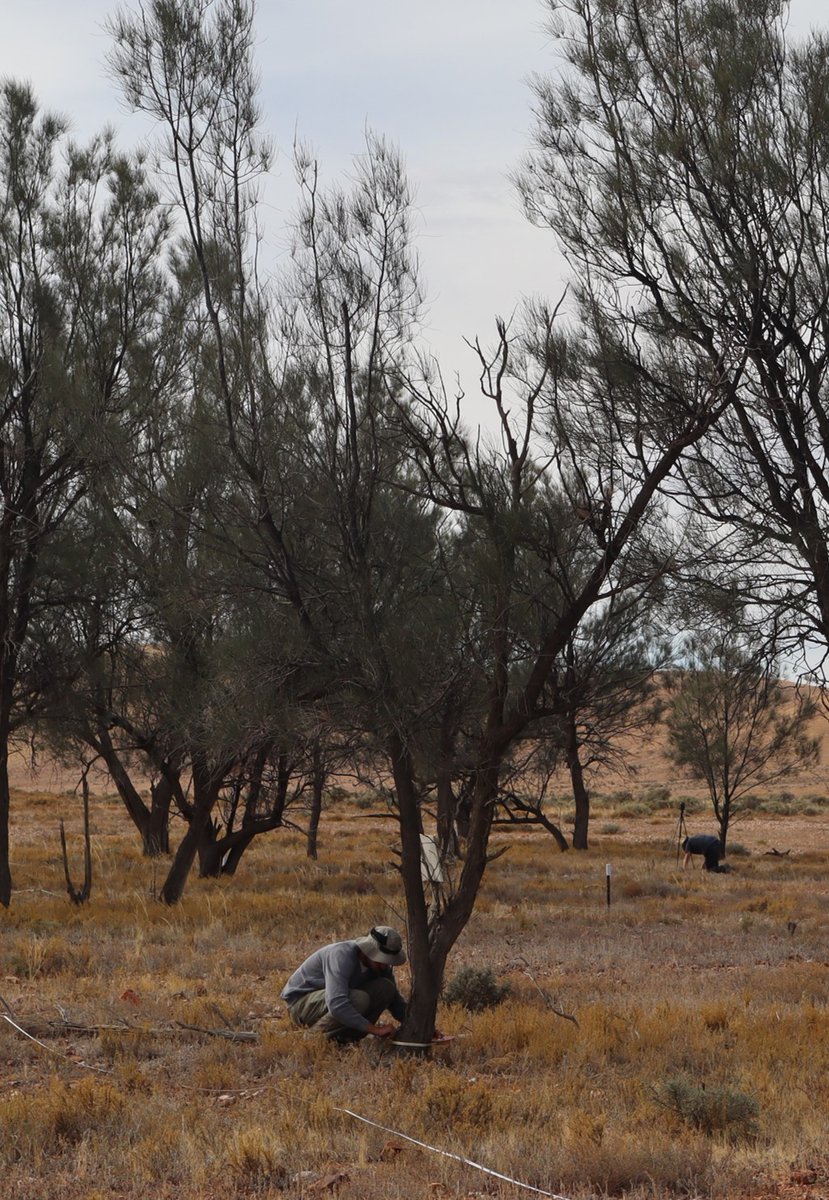
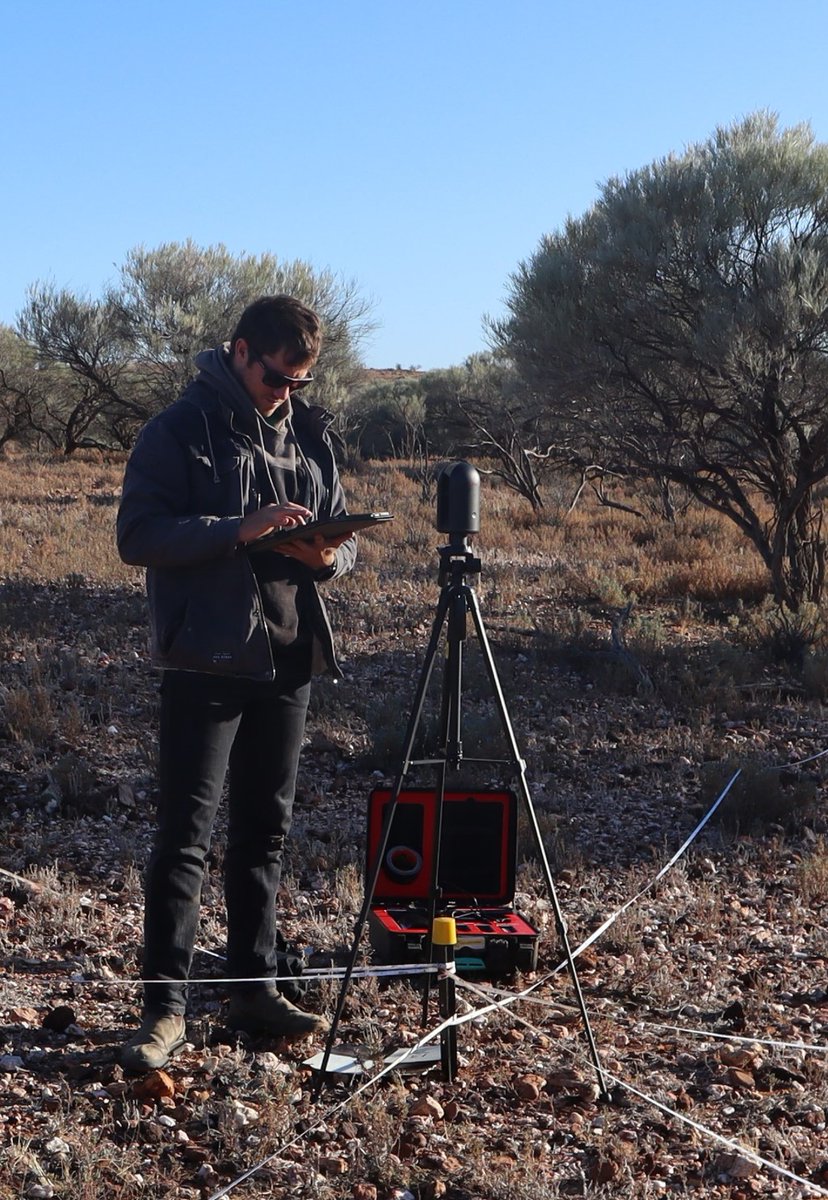
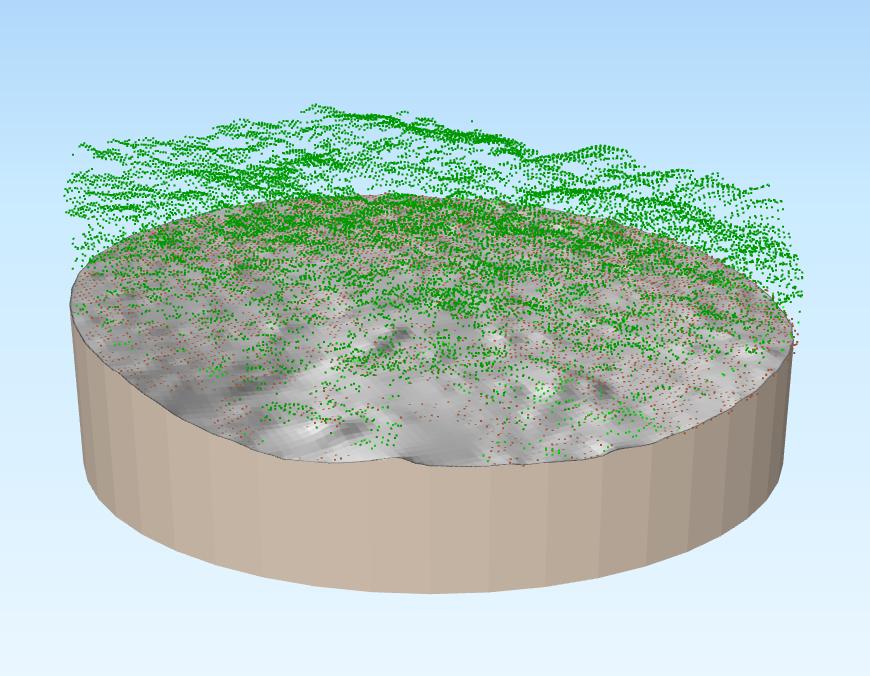
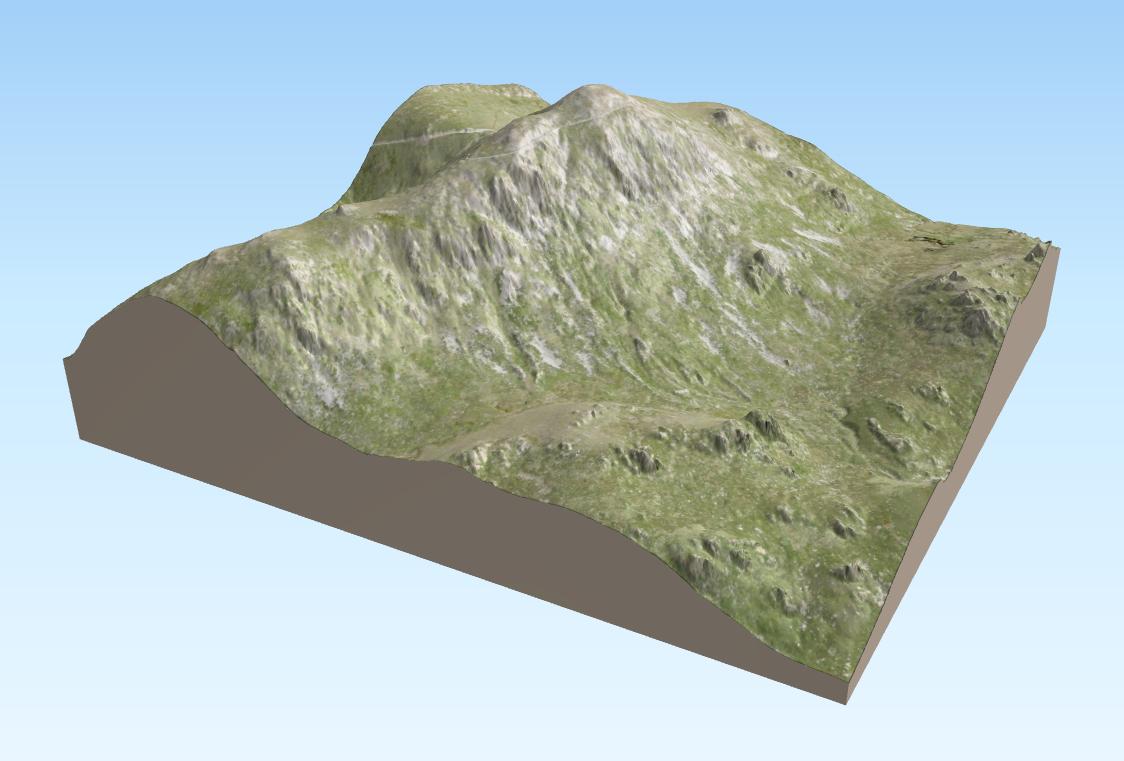
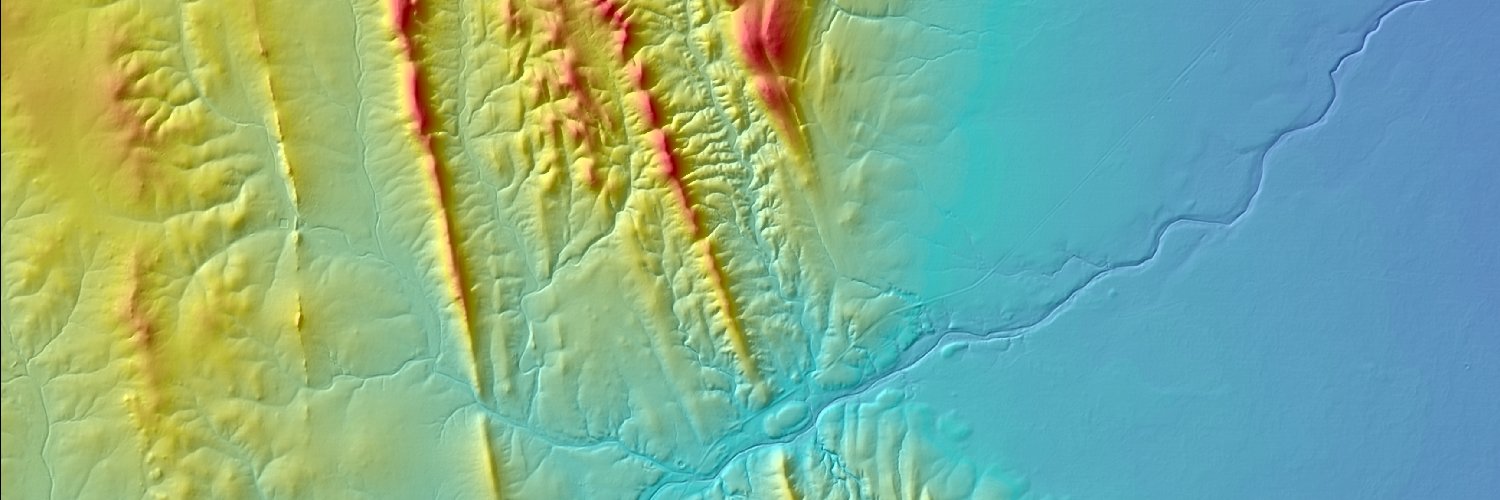
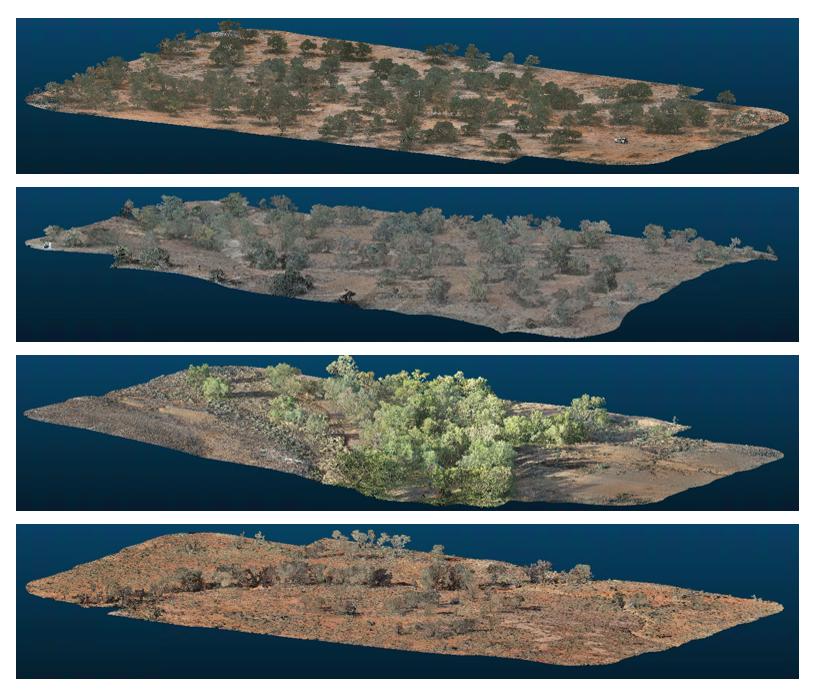
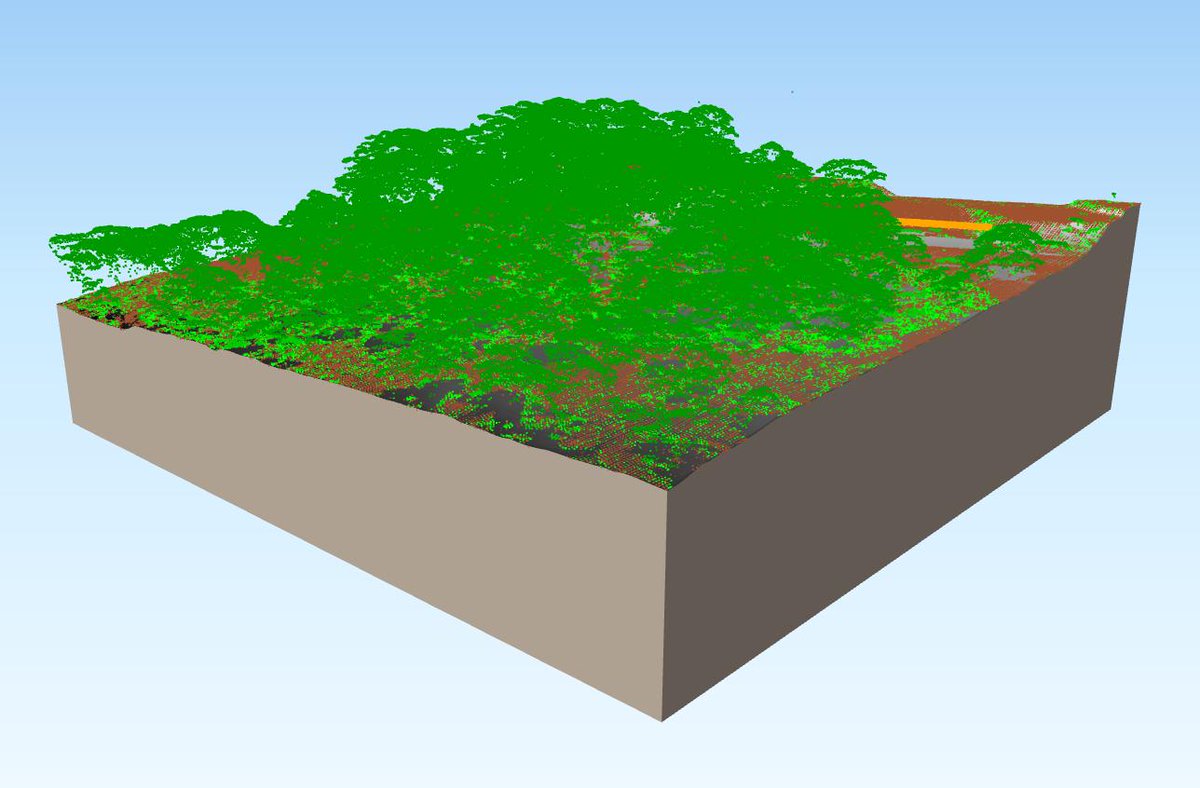
Very impressed with @qgis and the #qgis2threejs plugin for creating interactive 3D landscapes, even including lidar point clouds: https://t.co/FOEeVgG5f2
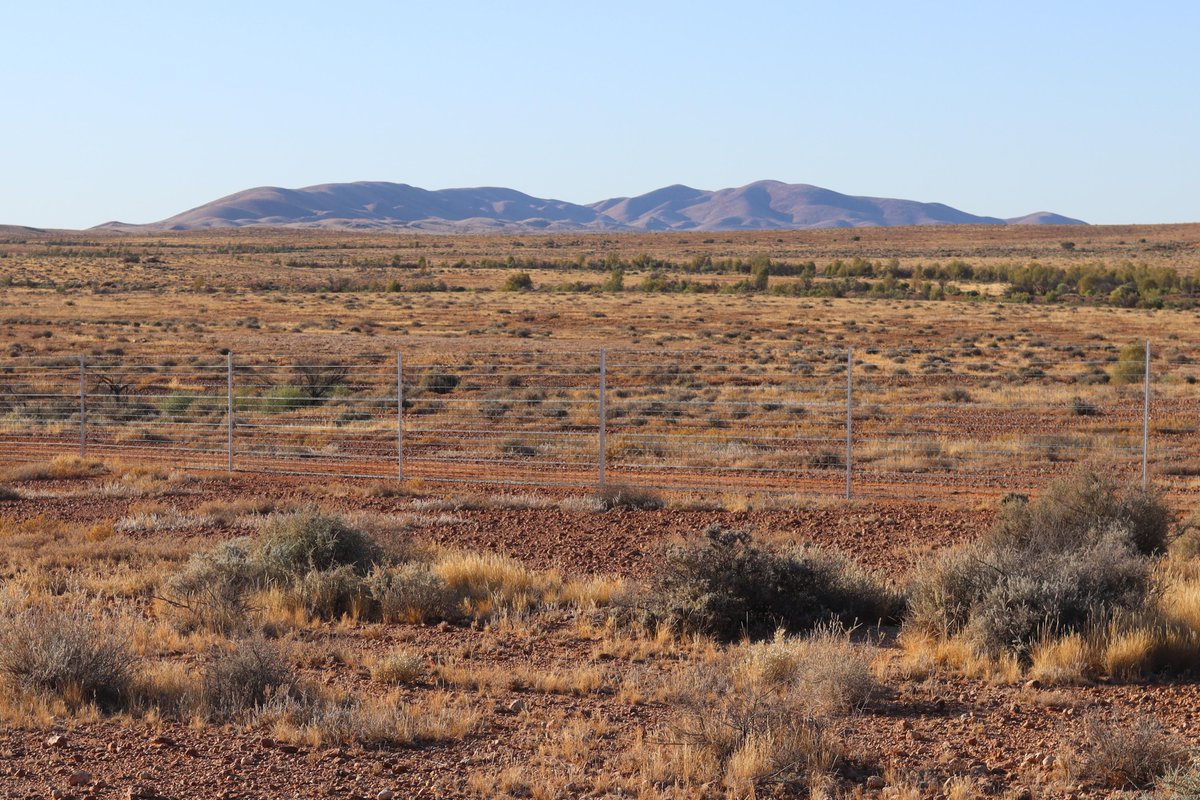
My research on trophic cascades recently featured in the documentary Australia’s Wildlife Odyssey. Here is a link to a 3 minute excerpt, where I talk about the ecological effects of Australia’s dingo fence, it sums up 15 years work in a few minutes.
https://t.co/gwaCJi42Tn
I'm very happy to share the first article derived from my PhD: Assessing the Accuracy of Landsat Vegetation Fractional Cover for Monitoring Australian Drylands https://t.co/wA1UnATlhj #mdpiremotesensing via @RemoteSens_MDPI
We might not be able to unscramble eggs, but we can unmix pixels! Learn how to unmix the signals of photosynthetic #vegetation, non-photosynthetic vegetation, and bare ground from #satellite#remotesensing data at #AEO22 with @AdrianGFisher@UNSWScience
https://t.co/cY2aHMu8tF
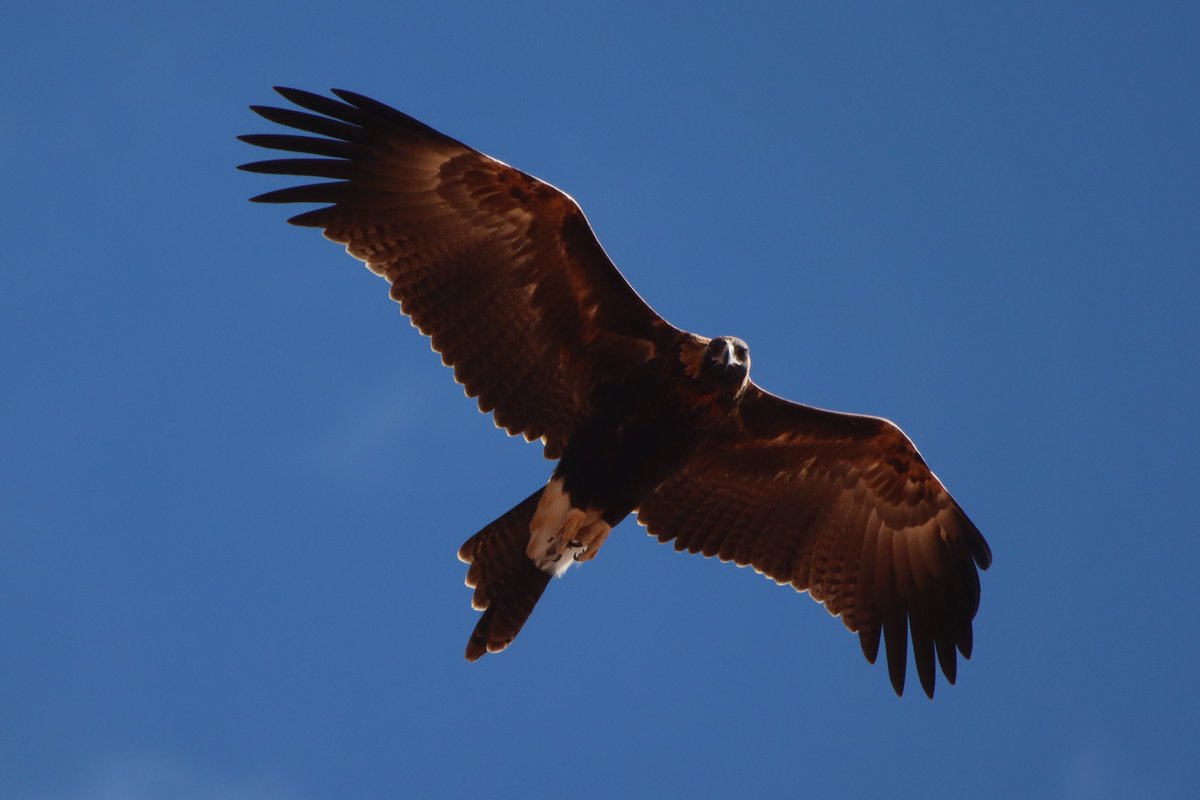
Eagle's eye view of the Willouran Range on Nature Foundations' Witchelina Reserve in north east South Australia. This week I have been monitoring raptors and planning a new ARC funded project on grazing impacts with Alex Nankivell and @AdrianGFisher. @natureFsa @unswbees
A new paper on vegetation dynamics and dune activity by student Sam Shumack has just been published in Remote Sensing of Environment
https://t.co/oamsuXWF4T
@b_medlyn@DavidSandow1@GusWhyte@mikeletnic Landsat fractional cover data also shows a big difference where the dingo fence crosses the southern Strzelecki Desert in South Australia. Check out the imagery yourself at https://t.co/g1BbtN0XyC
A fence has kept dingoes out of part of Australia’s Strzelecki Desert for close to 150 years. The result? Higher, firmer sand dunes.
Research from @mikeletnic & Adrian Fisher @UNSW, input from Sinéad Crotty @YaleEnvironment, story by @nancyaverett.
https://t.co/xgMhWHEAOl