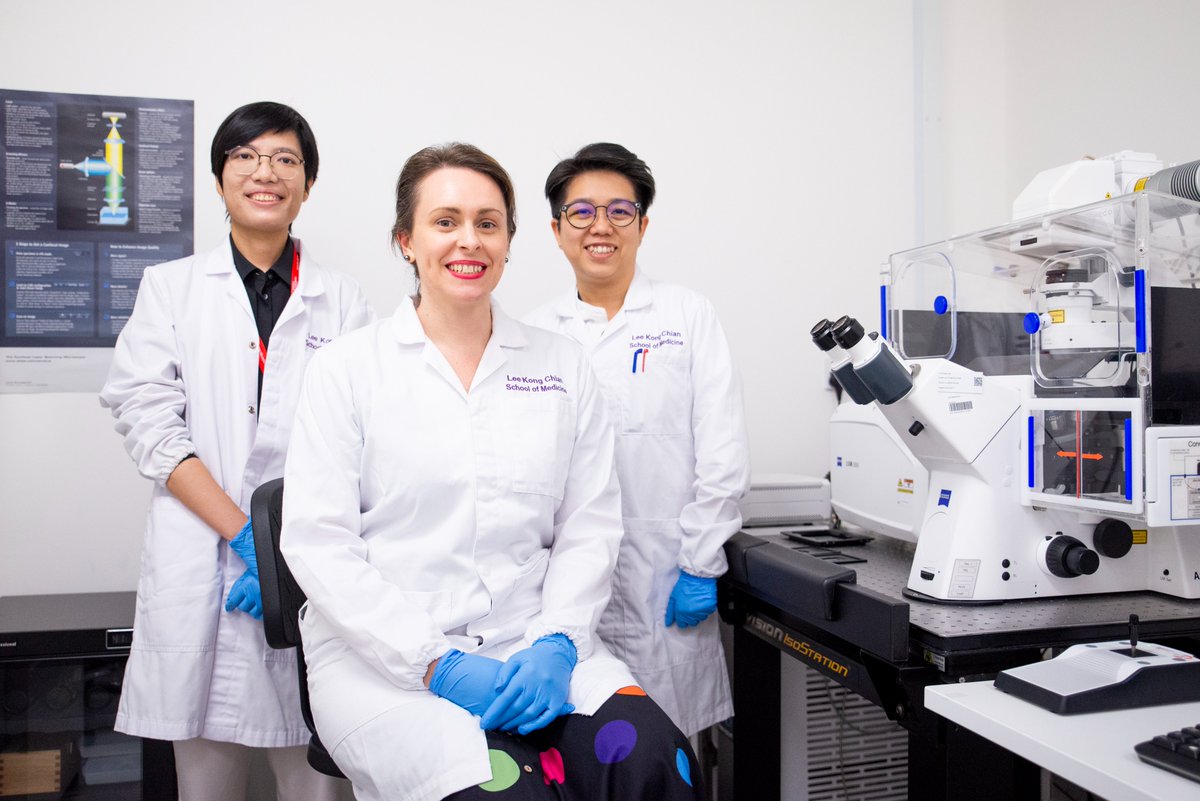
Breaking boundaries in neuroscience! 🧠 Asst Prof Anna Barron (@AgingBrainLab), our new EMBO Global Investigator, explores mitochondria's role in brain health. Despite pandemic challenges, her commitment to knowledge remains unwavering.
Learn more: https://t.co/bFZRYN2neO
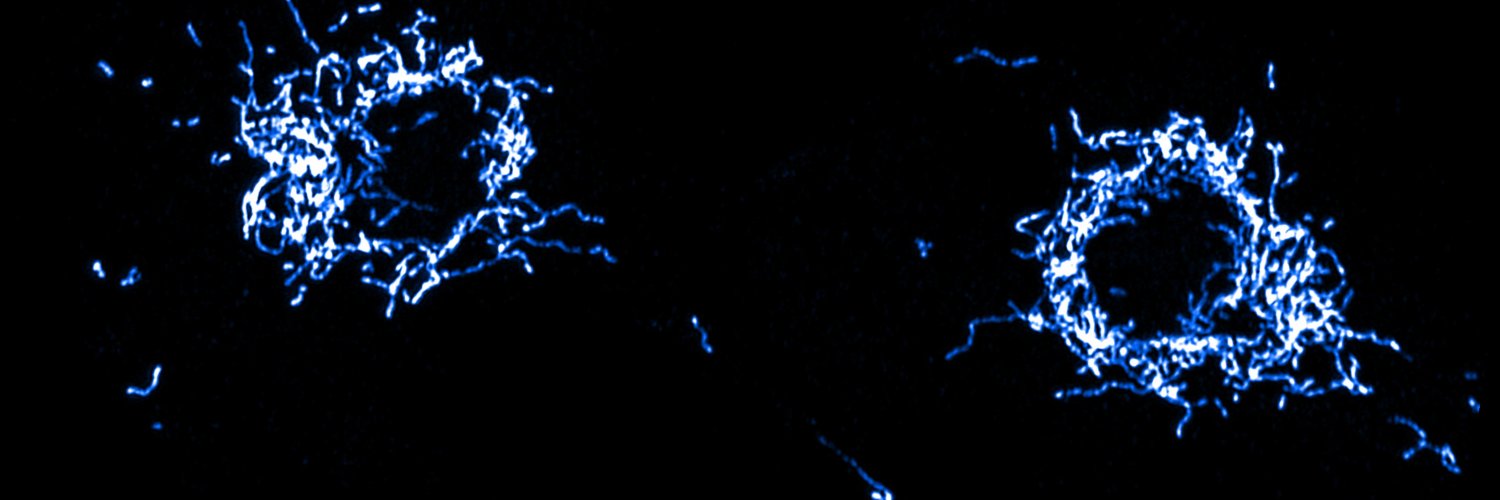
Putting mitochondria on the map: learn about new EMBO Global Investigator Anna Barron and her research on cellular metabolism as a regulator of microglial fate and function
https://t.co/mMFGlTd86z
Ten life scientists are welcomed to the EMBO Global Investigator Network, which provides access to the EMBO networking and training activities
https://t.co/pkfgnWxReU
Excited to share our Review Article published in Journal of Neuroinflammation where we discuss key mechanisms contributing to lysosomal acidification dysfunction in microglia. https://t.co/xbxKRKseYS Great collaboration with @JialiuZeng@jiahui_w20@AMBarroness@AgingBrainLab!
💊 #NTUsg scientists may have found a way to spur brain immune cells into clearing toxic waste linked to #Alzheimers disease. This breakthrough could provide new possibilities for developing new drugs targeted at Alzheimer's disease. @NTU_LKCMedicine https://t.co/oL2CQBkhIz
Study shows new way to spur brain #immunecells to clear toxic waste linked to #Alzheimer'sdisease @PNASNews https://t.co/RqqUBzhZYg https://t.co/BtHtBsJofC
To restore the immune cells’ clean-up function 🧹, we “switched off” glycolytic metabolism by removing hexokinase-2 bound to the mitochondria.
This spurred microglia to gobble up 🍽️ toxic proteins that can build up in the brain 🧠 leading to Alzheimer’s.
🧵 (6/7)
Latest work from the lab. Mitochondrial control of microglial phagocytosis in Alzheimer’s disease https://t.co/9RAHN79I9A @LaurenHFairley1@KnockOutinLab