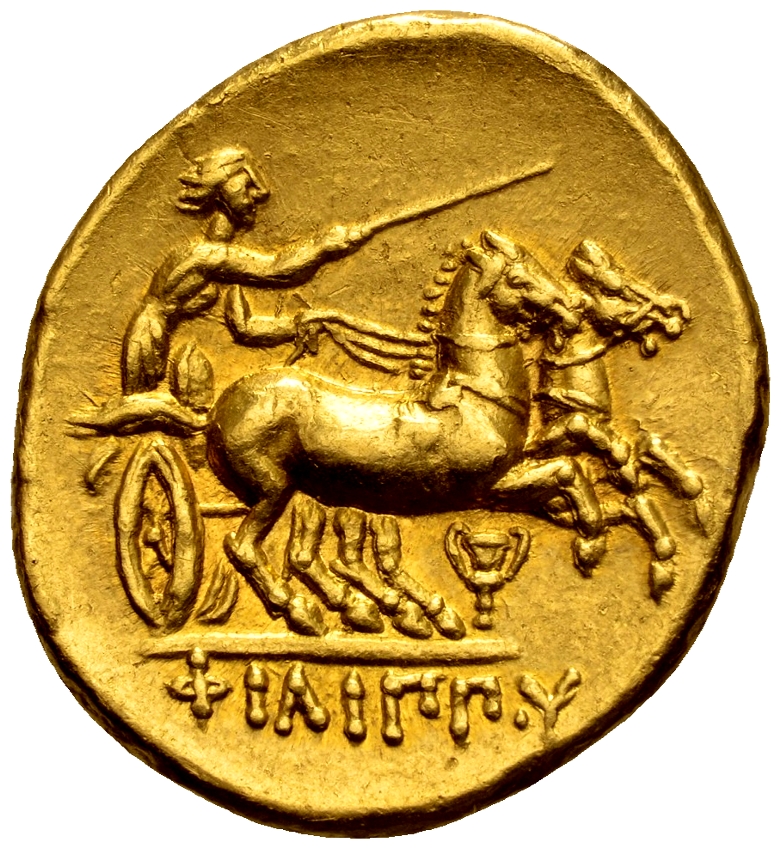
Philip II of Macedon's horses won the Olympic four-horse chariot event several times.
The importance of these victories were commemorated even on the coins of his successors.
Kingdom of Macedon, Pella, 323-317 BC. AU stater, 8.53 g.
Le Rider Group 474.
EF
https://t.co/OmdjUGis07
Judaea Capta
Titus conquered Jerusalem in late 70 AD and razed the Jewish Temple, thus quelling the uprising.
RIC rates the Rome-mint denarius R2: very few examples known.
Titus, as Caesar. Rome, 72-73 AD. AR denarius, 3.27 gr.
RIC² 369.
Rare. EF-
https://t.co/3BxZ0AmwN8
The very brief reign of Antiochos, the younger son of Seleukos IV, is hardly attested by the ancient writers.
Seleukid Kingdom, Antiochos, son of Seleukos IV. Antioch, 175 BC. AR tetradrachm, 17 g.
SC 1369a
Lovely portrait of the child. VF+
Very rare.
https://t.co/koGwXakBvc
Fixed Pricelist XXII Preview
March 1, Agora Numismatiek Pricelist XXII will be published with a selection of high quality Greek, Roman and Byzantine coins.
Attica, Athens. Ca. 454-404 BC. AR tetradrachm, 17.19 g.
Kroll 8.
Deep iridescent toning. EF+.
https://t.co/hFSjE8Oof9
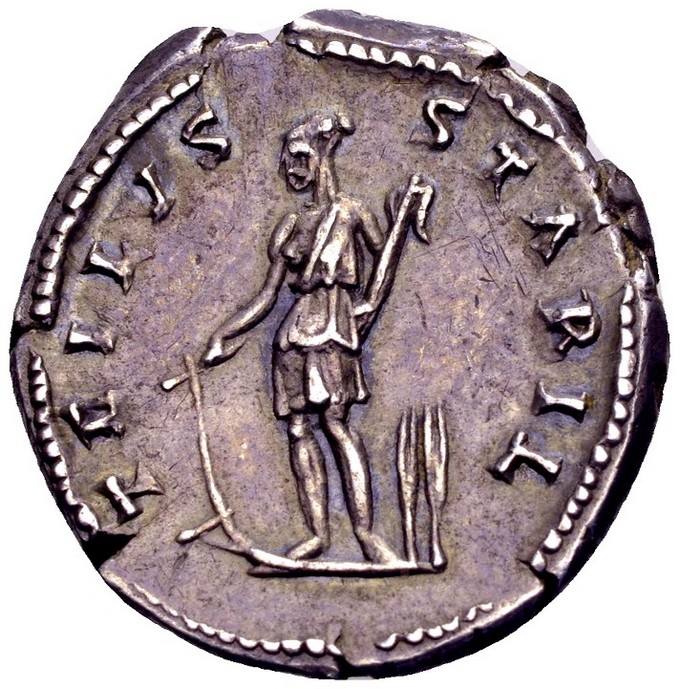
Hadrians’ reign was one of the Roman Empires most prosperous times. The “Tellus Stabil” reverse of this coin refers to that.
Hadrian. Rome, 133-135 AD. AR denarius, 3.03 gr.
RIC 2052. NAC / Spink Taisei, 16 November 1994, lot 403.
Old cabinet tone. EF
https://t.co/JCTJIuqNIz
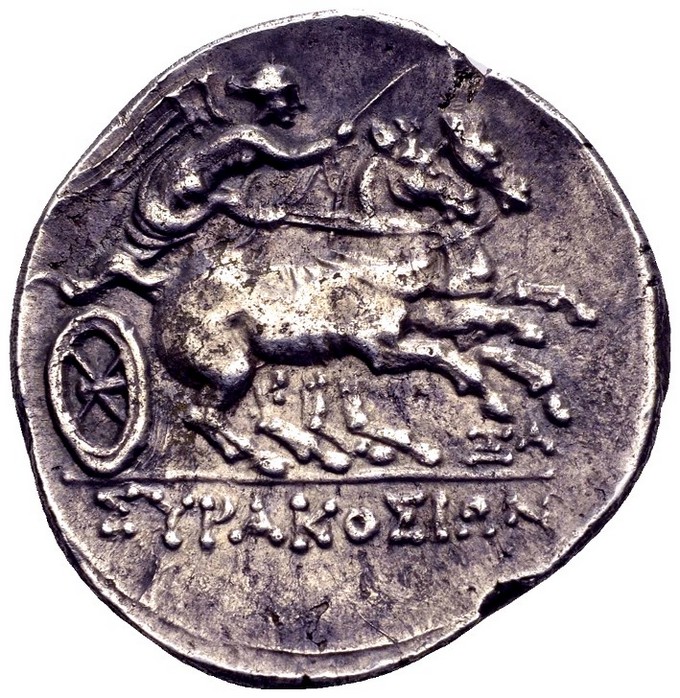
Syracuse enjoined short spells of democracy between its reigns of tyrants. Towards the end of its independence, it was the fifth democracy from 214 to 212 BC.
Sicily, Syracuse. Fifth Democracy, 214-212 BC. AR 6 litrai, 4.89 g.
Ref: Burnett, D44
Rare. EF-
https://t.co/izH5SanVlw
Isaac II Angelus came to power through a popular revolt in 1185 AD. As an emperor he wasn’t very successful. He wasn’t able to stem the decline of the Byzantine Empire.
Isaac II Angelus. Constantinople, 1185 – 1195 AD. AU hyperpyron, 4.51 gr.
DOC 1b
EF
https://t.co/3f42tQn5bS
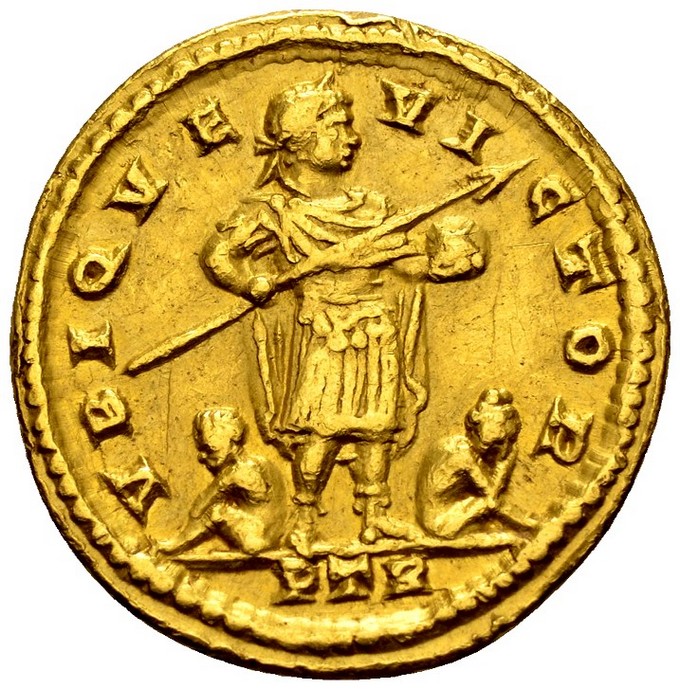
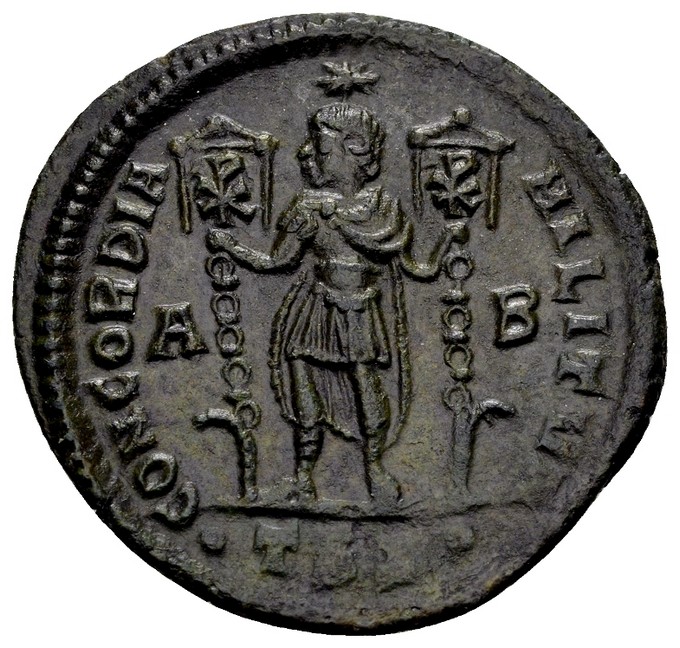
When Constans was murdered, Vetranio took the title of Augustus.
Vetranio subjected himself to Constantius II. Vetranio was allowed to live his remaining years as a private citizen.
Vetranio. Thessalonika, 350 AD. Æ centenionalis, 4.67 g.
RIC 135.
EF.
https://t.co/wbNBHHOQvS
Agora Numismatiek is attending the 51th New York International Numismatic Convention from January 12 to January 15. Please visit table 112 for high quality ancient coins. Or drop by for just a conversation. We would love to meet you.
https://t.co/ZlmcwO5LKo
As the god of light, music and healing, he was the son of Zeus and the nymph Leto and twin to Artemis. The famous Delphi oracle was dedicated to him.
Sicily, Syracuse. Agathokles, 317-310 BC. AU 60 litrae or decadrachm, 4.26 g.
ANS 551
EF
https://t.co/3HrhThqKmy
Pescennius Niger. Antioch, 193 – 194 AD. AR denarius, 4.35 g.
RIC 5a
Rare and in exceptional condition for the issue. A lovely portrait struck on unusually fresh metal and with a wonderful iridescent tone. Good extremely fine.
https://t.co/UPcsV8gMrE
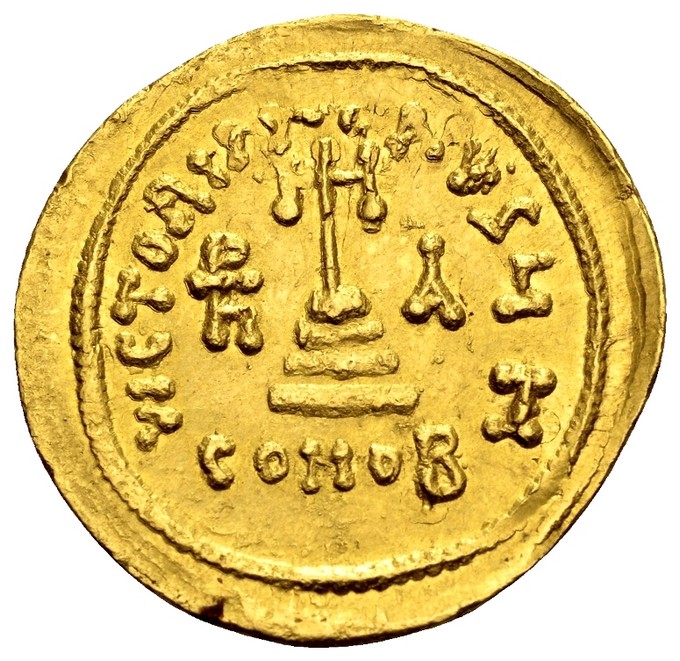
Heraclius wrested the Empire from Phocas, who had brought it to the brink of total ruin. It took Heraclius decades to bring back the Empire to its former strength.
Heraclius, with his sons. Constantinople, 637–638 AD. AU solidus, 4.49 gr.
DOC 39
EF
https://t.co/F9INGQVqV9
The Egyptian god TuTu is an anthropomorphic God. Originally the protector of tombs, Tutu later guarded the sleeping from danger or bad dreams.
Trajan. Egypt, Alexandria, 109-110 AD. Æ drachm, 21.68 gr., 36.1 mm.
Dattari 1180.
Very rare. VF+
https://t.co/oU7hZfWduQ
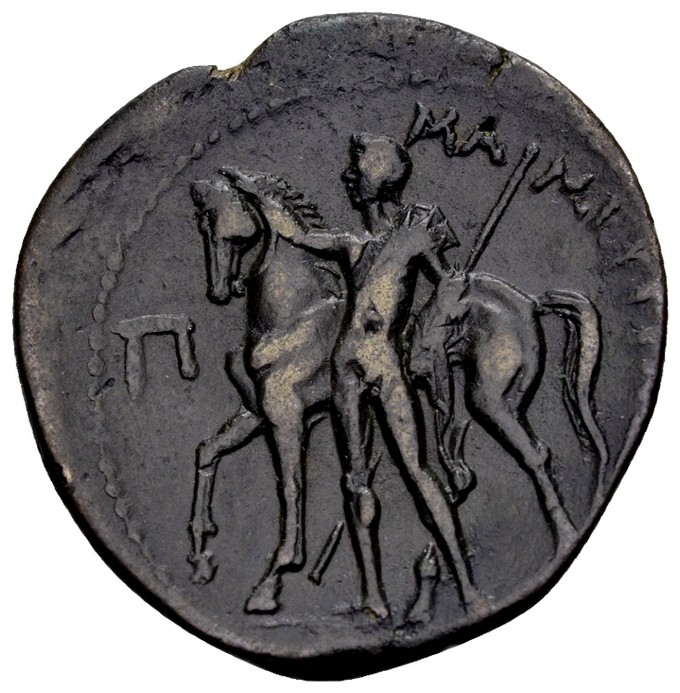
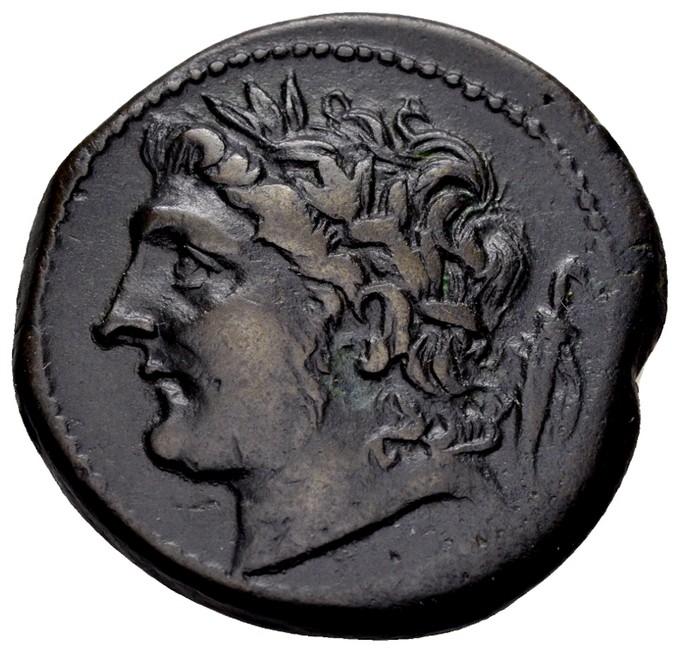
This coin comes from the collection of prof. dr. S. Pozzi, 1846-1918, best known as a celebrated gynecologist and surgeon who was murdered by a disgruntled patient.
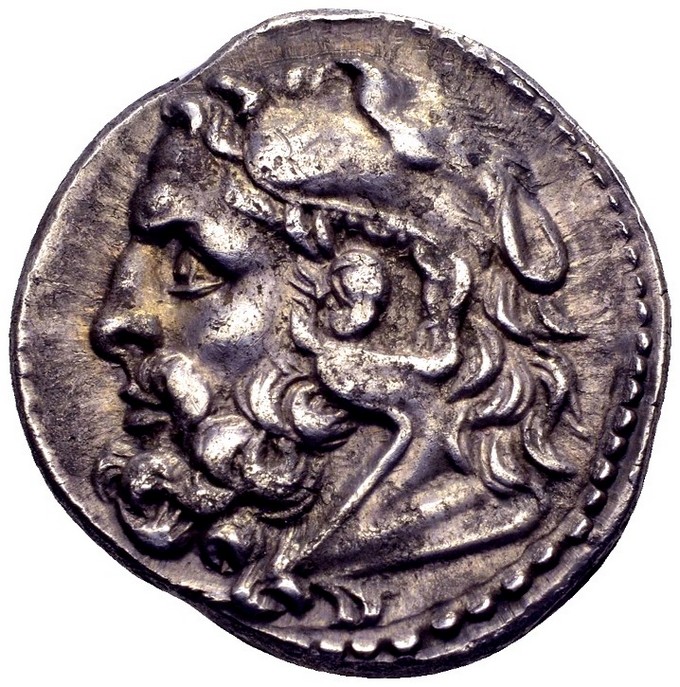
Sicily, Mamertini. Ca. 220-200 BC. Æ pentonkia, 11.79 g.
Boutin 1121 (this coin).
VF+
https://t.co/QGRqg9VtxI
A new standard for the world
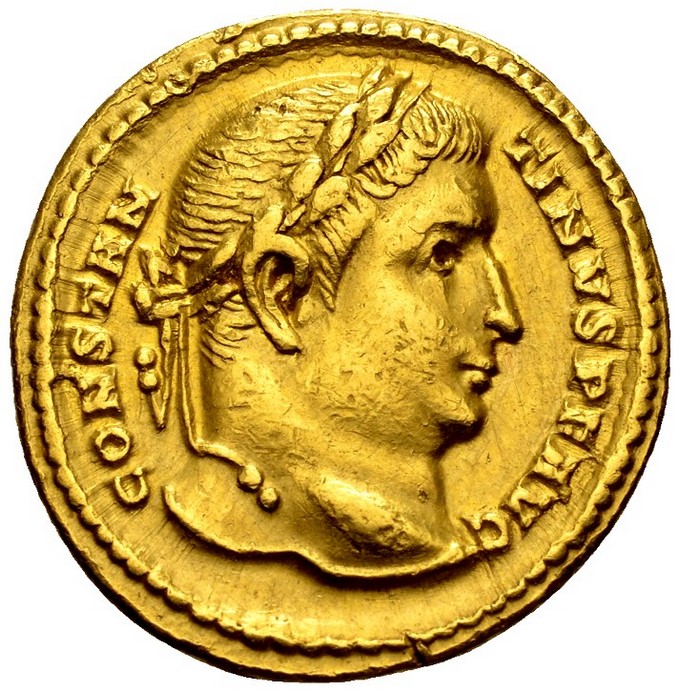
Constantine I introduced the solidus, a gold coin weighing 4.5 grams.
To get an idea of inflation at that time: 1 solidus equaled 275.000 debased denarii.
Constantine I. Trier, ca 310-313 AD. AR solidus, 4.35 g.
RIC 816
EF
https://t.co/oTonWx8Elt
The reverse of this coin shows Ulysses returning in humble dress to Ithaca, where he was at once recognized by his old dog Argus, who died of joy at seeing his master again.
C. Mamilius Limetanus. Rome, 82 BC. AR denarius, 3.89 g.
Crawford 362/1.
EF-
https://t.co/qk4MTkHEUZ
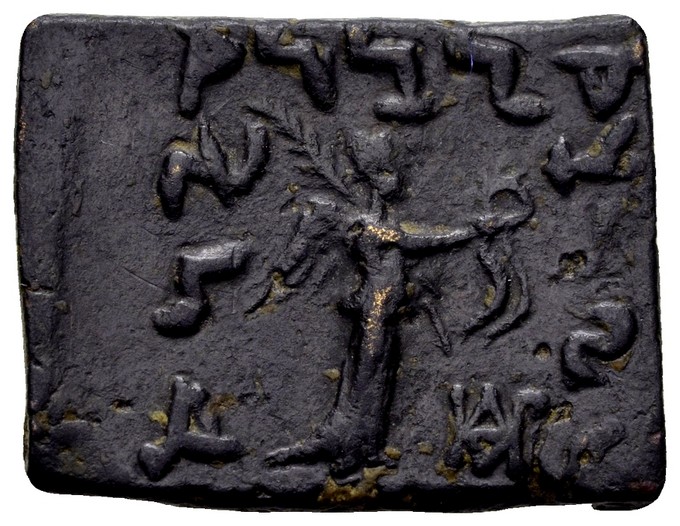
In contrast to the usual way of minting coins, individually, these coins were struck by the multiple on a strip of bronze.
This process was easier to manage.
Indo-Greek, Strato I. Ca 105-80 BC. Æ hemiobol (Indian standard), 8.94 g.
Bopearachchi 29C.
EF
https://t.co/Ko1Igf7wSN
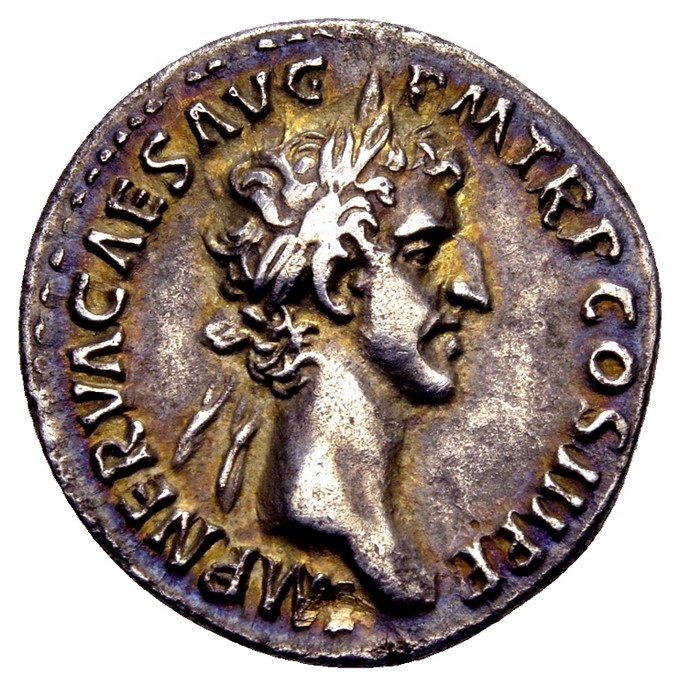
After the turbulent reign of Domitian, the Roman Senate voted for the elderly senator Nerva to become emperor. Although his time in power was short, he managed to bring stability to the Empire.
Nerva. Rome, 97 AD. AR denarius, 3.47 gr.
RIC 16.
EF-
https://t.co/p5jHHjZtVY
We all know the Greeks defeated Xerxes in the battle at Salamis.
At the same day the Carthaginians too were soundly beaten in a battle fought at Himera.
Sicily, Himera., ca. 483-472 BC. AR didrachm, 8.43 g.
ANS 157.
VF+
https://t.co/ZugS6ZnOPV
Agora Price List 21 Preview
September 1 Agora’s Price List 21 will be available online. It will feature 40 rare and high grade ancient Greek, Roman and Byzantine coins.
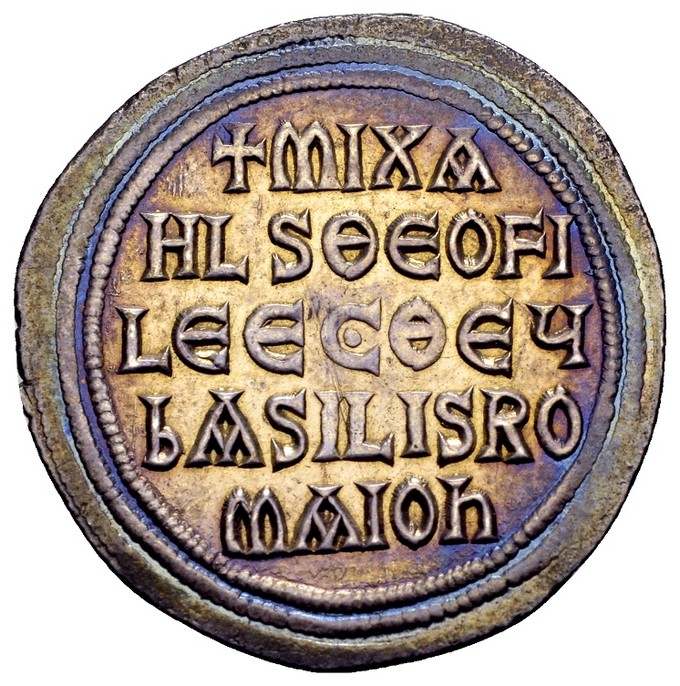
Michael III. Constantinople, 856-866 AD. AR miliaresion, 2.1 gr.
DOC 6.
Good EF
https://t.co/hiTAM0S9YW