Das „Peace Board“, der Gazastreifen und warum technische Lösung nicht helfen, wenn es keine politischen gibt. Von Nathan J. Brown (@GWtweets https://t.co/v9BYm68V5r
Ich gehöre nicht zu jenen, die islamistischen Terror Kleinreden; sonst würde ich mich kaum seit 25 Jahren damit beschäftigen. Er ist schlimm, brutal, fürchterlich, gefährlich.
Aber die gr��ßte Gefahr für unser Demokratie?
Wirklich: Nein.
(2/)
Wer es etwas genauer wissen möchte:
Ein #Gefährder ist jemand, dem die Sicherheits-Behörden einen Anschlag oder Beihilfe zutrauen.
Die Einstufung wird idR vom LKA im GTAZ allen relevanten Behörden mitgeteilt.
(1/)
Das hier läuft weitgehend unter dem Radar, auch weil der listige Herr Dobrindt das Thema schön in die Sommerpause geschoben hat. Das darf uns aber auf keinen Fall entgehen: (1/9)
A group of independent Islamic preachers has become increasingly prominent in Afghanistan since 2021. With audiences in the hundreds of thousands—and in some cases millions—they combine religious teaching with schools, charities and educational projects.
Who are they?
Read our latest report 👇
https://t.co/H56Hy0T8uZ
#Afghanistan
"Is this the end of political Islam?" asks @NYTBen. Count me a skeptic.
The obituary of Islamism has been written many times, and the deceased always rises from the grave. A quick thread: (1/6)
How do distinct extremist movements converge?
Analysing nearly 786,000 Telegram messages, this study examines the growing overlap between Germany's Querdenken and Reichsbürger milieus before the failed 2022 Patriotic Union coup plot.
📄 https://t.co/nczuHXyaks
The reality is beginning to set in that the only viable way to reopen the Strait of Hormuz is through an agreement with Iran on the terms for reopening it, first and foremost, acknowledgment of Iran’s sovereignty claims and security interests in the area.
Military options do exist, but as recent events have demonstrated, any American attempt to force the strait open militarily would almost certainly trigger an Iranian response and a broader escalation, neither of which would guarantee freedom of navigation.
Even a risky ground operation or expanded military campaign would not prevent Iran from continuing to launch missiles or drones at commercial tankers. Geography is extremely difficult to overcome, and this is precisely the kind of strategic dilemma that did not exist before the war began.
The Strait of Hormuz has become the clearest illustration of the flawed strategic assumptions that preceded the campaign, the limitations of military power during it, and ultimately Washington’s inability to translate military pressure into a sustainable political agreement afterward.
Israel is increasingly concerned that the administration’s growing focus on reopening the Strait of Hormuz could come at the expense of the broader objectives of the war, particularly the nuclear issue. There is a real risk that the urgency of restoring global energy flows and stabilizing markets will gradually overshadow the original strategic goals of the campaign.
As a result, the ball is now largely in Washington’s court. The United States can choose to move toward an arrangement with Iran over Hormuz, but doing so would inevitably raise difficult questions about the overall effectiveness and strategic outcome of the military operation. Alternatively, Washington could return to a military option, yet recent experience suggests that military escalation alone would not necessarily succeed in reopening the strait or achieving the broader objectives of the campaign.
Trump can afford to wait, but he likely also understands that Iran is unlikely to capitulate simply because the pressure campaign and maritime blockade continue. Tehran has repeatedly demonstrated a willingness to absorb prolonged economic and military pressure when it views the stakes as existential, particularly on issues tied to regime survival, sovereignty, and deterrence.
There are no good options here. The key question is whether there is any kinetic option the administration has not yet used in this campaign that could actually change the strategic reality vis-à-vis Iran. In other words, whether additional military pressure would produce a fundamentally different outcome, or merely deepen the escalation without resolving the core political and strategic dilemmas.
#IranWar
Die parteipol. Einflussnahme auf staatl Vergangenheitspolitik ist beängstigend. Union setzt im Bunde mit Vertriebenen die Ablsöung von Gundula Bavendamm durch, wohl weil sie das Schicksal der Vertriebenen zu sehr mit dt. Eroberungskrieg verband /2
https://t.co/HrgAwpYeZP
Julian Lanchès wrote an excellent piece for ICCT that covers the strategy and links behind the new front (Harakat Ashab al-Yamin al-Islamiyyah) that's been claiming attacks across Europe.
טראמפ מצמץ ראשון, מתוך הבנה ברורה שתקיפה של מתקני אנרגיה באיראן תוביל לתגובה ישירה ומשמעותית. הוא העלה את ההימור והעריך שאיראן תיכנע — אך כפי שהיה לפני המלחמה ובמהלכה, איראן לא נכנעה.
לגבי המשא ומתן, ברור שהועברו מסרים, אך קיים ספק רב אם האיראנים אכן הציעו ויתורים כלשהם. המשטר הזה לא ימהר לפתוח מחדש את המיצרים ללא תמורה — ורק ויתורים משמעותיים מצד ארה"ב יכולים להביא לכך. רק אתמול טען טראמפ כי "אין עם מי לדבר" באיראן, ולכן בפועל יהיה לו קשה להגיע להסכם מבלי להציע משהו בתמורה.
מנקודת המבט האיראנית, מדובר בהישג: הם לא התקפלו ולא נכנעו, ואף ייתכן שהצליחו לכפות על ארה"ב שינוי יעד. ייתכן שנפתחה דרך לסיום המערכה — אך בתנאים שלהם.
מבחינת טראמפ, היעד כבר אינו שינוי משטר, אלא פתיחת המיצרים. במקביל, מדינות המפרץ, שחששו מאוד מתגובה איראנית, פעלו מאחורי הקלעים כדי לקדם זאת, תוך ניצול הרגישות של טראמפ לעליית מחירי הנפט.
בשורה התחתונה, המערכה עדיין לא הסתיימה אלא נמשכת, אך מסתמנת אפשרות לסיומה בעקבות ההתפתחויות האחרונות. ועדיין, חשוב לזכור: גם בעוד חמישה ימים, אם איראן לא תפתח את המיצרים, איומים לבדם לא יספיקו. ללא שילוב של תמריצים, הסיכוי לשינוי בעמדתה נמוך — וייתכן שטראמפ יידרש להחריף מחדש את האיומים אם לא יציע ויתורים רלוונטים.
“Fo-shure”, if you want to better understand today’s deterrence speech by French President Macron, then give these two threads a read. Nicely done Bruno and Claudia.
@BrunoTertrais 👉🏻 https://t.co/FsZ3JQ3p6W
@ClaudMajor 👉🏻 https://t.co/RhJ3R0DXST
Mis/Disinformation Thread - Iran/US & Israel 2026
This thread is for you to be aware of what reports/photos/videos are verified Fake News (with sources).
1. This shows an Iranian MIG-29, not a US or Israeli fighter jet. (Source: https://t.co/EVCLjrckvK)
READ THIS! Superb article from @3arabawy on the colonial origins of the Sudanese army, an institution which survives by reproducing the racialized fragmentation of the colonial state. One of the best accounts of the army I've ever read! + https://t.co/94YMdLqR0T
Daniel Levine-Spound has published a legal analysis of Rwanda's war in DRC in Harvard's International Law Journal. However long these things take - and God knows the international climate is hardly propritious - there is eventually a legal reckoning. https://t.co/wvV3jxYXUd
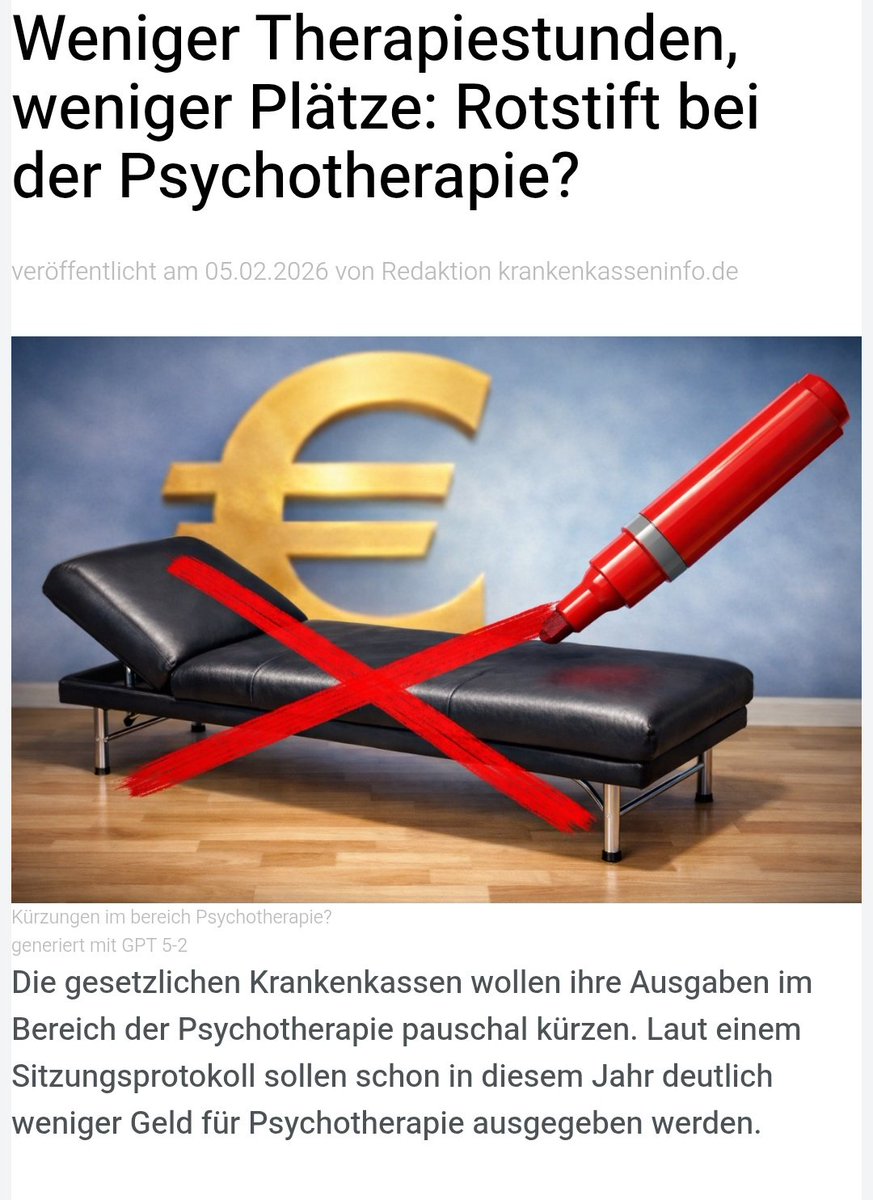
Die gesetzlichen Krankenkassen wollen also das Honorar bei Psychotherapien um 10% kürzen, was dazu führen wird, dass der "klassische" Kassenpatient nun noch schwieriger einen Termin bekommt
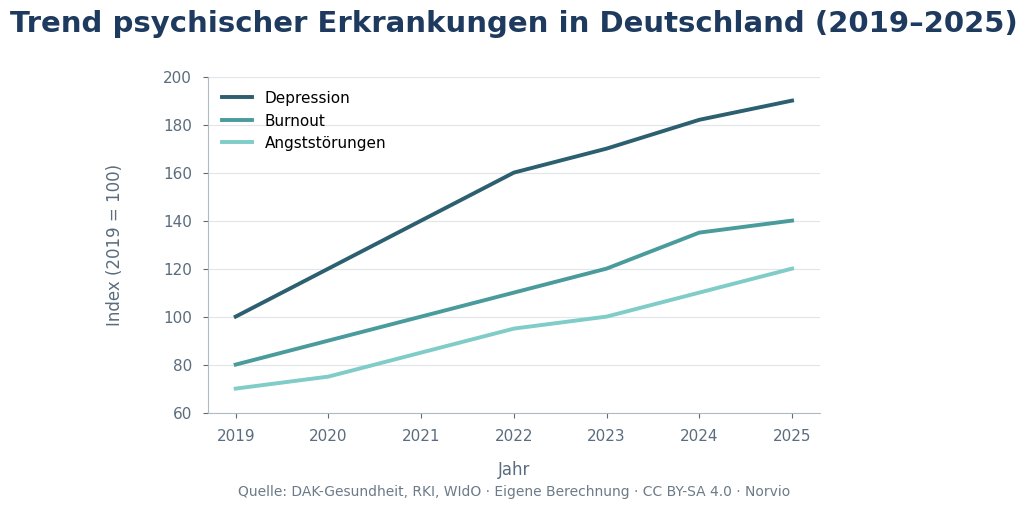
Zum Glück gibt es keinen stetigen Anstieg bei psychischen Erkrankungen🤝
Wait...🤨
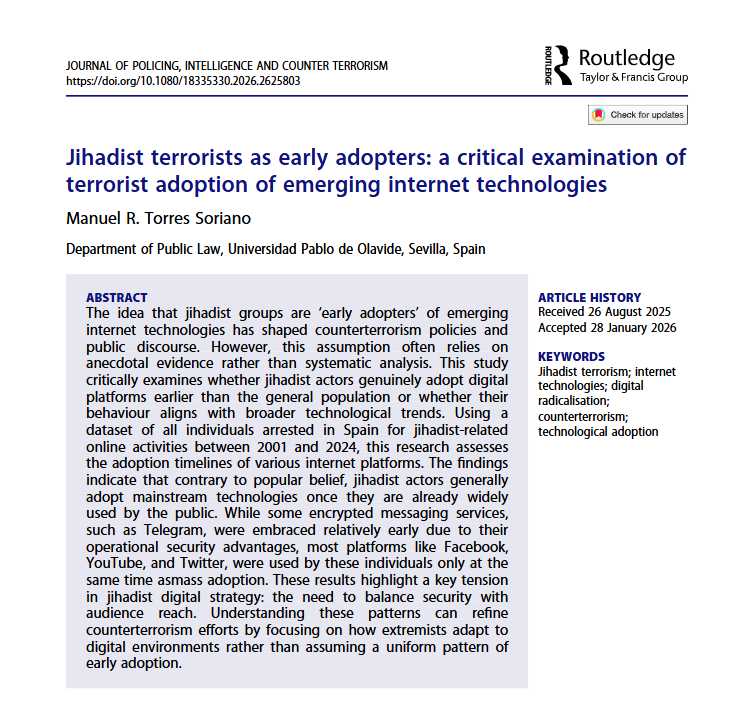
My latest research has just been published in the Journal of Policing, Intelligence and Counter-Terrorism 👇
"Jihadist #terrorists as early adopters: a critical examination of terrorist adoption of emerging #internet technologies"
50 free eprints:
https://t.co/q5GATBrVut
The worse the global crises become, the more Friedrich Merz is pushing for quick decisions—if necessary, even against Germany's closest partner, France, @Andreas__Rinke writes in a new piece.
https://t.co/qcjK7JDRDi