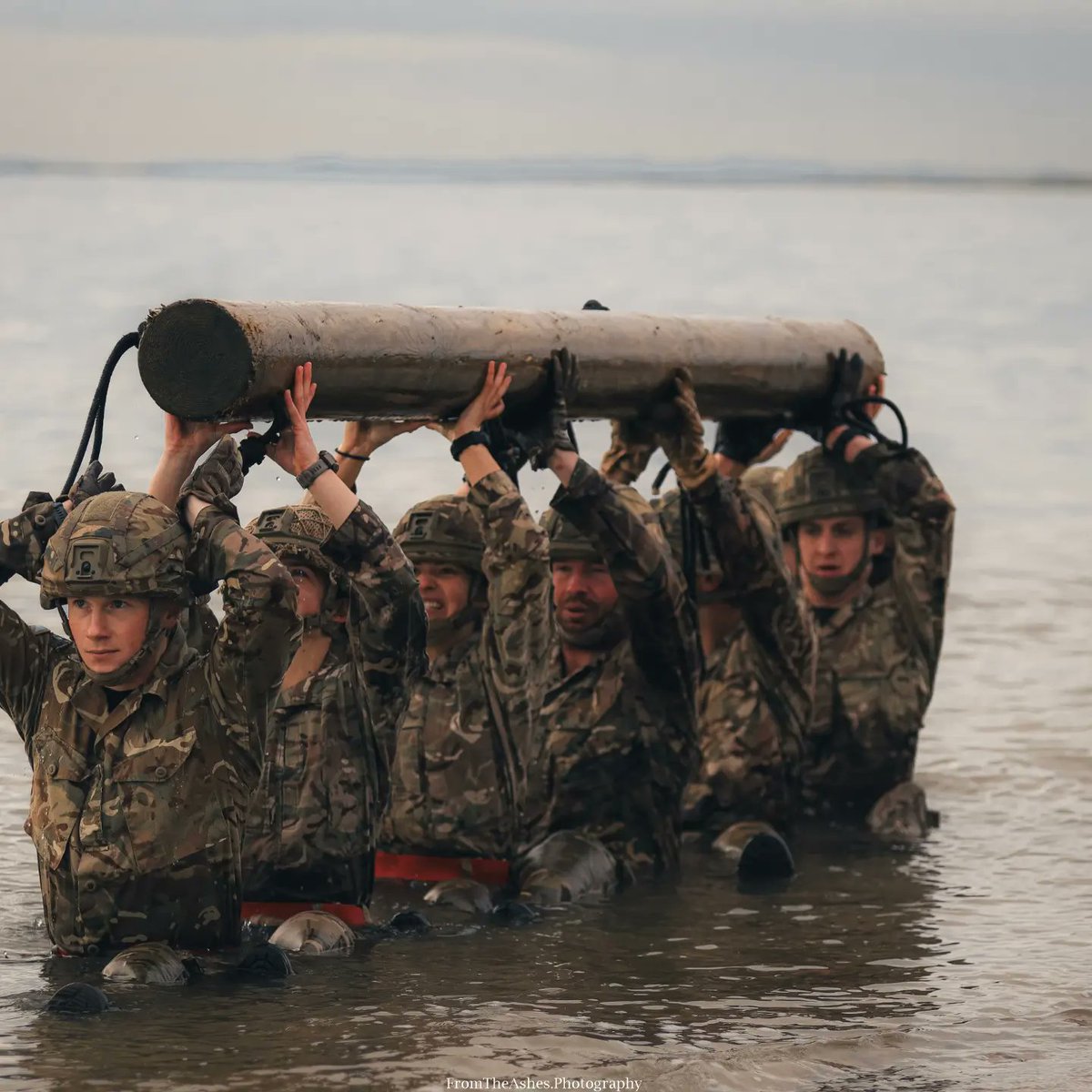
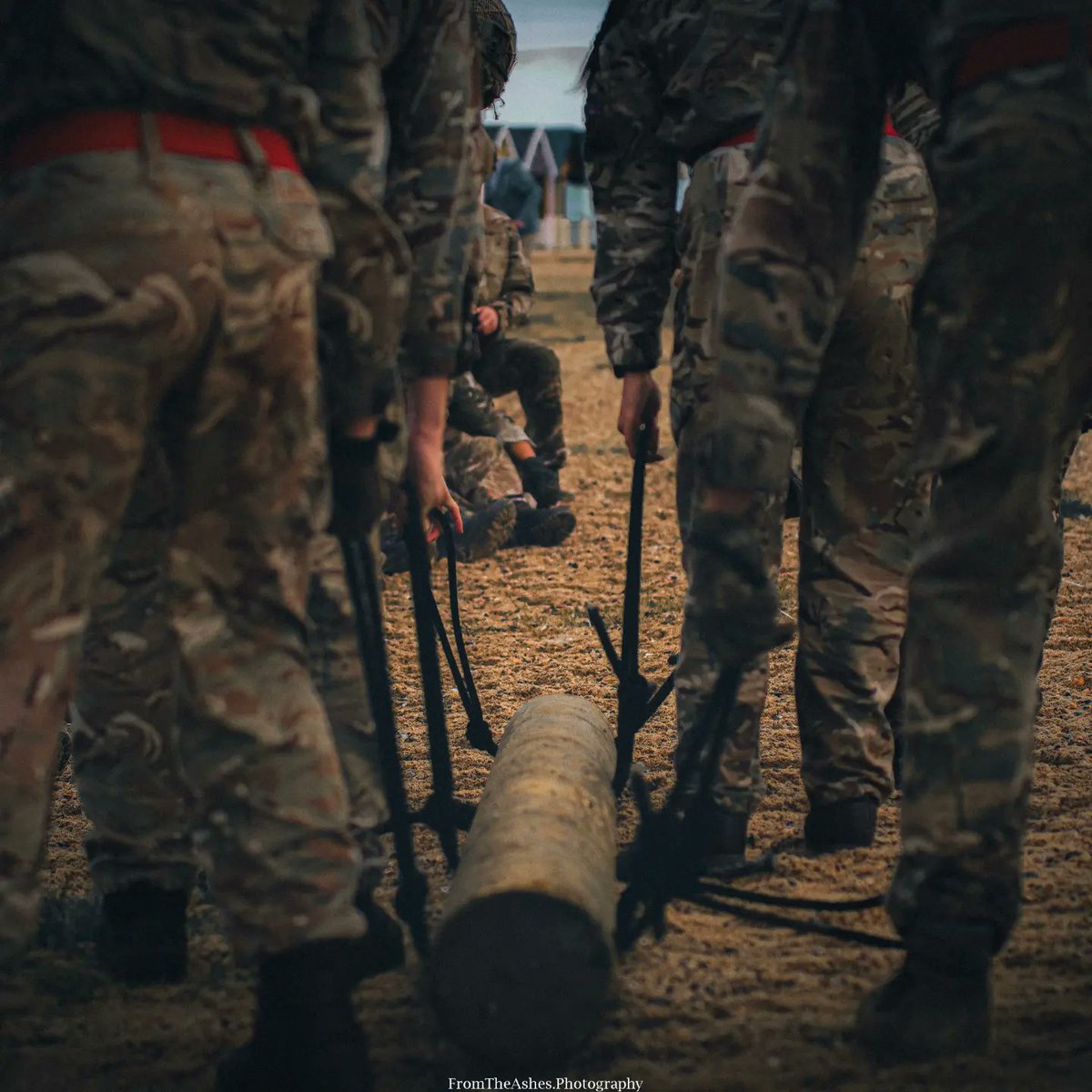
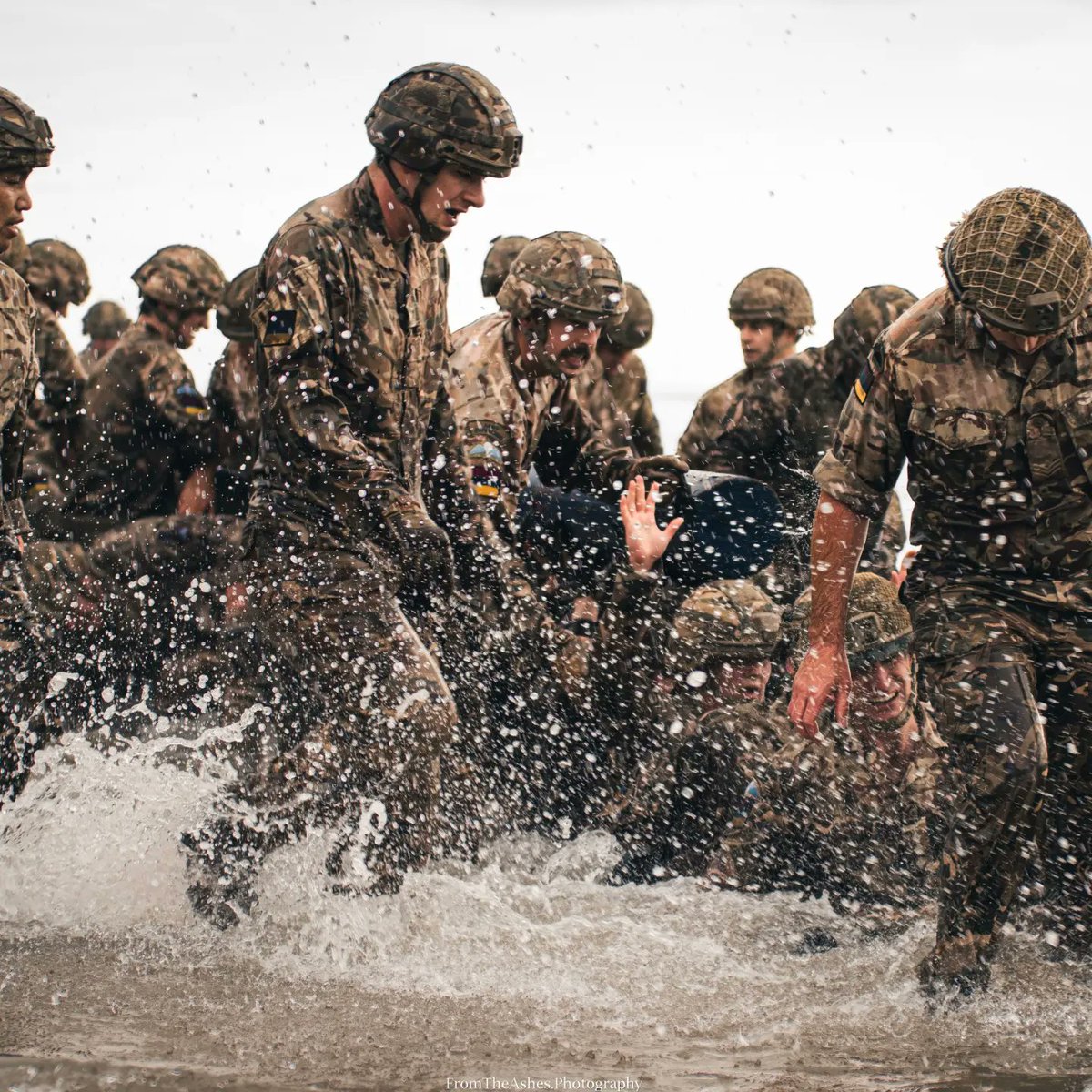
Congratulations to the 6 Officers and soldiers who passed #PCompany from 16 Med Regt today. A strong course of 59 students, with #16Med producing P Coy Champion for the second course running, Pte Wyatt, as well as the first female soldier to pass in history, Pte Carter. #airborne
I am hosting an endurance event on Wednesday 12 June 2024 to raise money for @ArmyBenFund.
Your support would be very much appreciated. Please share far and wide: https://t.co/mvcMHVloUq
@AirborneMedics@16AirAssltBCT@AirborneMedSoc
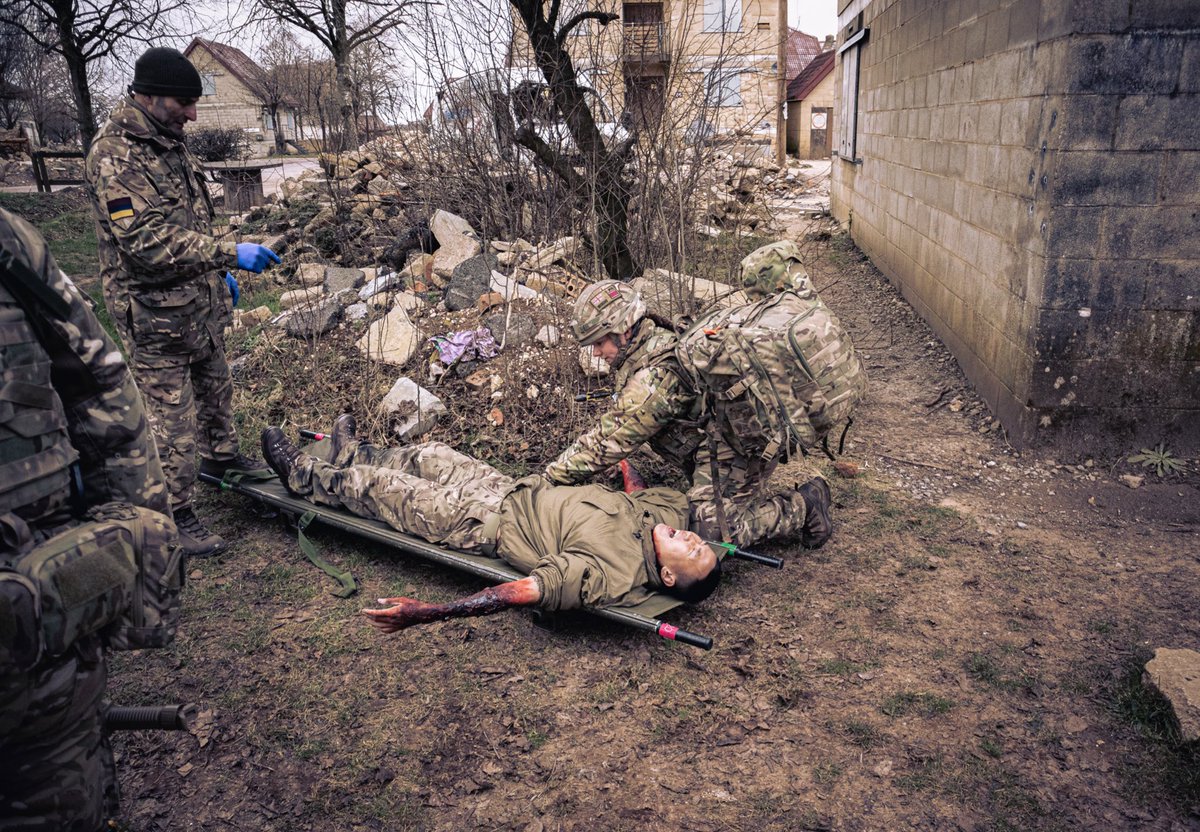
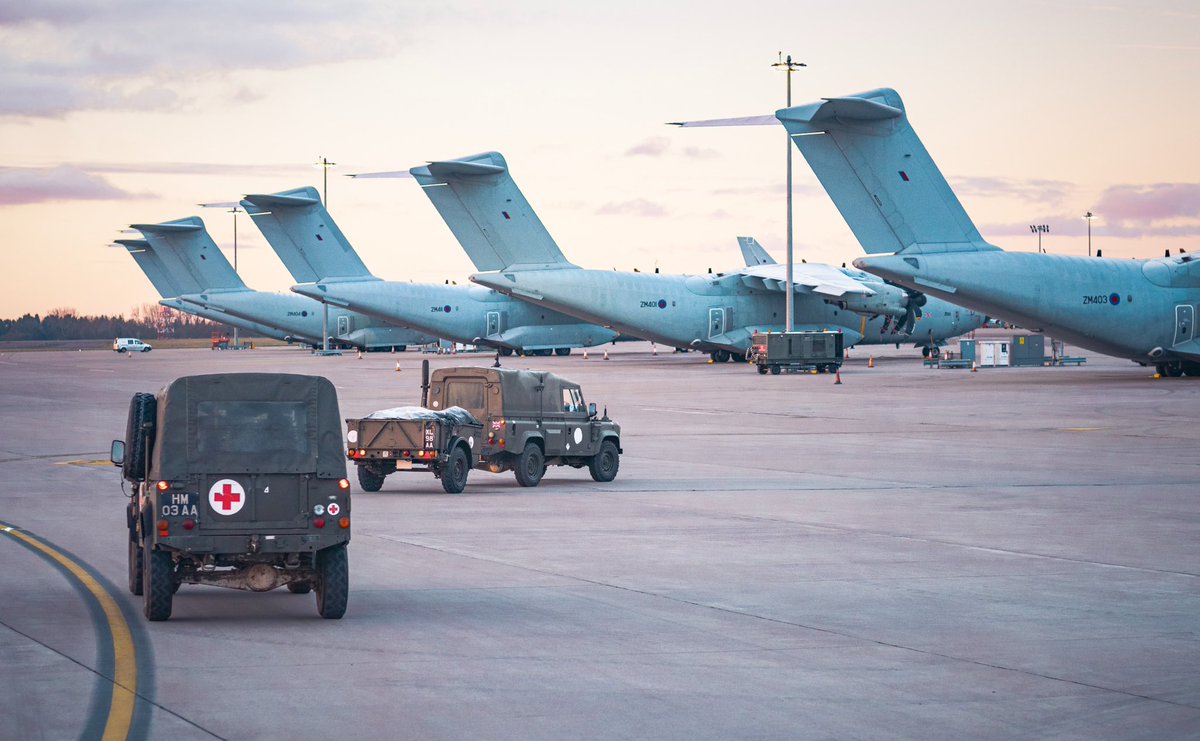
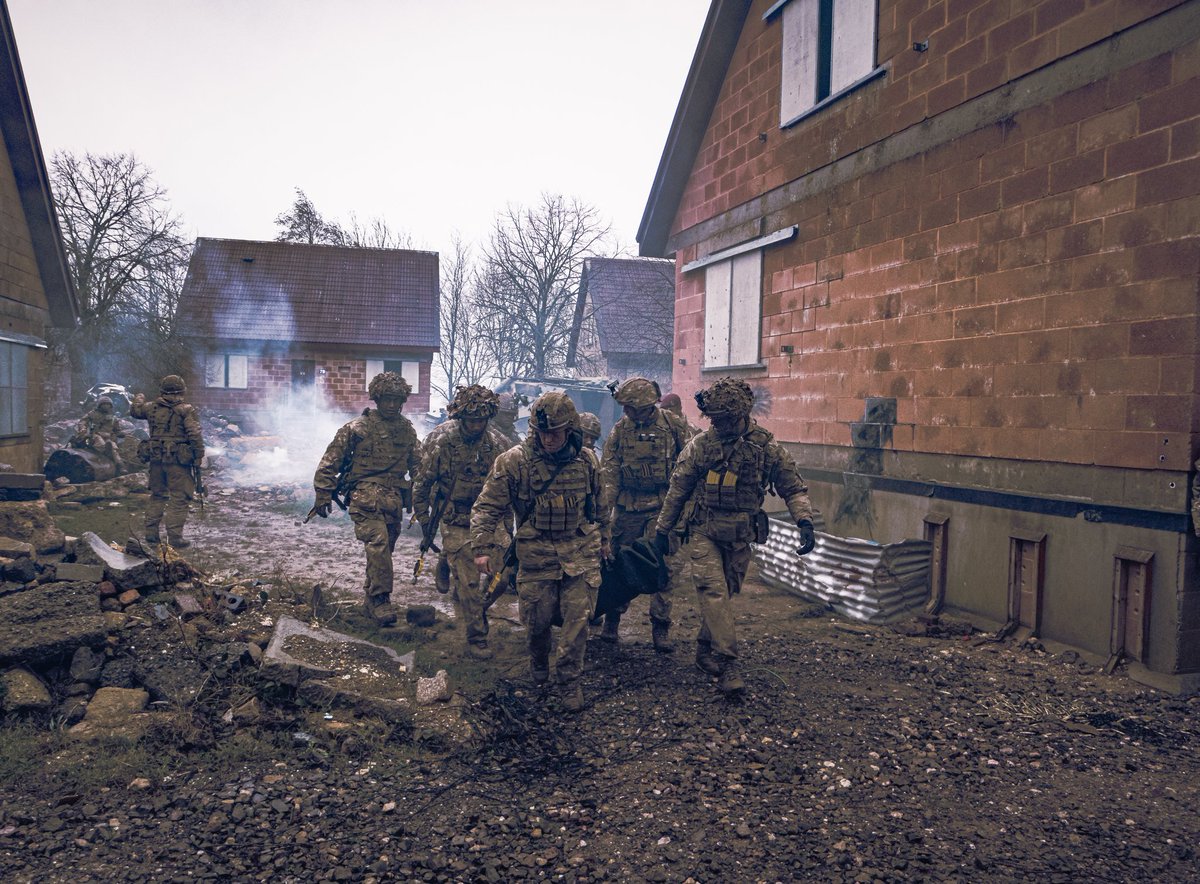
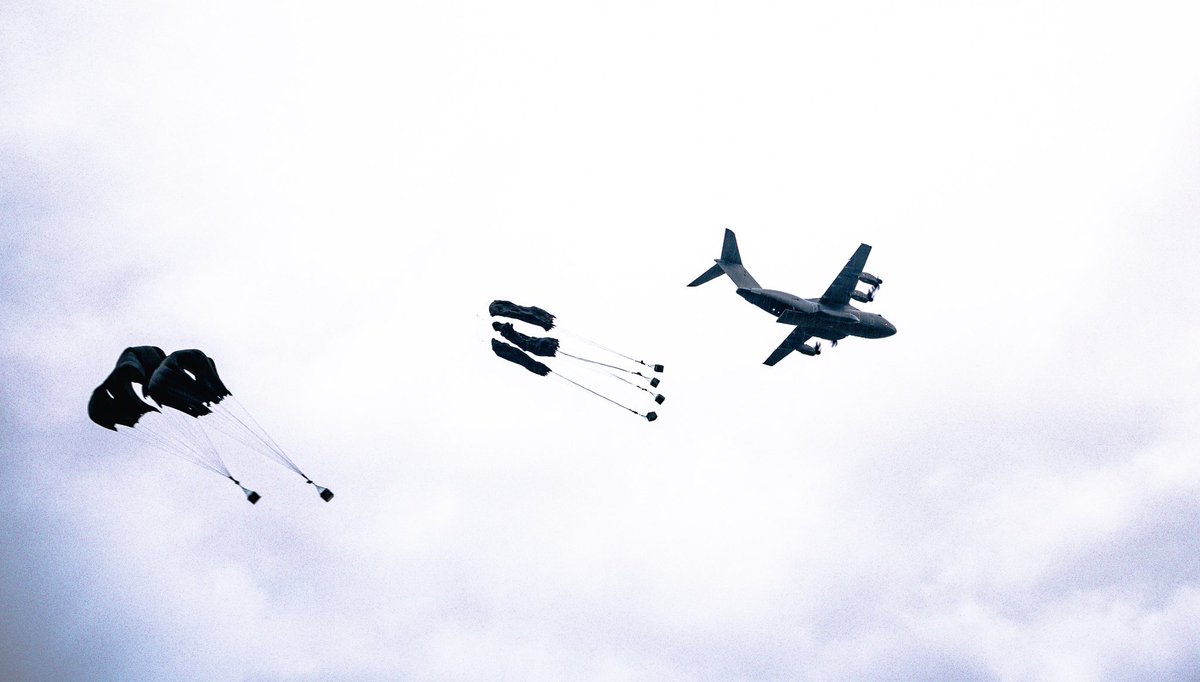
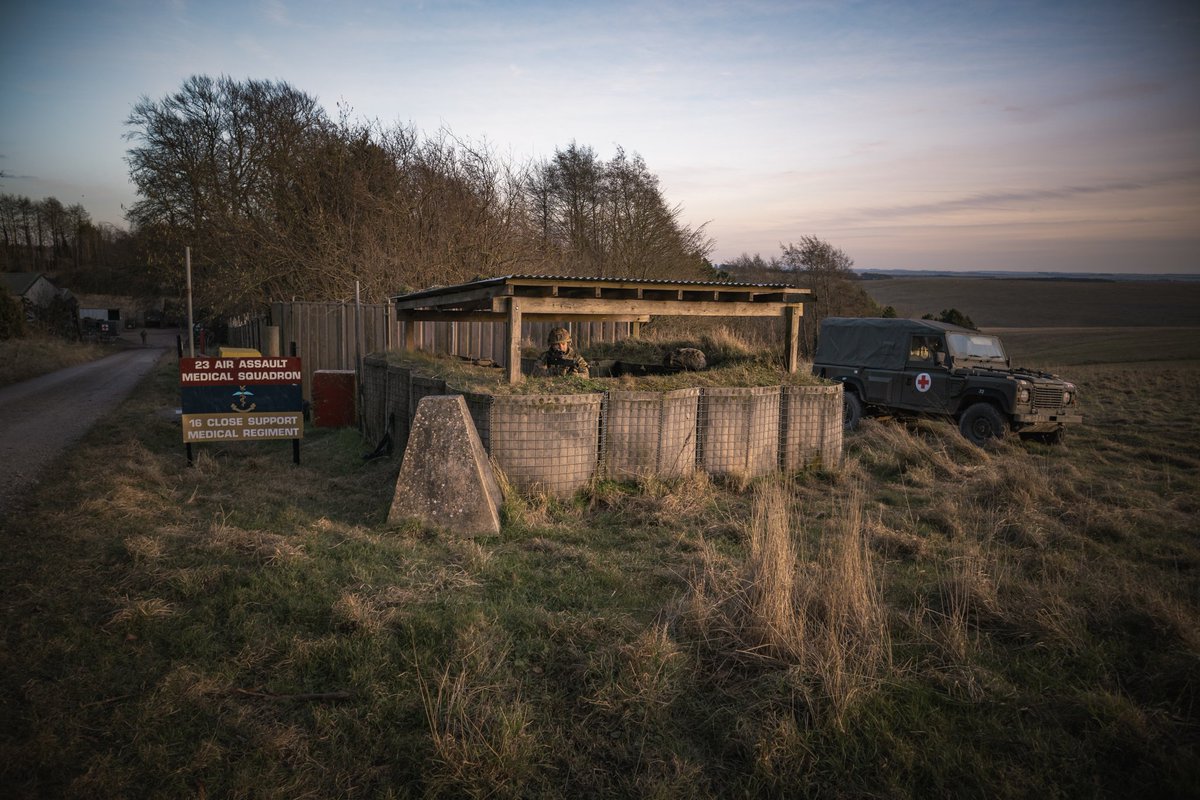
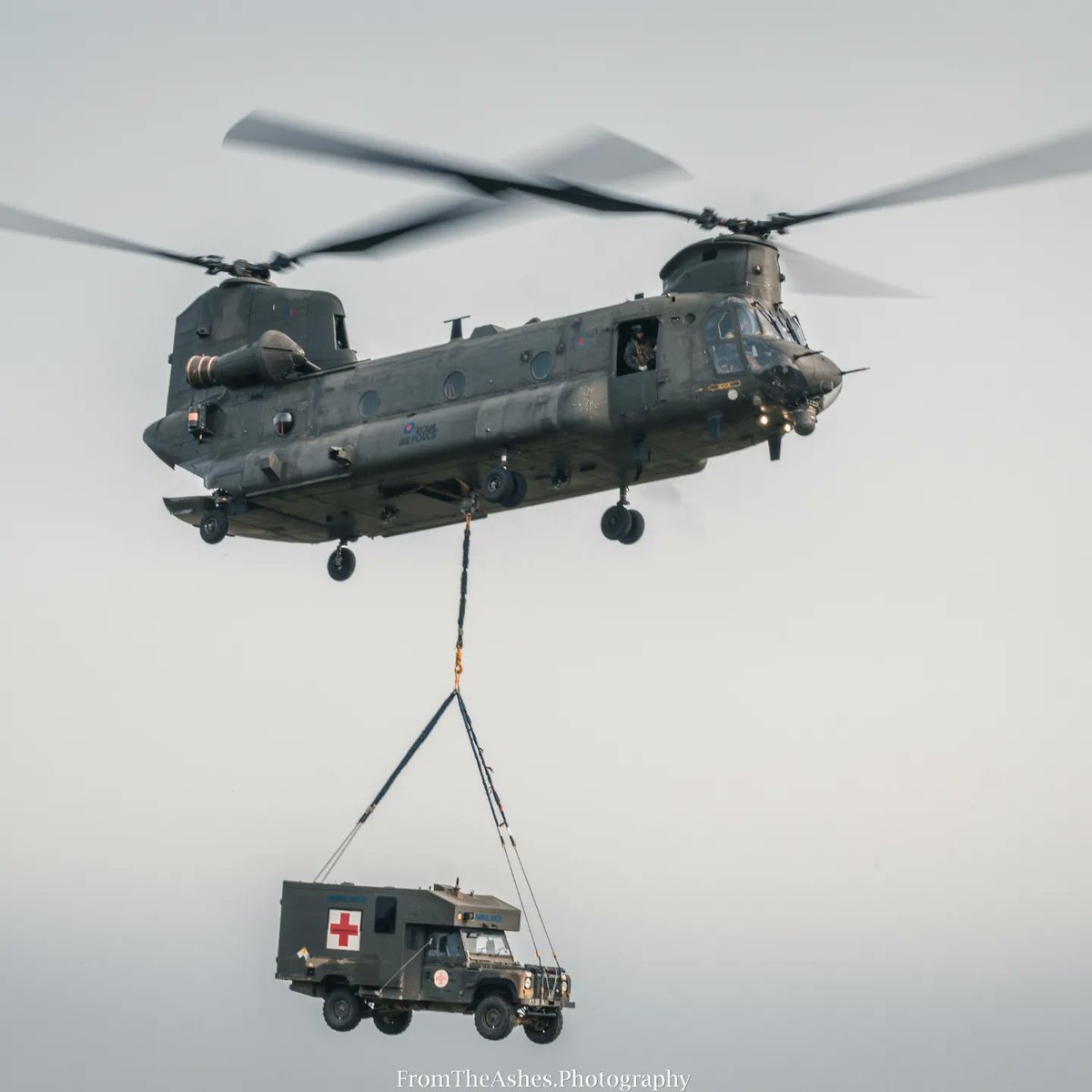
From care at the point of wounding to receiving supplies by parachute, @AirborneMedics were put through their paces on a wintry Salisbury Plain on Exercise Winged Serpent.
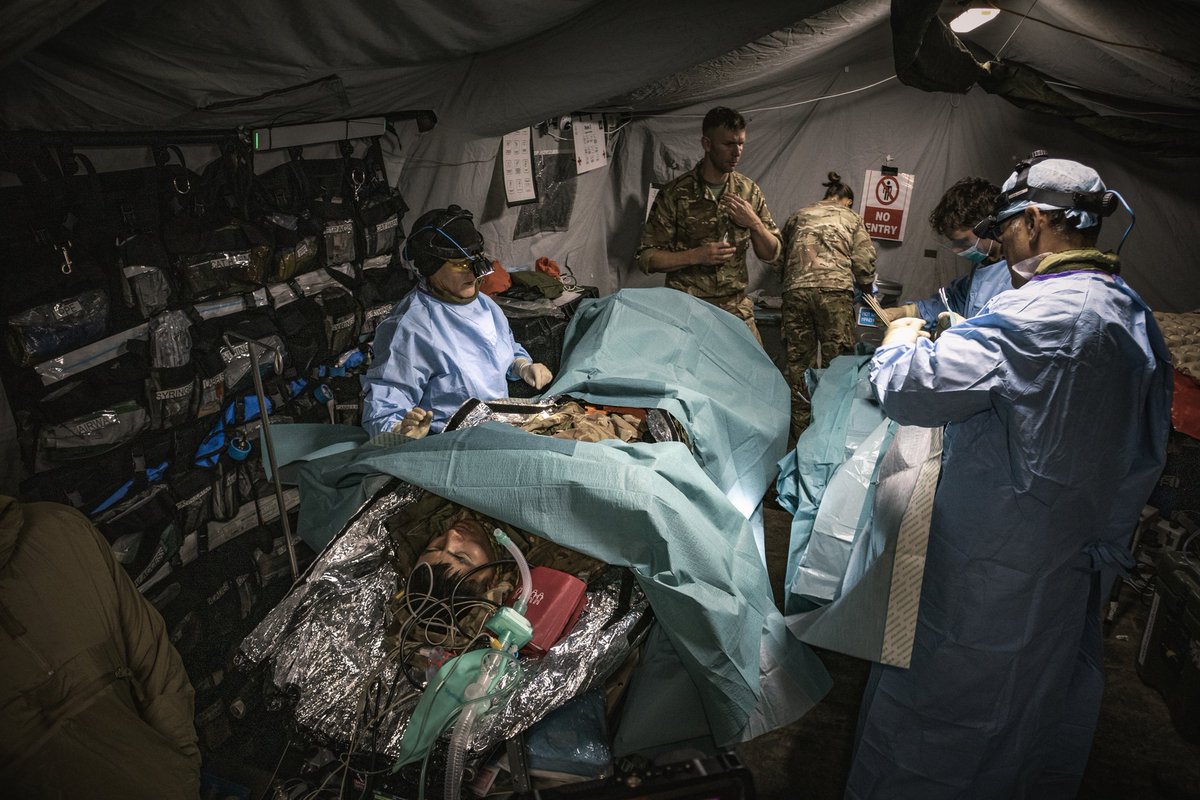
16 Medical Regiment have been exercising their ability to provide medical support to airborne operations on Exercise Winged Serpent 24.
The Squadron practiced treatment from point of wounding, extraction by land and air and surgical capabilities in a role 2 medical facility.
🎖️Congratulations to Captain Ainsworth-Masiello, made an Associate of the Royal Red Cross for his work as a mental health nurse with @AirborneMedics, deploying to Turkey at short notice to help victims of February’s devastating earthquake.
Read more: https://t.co/TxgLLZNMOt
The Battle of Arnhem, Day 5 & 6, 21-22 September: 1944.
Carnage.
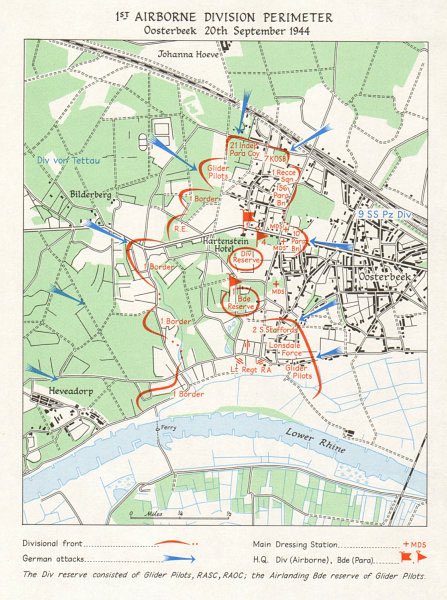
The remnants of 1st Airborne Division have dug in on the Oosterbeek perimeter. They comprise the remnants of shattered battalions who had attempted to assault into Arnhem, and those units who had remained on the drop zones and landing zones. Only one of the nine infantry battalions, 1st Border Regiment, can still be considered a formed unit.
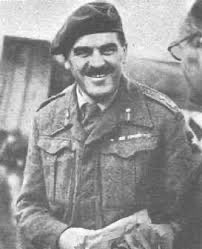
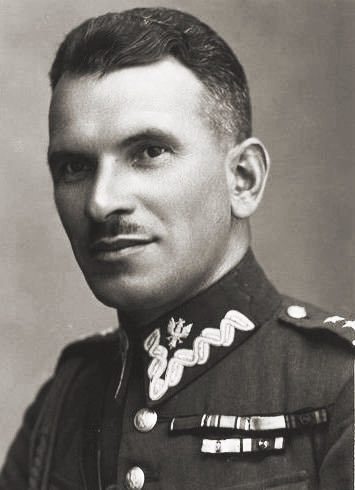
Commanded by Major General Roy Urquhart (third picture), 1st Airborne Division have occupied a perimeter centred on the Hartenstein Hotel. The perimeter is 3 miles in circumference, and manned by only 3,600 of the 10,000 airborne soldiers who landed at Arnhem. The rest are missing, injured, captured or killed. By Day 5, the Germans in Arnhem outnumber the British 3:1.
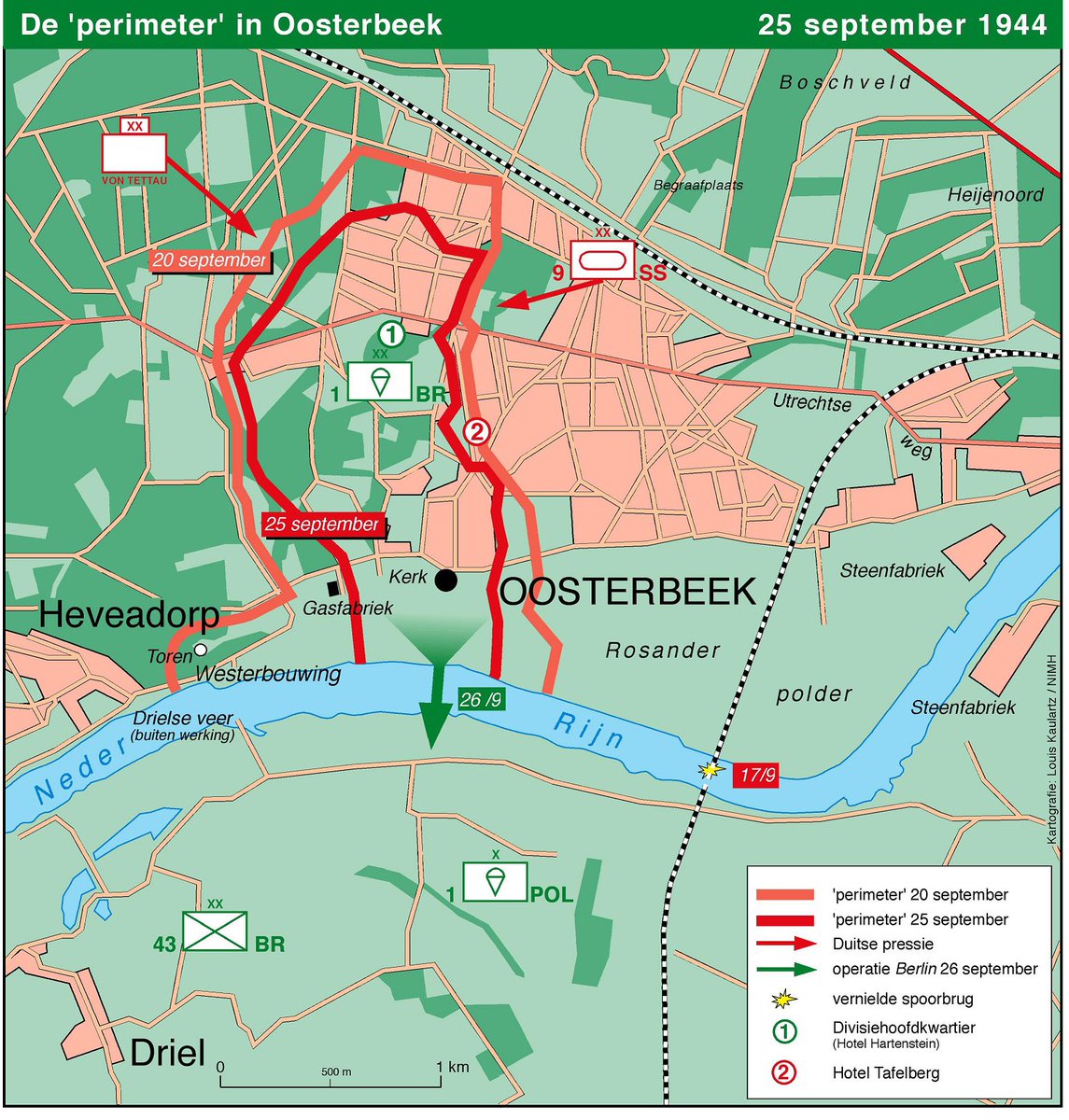
The first map shows the rough dispositions of units on 20 September (note Lonsdale Forces’s position in the south east, from yesterday’s post). The second map shows how the perimeter shrinks over the next five days.
A number of events save the British from annihilation. 2nd Para Bn’s heroic stand at Arnhem Bridge, although ultimately defeated, had prevented the Germans crossing it and reinforcing their own troops at Nijmegen. This bought the time needed for the US 82nd Airbone and British 30 Armoured Corps to capture and cross Nijmegen Bridge. Support for the troops at Arnhem was on its way.
The Oosterbeek Perimeter plan made a point of securing the Driel crossing. This left an option open for a bridgehead for supporting troops, or an exit strategy.
Stanislaw Sosabowski’s 1st (Polish) Parachute Brigade were able to take off and drop airborne reinforcements. Troop Carrier Command attempted to call off the mission and 41 of the 114 C-47 Dakotas turned back, but by luck, the others did not receive the message and pressed on. They landed at Driel, south of the river. This forced the Germans to commit forces away from the Oosterbeek Perimeter to deal with the Polish threat. (More to come on the Poles in a later tweet.)
On Day 6, 30 Corps armour begin to link up with the Polish forces dug in at Driel. Two of Urquhart’s staff officers swim the Rhine to carry messages to the Poles. That night, 55 Poles make it across the river and only 35 eventually reach the Perimeter to reinforce it.
The biggest stroke of luck for the besieged Brits, however, was finally making radio contact with the artillery of 30 Corps, still advancing from the South. They were able to call in vital artillery fire onto the assaulting Germans, as well as use the radio link to reach the Headquarters of 30 Corps. This proved vital for the subsequent evacuation.
In the meantime, the battle at Oosterbeek Perimeter ground on.
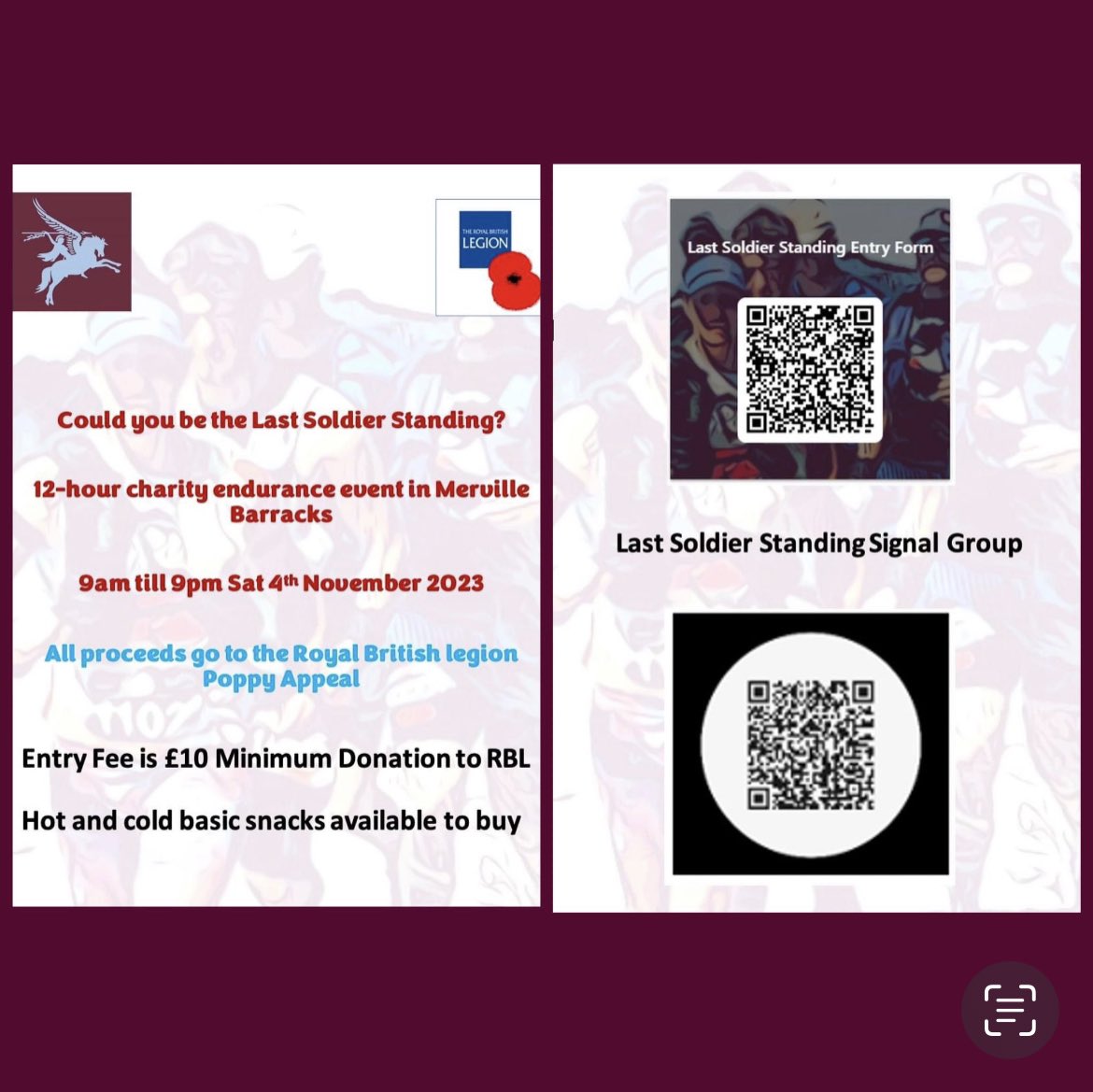
Serving in or around Colchester?
On 4th November you could take part in a charity event to run laps of 4.2 miles every hour on the hour for 12 hours.
For any still running after 11 hours the last lap will be a straight race to victory.
Dig out your running shoes!
Link below.
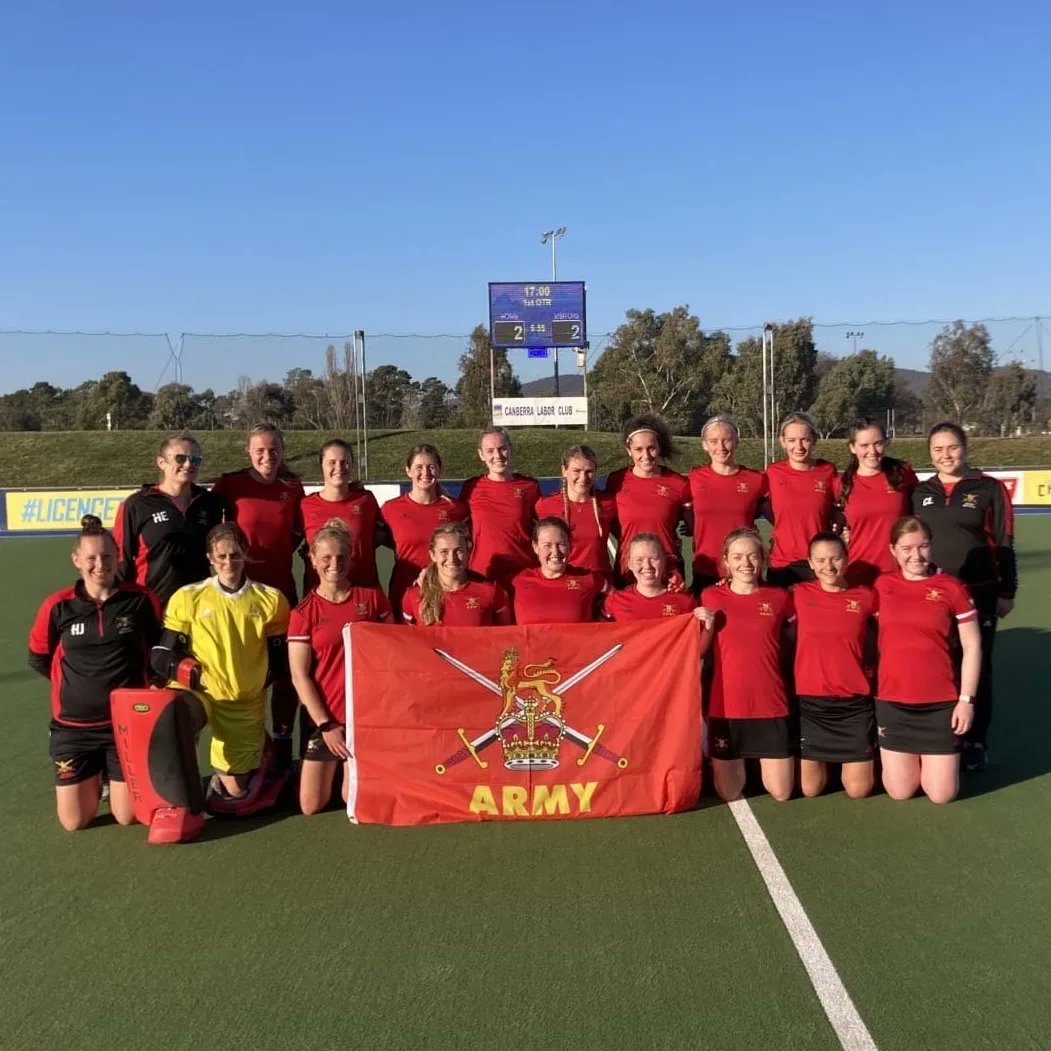
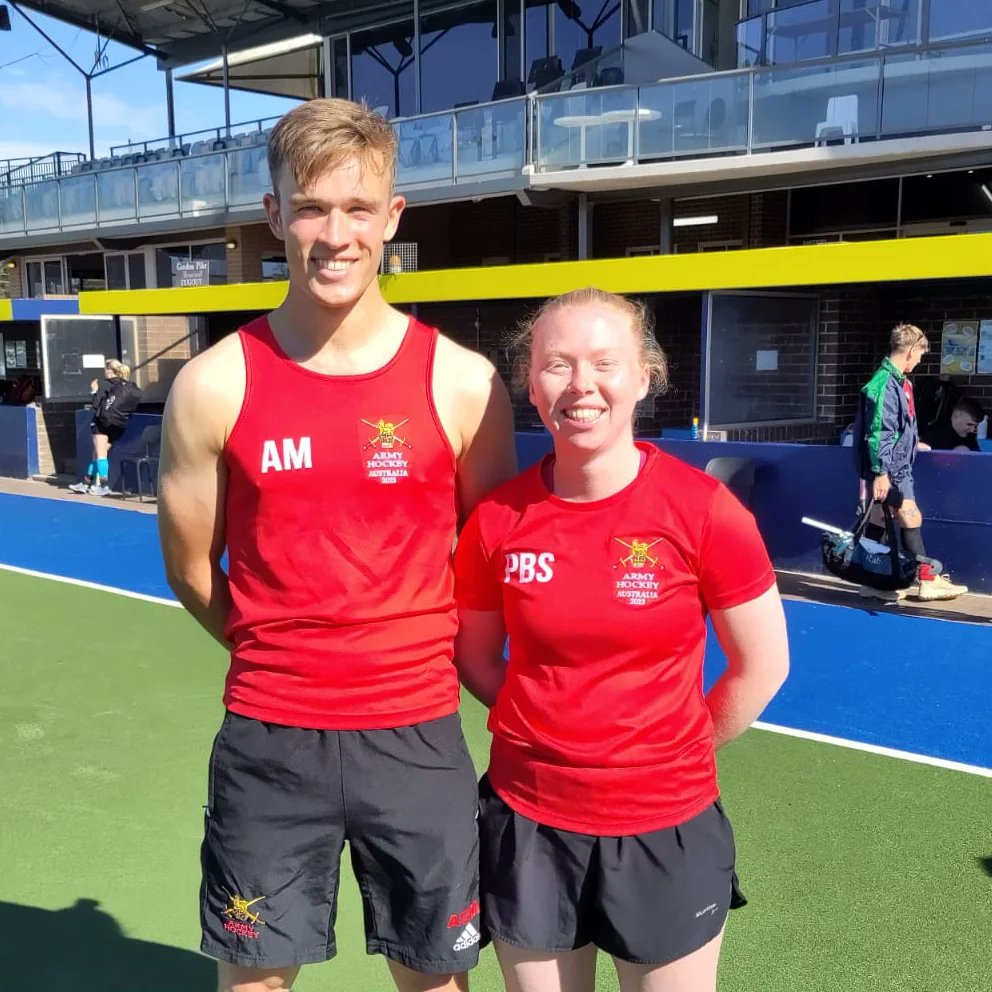
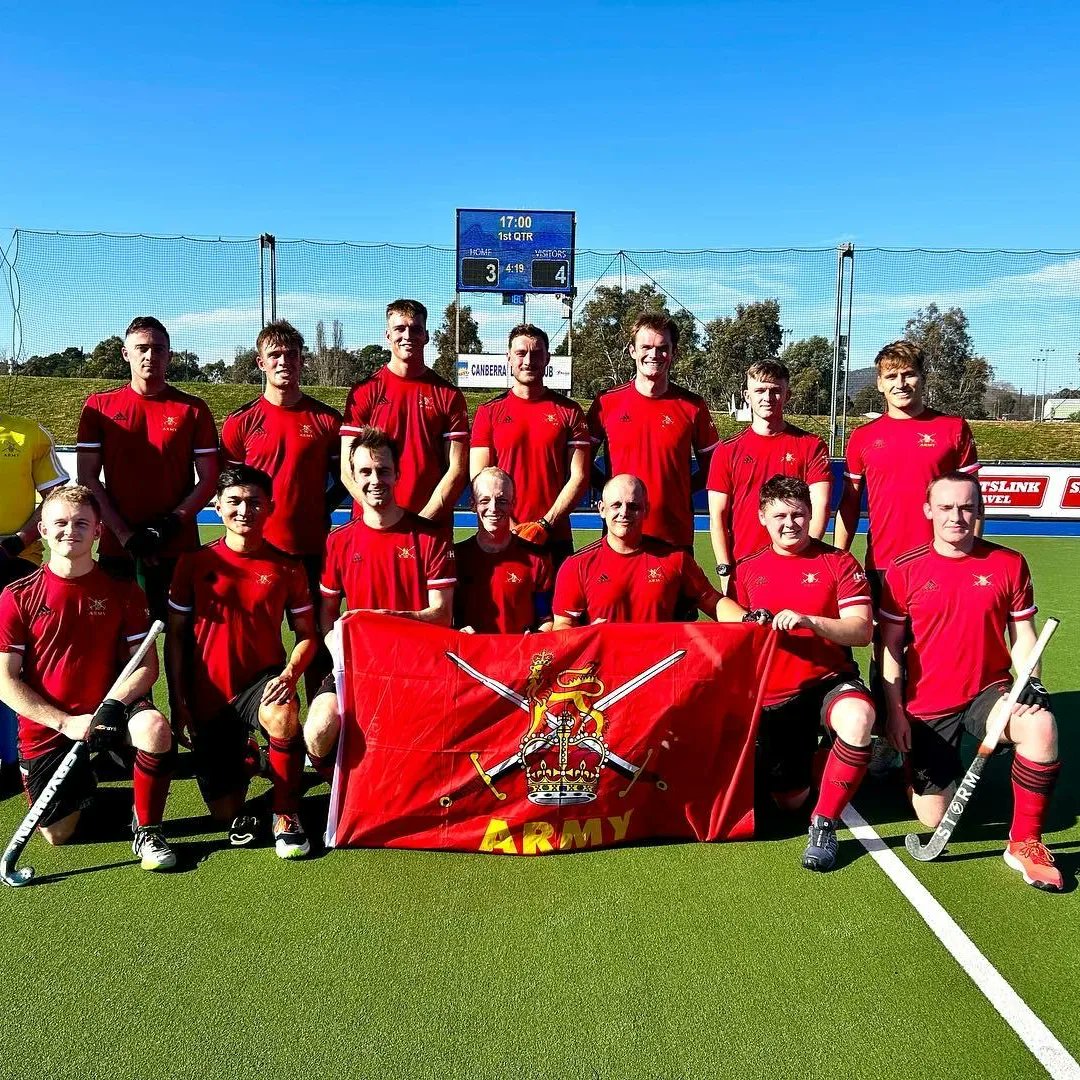
This week, The Australian Defence force hosted the British Army Hockey Team with two 16 Medical Regiment members being selected to play.
The series, last hosted in 2013, saw the ladies' team draw 2-2 and the men's team winning 4-3.
.@AirborneMedics were presented with Afghanistan Operational Service Medals in recognition of their efforts on #OpPITTING, the evacuation of 15,000 entitled people from Kabul in August 2021. 👏🎖️
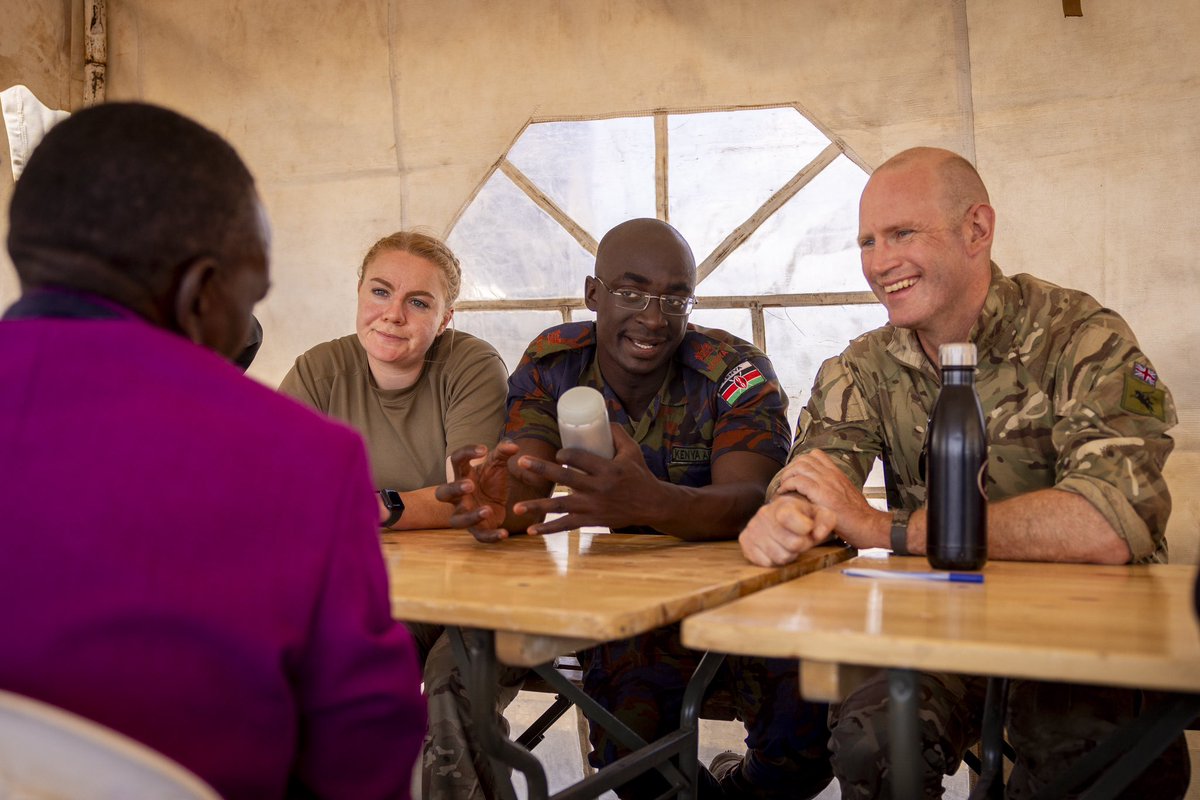
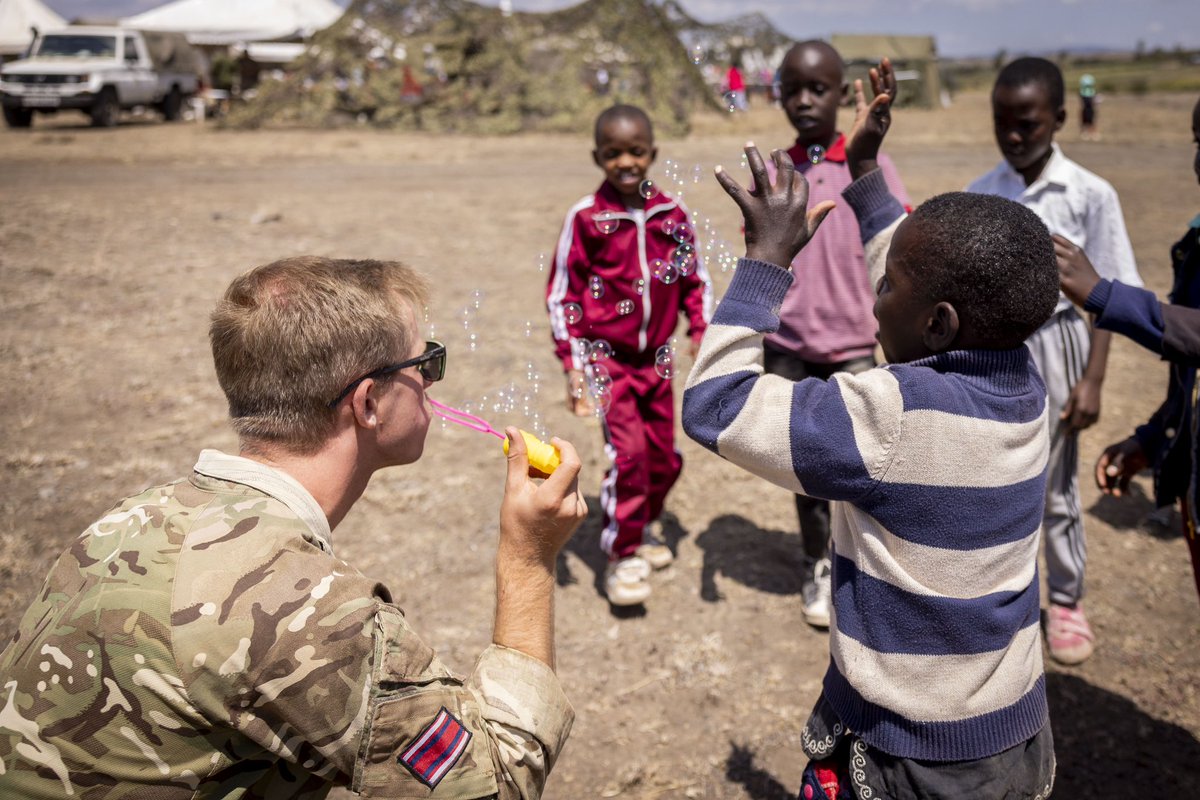
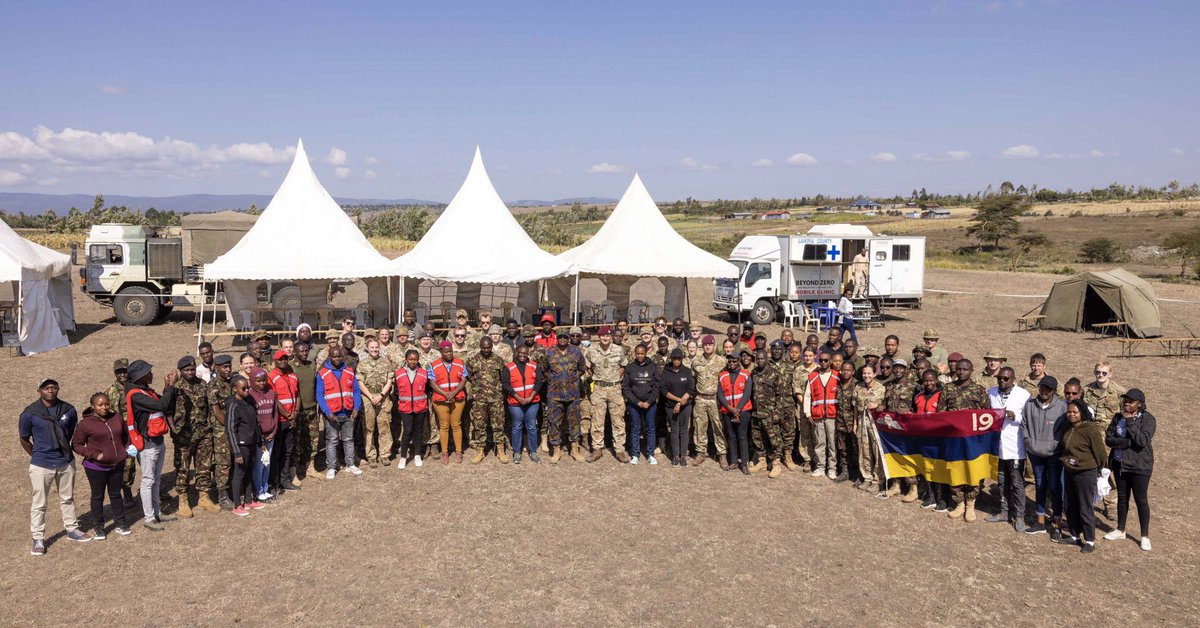
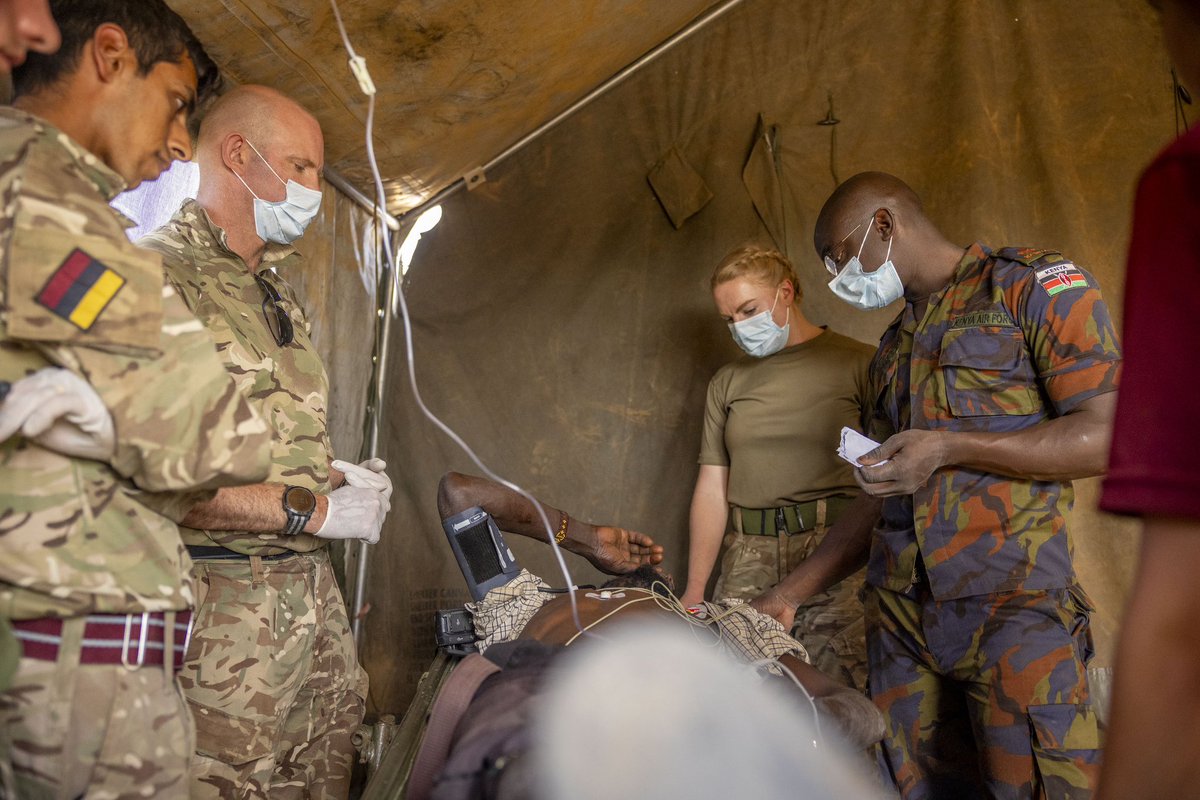
Soldiers from 19 Medical Squadron have driven 700 miles through the savannah in Kenya to run outreach clinics🩺
They've treated 7,500 people in 11 towns and villages as a thank you for hosting them on exercise.
Read more:
https://t.co/vB5EDX7QeB
#ArmyMedic#FindWhereYouBelong
On Exercise Haraka Serpent in Kenya🇰🇪 , @AirborneMedics have joined forces with Kenyan military and civilian medics to take their skills on the road to treat people in remote villages without regular healthcare facilities.
Read more: https://t.co/LNcu4ksRaS
16 Med at the Festival of Sport!
Soldiers from 16 Med competed in all but two of the events over the three days, claiming 2 gold, 2 silver, and 3 bronze medals! 🥇🥈🥉
#16airassaultbrigade#airbornemedic
A really insightful article that must be shared around the @ArmyMedServices and wider @DMS_MilMed.
We learn from the past to assist in forecasting the future. The @MusMilMed is a great place to research Army and wider Integrated Military Healthcare Systems. Checking it out …