@shastrika_guru I think you don't know that Khatris have been converted in large numbers. All the Sheikhs in Pakistan are Khatris. They also use Khatri tribes. Even today, there are people in the Salt Range.
عزيزي العربي
الشي الوحيد الي يخليك تسمع بخرافة ان الفرس اصحاب حضارة هو الإعلام الغربي المتحيز للإيرانيين لعدة اسباب:
1-خرافة الارية ومفادها ان الفرس اصلهم اوروبي وهم الي علموا الساميين الحضارة مع ان الفرس تبنوا ثقافة وابجدية عيلام وحضارات العراق بعد ما دمروه ولم يضيفوا شئ جديد
..
Was Sher Shah Suri Really an Ethnic Afghan or a Rajput?
Based on D. H. A. Kolff’s Naukar, Rajput, and Sepoy: The Ethnohistory of the Military Labour Market in Hindustan, 1450–1850 (1990), pp. 57–70.
Sher Shah Suri, founder of the Sur Empire, is traditionally described as an Afghan ruler. However, historian D. H. A. Kolff challenges the assumption that Afghan identity in medieval India necessarily represented a fixed ethnic ancestry.
Kolff presents several important observations:
1. Possible Rajput ancestry: Sher Shah's mother reportedly belonged to the Qaimkhani Rajput family, while Kolff also considers the possibility that his paternal grandfather was a Rajput.
2. Afghan identity could be acquired: Kolff explains that members of Hindu military communities could adopt Afghan or Pathan identity through conversion to Islam, military service, and incorporation into Afghan clans.
3. Strong Rajput connections: Sher Shah's father, Hasan Sur, served Rajput patrons. Sher Shah himself developed important military alliances with the Ujjainiya Rajputs of Bihar.
4. Rajput participation in his army: During the Battle of Surajgarh, approximately 2,000 Ujjainiya Rajputs fought alongside 3,000 selected Pathans in Sher Shah's forces, according to the account discussed by Kolff.
5. Military identity over ethnicity: Kolff argues that Sher Shah built his political authority through military recruitment, merit, alliances, and the distribution of wealth rather than exclusively through Afghan clan solidarity.
On page 57, Kolff raises a particularly significant question:
«"Afghans and Rajputs were not really exclusive or even distinct ethnic groups at all."»
He further explains that even if Sher Shah's grandfather was a Rajput, this would not necessarily prevent him from being recognized as an Afghan.
Conclusion
Kolff's research challenges the conventional portrayal of Sher Shah Suri as an unquestionably ethnic Afghan. His family's possible Rajput ancestry and the fluid nature of Afghan identity in medieval Hindustan suggest that being called Afghan did not necessarily establish Afghan ancestry.
Source: D. H. A. Kolff, Naukar, Rajput, and Sepoy (1990), pp. 57–70.
A free copy of the book is available through the following Telegram link:
https://t.co/4TYCxjVOno
The Jewish name Esther comes from Old Persian “stâra”, meaning “star” (“satâra” in Modern Persian, ستاره).
The original Hebrew name is “Hadassah (הֲדַסָּה), meaning “myrtle tree.”
The Iranian accent is “feminine” says the foreigner who’s never stepped foot in Iran.
This is both a South and North Khorasani accent and regardless of ethnicity whether East Iranian, Kurdish, Torkaman we all have a “harsher” tone. Iran is not a monolithic nation with 1 accent.
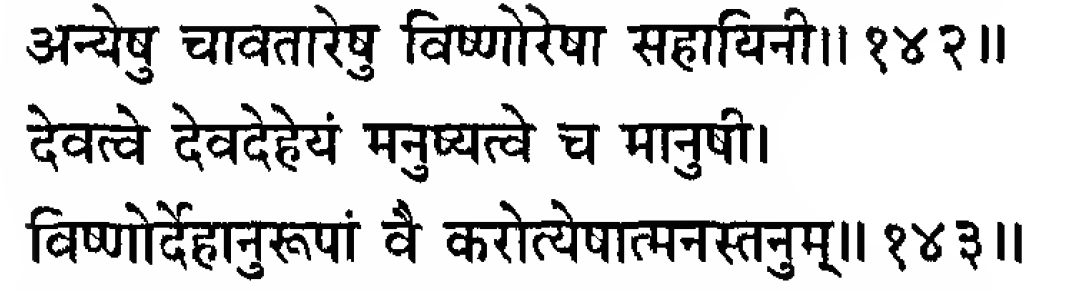
"She is the sahāyinī (companion) of Viṣṇu in all his forms. If he takes a celestial avatar, so does she. When he becomes a man, she becomes a woman. She moulds her own form to match the rūpa of Viṣṇu."
Closest people to Ancient Vedic Arya people ☀️
ANI proxy for Painted ware culture
Jat
Tajik
Kamboj
Bhumihar
Khatri/Arora
Tarkhan-Jangid
North Brahman
Pashtun
Baltic
Polish
Russian
Swedish
Lohana
NW Ahir
Rajput
Gurjar
ANI had zagros dna as well Brahmins mixed with some dasyus.
@NKc863729838216@VikramSinghluc@grok No she married to Son of Gurpal singh Sandhu, son law of Amrinder singh.
And my barber also identity him as Rajput. are you gonna accept him