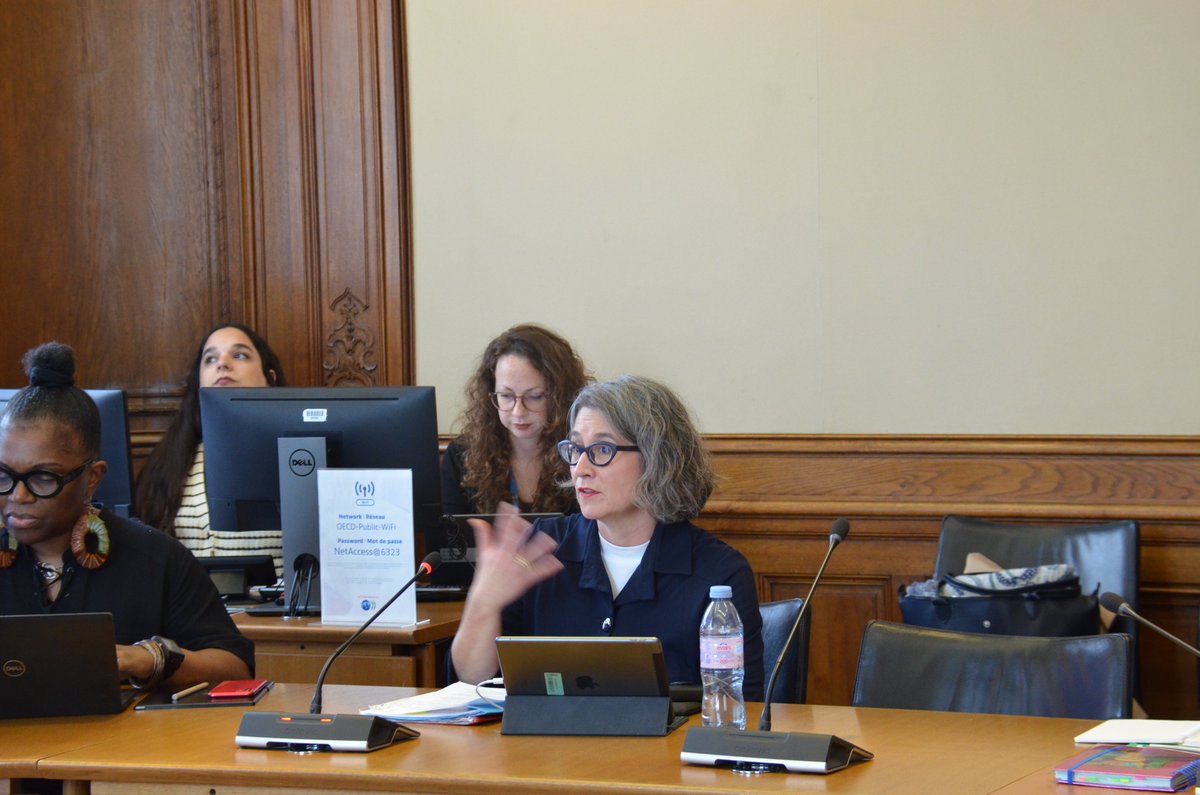
💬 @Akhmouch at #Urban7 in #Nancy:
"Climate risk is an economic shock, and it hits through real estate.
$111 trillion in OECD assets. Nearly 2x combined GDP. Fragmented data. No coordination.
Learn more📄https://t.co/V9JMcayyUg
💡Tree cover in large cities fell 72% between 1992 and 2018.
44% of cities' economic output is at risk from nature loss.
Our new Nature-Positive Cities framework helps policymakers integrate biodiversity into urban planning and investment.
NEW paper🔗https://t.co/BDP8ENEcWU
🤝At yesterday’s @OECD workshop on rural-urban connections, we built on lessons from the Latin American Rural Development Conference.
🔹 Measure linkages beyond borders
🔹 Align value creation & capture
🔹 Use #AI & innovation to connect places
🔗https://t.co/qSAd6JmMQz
🌎How are regions & cities responding to climate change?
The @OECD Climate Monitor tracks greenhouse gas emissions, hazards & vulnerabilities across 3,500 regions & 1,300+ cities. #ResilientPlaces
Use the web-tool here👇
https://t.co/NCoukiYXBO
24 of 27 EU countries have developed circular economy strategies, but progress is slow.
A circular economy approach – where resources are reused, repaired & recycled – could cut emissions by up to 70% by 2050 and reduce waste in cities.
Report🔗https://t.co/PYRtRP1ug3
The #OECD Council has today decided to renew the mandate of OECD Secretary-General @MathiasCormann for a second and final 5-year term from 1 June 2026.
🔗https://t.co/Jd3d0Kf7Xz
Le Conseil de l’#OCDE a décidé ce jour de prolonger dans ses fonctions le Secrétaire général de l’OCDE, M. @MathiasCormann, pour un second et dernier mandat de 5 ans à compter du 1er juin 2026.
🔗 https://t.co/LXw9kqhU6K
Average growth in @OECD countries has slowed to just 2% a year since 2000.
In my recent article on place-based policy for the @diplocourier I discuss industrial policy and how it can’t ignore local realities.
🔗 https://t.co/rSAzwdjUea
🌎How are regions & cities responding to climate change?
The @OECD Climate Monitor tracks greenhouse gas emissions, hazards & vulnerabilities across 3,500 regions & 1,300+ cities. #ResilientPlaces
Use the web-tool here👇
https://t.co/NCoukiYXBO
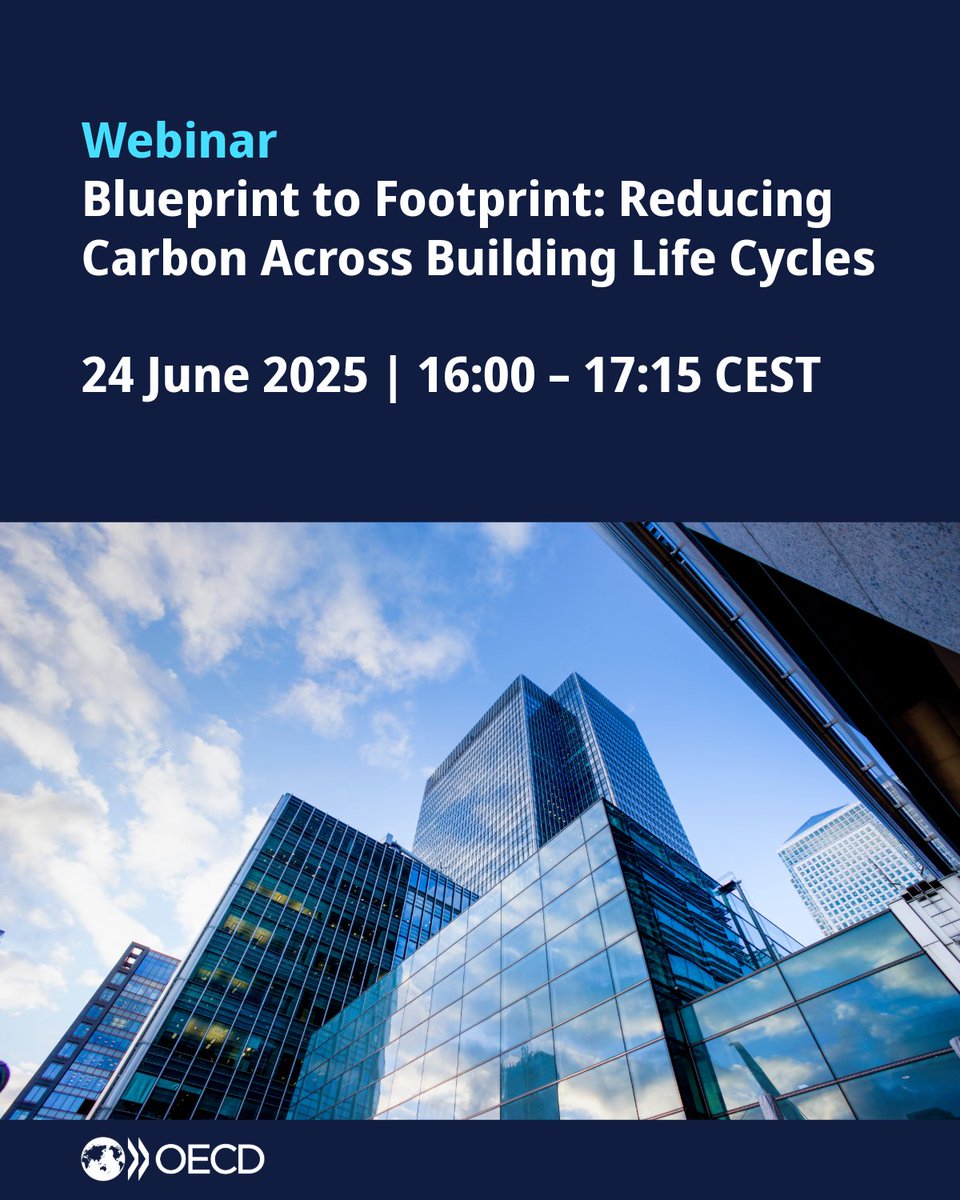
🏢With the #building sector responsible for 🔟 gigatonnes of CO₂ emissions annually, tackling embodied carbon is crucial.
Join us for our next webinar on Reducing #Carbon Across Building Life Cycles!
🗓️24 June
⏰16:00-17:15 CEST
➡️Register: https://t.co/WzymPR1aQg
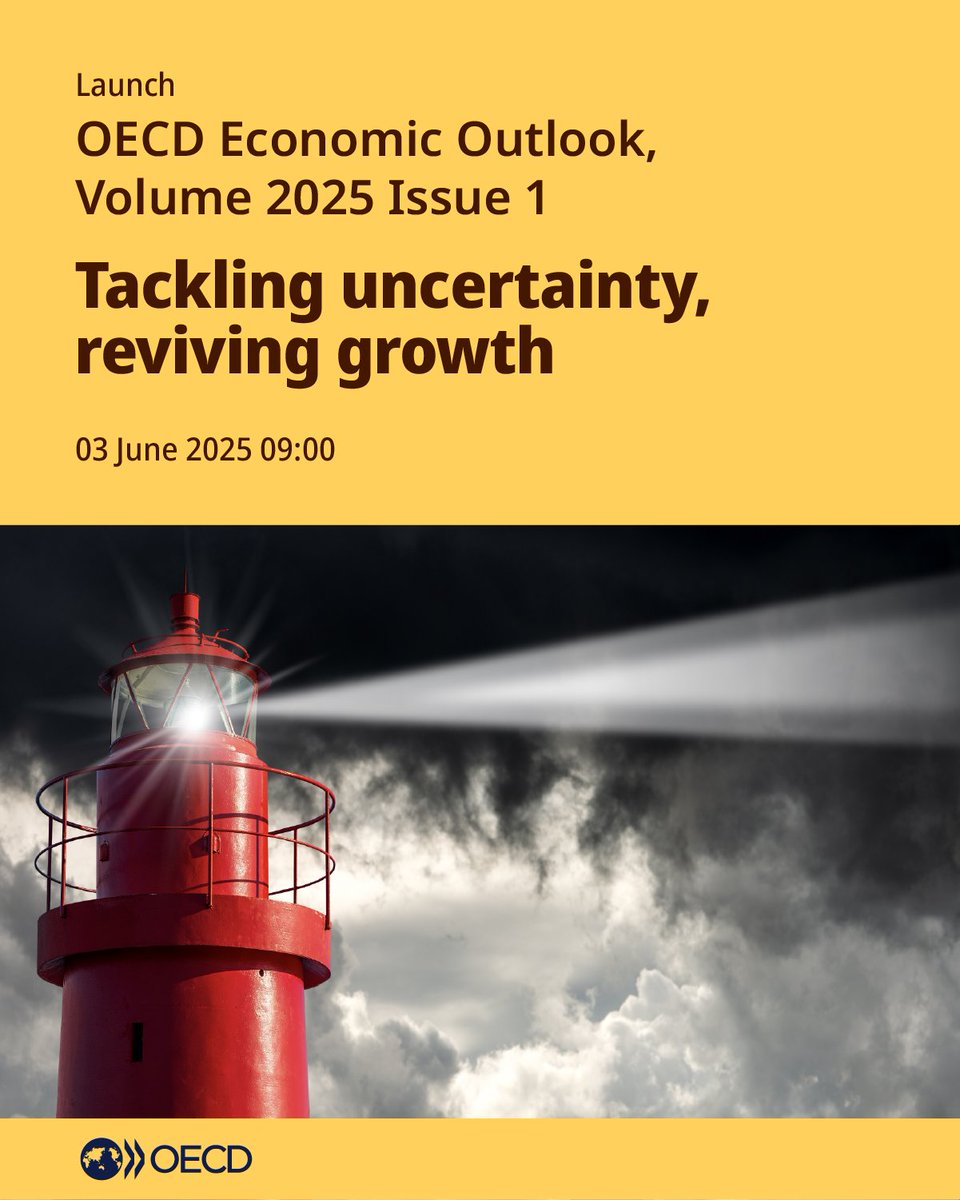
Global economic outlook revised down as trade policy uncertainty dampens growth.
OECD projections show GDP growth slowing from 3.3% in 2024 to 2.9% in 2025 and 2.9% in 2026.
The latest OECD #EconomicOutlook is out now: https://t.co/E20zTTAjLN
hello @Senat
"Nous, maires de petites et grandes villes soutenons la taxation des ultra-riches pour faire vivre nos territoires"
👇👇👇
https://t.co/Re1fO3GEiE
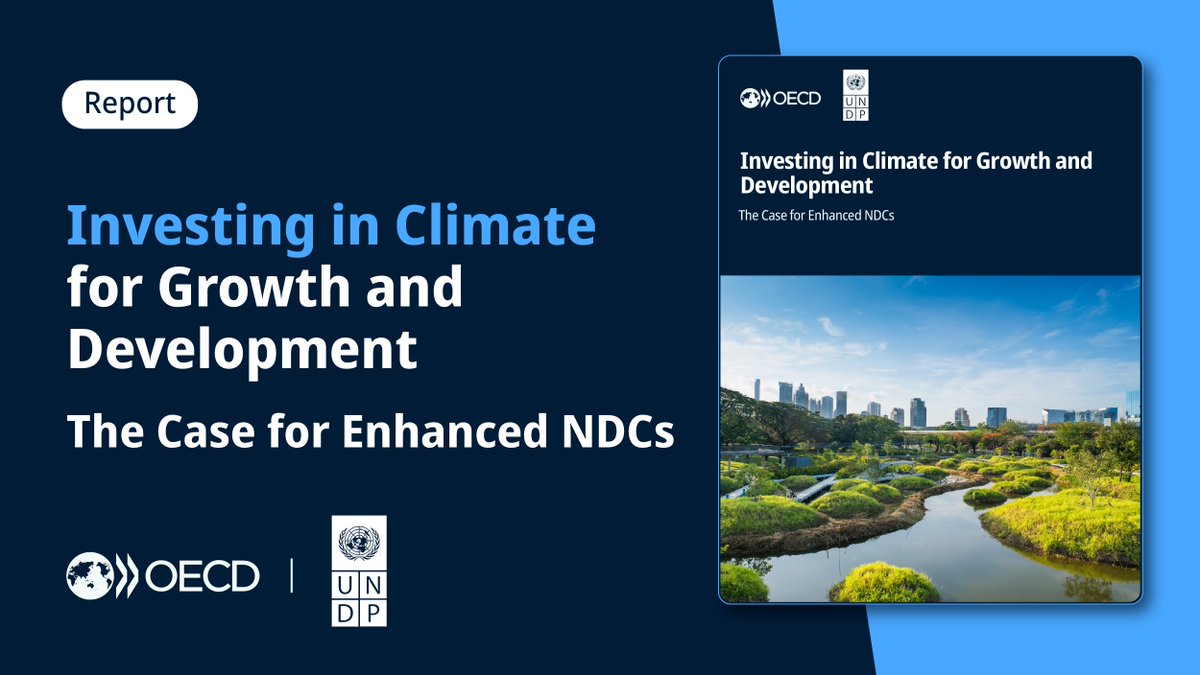
Well-designed #ClimatePolicies can deliver stronger #EconomicGrowth than the current policy trajectory.
Today, the @OECD & @UNDP published a new report on investing in climate for growth & development, highlighting why enhanced #NDCs make sense.
🔗 https://t.co/4Y6nMaoxSl
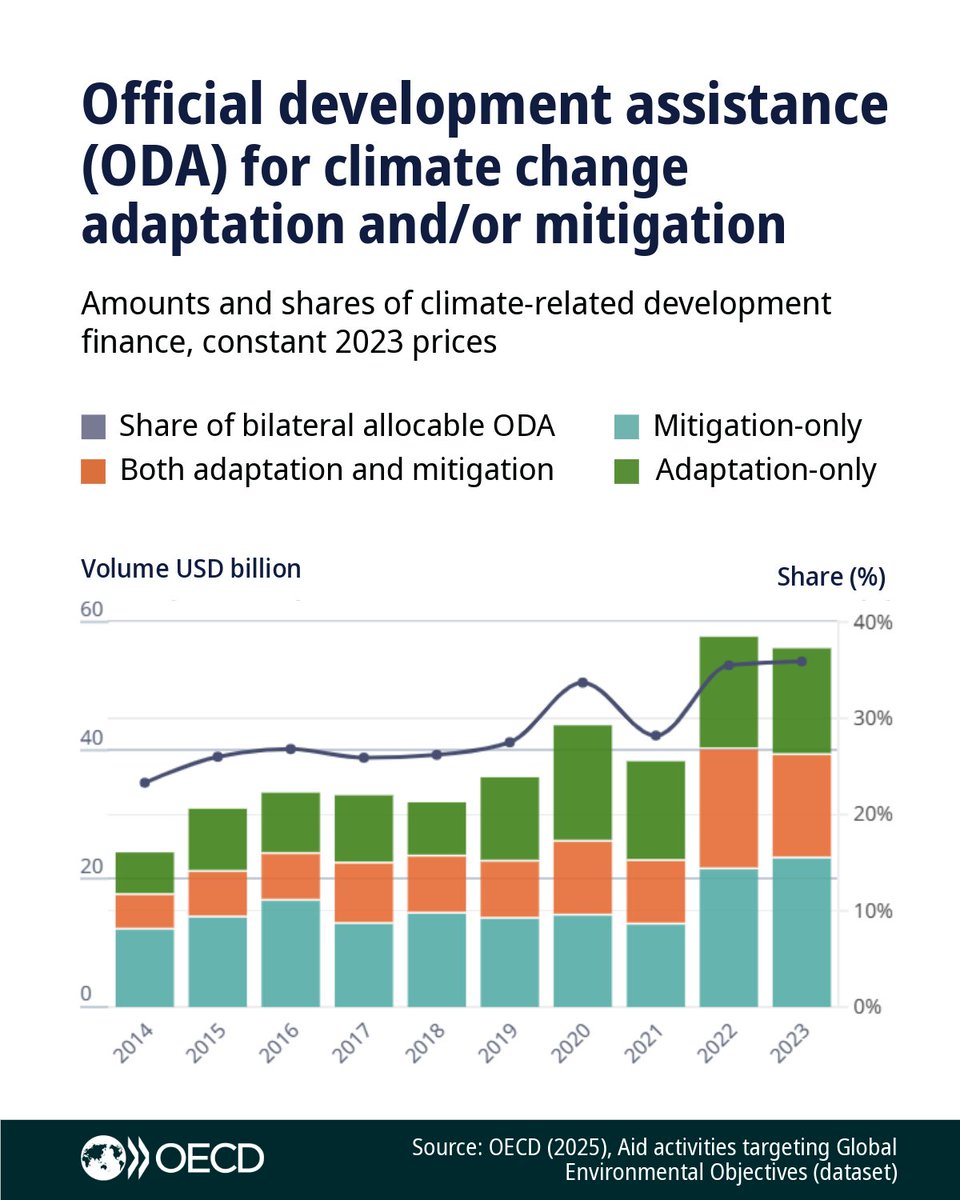
The latest OECD data show that in 2023, 36% of official development assistance (#ODA) included climate objectives — a historic share.
But the total ODA of USD 56 billion represented a decrease in absolute value, down from USD 58 billion in 2022.
🔗 https://t.co/9roCUvV4nJ
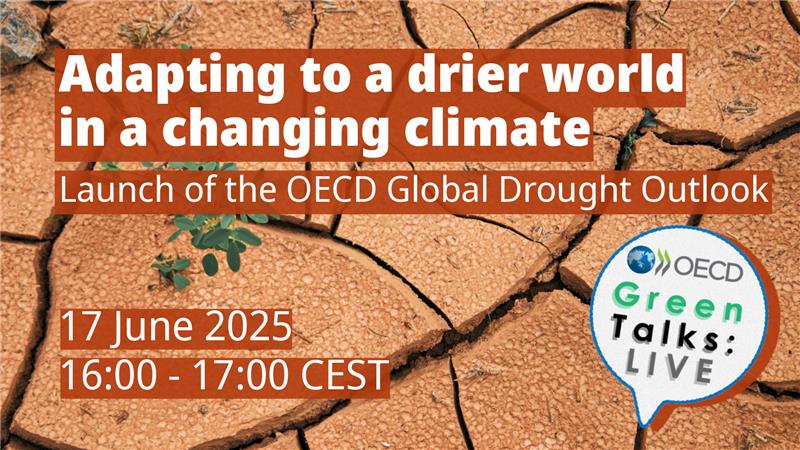
🌍How can governments strengthen drought resilience as climate change intensifies?
🗓️Join our @OECD#GreenTalks LIVE webinar on 17 June for expert insights & actionable recommendations from our new report, launching that day!
🔗 Register here➡️
https://t.co/vOWAg5QfFP
How can we build #cities and #neighbourhoods for all ages?
Building on the recently released @OECD report, join experts and high-level speakers on 6 June for our next webinar.
📅6 June 2025⏰10:00 (CET)📍Online
Register 🔗 https://t.co/QddJUN1Nux
Over 1/3rd of the world’s mismanaged #plastic waste entering the ocean comes from East and Southeast Asia.
How can policymakers scale up plastics policies?
Join our #UNOC3 event at 11:30 CEST on 6 June to discuss priority actions for implementation.
🔗 https://t.co/Vs3sj7HQaH
💡Tourism contributes 8–10% of global CO₂ emissions, with aviation alone responsible for 2.5%.
AI is beginning to offer tools to help reduce this impact.
@OECD experts Jane Stacey and Peter Haxton explore how AI can shape sustainable tourism.
🔗https://t.co/JOh2m1LGrE
New research from @CentreforCities, using data from The Data City, shows the UK’s cutting edge economy is becoming even more concentrated in city centres, especially in London and the Greater South East.
https://t.co/Hgyo6PiEyH