Good people of twitter, my mum needs your help to survive stroke!
Her life is on the line, & I am at my absolute breaking point. The darkness is trying to take over my mind. This sickness has drained everything in me 😩🙏
please support us with anything you have:
2152663894
UBA
1903 - THE MATCH GIRLS WITH ROTTING JAWS, LONDON 🇬🇧
Look at the young women's faces. Their jaws are swollen, rotting, glowing in the dark. They are teenagers — 14, 15, 16 years old. This disease was called "Phossy Jaw."
Their job was dipping matches into white phosphorus. White phosphorus is poison. Every day they breathed it. First their teeth fell out. Then their gums turned green and black. Then their entire jawbone rotted and had to be cut out by a doctor with no painkiller. Some died screaming.
The factory owners knew. They knew since 1880 that white phosphorus kills. But it was cheap. Safer red phosphorus cost 3 times more. So they kept using white.
These girls worked 14 hours, 6 days a week, for 4 shillings. If they talked, they were fined. If they dropped a match, they were beaten. Their faces glowed at night from the phosphorus — they called them "ghosts" on the streets of London.
In 1888, 1,400 of them went on strike. All teenagers. Led by a 16-year-old girl named Sarah Chapman. They marched to Parliament with their swollen faces and said: "We would rather starve than rot."
London was shocked. And finally, in 1908, Britain banned white phosphorus — because of these girls.
This was not medieval times. This was 1903 in London, the richest empire on earth.
#drthehistories
When Ghana Fought Portugal in Geneva, the Victory Was Angola & Mozambique's
1/ In 1962, Ghana went to war with Portugal on behalf of Angola and Mozambique. Not with soldiers, but with lawyers.
2/Under Portuguese colonial rule, African labourers in Angola and Mozambique were flogged with the palmatória, a holed wooden paddle, and forced into unpaid labour under the notorious indigenato system. The abuses were systematic.
3/ Kwame Nkrumah refused to look away. His Bureau of African Affairs, operating from Flagstaff House, took up the cause, making Ghana the legal voice of Portuguese Africa.
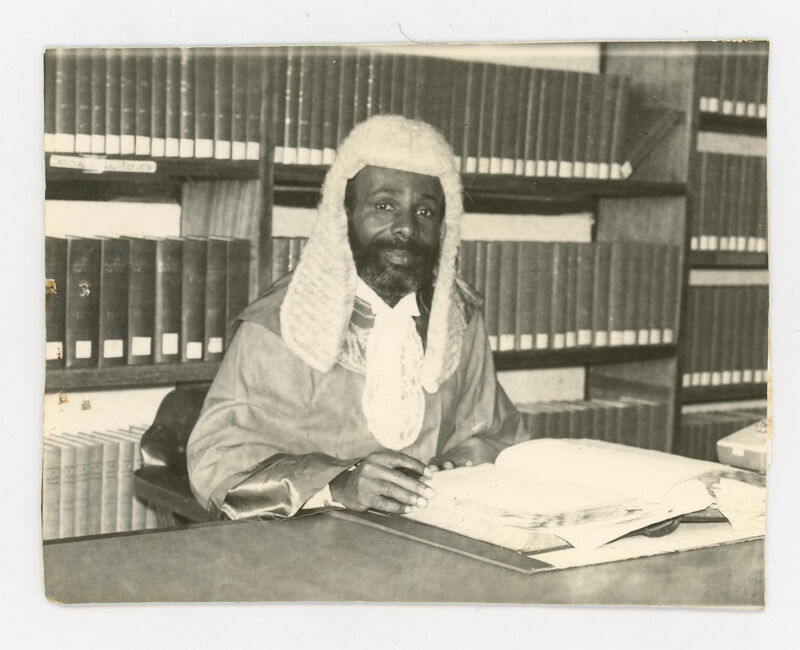
4/ Ghana assembled a formidable team. Government attorneys Austin Amissah, director of public prosecutions, and Adelaide Nana Woode, together with diplomat Major Seth Kobla Anthony, prepared to challenge Portugal before the world.
5/ In February 1962, Ghana brought Portugal before the Internation Labour Organization’s Commission of Inquiry in Geneva, accusing it of violating the Abolition of Forced Labour Convention (No. 105). Few expected a colonial power to be put on trial like this.
6/ Portugal denied everything. Then it tried to keep victims from testifying by offering scholarships and assimilado status (full Portuguese citizenship) to potential witnesses. Buying the voice of victims was Portugal’s strategy to win the legal battle.
7/ Ghana saw through it. Amissah and Anthony outmanoeuvred Portugal by recruiting a more balanced and credible group of witnesses.
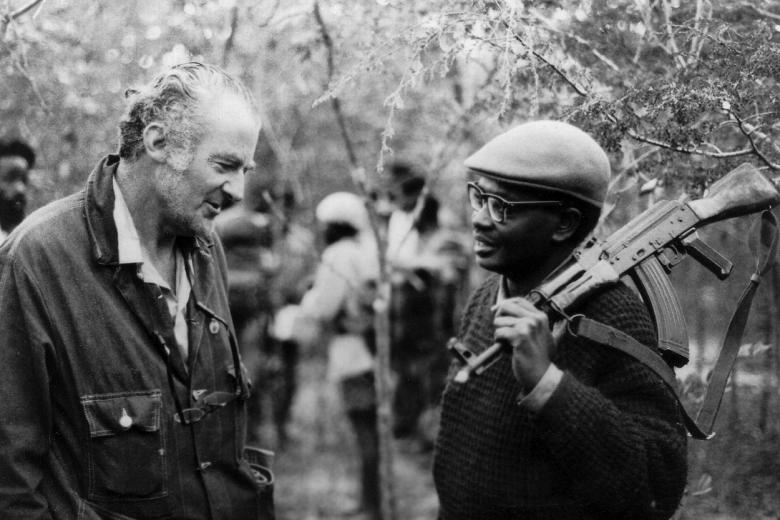
8/ They brought German and Irish Catholic priests, Angolan and Mozambican students living in exile, and renowned British Africanist & historian Basil Davidson, a white man who was listed as a "prohibited immigrant" in several white-ruled African countries. Davidson was the first reporter to travel with African guerrillas fighting the Portuguese in Angola and Guinea-Bissau, bringing their struggle to the world's attention. His firsthand knowledge of Portuguese Africa proved invaluable to Ghana's case.
9/ The evidence was overwhelming. Victims displayed torture scars. The palmatória itself was presented. Witnesses recounted what they had endured. Portugal's defence steadily collapsed.
10/ The Commission ruled that Portugal had violated the Abolition of Forced Labour Convention in its African territories. It stopped short of calling Portugal's ratification a deliberate act of bad faith, but Ghana had won the case.
11/ The men behind the victory went on to remarkable careers. Austin Amissah later rise to become an appellate judge, then Attorney General, and eventually President of Botswana's Court of Appeal.
And as for Major Seth Kobla Anthony, his place in imperial military history had already been secured two decades earlier. Since 1942, he has held the singular honour of being the first Black African commissioned as an officer in the British Army, despite the objections of racist critics. For leading British troops and teaching them jungle warfare in Burma during the Second World War, he was awarded an MBE.
12/ Unlike the sarcophagus of Tutankhamun, hidden and left to lie forgotten in a tomb in the Valley of the Kings, only to be discovered over 3,000 years later, may the memories of these Ghanaian gems be widely known and remain ever fresh.
Dr. K. Gyasi is widely credited with pioneering the use of the electric organ in Ghanaian guitar-band highlife..
In 1963, Ghana’s President, Dr. Kwame Nkrumah invited him and others to accompany him on official trips to the Soviet Bloc and North Africa to perform highlife music at diplomatic events and promote Ghanaian culture
Thank you for everything, Ebo Taylor. Largely under celebrated for his contributions to the Afrobeats sound - he was one of the pioneers of the genre.
Did good, changed the music scene when he got the chance and the musicians’ musician. Rest in peace ❤️
@deejayfaremi I don't think it's for Vini; I'm very sure he will renew, but Olise might not be attainable and could extend his contract with Bayern. For the first time in half a decade, we have the opportunity to invest in a right winger.