1/ We are very pleased to share our recent work just published in @CIDJournal to improve the management of infections caused by wild-type AmpC beta-lactamase-producing Enterobacterales.
@BleibtreuAlexa1
https://t.co/FD6SKpIQkZ
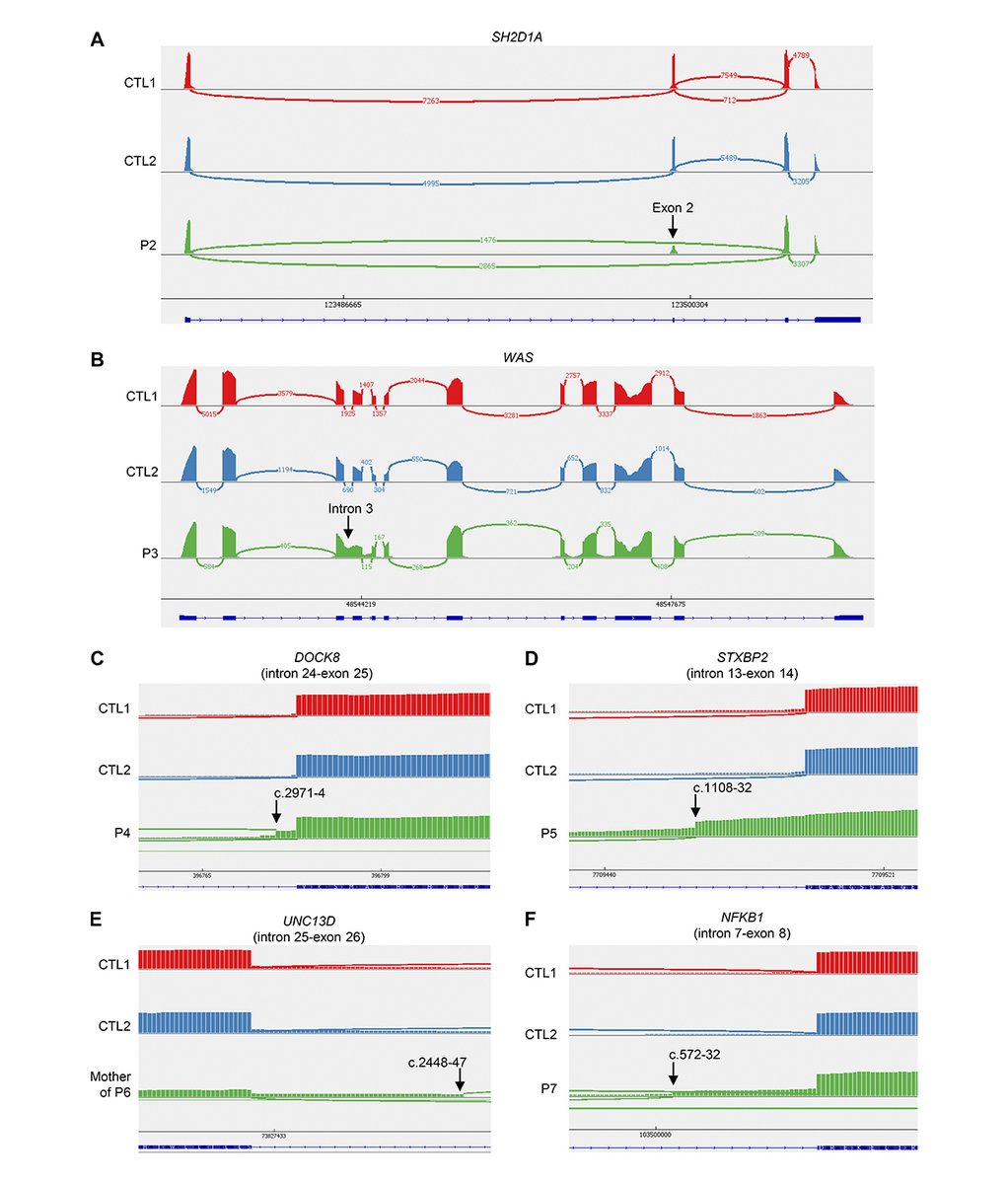
1/ Why do some genetic diseases remain unsolved even after whole-genome sequencing? The 5′UTR could hold the answer. In @AJHGNews, we present 5ULTRA, a new computational method to decode how these variants affect protein translation.
https://t.co/sE3sl9mrZZ
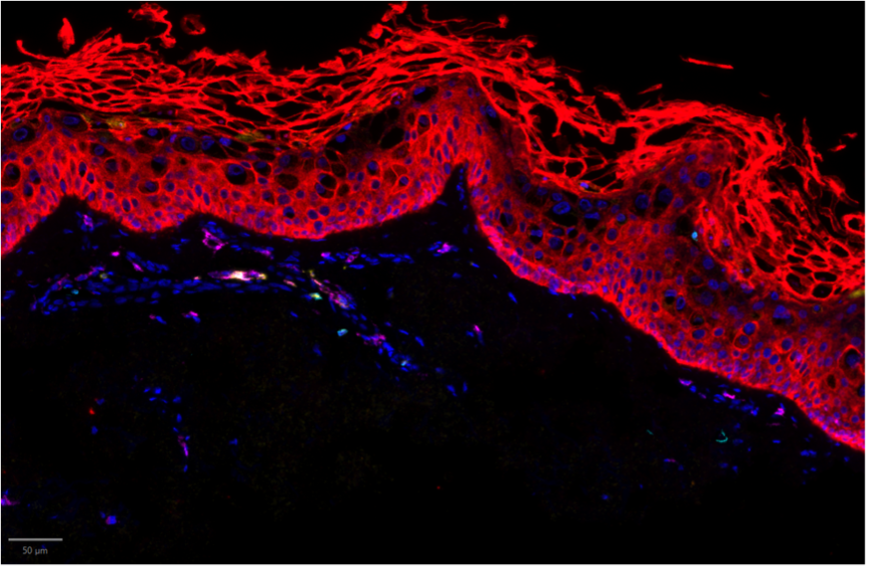
1/ We are excited to report in @SciImmunology that human complete and selective LFA-1 deficiency causes isolated Epidermodysplasia Verruciformis (EV). This surprising phenotype revealed a surprising mechanism 🙂https://t.co/fJ1QJ8JjBn
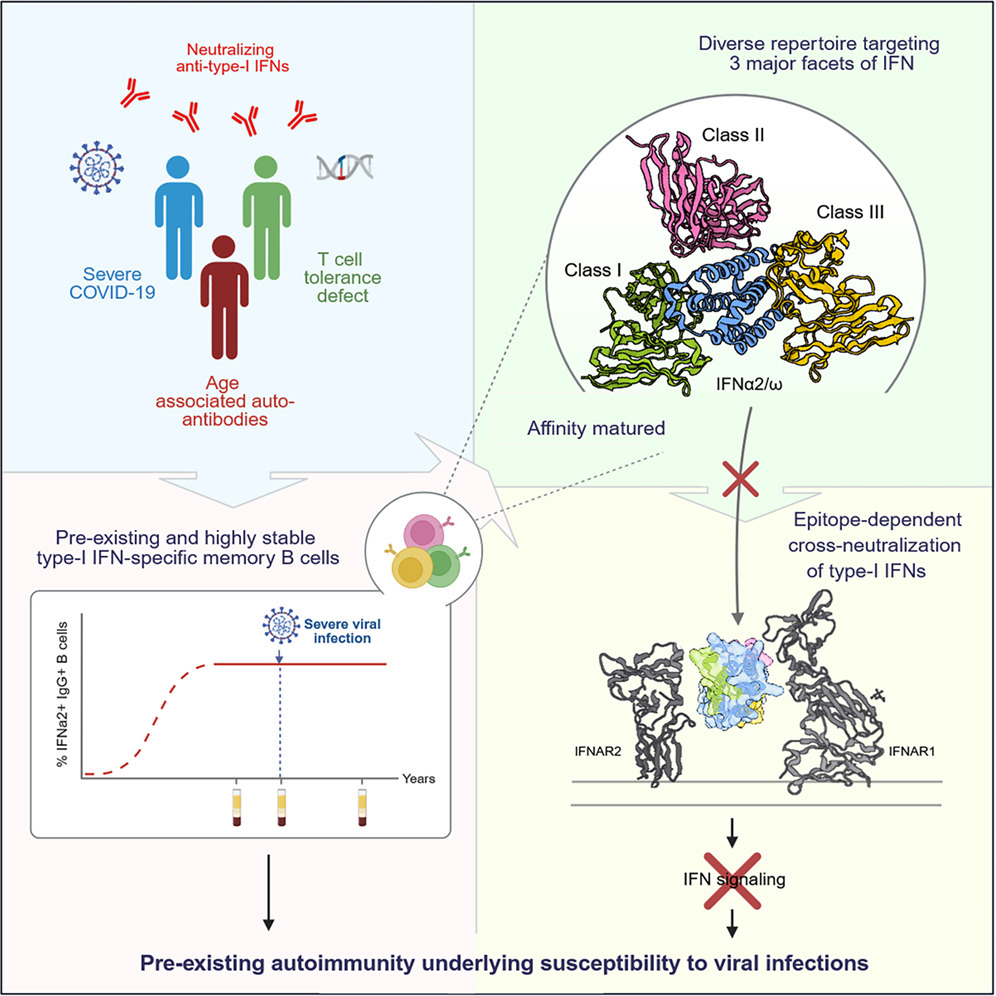
1/ We are excited to share our new report in @PNASNews: all three cases of encephalitis triggered by the live-attenuated chikungunya (CHIKV) vaccine (IXCHIQ®) are due to pre-existing autoantibodies neutralizing type I IFN (AAN-I-IFN) (https://t.co/bR7wlUpUdE).
This is the 2nd severe live-attenuated viral vaccine disease, the 7th Arbovirus related disease, and the 11th severe viral disease, caused by human type I IFN autoantibodies: chikungunya live-attenuated vaccine encephalitis | PNAS https://t.co/P2BcFdxH4h
Yet another reason to screen people over 65 years of age for type I IFN autoantibodies:
Type I IFN autoantibodies underlie chikungunya live-attenuated vaccine encephalitis | PNAS https://t.co/kNn5Nog8p3
Luciani, @BeziatV et al. report that patients with TAP1/TAP2 deficiency develop rubella-associated skin granulomas due to impaired HLA-I antigen presentation. Markedly elevated rubella IgG levels may support diagnosis when PCR is unavailable. https://t.co/Bij5neGJUw
Case report: an atypical postvaccinal encephalitis in a 60-year-old man, with radial perivascular enhancement consistent with inflammation of glial fibrillary acidic protein–rich white matter loci. https://t.co/AyEzugwpPn
Materna, @BeziatV et al. @institutimagine report children with complete TCRα deficiency, a lack of αβ T cells, & a severe condition. Previously characterized TCRα deficiency, which wasn't as severe as expected, was partial, as opposed to complete https://t.co/NM3i8zYyCB
1/ Thrilled to share our latest study from the GRRR-OH group on critically ill immunocompromised patients, led by @ElieAzoulay5, and just published in Intensive Care Medicine (@ICM).
https://t.co/N3QuEMLy2z
👇
@ElieAzoulay5@ICM 10/ 🙏 Grateful to @ElieAzoulay5 for his leadership, and to the entire GRRR-OH group and co-authors for their incredible work on this study.
📄 Published in @ICM: https://t.co/1NZAauC0cZ
Free link: https://t.co/N3QuEMLy2z