Hundreds of people show up for the funeral of a World War II veteran with no family in Massachusetts.
WWII Veteran John Bernard Arnold III, a 98-year-old living in East Bridgewater, was only 6 when his mother died. His father passed away when Arnold was in his 20s.
Arnold never married and never had kids.
The veteran planned his own funeral about 10 years ago, wanting people to know about his deep faith and his love for the United States.
By the time of his death, Arnold had no remaining blood family, but started a "new family" with his friends at the Garrison Veterans Home.
"He walked into the room and he lit up the room. No matter what you are going through, he always knew how to bring a smile, make you laugh," said caretaker, Hailey Munroe.
When information about his funeral was posted online, hundreds of people in the community decided to show up and honor his life.
"Nobody should have to go alone, I don’t care who you are," one attendee said.
Rest in peace, John.
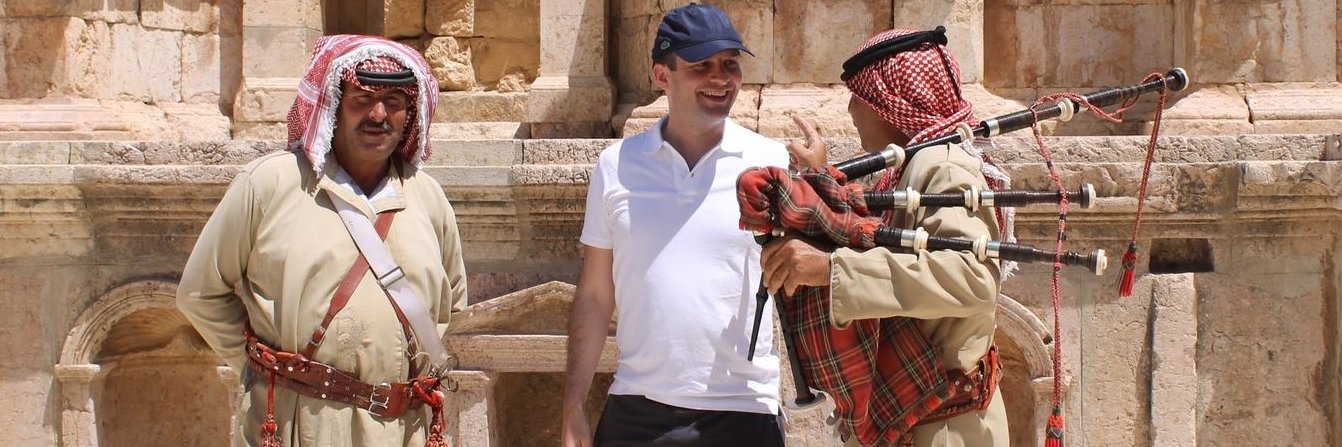
“I am a musician and the monkey is a businessman. He doesn't tell me what to play, and I don't tell him what to do with his money.”
THE RETURN OF THE PINK PANTHER (1975)
#PeterSellers#JohnBluthal#BlakeEdwards
The Corgi was the one leading them home
The German Shepherd was injured
The dogs kept a protective formation around the German Shepherd
The Corgi stopped often to make sure they were still okay
It took them 2 days to get home
They are neighbourhood friends
I’m going to cry😭😭😭
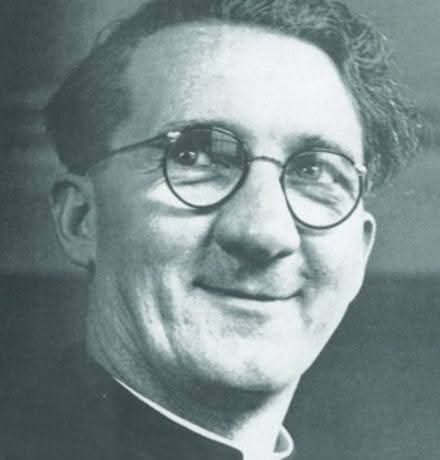
A Catholic priest used a vast underground network to save thousands of Jews, Allied prisoners, and anti-fascists from Nazi persecution during World War II.
Monsignor Hugh O'Flaherty (1898–1963) was an Irish Catholic priest and Vatican diplomat born in Kiskeam, Cork, and raised in Kerry. He rose through Vatican ranks, becoming a senior official in the Holy See. When Mussolini’s Italy fell in 1943 and the Nazis occupied Rome, he refused to stand by as they rounded up Jews and escaped Allied POWs.
Using his Vatican connections and diplomatic status, he arranged safe houses, forged documents, and smuggled people to safety using a network of priests, nuns, diplomats, and ordinary Italians. His dangerous efforts helped save about 6,500 people.
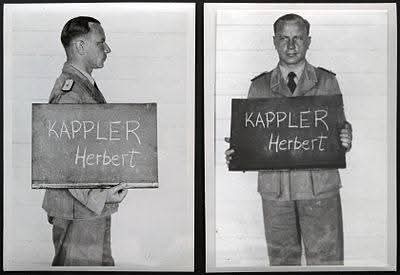
During this heroic mission he played a lethal game of a cat and mouse with the ruthless SS chief in Rome, Herbert Kappler. There was even a bounty on Irishmans head, forcing him to use clever disguises, secret signals, and Vatican immunity to evade capture. The Nazis even painted a white line at St. Peter’s Square to mark where they could arrest him...he never crossed it!
After the war, in an extraordinary act of forgiveness, O’Flaherty visited Kappler in prison and eventually converted him to Catholicism. He returned to Ireland in his later years and died in 1963.
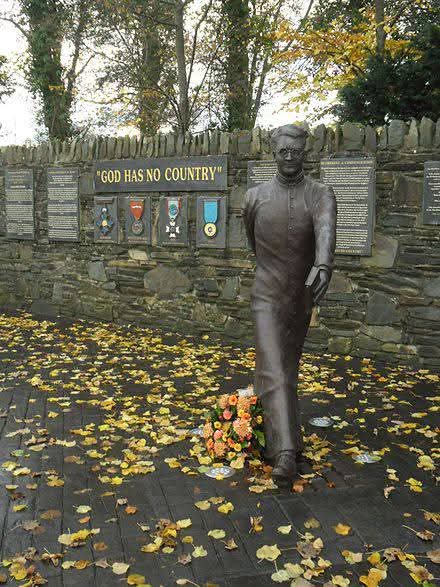
He is commemorated across the world, including a bronze statue in Killarney and the US Congressional Medal of Freedom. His heroism was immortalised in the Gregory Peck movie "The Scarlet and the Black" (1983)
Buy the Dublin Time Machine a pint and support the DTM Book https://t.co/U7jtCrOTtb
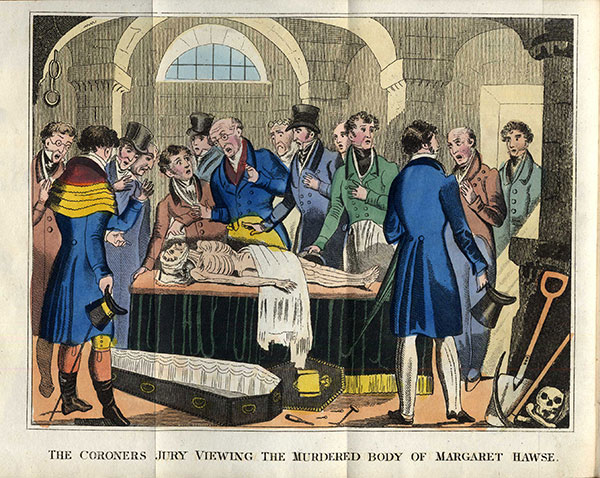
Dublin pubs functioned as morgues right up until the 20th century. This was the days before refrigerated mortuaries in hospitals or municipal body storage. And it was the law. Under the Coroner’s Act of 1846 any body found dead in suspicious, accidental, or unexplained circumstances had to be viewed by a coroner and jury before burial.
If there was no designated morgue nearby, and in most towns there was not, the body was to be brought to the nearest “suitable” building. The coldest and reasonably sterile place in almost any town was the pub cellar.
Stone-lined, underground, and designed to keep beer cool year-round. They were the logical place to slow decomposition better than any back room or cottage parlour. And publicans were legally obliged to accept the body. Refusal resulted in a fine of two pounds, a serious financial penalty at the time.
Second, publice houses had the space and access. Pubs had large rooms where juries could gather, witnesses could be examined, and the body could be formally viewed. Inquests were public affairs, and the pub was already the most public room in Ireland. The law didnt changed until the Coroners Act of 1962.
In a city like Dublin, with its docks and canals and beaches death by water was a sad reality. Drownings in the Liffey and Royal Canal, industrial accidents, market injuries and the inevitable sudden deaths in overcrowded tenements housing all required swift legal attention. Several pubs in particular became closely associated with this grim duty.
One was Hedigans, the Brian Boru in Glasnevin. Its proximity to the cemetery made it an obvious stopping point for bodies recovered from the Royal Canal or brought late for burial when cemetery gates were closed.
A more obvious place that needs no introduction was John Kavanagh’s, the Gravediggers. It functioned as a meeting place for coroners’ juries in the mid-nineteenth century.
Bodies found in the northern suburbs, particularly around Drumcondra and Phibsborough, were sometimes brought here for viewing before inquest.
A less talked about one is The City Arms on Prussia Street. Near the old Dublin Cattle Market and the dense working-class streets of Stoneybatter, the City Arms was well positioned for tragedy.
Market accidents were common, and the nearby North Union Workhouse generated a steady stream of unclaimed or unidentified dead. Contemporary accounts and coroner’s practices show the City Arms was routinely used to hold bodies awaiting identification or formal proceedings.
The practice reached its peak during the Easter Rising of 1916. With streets sealed off and turned in to warzones and hospitals overwhelmed, formal morgues were inaccessible. Bodies piled up across the city.
In the aftermath of the fighting, pubs near the GPO, North King Street, and other flashpoints were pressed into service as makeshift mortuaries. Civilians and combatants alike lay in back rooms and cellars until burials could be organised.