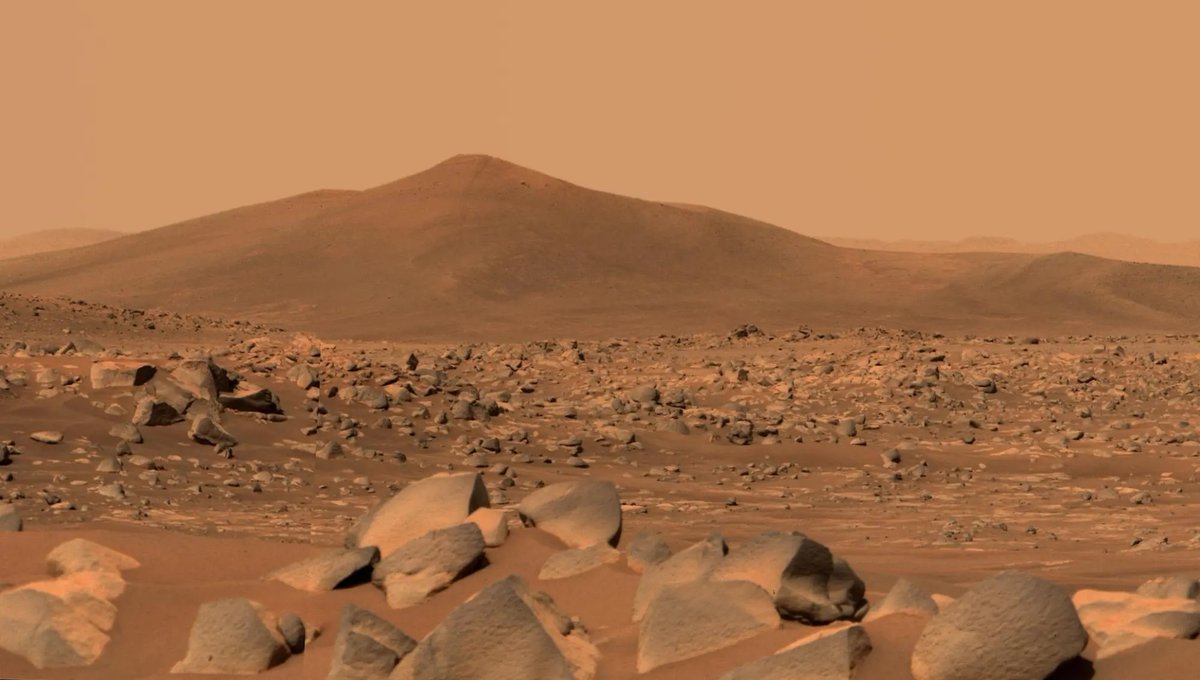
NASA is seeking industry collaboration for the Mars Telecommunications Network.
Reliable, high-bandwidth connectivity will enable future Red Planet explorers to send science data, imagery, and critical mission information to Earth. Learn more: https://t.co/MM4CfV8a9Q
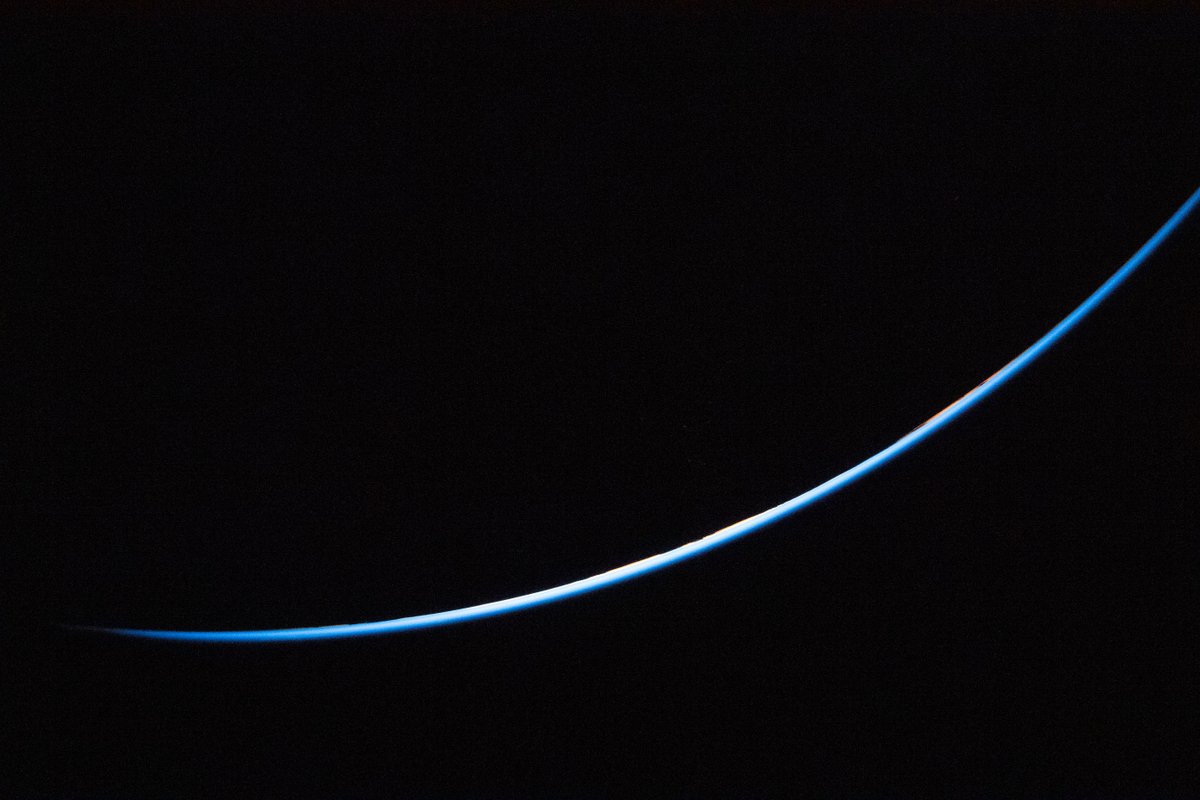
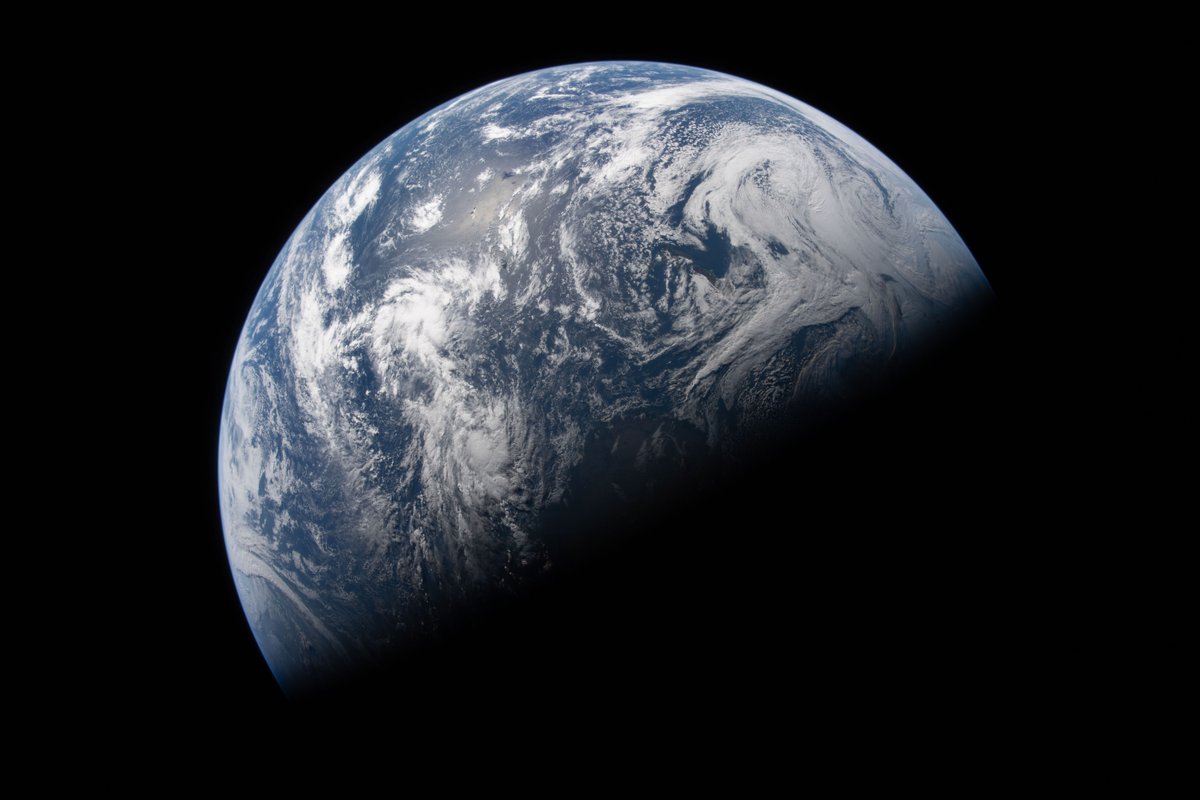
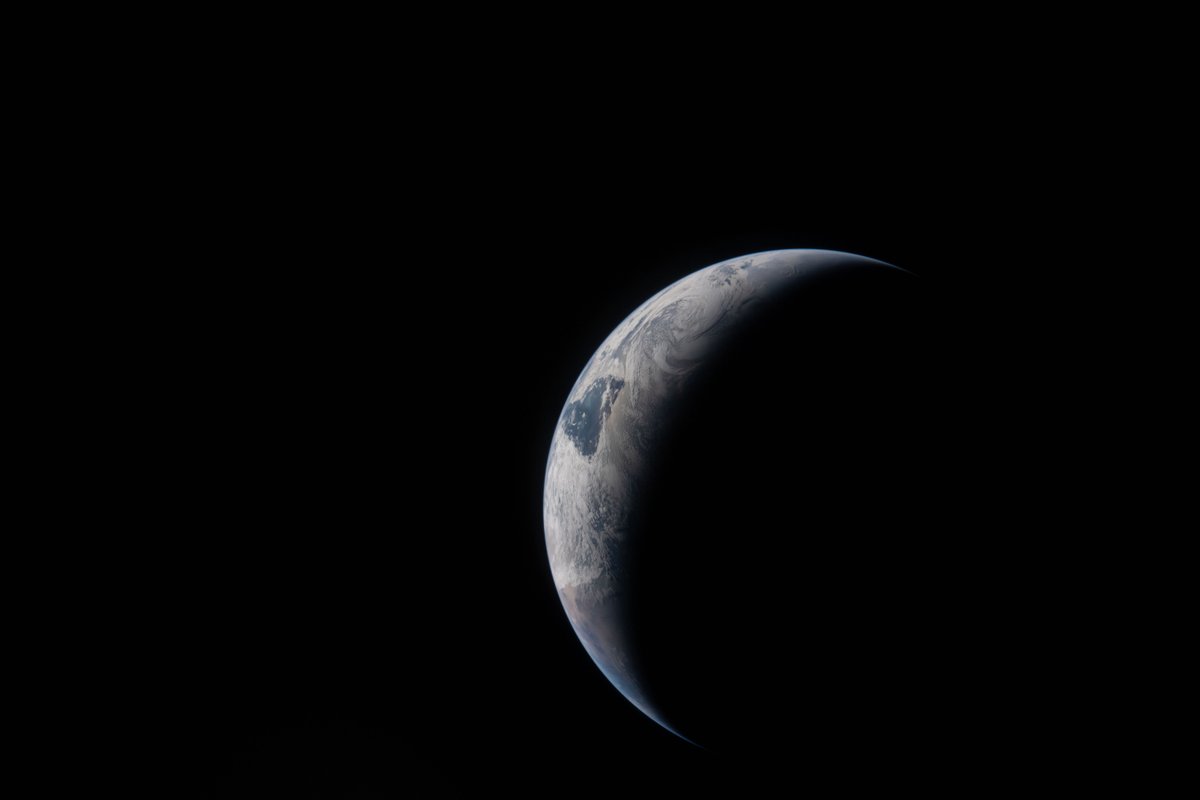
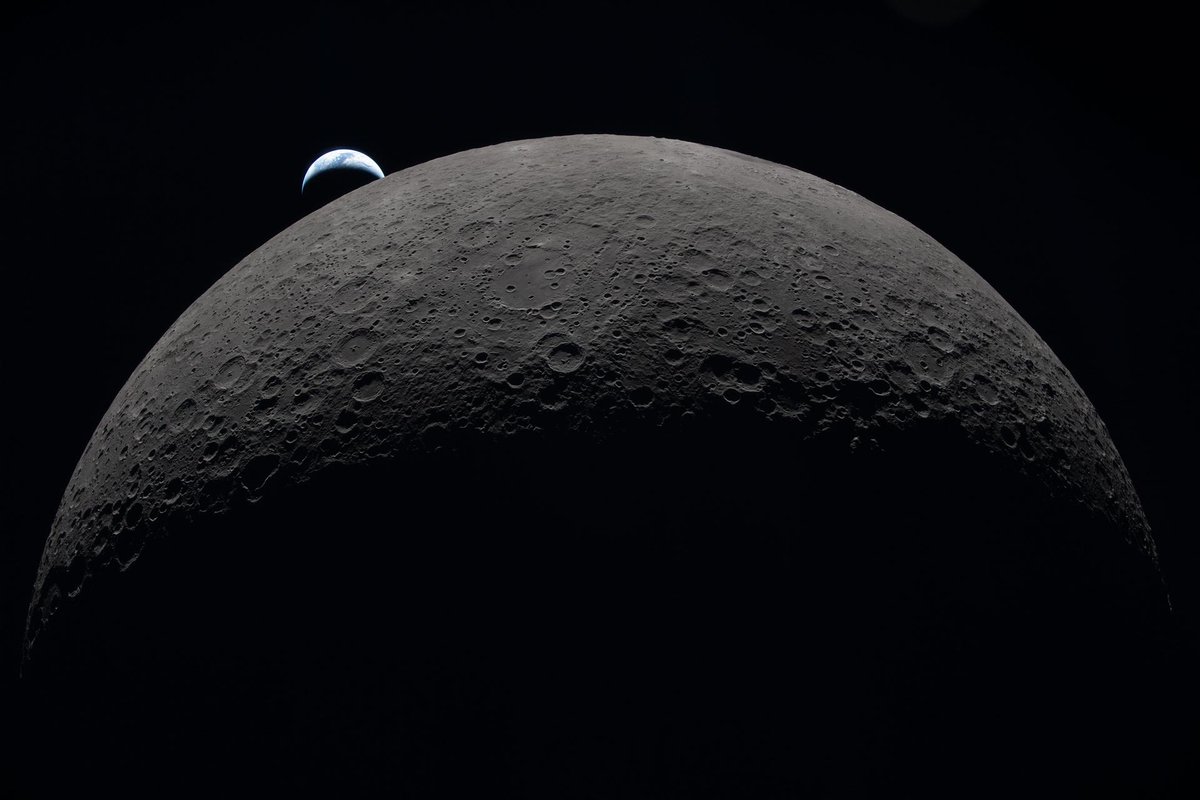
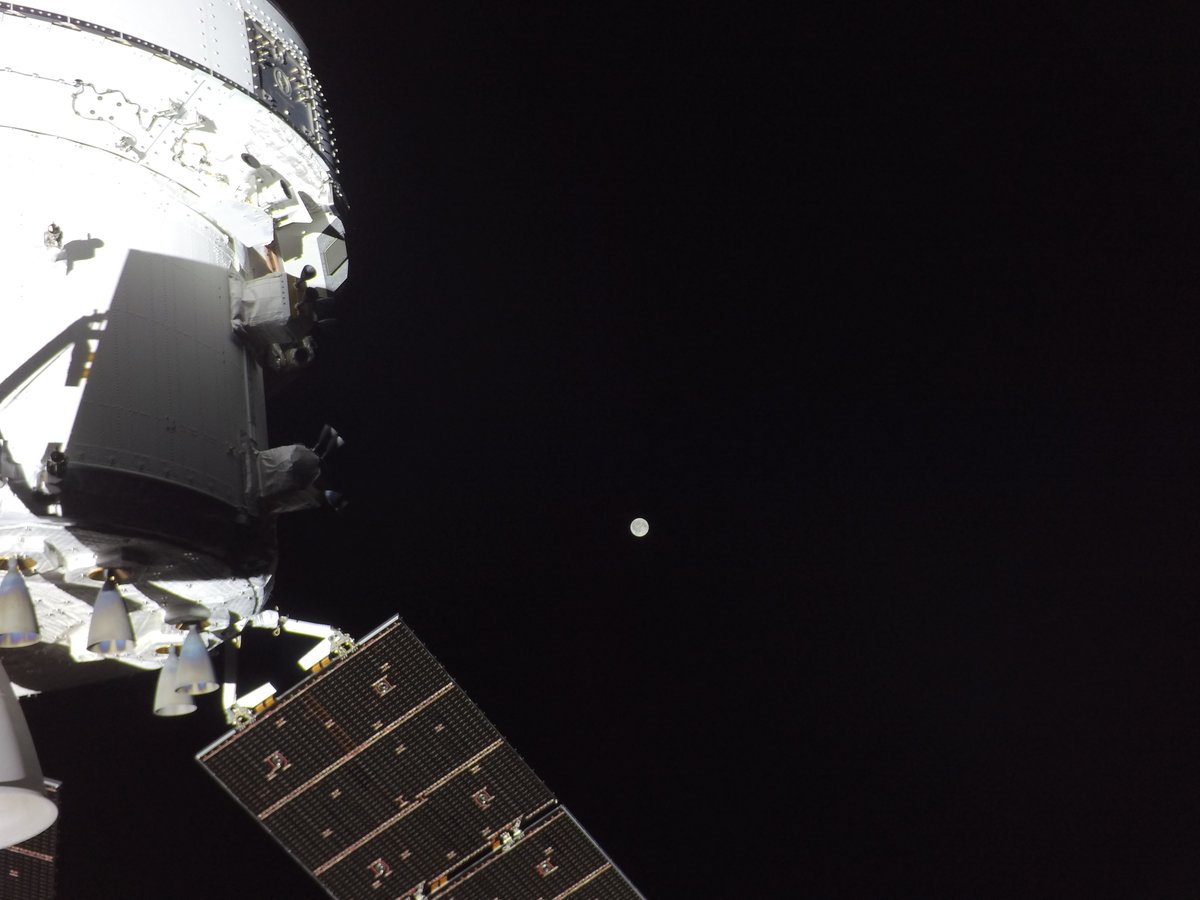
Start your week with some new photos from Artemis II!
Though our journey around the Moon has ended, we're still retrieving plenty of new images. Keep an eye on our Artemis II multimedia gallery for image highlights from the mission: https://t.co/XInWMJwMYY
What time zone do we use on the Moon?
As Artemis builds a long-term presence on the Moon, seamless communication between astronauts, rovers, and Mission Control is critical. Coordinated Lunar Time (LTC) will keep future missions in sync: https://t.co/yqSgzinVDh
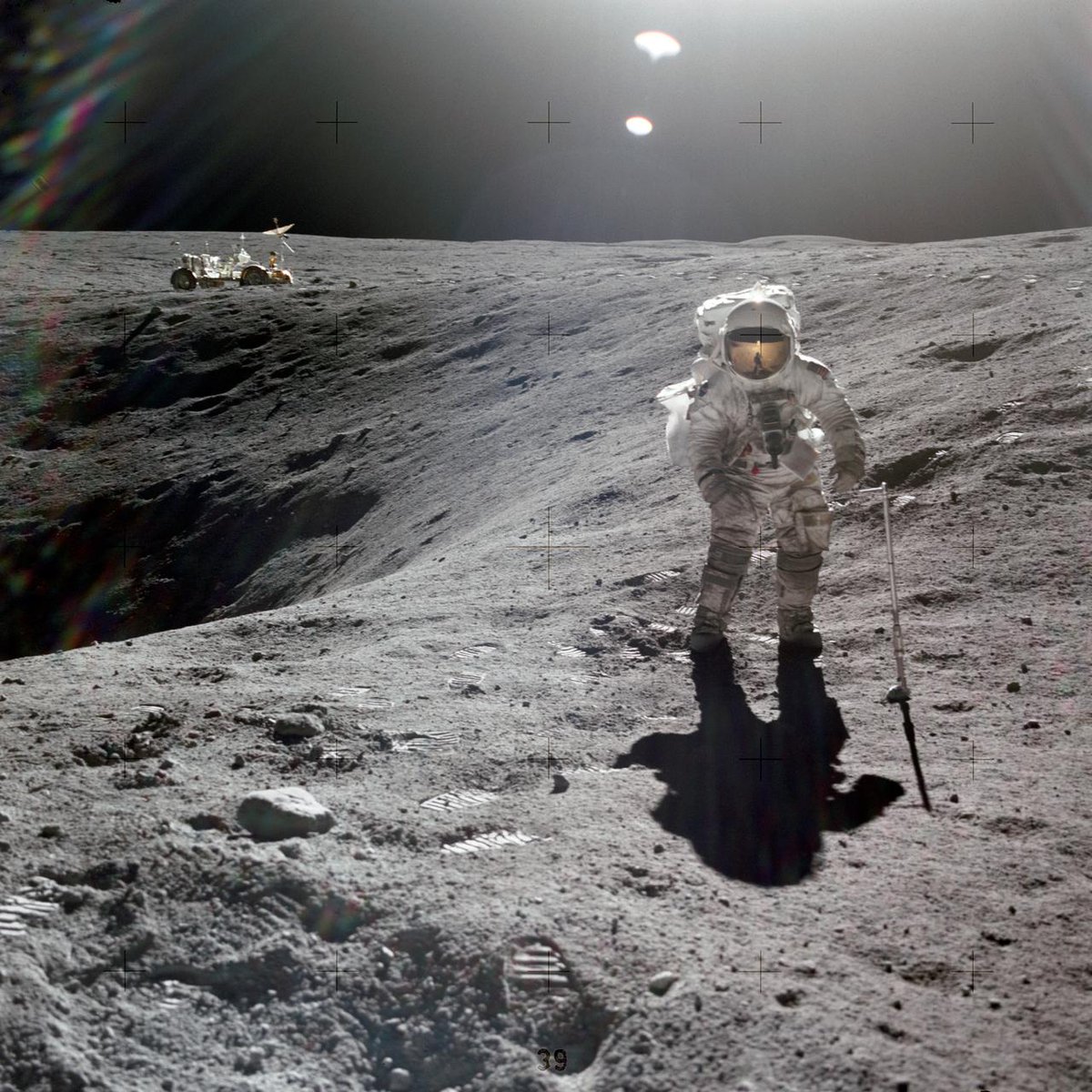
The Apollo 16 lunar module, named Orion, touched down on the Moon on this day in 1972.
With the help of the Lunar Roving Vehicle, seen on the far side of Plum crater in this photo, John Young and Charlie Duke (shown here) drove 16.6 miles (26.7 km) in the Moon's Descartes Highlands and collected 211 lbs (96 kg) of lunar samples.
To date, Duke is the youngest person to have walked on the lunar surface.
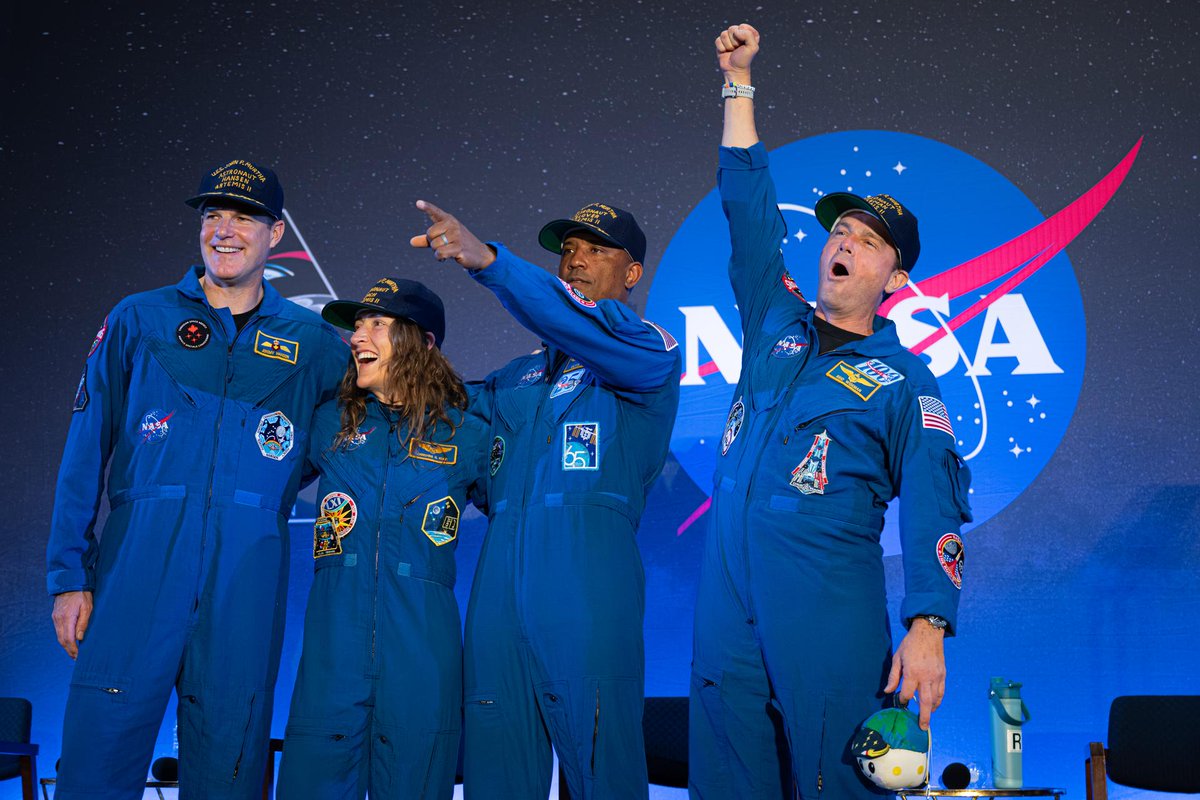
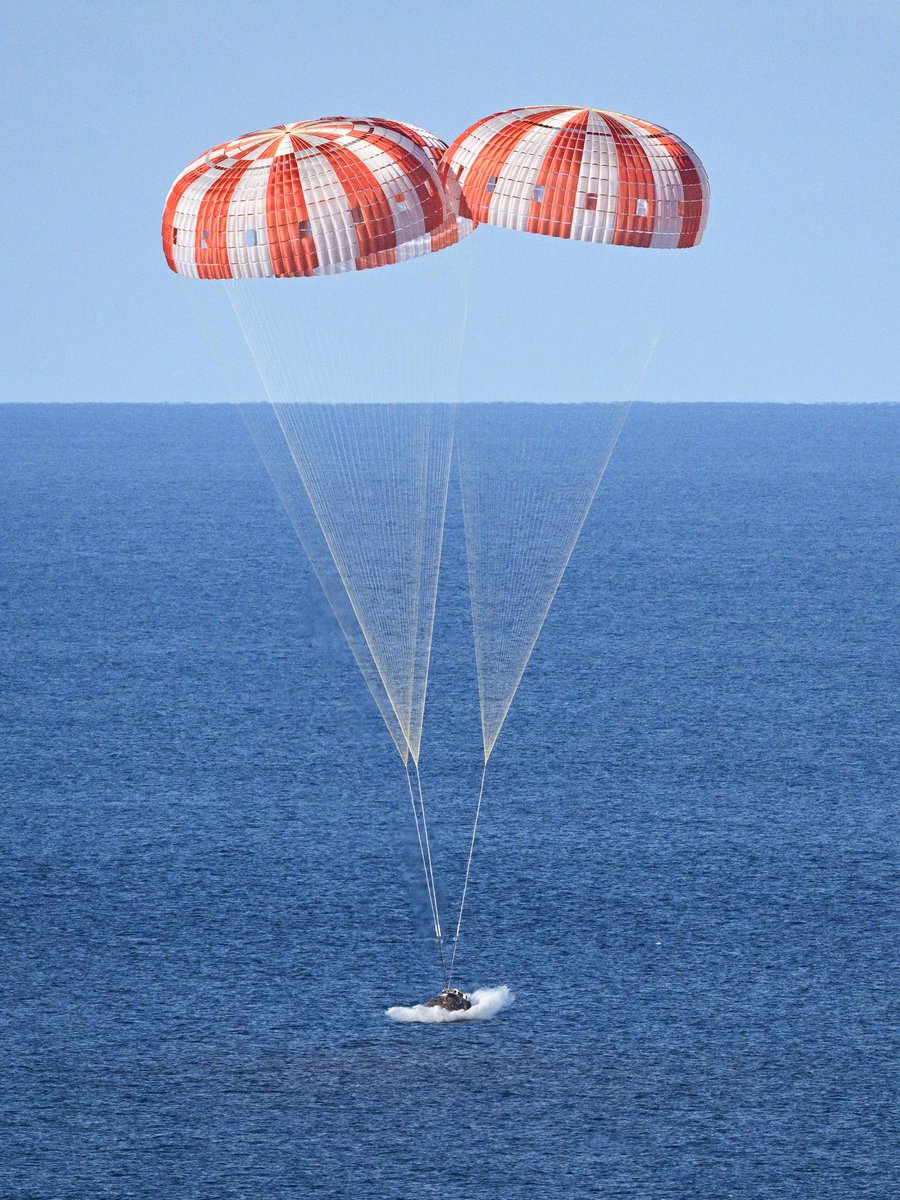
ICYMI (and seriously…how?): Artemis II just wrapped a lunar mission generations have waited for. 🌕🚀
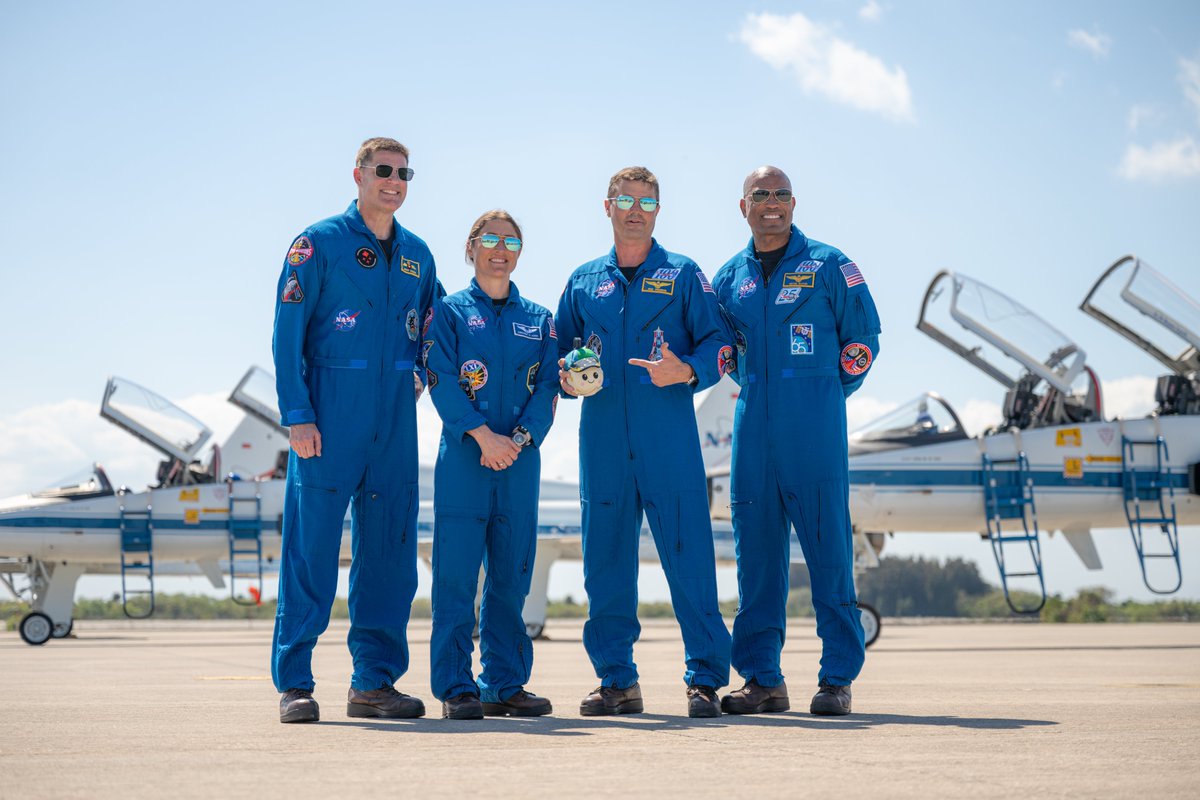
@NASArtemis launched April 1 at 6:35pm ET, when astronauts Reid Wiseman, Victor Glover, Christina Koch, and Jeremy Hansen began their 10‑day journey around the Moon. During their April 6 lunar flyby, the crew tested Orion’s systems in deep space and set a new human‑distance record at 252,756 miles. They splashed down April 10 at 8:07pm ET, becoming the first astronauts to return from lunar distance in more than 50 years. A major step toward the next giant leap.
We’re halfway there.
At the time of posting this, the Artemis II mission is about halfway to the Moon. When the astronauts arrive, they will conduct a lunar flyby and collect scientific observations of the Moon’s surface.
For the first time in over 50 years, humans are Moonbound.
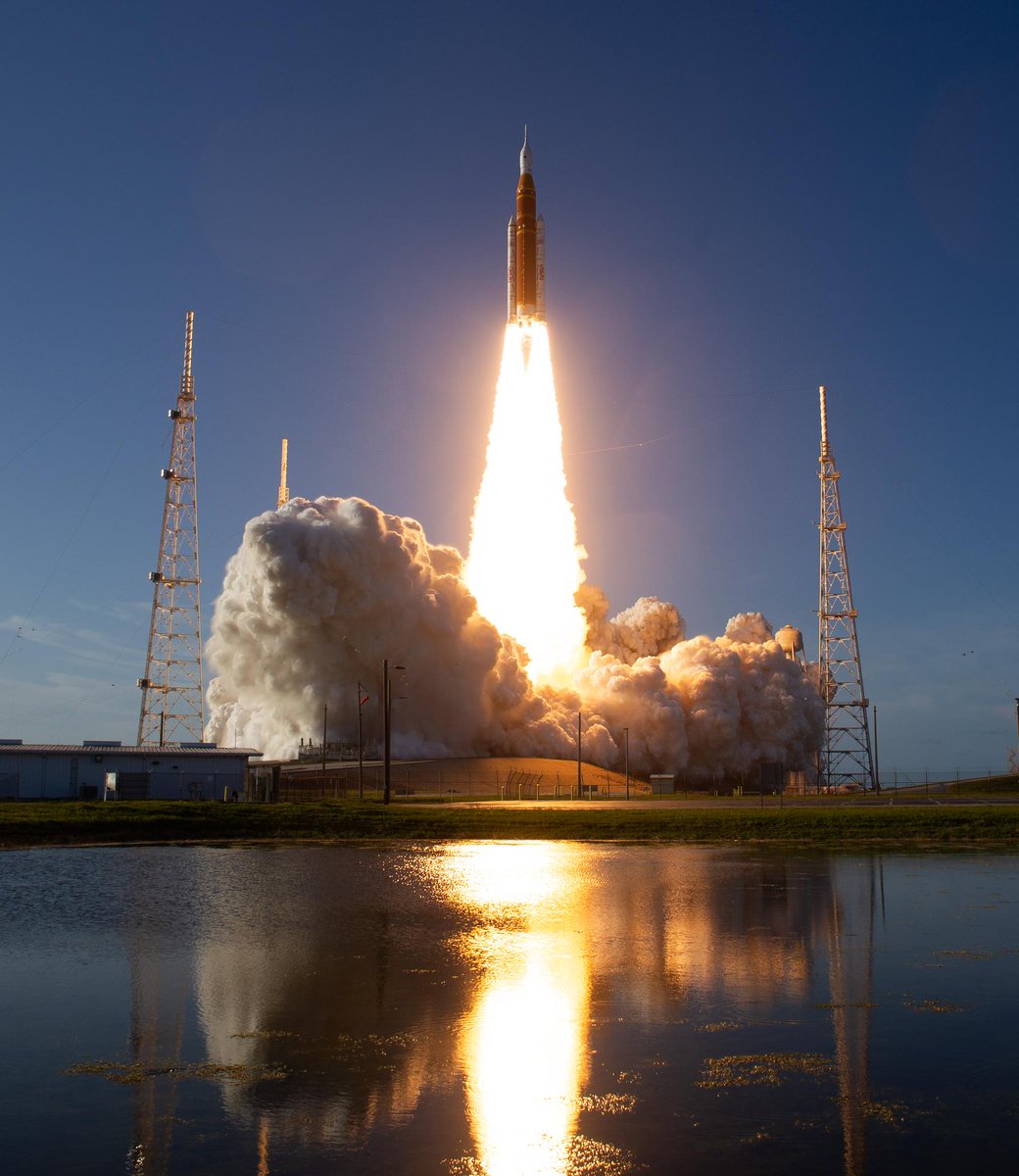
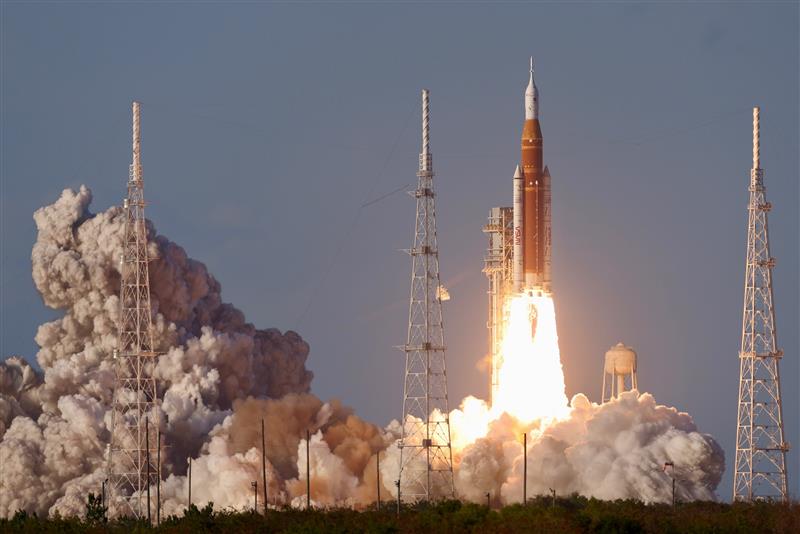
At 6:35 p.m. EDT (2235 UTC) NASA’s Space Launch System rocket and the Orion spacecraft lifted off from the agency’s Kennedy Space Center in Florida, sending four astronauts on a planned test flight around the Moon and back. https://t.co/0Q9ZB4IWVI
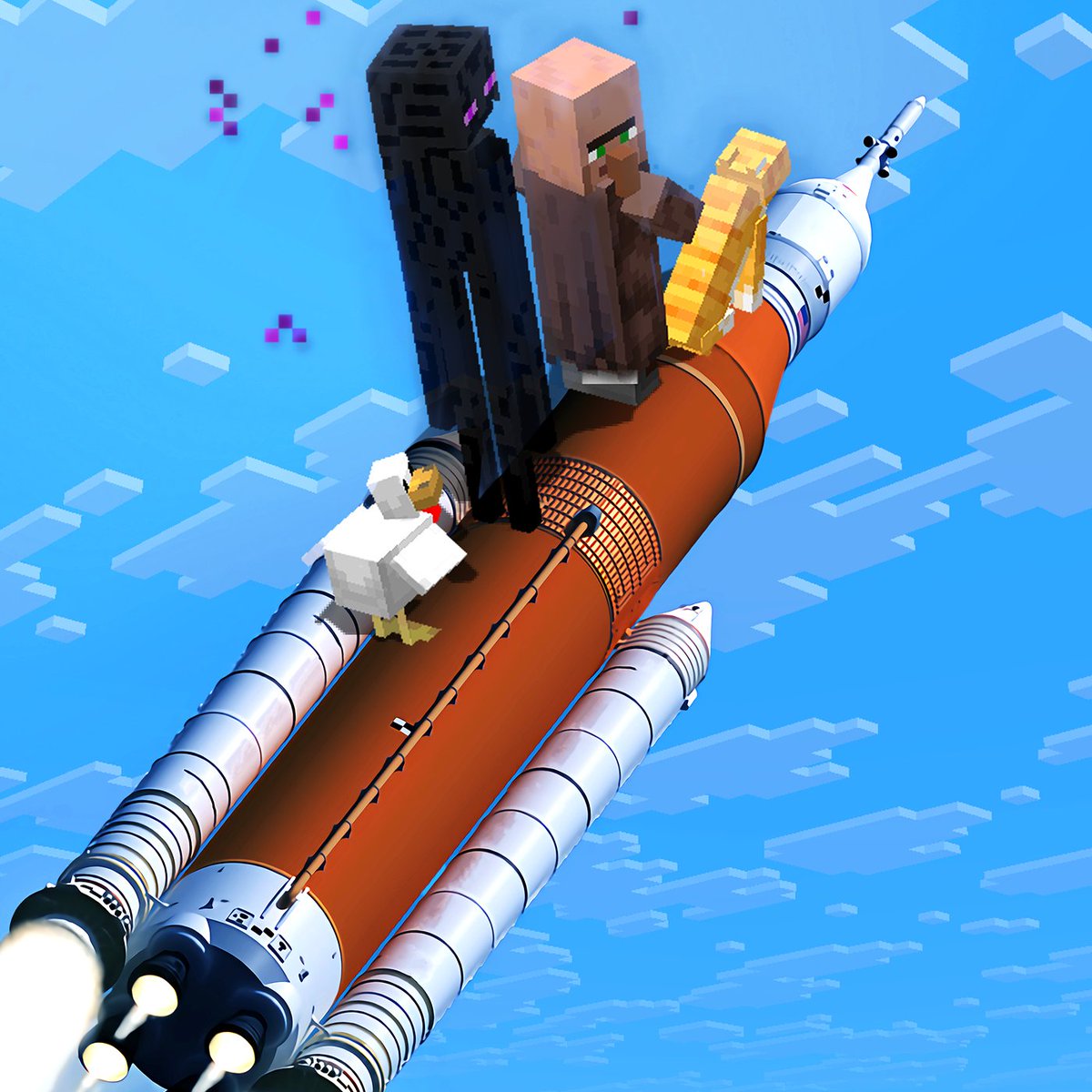
Hey @NASAArtemis, here’s our #NASAMoonCrew! 🚀🌕
Commander: Cat, never ruffled
Pilot: Enderman, knows how to travel the void
Mission Specialists: Villager & Chicken, deep thinkers
#ArtemisII#Artemis@NASA
I'm honestly SHOCKED at how the general public has NO IDEA Artemis II is taking humans out to the moon and will be the furthest humans have ever flown. Every non-space nerd I've talked to has no idea. WE GOTTA GET PEOPLE STOKED!!!! THESE FOUR HUMANS ARE FLYING TO THE MOON!!!