SCIENCE IS AMAZING!
Before my brother began his chemo, he banked his semen in case he found it difficult to conceive after the procedure.
In his final weeks, we discussed & initiated an IVF process. When he passed, the family decided to proceed with it.
Behold my first son.
🏴 Un père britannique a donné 20 % de son foie et 1,50 m d’intestin grêle à son fils de 6 ans, atteint d’une grave malformation congénitale. Pour être donneur, il a perdu 38 kg, a arrêté de fumer et de boire de l’alcool, avant une opération de 17 heures en janvier 2025. Un an et demi plus tard, le père et son fils se portent bien. 🦸♂👏 (Ouest-France)
📸 King's College Hospital
WHEN HUMANITY DIES ON OUR STREETS 😭🇺🇬
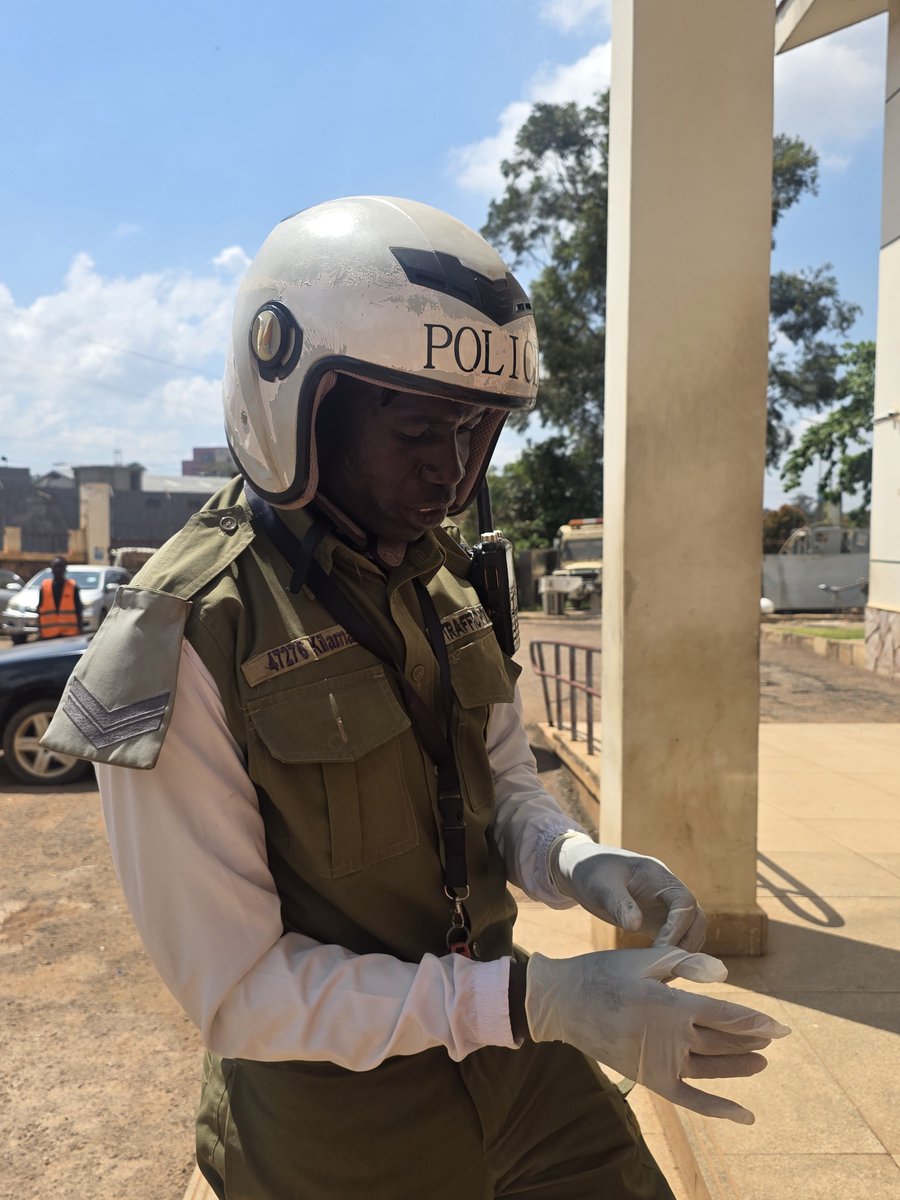
Earlier today, as I was driving towards MUBS Nakawa along the Nakawa car bonds, I was stopped by Traffic Officer Afande Kilema, attached to Jinja Police.
He kindly told me, “I have not stopped you for any traffic issue. Please look aside.”
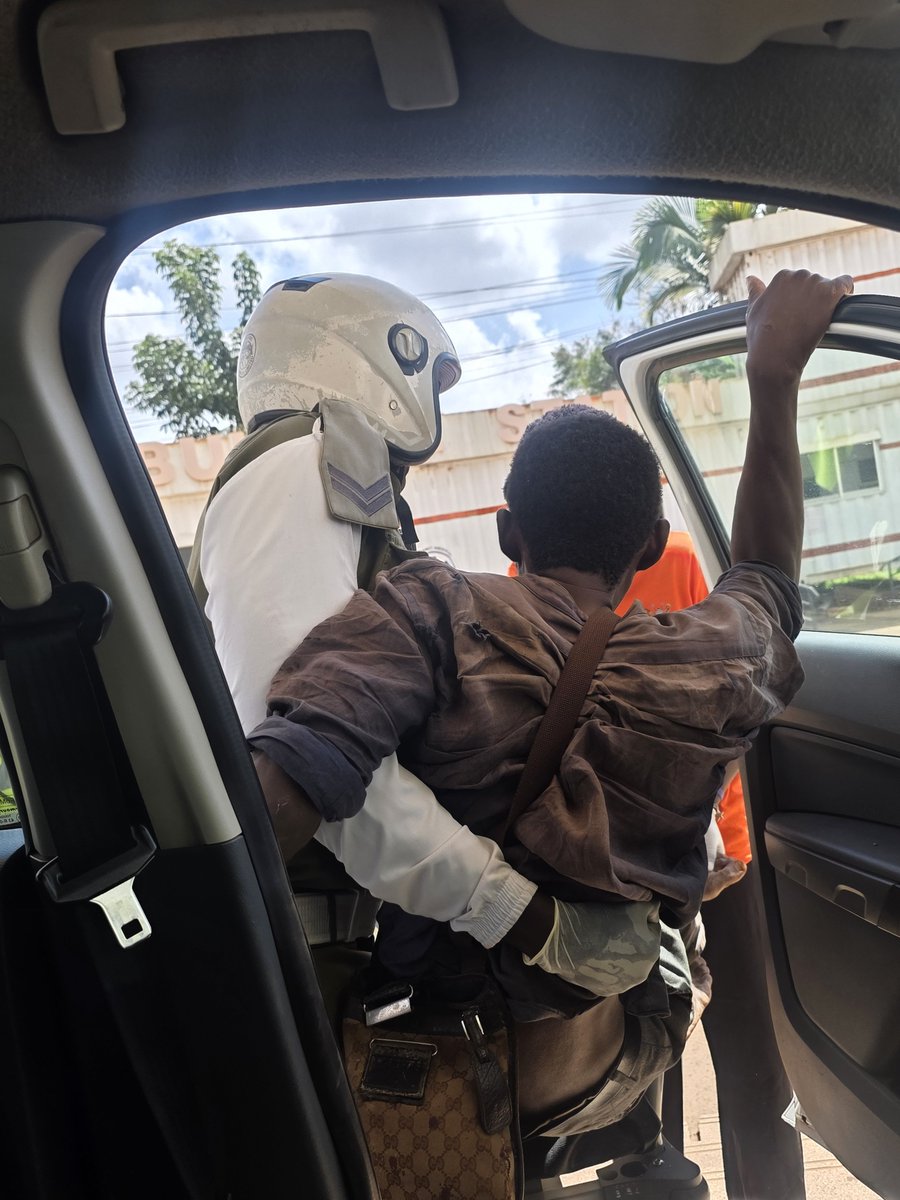
When I looked, I saw a Ugandan who had been badly knocked by a boda boda, lying on the roadside in a terrible condition.
What shocked me most was that nearly 50 boda boda riders and other road users were surrounding the casualty, yet nobody was taking the responsibility to help him.
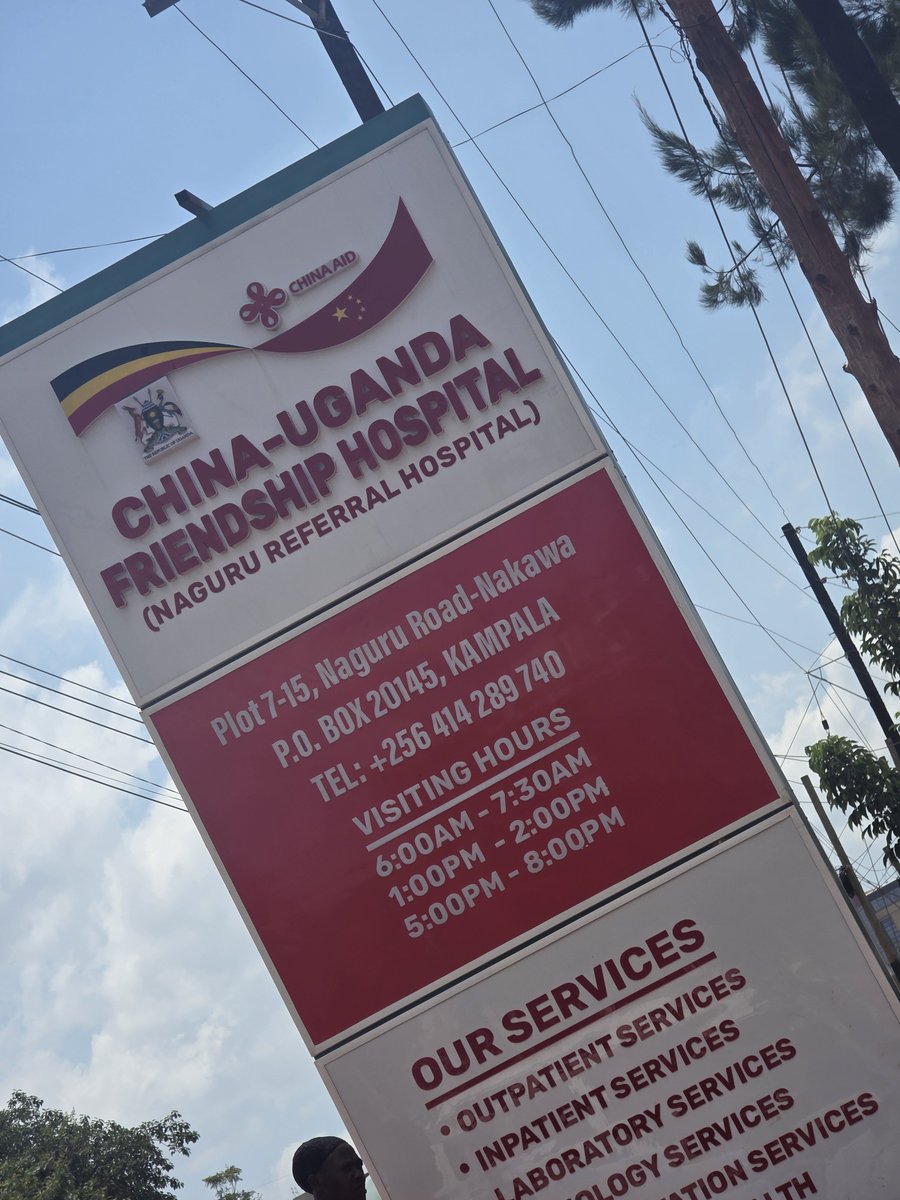
Afande Kilema and I moved in. With his efforts, we managed to put the casualty in my car and rushed him to China–Uganda Friendship Hospital, where the medical team received him and was willing to attend to him.
But what has remained with me is what Afande Kilema told me: he had already stopped about five other vehicles, asking them to help take this dying Ugandan to hospital, but they refused.
Afande Kilema was actually on his way to continue his duty. He could have simply walked away. Instead, he chose humanity.
Afande, I salute you. 🇺🇬👏🏾
Your humility, compassion and willingness to save a stranger's life while on duty deeply challenged me. Uganda Police Force @PoliceUg should know that officers like Afande Kilema are worthy of recognition and appreciation. This is the kind of policing that restores confidence in the institution and reminds us that behind every uniform is a human being capable of extraordinary compassion.
But my biggest question today is:
WHERE ARE WE HEADING, DEAR UGANDANS? 😭
When did we become comfortable standing around a dying person and simply watching?
When did we lose the courage to stop, help and save a fellow human being?
HUMILITY. HUMANITY. COMPASSION.
These should never die on our streets.
To every road user: tomorrow, it could be you~or someone you love. STOP. HELP. SAVE A LIFE. 🇺🇬❤️ @CarolPrim3@MaamaKampala21@Kkids_Foundatn@mkituuma@mkainerugaba
In 2018, photojournalist James Akena was attacked by military officers while on assignment in Kampala, effectively ending his career with Reuters.
Today, the former international photojournalist works as a bartender after severe physical trauma and institutional neglect forced him out of the profession.
Watch #BurnOut now on YouTube.
The lone Male Juror on the Lindsay Clancy Trial likely spent 7 days being manipulated, abused, and heckled by 9 women who supported a mother strangling her 3 babies
He was singled out, pressured, intimidated by the defense attorney who vilified and doxed him Infront of millions of delusional narcissists
This man stood on his moral foundation, despite likely severe abuse and manipulation for 7 days... and is the only reason those 3 little babies might find justice
He thinks a Mother shouldn't be allowed to strangle her children and get away with it, yet 100% of the women involved did
He's a hero, and a protector
One day in 2014, while at the prestigious University of Cape Town, we lost a colleague in the most unfortunate way, an incident that still disturbs my mind to date. Yoboka was Congolese. I had met him at the Uni through his chaotic Xhosa girlfriend, Thandolwethu, who would arrive at her boyfriend’s house on most weekends wearing her umbhaco and idzila, ready for what we jokingly called their weekend marriage. Yoboka was more than a friend. He was like a brother to me, despite the fact that I had known him for barely a year when he died. He was also a relentless manufacturer of jokes at my expense. He always warned me that it was dangerous for a lanky fellow like me to go running or walking outside because a strong Cape Town wind might blow me away like rubbish, or an eagle might mistake me for an appetiser and carry me off for a feast. This advice came from a man who weighed about 125 kilograms and regarded unnecessary movement with profound suspicion. He lived roughly two kilometres from the university and had bought a car for the journey.
The disturbing part is that nobody knew. For three days, he lay dead in his apartment while life outside continued with its usual indifference. I eventually became concerned by his unusual silence. Calls went unanswered, messages accumulated without reply and when I called Thandolwethu, our dramatic queen, I discovered that she too had sent innumerable texts and made repeated calls. Receiving no response, she had eventually become furious and blocked the dead man. In her imagination, Yoboka was not lying lifeless in his bathroom. The bastard was probably holed up somewhere in the apartment with another pulchritudinous damsel and deliberately ignoring her. She had already quarrelled with him, convicted him and begun moving on, while the accused was unfortunately unavailable to enter a defence. What unsettled her most afterwards was the missing morning text. Yoboka had a ritual, he would wake up and, before properly commencing negotiations with the day, text his girlfriend. According to what he had told me before he died, she had grown so accustomed to these messages that she sometimes ignored them and replied much later in the afternoon. Familiar affection has this peculiar problem. Something done faithfully every day can begin to look ordinary until the day it does not happen.
Yesterday, as I finished my postprandial, Thandolwethu, now a professor, called and somehow our conversation returned to Yoboka. Twelve years later, the story has lost none of its sadness. We spoke about how brutally indifferent life can sometimes be, particularly when nobody has incorporated your existence into the architecture of their day. Someone who notices that you have not awakened, someone who wonders why you have suddenly gone quiet, someone who checks whether you arrived home safely, whether you slept well, whether you are ill, whether something is wrong. Not the perfunctory checks of social obligation, but the one that reminds you that somewhere in another human being’s life, your continued existence is required rather than merely tolerated.
That was the lesson Thandolwethu Qhawekazi took from Yoboka’s death. She told me that she has never found another man who checks on her, cares for her and pays attention to the small details of her existence Yoboka Mokonzi did. And, strangely, that memory has encumbered her progress in finding another life partner. Every prospective man is, in some corner of her mind, being interviewed for a position previously occupied by a dead man who can no longer make mistakes.
The autopsy found that Yoboka had died from blunt-force trauma. Investigators concluded that he had collapsed in the bathroom, struck his head against the washbasin or bathtub and died. When he was finally found, his phone was still plugged into the charger. On its screen were hundreds of missed calls and messages from people who loved him, all arriving too late for a man who could no longer answer any of them.
If you have someone who checks on you in the morning to know whether you woke up safely, and in the evening to know whether you have returned home, eaten, gone to bed healthy or simply survived another day, do not mistake that attention for something ordinary. You possess a form of wealth for which there is no bank account.
Rukirabachwezi