This was the result of much hard work by our family. We are reviving Anglo-Methodist identity and practice in northern California. @SteveMacias@barukalas
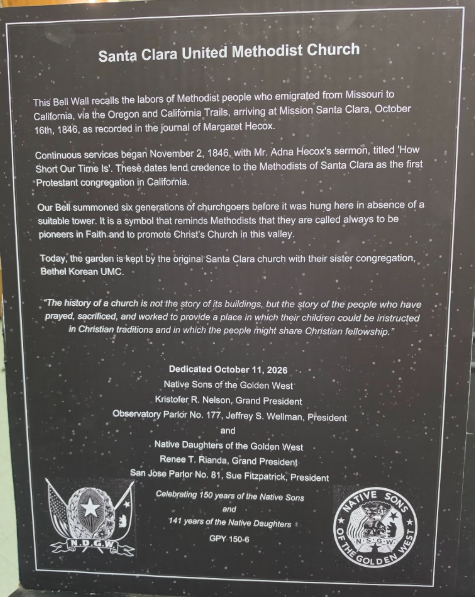
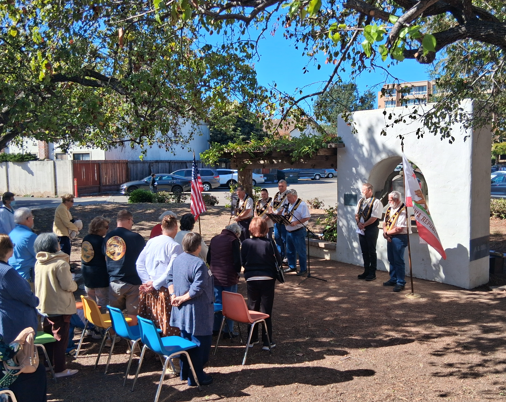
On Oct. 11th, 2026, the NS & NDGW dedicated a plaque at Santa Clara UMC's 180th Anniversary. E. Printz called us "the first continuing Protestant congregation in California". The Hon. L. Gillmore, Santa Clara Mayor, graciously spoke. We rekindled & built many needed networks.
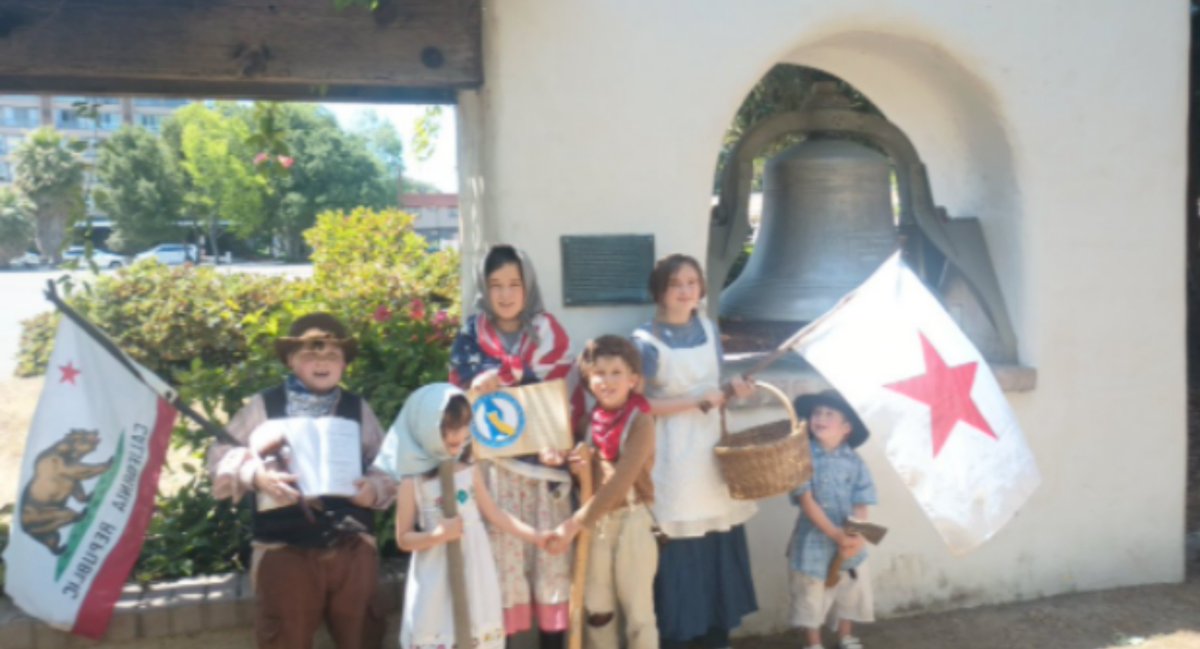
For some reason the photo was lost. The picture won $100 in a NSGW contest for a significant California historical site. We then worked toward the NSGW and NDGW getting another plaque up to narrate more of the story. That happened a year later.
This was a step forward to a new historical marker for the Methodists who landed in Santa Clara, Calif. in 1846. That portion of the Donner Party which escaped heavy Sierra snowpack the same year also joined their company. Curiously, they were a branch of the Oregon Conference.
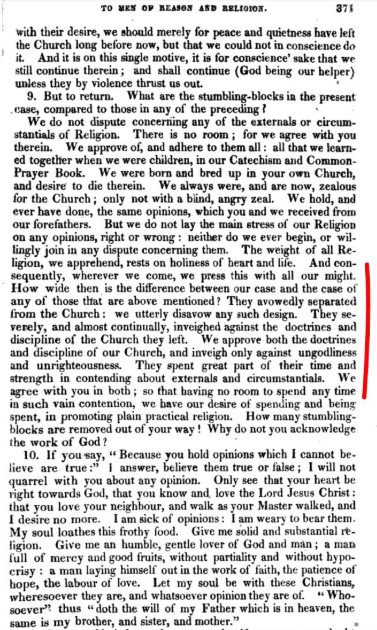
Why Wesleyanism doesn't fit into historical Dissent: In Further Appeal to Men of Reason & Religion, pp.373-74, Wesley explains Methodism, unlike Quaker or Baptist protests, never opposed the Church of England. They were "born & bred up" in the Church, "& desire to die therein".
"As we have reason to believe that most of those who receive the ordinance are strangers to the regenerating influences of the Holy Spirit, they [the unregenerate person] must of necessity be built up in a deceptive hope & confirmed in a delusive dream..."
-Nathan Bangs (1840):
Wow. More Episcopius & Grotius, please. Wesley's connections to continental Remonstrants. Actually, the latter were already well-received by early 18th c. English divinity. https://t.co/AtcDJoUB5v
Wesleyanism is Protestant Monkry. Further, Wesley had a theology of theosis, called Perfection-- a treatise of which was usually appended to his General Rules for the United Societies.
https://t.co/3dRz7Zwupu
In the Wesleyan system, classes we're stepping stones or training wheels for the band meetings. TLG essentially goes straight into the latter w/out passing thu the former. Otherwise, all of it is highly recommended, & Coles observations about community are true.
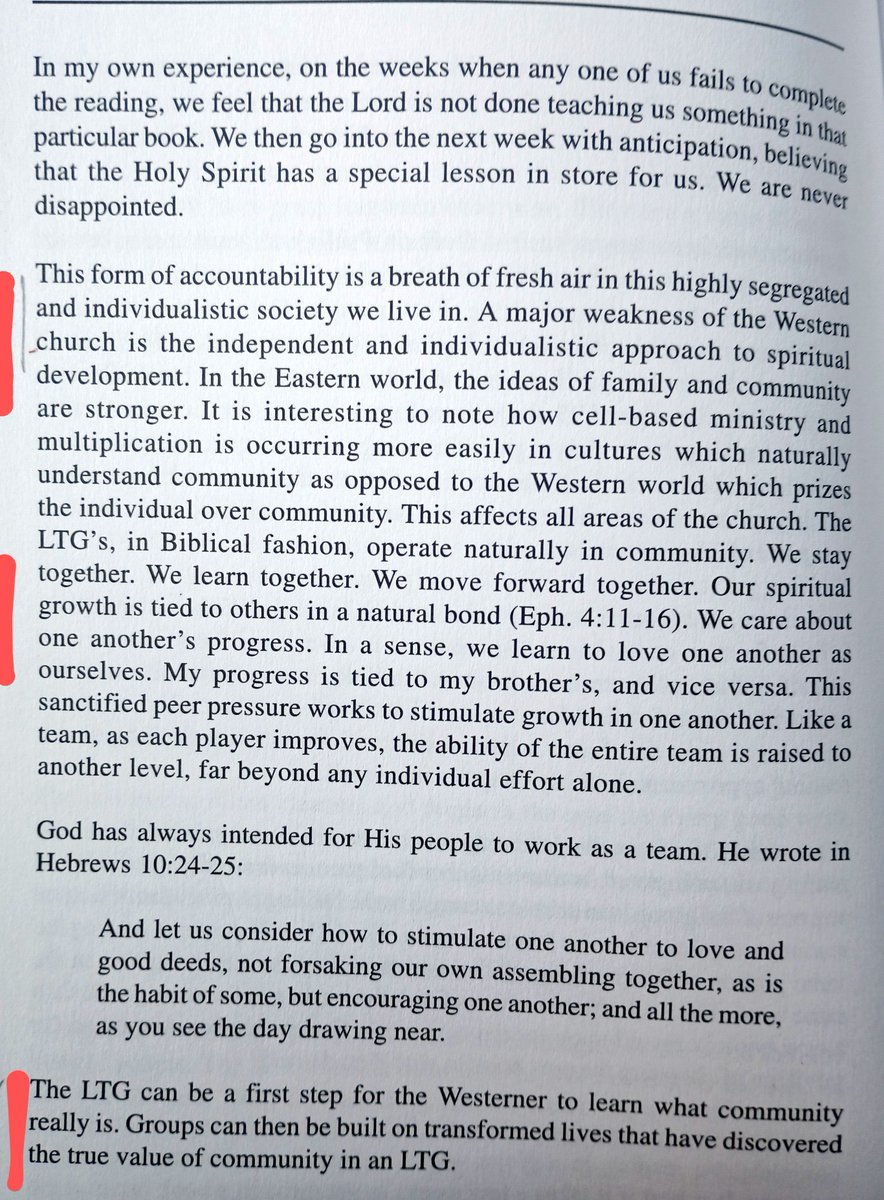
Normally, don't read non-denominational literature, but Neil Cole's book on Life Transformation Groups, correctly explains a big benefit of experience meetings-- e.g., they make serious Christian communities. Cole explains it clearly here, p. 68
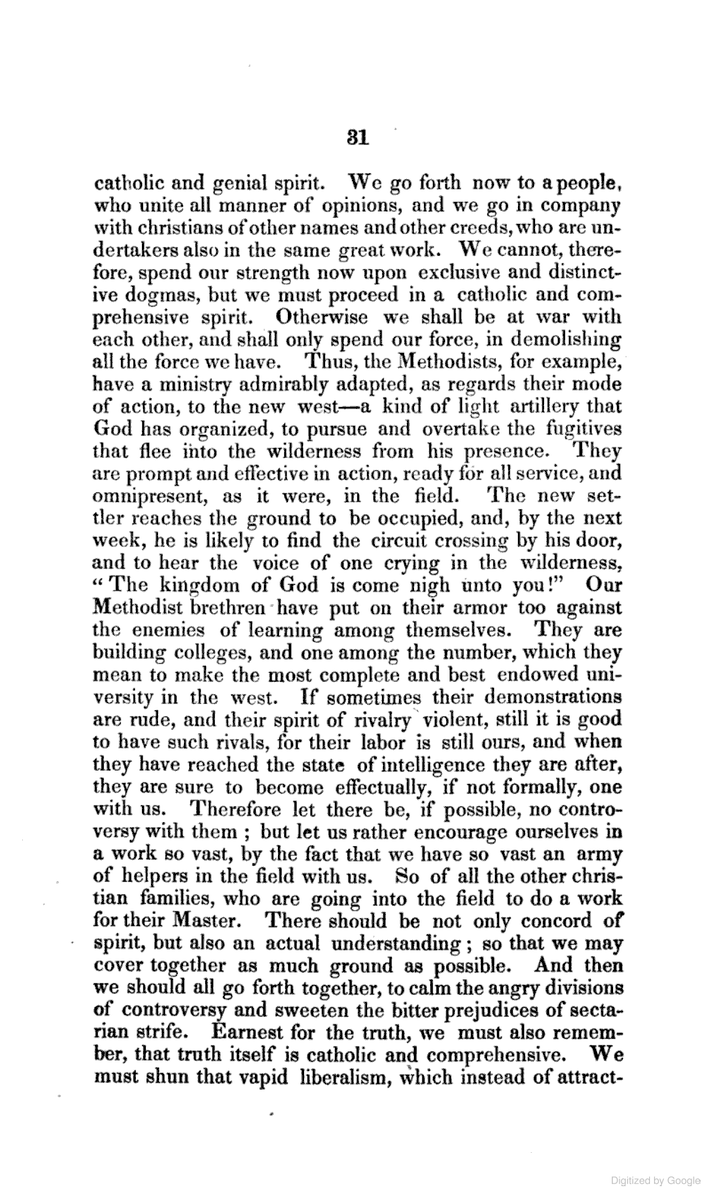
Their model was James Lee's Oregon territory mission. The Santa Clara methodists quickly built roads, irrigated farms, platted the Santa Clara quad, established their College of the Pacific, and, of course, made their own church building, some of which was salvaged Spanish adobe.
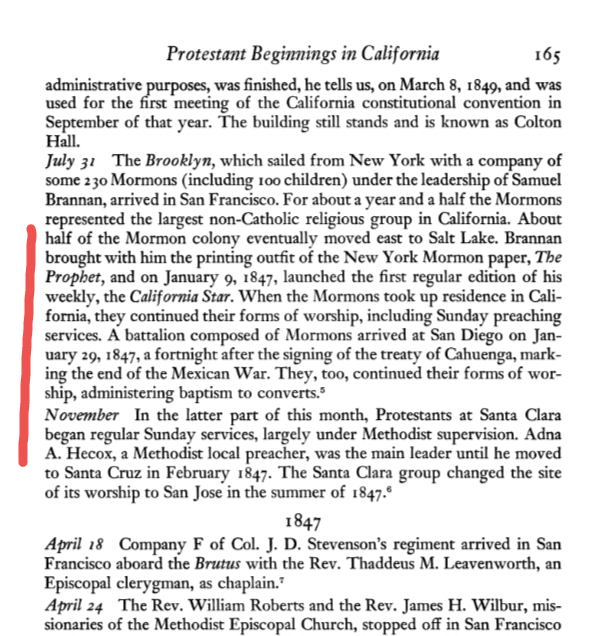
Reckoned by congregational presence or formation, the Santa Clara methodist mission followed by two months Brannan's arrival w the Mormons. The actual date in Hecox's journal is Oct 16, however. From Drury's essay, Chronology of Protestantism in California (1947).
After much consideration and, to some degree, answering UECNA prejudices, we joined the local UMC-- a Methodist pioneer congregation that dates back to Oct. 16th 1846. That date makes it the second oldest Protestant Church in California after Brannan's Saints.
Don't share my personal pixs, but this Third Sunday in Lent we were received into the local United Methodist Church. We're still a 1928 BCP family, and, of course, church-methodists at heart.
Paley's apology, according to Rev. R. James, may apply to class meetings as much as any ecclesiastical rule. Though classes deserve promotion due to their prudential benefits, I agree w Rev. James they are finally optional. See Catholicity & Methodism (1877), p. 97-8
@umjeremy Not just GMC. Some are electing independency, others are joining non-gmc Methodist denoms. Anglican are also courting. But, yes, GMC is the bulk, yet former is likewise significant.
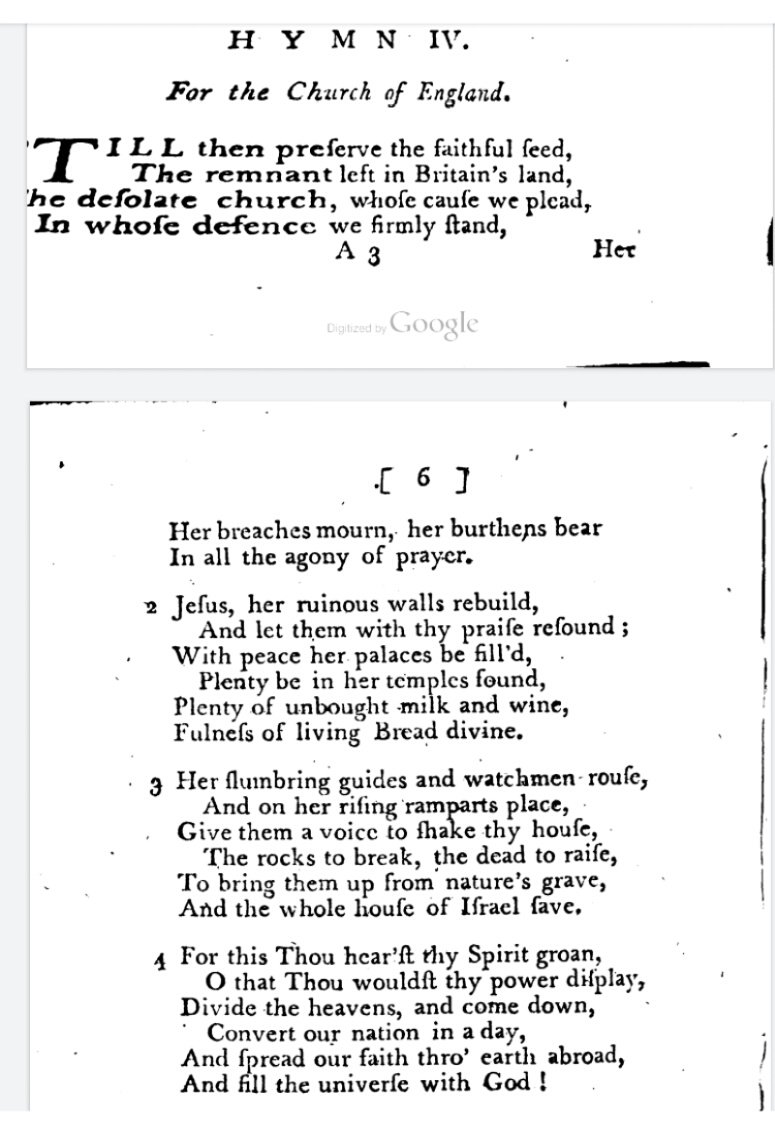
Charles Wesley's hymn iv, from his Hymnal of Intercession for All Mankind (1758), regarding the renewing of the Church of England. Especially like v. 3, "the whole of Israel save".
Before chasing the Institutional Church, know the Class Meeting, and our Testimony which sprouts from it, is the basis for advancing the Kingdom of God. From T. Smith's _Revivalism and Social Reform. American Protestantism on the Eve of the Civil War (2004).