Apollinisch-dionysisch. “Quand le passé n'éclaire plus l'avenir, l'esprit marche dans les ténèbres”, Alexis de Tocqueville. Like/Share/RT ≠ Endorsement
Comment l’IA a bouleversé l’université ?
Nous avons interrogé 11 normaliens sur leur usage de l'intelligence artificielle.
Un portrait en prise directe de la génération IA.
https://t.co/62EBKw5beG
Le monde est entré dans une guerre commerciale permanente.
Comment en sortir vainqueur ?
Entretien exclusif avec @ChadBown et @SoumayaKeynes, auteurs du livre le plus discuté en ce moment aux États-Unis.
https://t.co/gaqo7vDHeR
Continuer Foucault ?
Le livre évènement de Jeanne Favret-Saada rouvre le dossier Pierre Rivière qui avait bouleversé les sciences sociales.
Un entretien par l'historien @PatrickWeil1
https://t.co/bVjG7RmiNk
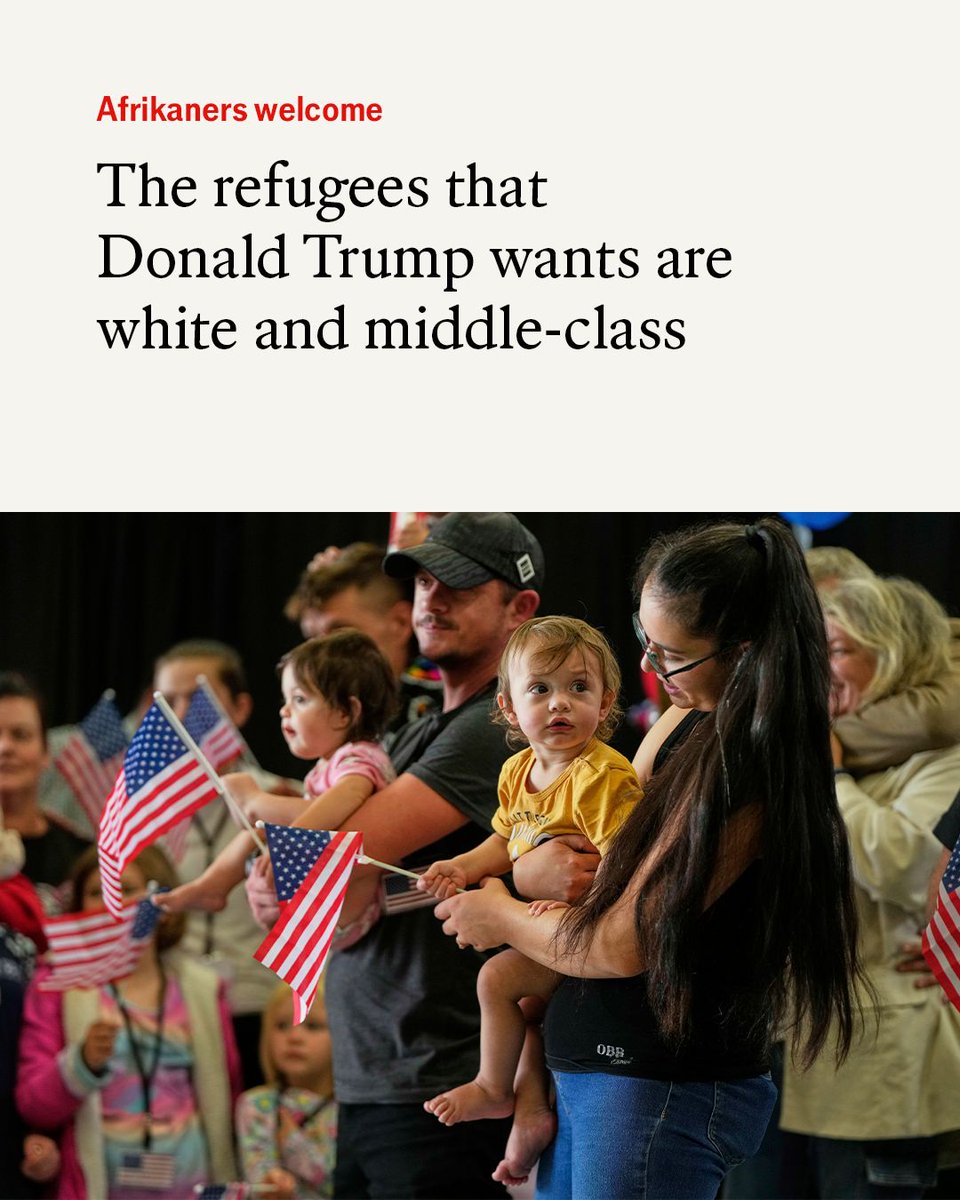
Of the roughly 6,000 refugees admitted to America since October, nearly all are white South Africans. But many have gripes about the country’s threadbare social-safety net https://t.co/4s74ZKSVlP
Photo: AP
Cyprus has sought assurances that a future British government led by Nigel Farage won’t be able to unilaterally use its U.K. military bases for Middle East strikes.
🔗 https://t.co/z75OHjLfRg
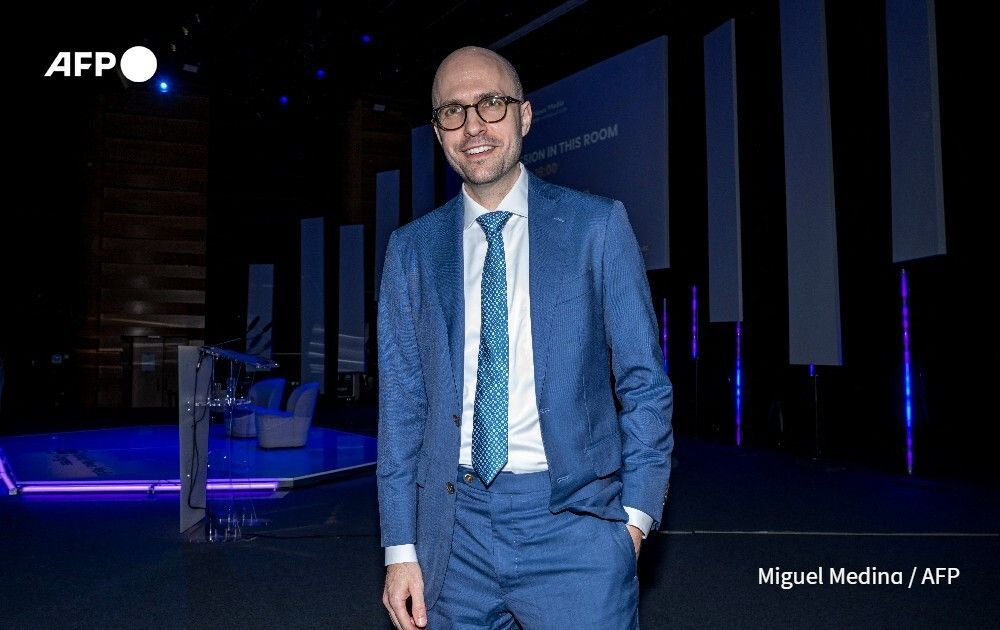
The New York Times publisher on Monday slammed artificial intelligence companies for "brazen theft of intellectual property," warning they threaten the future of journalism during a speech at the World News Media Congress in the French city of Marseille https://t.co/mk3wioGKxB
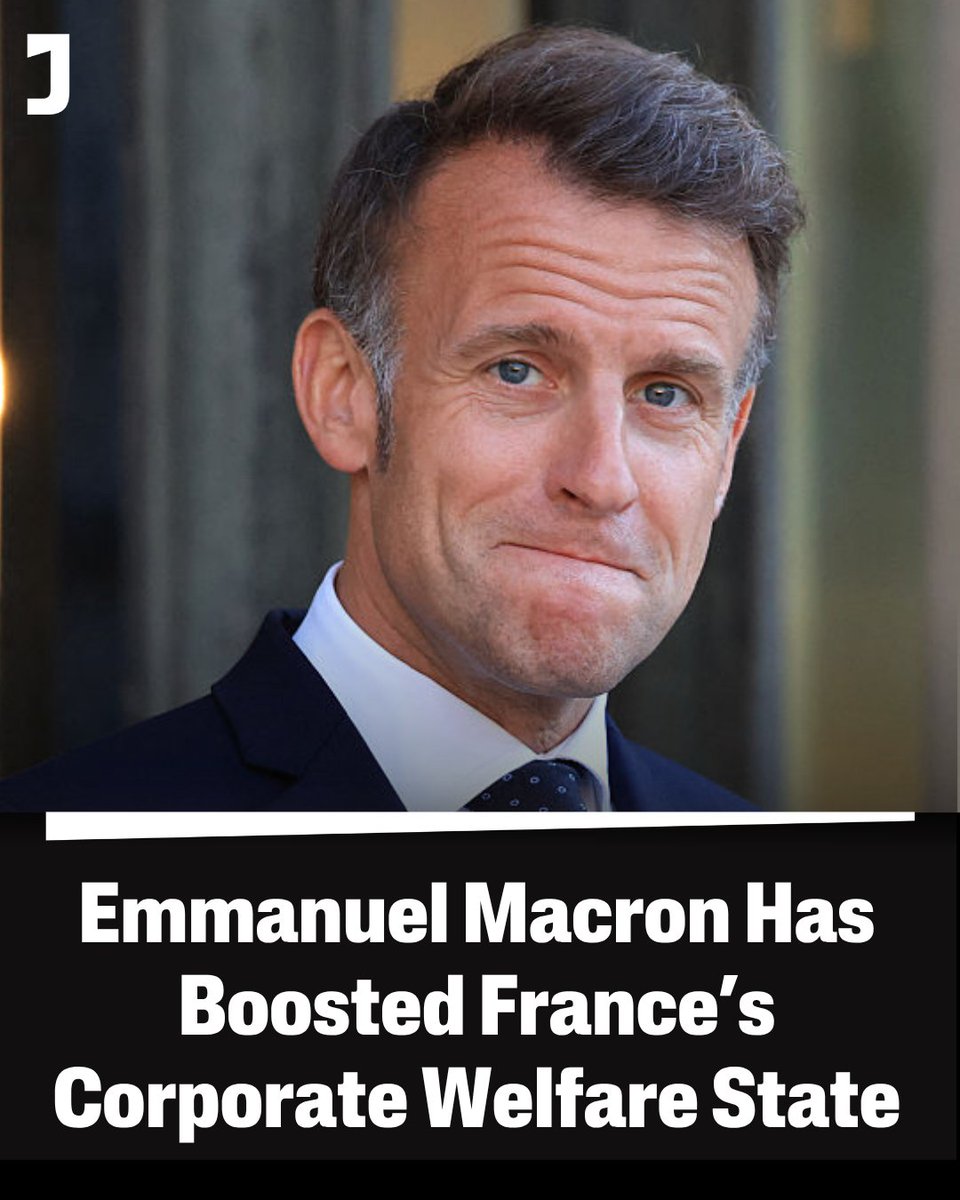
The rise of neoliberalism in France didn’t mean that the state retreated from the economy.
Its interventions shifted toward forms of corporate welfare, giving companies public resources without securing any public control over their investment choices: https://t.co/2147kHNiGq
En lisant @robertfworth—l’un des très rares à avoir approché le président des Émirats ces dernières années—une idée s'impose.
Si le projet contre-révolutionnaire du «Metternich du Golfe» n'a jamais été aussi en crise, c'est que tout y redevient possible.
https://t.co/W0i6ysWfkT
In the wake of COVID-19, the U.S.’s preparation for a public-health crisis has plummeted. Scientists are being encouraged to curb efforts to monitor and treat pathogens in favor of “making America healthy again.” Meanwhile, the U.S. formally withdrew from the W.H.O. Since Trump returned to office, the C.D.C. has lost roughly a third of its staff. Recent outbreaks of Hantavirus and Ebola alike have frightened the American public. “These outbreaks expose the shortsightedness of America’s retreat from its role as a global-health leader,” the physician Dhruv Khullar writes, but he has not lost hope. “In the fog of the post-COVID culture wars, it’s easy to lose sight of the power we still possess,” he writes. Read his full essay about the U.S.’s foundering global health decisions: https://t.co/gs2m1ldLee
Could a 1924 novel about a Swiss sanatorium tell us more about the collapse of liberalism than a century of political science? | https://t.co/1bMywfWgKv
Oliver Adelson writes on how Thomas Mann's The Magic Mountain eerily predicted the crisis now tearing liberal democracy apart.
Since World War II, a series of popes have consistently spoken out in favor of international peace, often clashing directly with world leaders in doing so. https://t.co/iqfYDJOf7s
Breaking news: Multiple scientists who serve on an independent board established to guide the nation’s nearly $9 billion basic science funding agency were terminated from their positions Friday by President Trump. https://t.co/mDTvgns6N8
Incoming Hungarian Prime Minister Peter Magyar said he had information that wealthy figures linked to Viktor Orban’s outgoing government were moving assets abroad and called on authorities to detain fleeing “oligarch” families. https://t.co/BegzMoClcv