🚨🇵🇸 Kuzey Gaza'daki gazeteciler dünyaya doğrudan hitap ediyor: "İsrail'in Palestinlileri ölüme asma yasası Nazilerden daha kötü."
Bu videoyu görürseniz, lütfen farkındalık için yeniden yayınlayın.
Do elephants remember who was kind to them?
Yes – and across decades. Our ex-orphans return to the stockades long after they've gone wild, recognise specific Keepers by name, and bring their wild-born calves home to introduce them. They even come back for help.
Last month, Melia walked her new daughter Moon to our Ithumba Reintegration Unit – sixteen years after we rescued her. She came back so the people who raised her could meet her calf.
In 1879, JP Morgan paid a man to invent the lie that is the foundation of modern economics.
A billionaire who helped start Amazon just exposed the whole thing on Diary of a CEO, and once you hear it you will never look at paychecks the same way again:
146 years ago, a guy named Henry George wrote a book called Progress and Poverty.
It was the first mainstream book about the rich systematically stealing from the poor, and It literally became the bestselling book in the history of the United States at the time.
The working class was reading it everywhere, and the people at the top of the economy completely lost their minds.
So JP Morgan personally brought a man named John Bates Clark to Columbia University, which was essentially the intellectual headquarters of Wall Street, and told him to fix the problem.
Clark wrote a book called The Distribution of Wealth. In it, he invented something called the "theory of marginal productivity," which claims that because markets are perfectly efficient, the amount of money you earn reflects EXACTLY the value you contribute to the economy.
If you make $15,000 a year, that's because you're providing $15,000 of value. If a hedge fund manager makes $500 million a year moving money around, that's an accurate reflection of the value he creates in the world.
And Clark literally said the quiet part out loud IN HIS OWN BOOK.
He wrote that they had to prove to working people that no matter how much they make, whether it's a little or a lot, it accurately reflects their value, because if workers ever concluded that their labor was worth more than they were being paid, they would revolt and destroy the entire system.
That was the whole point. The theory was built to prevent a revolution.
And it worked so well that it got absorbed into mainstream economics and is STILL taught as a foundational principle to this day.
Every time a CEO tells you "the market decides your salary," they're repeating a framework that was literally commissioned by JP Morgan in the 1800s to convince you not to ask for more.
Nick Hanauer, the billionaire who told this story, also shared the numbers that prove why it matters right now:
The median full-time worker in America earns about $60,000 a year. If that same worker had maintained the same share of GDP they held in 1975, they wouldn't be making $60,000. They'd be making $120,000. That gap goes all the way up to the 90th percentile. If you earn $180,000 today, you'd be earning $250,000 under the old distribution.
The ONLY people who benefited from 50 years of economic growth were the top 10%, and the vast majority of that went to the top 1%. That is trillions of dollars every single year that used to be wages for ordinary working people and now sits in the accounts of the wealthiest people on the planet.
This happened because of policy. Tax cuts for the rich, deregulation for the powerful, and wage suppression for everyone else, all justified by an economic theory that was invented specifically to make you believe you deserve exactly what you're getting.
And the craziest part is that GDP growth rates in America were 4 to 4.5% for decades when workers were included in prosperity. As soon as the neoliberals took over in the mid-1970s and implemented these policies, GDP growth fell to 3% and eventually to 2%.
Including people in the economy doesn't slow growth down. It's literally the thing that CREATES growth. And the theory that convinced the world otherwise was a hit job paid for by one of the richest men in history to keep workers quiet.
What do you think?
Hace algunos años, cuando acabábamos de tomar posesión de nuestra nueva casa, adquirimos cierto artefacto moderno que arroja agua con tanto brío que limpia una piedra mejor que cien años de lluvia. Quedamos mi esposo y yo tan prendados de la máquina que pasamos tardes enteras buscando suciedades sobre las cuales ejercitar sus virtudes.
Hallábase el suelo del patio de entrada cubierto de una costra tan antigua que parecía proceder de fecha anterior a las dificultades cervicales de la nobleza francesa, allá por mil setecientos ochenta y pocos.
Celebrábamos una tarde nuestra condición de propietarios recientes con una botella de borgoña tan buena que no tardó en parecernos excelente. Acabamos con ella y descendimos a la bodega para verificar si otra botella ofrecía iguales virtudes. Ofrecíalas. Hubo nuevas comprobaciones. Las vástagas andaban ausentes y nuestro contento aumentaba con cada botella, mientras el juicio emprendía discretamente la retirada.
Sucedió entonces que el esposo comenzó a trazar sobre las losas ciertas líneas cuya intención se me escapó al principio. Mas cuando aparecieron dos gónadas de respetable tamaño comprendí perfectamente los propósitos del autor. Lejos de corregir tan lamentable desviación, tomé la lanza y procedí a enriquecerla con nuevas aportaciones.
Porque una cosa es la necedad y otra hacer las cosas a medias.
Y así proseguimos la labor, acometidos de tales ataques de risa que apenas acertábamos a sostener la lanza, persuadidos además de hallarnos produciendo una obra de extraordinario mérito.
No afirmaré que el resultado fuese perfecto, porque dibujar un carajo con agua a presión presenta dificultades técnicas que rara vez se mencionan. Diré solamente que nadie habría podido confundirlo con un molino.
Mas quiso la fortuna castigarnos por nuestra majadería.
Esperábamos aquella tarde a la señora Eusebia, mi augusta suegra, aunque varias horas más tarde. Pero la mujer decidió adelantarse. Llegó acompañada de dos amigas de toda respetabilidad y penetró en la finca sin que ninguno de nosotros la oyese, porque el estruendo del artefacto era considerable y porque toda nuestra atención se hallaba puesta en cierta empresa de dudoso provecho y aún más dudosa necesidad.
Nunca olvidaré aquella visión.
Las tres damas caminaban con la tranquilidad propia de quienes esperan visitar una casa respetable. El esposo y yo contemplábamos alternativamente a las visitantes y al gigantesco nabo que ocupaba buena parte de la entrada. Y mientras ellas se acercaban, iba pareciéndonos que la criatura crecía por momentos, como si hubiese decidido recibir personalmente a las honorables visitantes.
Qué pensaron aquellas damas no sabría decirlo. Qué pensó la señora Eusebia tampoco. Sólo sé que el esposo y yo, que una hora antes nos teníamos por personas cabales, nos hallamos de pronto ante tres inquisidoras en pleno ejercicio de sus funciones.
Si alguna vez he necesitado prueba de que la prosperidad, el vino y el ocio forman alianza peligrosa, ninguna me ha parecido tan concluyente como aquella prescindible tarde.
El efecto de un solo árbol en la calle es equivalente a cinco aires acondicionados del tamaño de una habitación funcionando 20 horas al día. Si nuestra ciudad se llenara de calles como esta la vida en verano sería mucho más agradable.
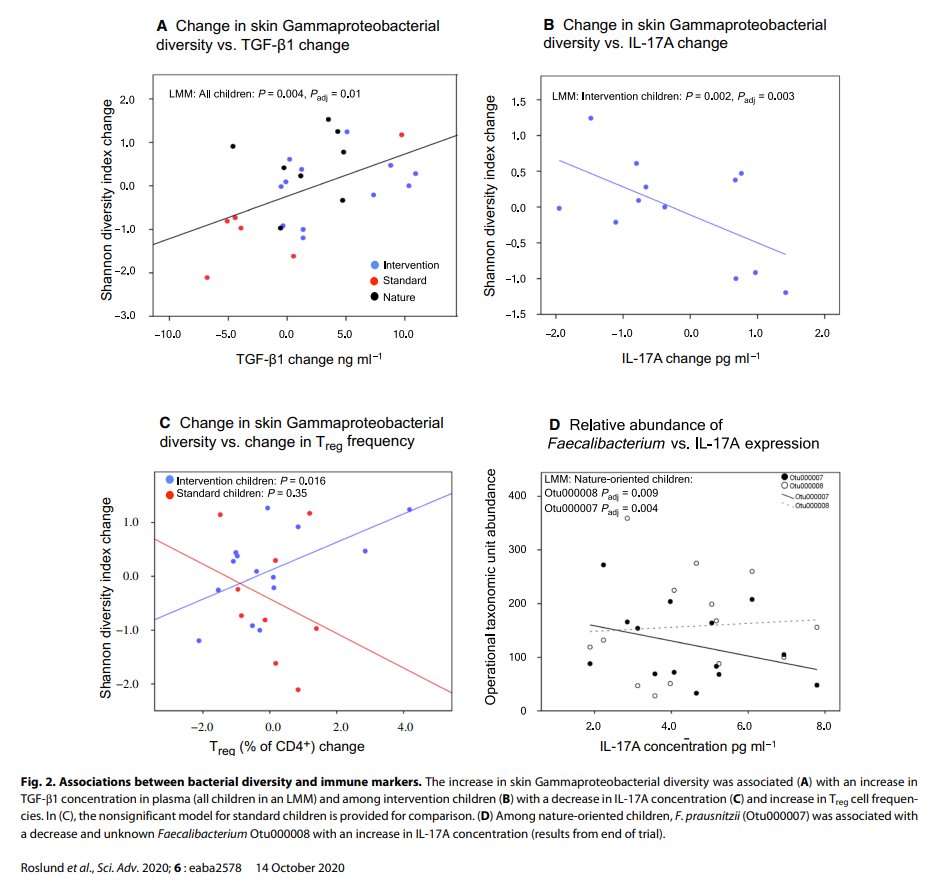
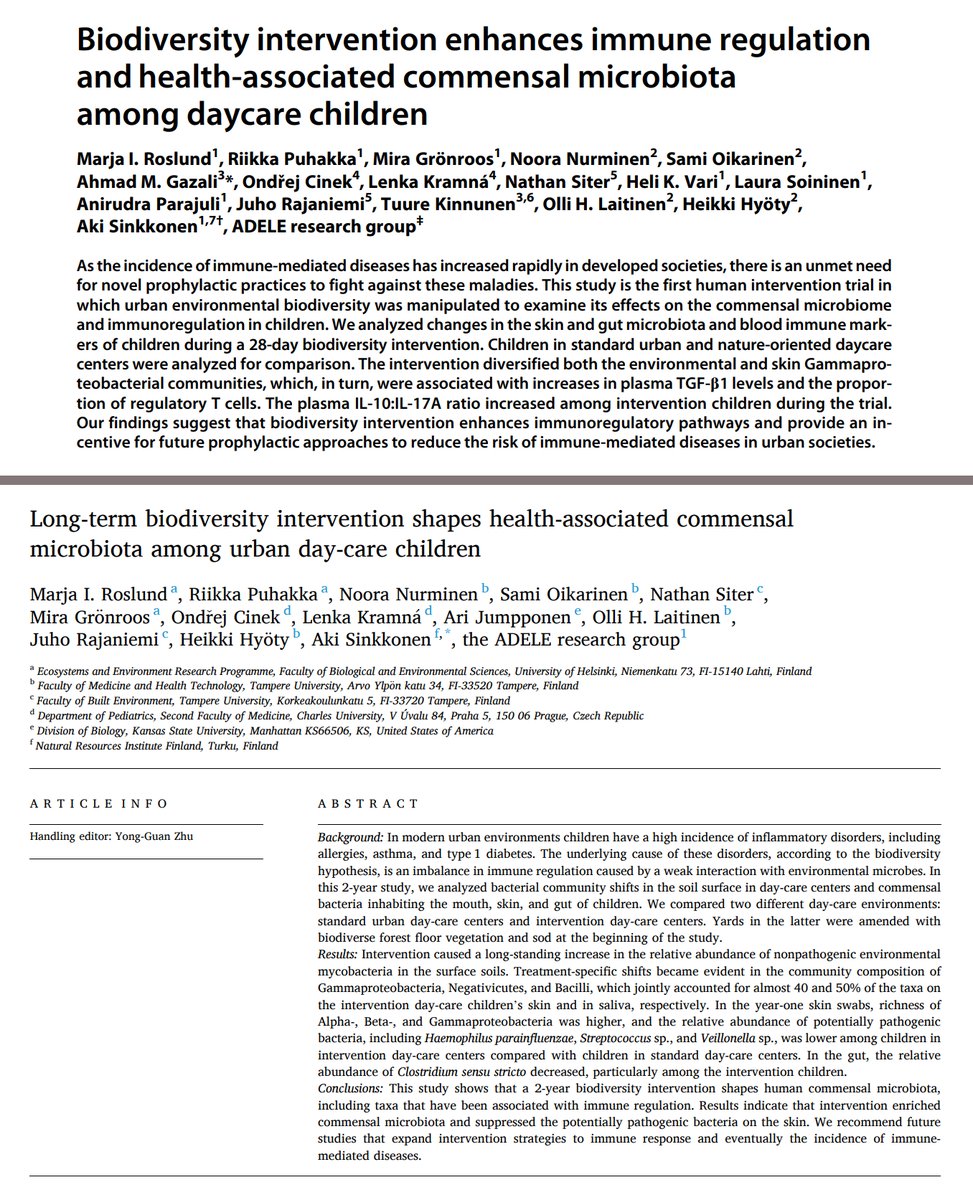
En Finlandia cambiaron los materiales sintéticos (caucho sintético, asfalto, plástico...) de los patios de las guarderías por suelo forestal, césped, musgo y arbustos; y los niños mejoraron su sistema inmune en sólo 28 días: mayor diversidad microbiana, más células T reguladoras, aumento de marcadores antiinflamatorias y mayor equilibrio inmunológico.
A los 2 años los beneficios persistían y se observaron mejoras adicionales: menos bacterias patógenas como Streptococcus en la piel y menor abundancia de bacterias asociadas a inflamación en el intestino.
El auge de una cultura postalfabetizada —pantallas, vídeos cortos, textos fragmentados— no solo está erosionando la concentración y la lectura profunda. Está empezando a generar una nueva forma de desigualdad cognitiva. The New York Times
Como con la comida ultraprocesada, leer bien exige recursos, tiempo y entorno. La “lectura experta” reconfigura el cerebro y sostiene ciencia, democracia y pensamiento crítico. Si se convierte en un lujo, las consecuencias serán sociales y políticas https://t.co/YJaCTIzHn0
El 2016 se perdió casi 30% de la producción de salmones por un brote de algas que la industria no estaba preparada para abordar. Le pasó el problema al estado. Como siempre. No se quieren mover a los parques nacionales porque son lindos, sino porque han dejado contaminados otros sitios que ya no pueden ocupar. Una industria que se ha victimizado siendo que es victima de su propio cortoplacismo. Han mejorado sus práctica… si. Pero la historia es clara .
@Vitruvismo El Pritzker no es mucho más que la élite premiándose a sí misma. Así que ojo con endiosar.
Es sabido en el rubro que las "medias" viviendas sociales de Aravena en la práctica no resultaron como se esperaba, aunque él las siga promocionando con un discurso precioso.
@Seferene Este verano la bolsita abierta de merkén ha ido bien.
Sobre frascos de vidrio, tienen que ser con tapa rosca, con cartón o con gomita por dentro, porque los conserveros no son herméticos una vez abiertos.
Cómo lo harán las fábricas o tiendas de granitos?🤔
.@Ada_Palmer explains the big important difference between the Renaissance and the Scientific Revolution:
"Brunelleschi, who built Florence’s famous beautiful dome, deliberately burned all of his notes and schematics so that nobody else would be able to replicate his work.
That is an inventor and an engineer. But this is not a servant of human progress. This is actually a saboteur of human progress - who deliberately makes progress and then tries to cut it off at that point so that no one else can be his peer."
Vos que laburás a veces hasta en 2 o 3 trabajos no podés ni tomarte un café pero si decimos che capaz este billonario no necesita 20 mansiones y 6 islas privadas te dicen comunista. Y lo triste es que no te lo dice el billonario, te lo dice uno más pobre que vos