Printed structures are the worst idea out there at present.
Nothing about it makes sense for the life of a human. Nothing.
How much further can we separate from our basic requisites?
Shelter, food, medicine, clothing…….we have no connection to the foundations of a life.
Printed buildings add one more layer of separation…..in my view…..the death blow.
What’s in a word? Hammock. When Spanish explorers reached the Caribbean in the late 15th century, they encountered people sleeping not on the ground—where insects, snakes, dampness, and rot conspire—but in woven slings hung between trees. The Spaniards, practical to the point of astonishment, adopted both the object and its name. By the early 1500s, hamaca appears in Spanish accounts; by the mid-1500s, “hammock” drifts into English, its spelling wobbling for decades before settling down.
While the Taíno gave Europe the word, the Maya gave the hammock its most refined, enduring form.
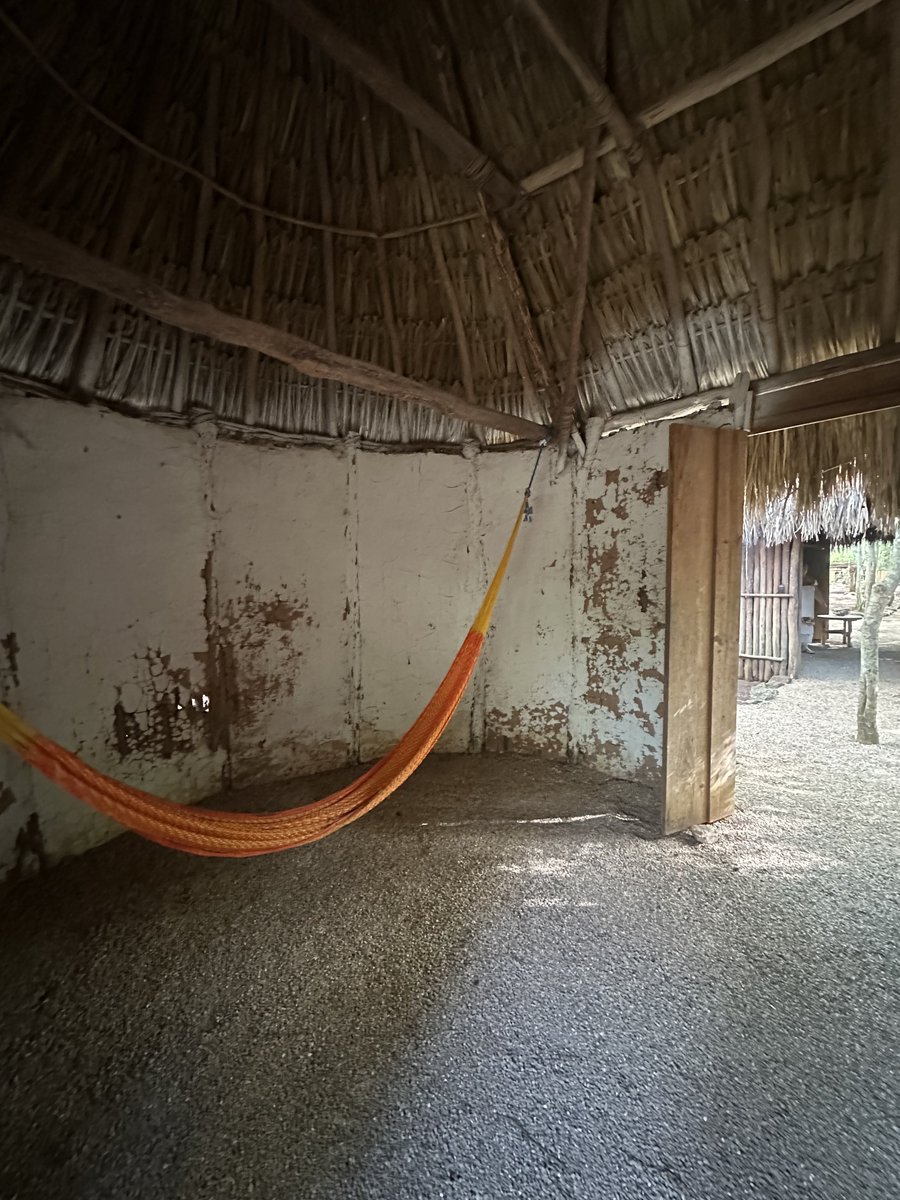
In the Maya world—across the Yucatán Peninsula and into what are now Guatemala, Belize, and Honduras—the hammock was not a novelty but a fundamental piece of domestic infrastructure. It functioned simultaneously as bed, chair, cradle, sickbed, and social geometry. Hung high during the day, it freed precious floor space in houses designed for airflow rather than furniture. At night, it lifted the sleeper away from humidity, insects, and the moral indignity of sleeping on packed earth.
Maya hammocks were traditionally woven from henequén, a tough agave fiber native to the Yucatán. The process—harvesting, retting, twisting, weaving—was labor-intensive and often gendered, passed down through generations. A good hammock was not just comfortable; it was correctly tensioned, breathable, strong enough to last decades, and elastic in a way that distributed the body’s weight evenly. Long before ergonomic studies, Maya weavers understood that the human spine prefers a gentle curve, not a flat surface.
The Spanish, and later the British, quickly recognized the hammock’s superiority at sea. Sailors adopted it en masse: it saved space, reduced vermin, and—swaying with the ship—ironically stabilized the body. Thus an Indigenous Mesoamerican sleep technology became standard naval equipment, and from there, an emblem of leisure in places far removed from its original necessity.
But in Maya communities, the hammock never became symbolic or ironic. It remained useful. Even today, in much of the Yucatán, beds are optional; hammocks are not. To offer a guest a hammock is to offer them rest, air, and trust. Children learn to climb into them before they can walk properly. Elders die in them.
So the word “hammock”, casual and beachy in modern English, masks a deeper history: a Maya solution to climate, insects, architecture, and the human body— borrowed, renamed, globalized, and never truly improved upon.
Ok…..critique time …..some honesty….
(I am an architect, and this is what we do)
This project is ridiculous. Period. Chinese company building from postcards of Europe? Step back and think about it…..it’s worse than ridiculous. China has one of the richest and longest histories in modern humanity, and they chose to “copy” old Europe? The West?! Pure insanity to me, and what a waste of materials, time, and effort.
Have you ever been to China? I can bet that it is NOT well made. I have traveled and worked in China, and I have seen and stayed in other monstrous designs similar to this, and it is some of the worst detailing and construction I’ve seen. Like having a Chinese person living their whole life in China cooking Chinese food, and you have them make an Italian a classic pasta dinner…..they simply don’t even know what it is supposed to taste like. Same situation with this design……they don’t even know what it is supposed to feel like. They simply copied….a past that is not theirs. Worse than Disney, worse than CGI. As bad as Architecure gets in the modern geopolitical world we live in.
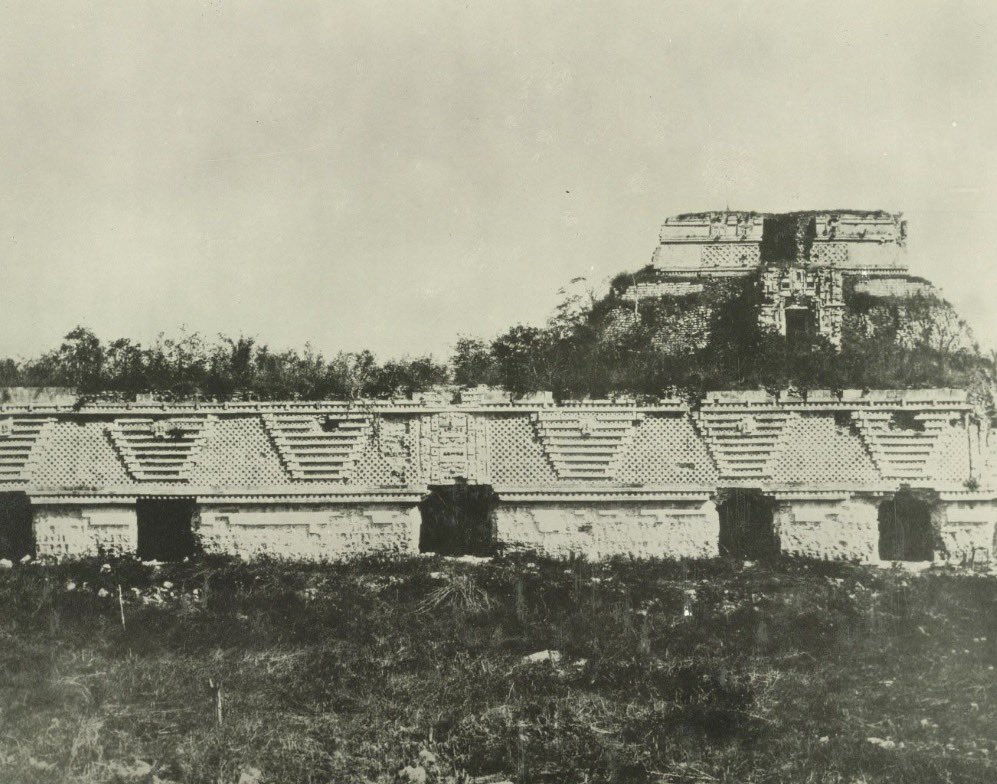
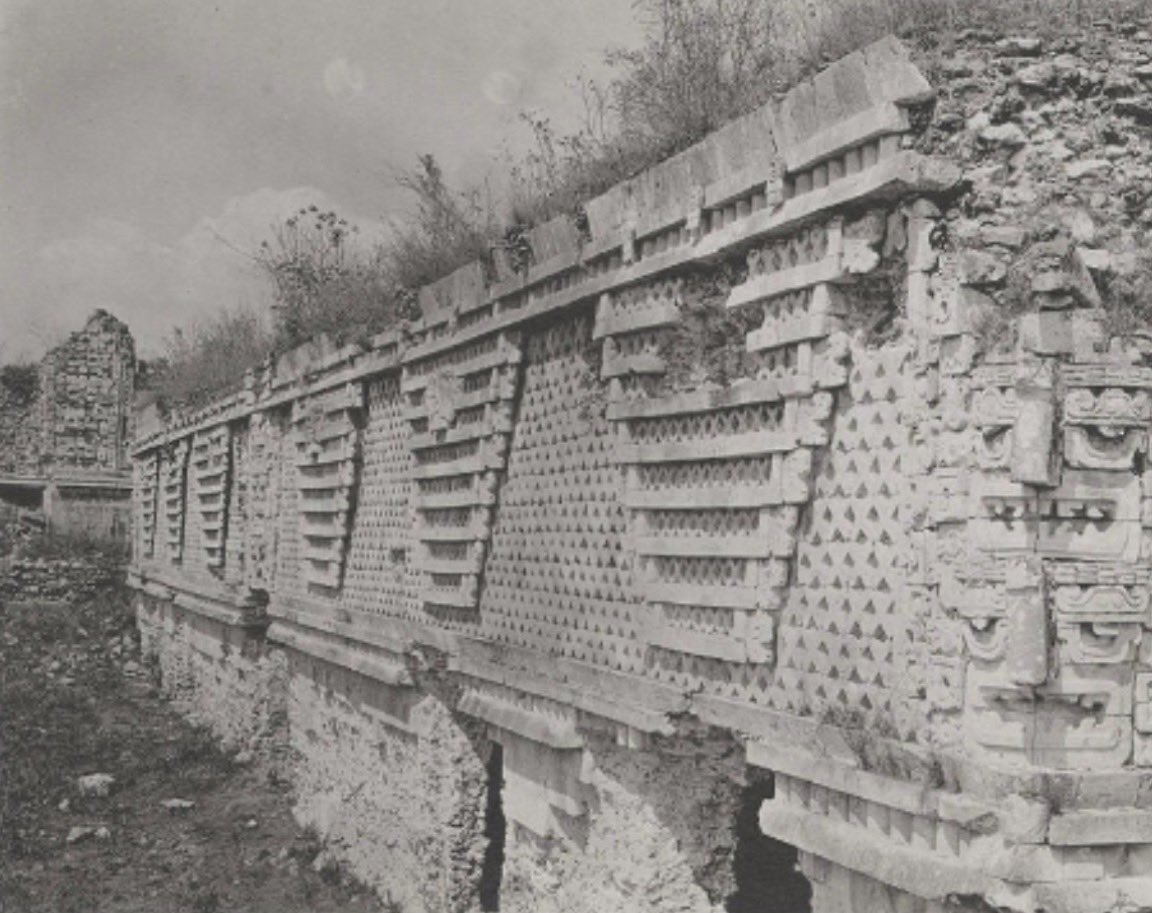
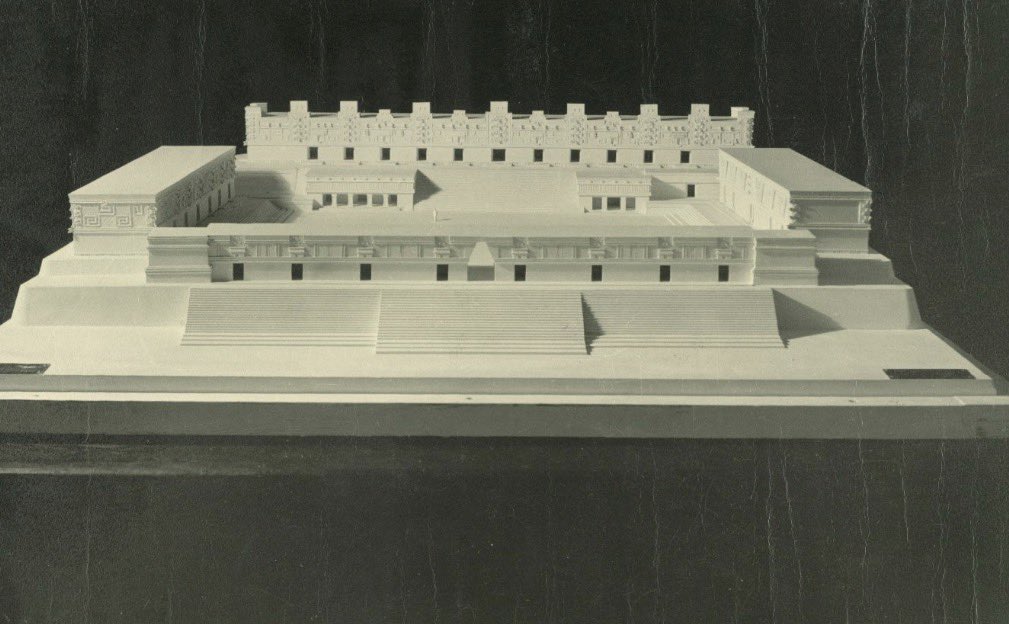
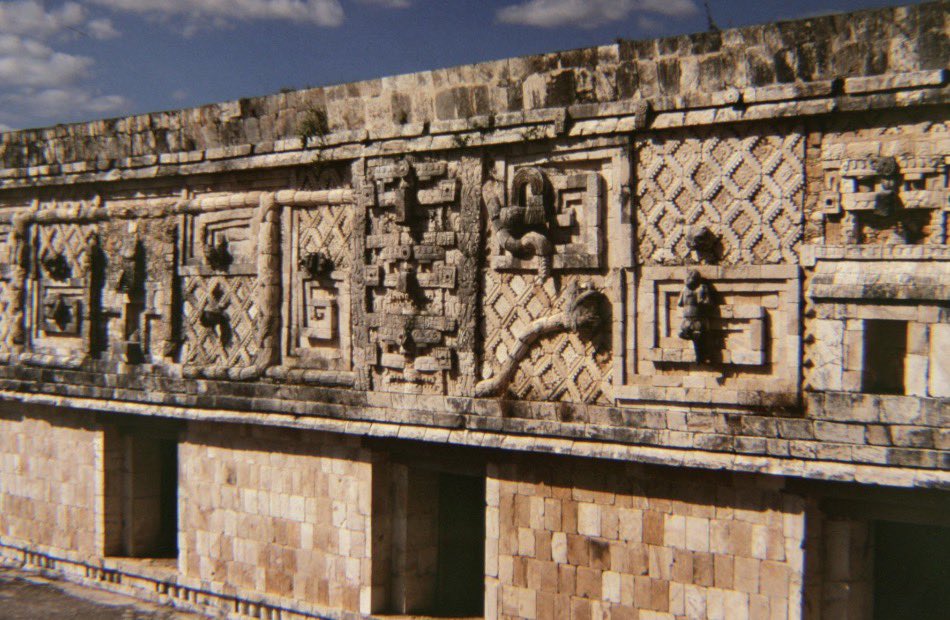
Frank Lloyd Wright- “The Mayan architecture is the most original, most sublime architecture that ever existed on the American continent… Uxmal is the acme.”
- “I would rather have built the Nunnery at Uxmal than St. Peter’s at Rome.”
What is real ARCHITECTURE?
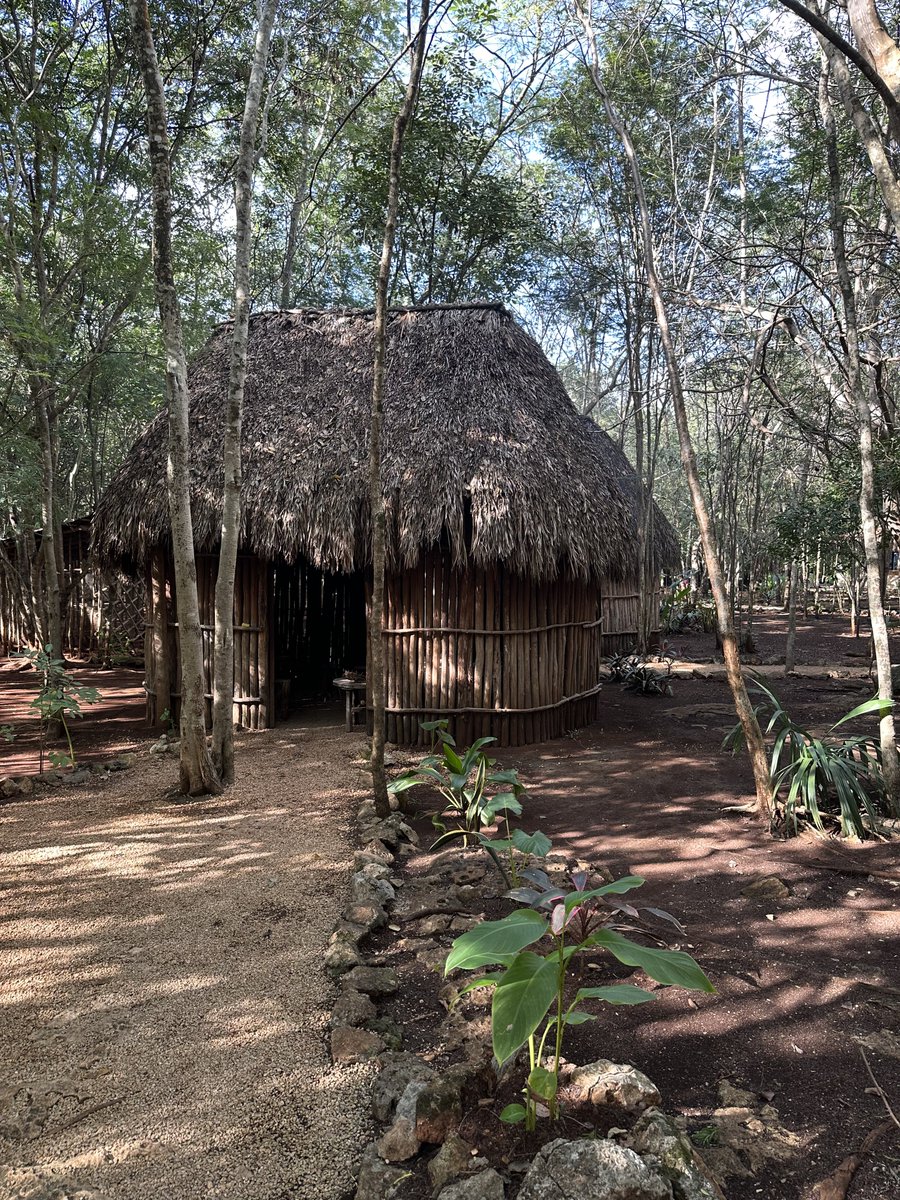
Look at this photo……this is real architecture.
It’s as simple as that, don’t make it difficult.
Solve the problem……..beautifully.
Ganar una Copa del Mundo es un logro enorme, pero son muchos los futbolistas que lo han conseguido a lo largo de la historia. Concretamente, 471. Te suenan los nombres de Peter Bonetti, Felice Borel, Paul Mebus o Virginio Rosetta? No? Pues ellos también son campeones del mundo.
Ser el mayor goleador en la historia del fútbol, en la historia de la Champions League, en la historia del fútbol de selecciones, en la historia del Real Madrid, en la historia de las Eliminatorias, en la historia de la Eurocopa… eso solo lo ha conseguido un ser humano de este planeta en el que convivimos más de 8.000 millones de personas.
Rendíos ya. Estáis golpeando vuestra cabecita contra una pared de acero.