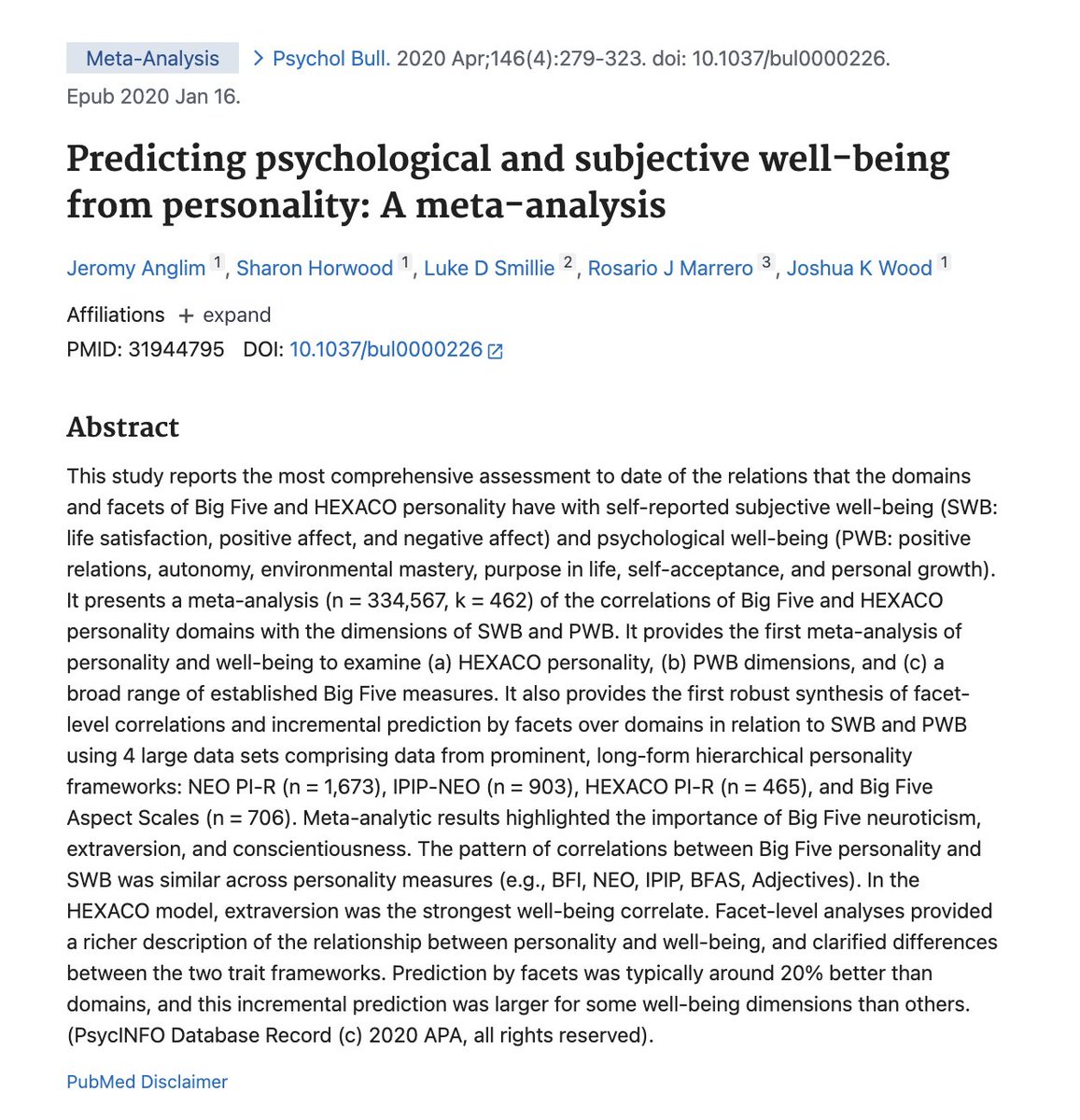
Your personality predicts how happy you are with your life. A giant review covering 334,567 people found that three traits matter most: how easily you get upset, how outgoing you are, and how organized you are.
Decades of research, 462 groups of people in all, went into the review by Jeromy Anglim's team at Deakin University in Australia. Psychological Bulletin published it in 2020. It used the Big Five, the most common way psychologists measure personality, plus a newer six-trait version that adds honesty and humility.
Getting anxious, sad, or irritated easily, a trait psychologists call neuroticism, was the biggest drag on happiness. The biggest boosts came from being social and energetic, and from being organized and reliable. In the six-trait version, being outgoing was the strongest predictor of all. Smaller pieces inside each trait, like cheerfulness inside being outgoing, predicted well-being about 20 percent better than the broad traits did.
People rated both their own personality and their own happiness, so some overlap comes from how people see themselves. Personality can also shift: a 2017 review in the same journal found that traits, especially emotional stability, changed in measurable ways after things like therapy. The traits most tied to a happy life are also traits people can work on. https://t.co/U8E4LwUnMj
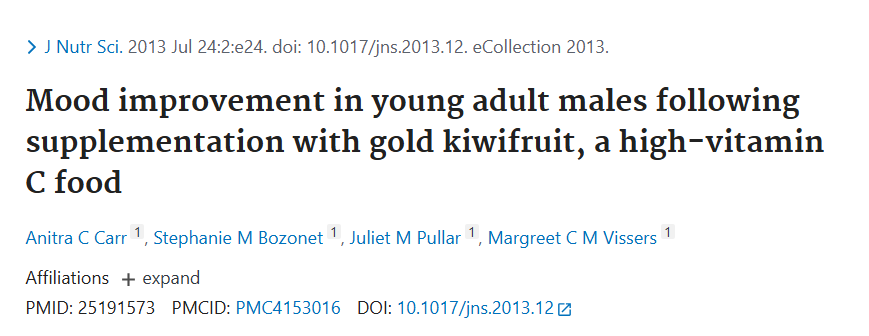
"Kiwifruit supplementation improved vitality and mood within 4 days, peaking around 14-16 days, and improved flourishing from day 14".
Yes, food impacts your mood, you mad?
Yulaf sütü seviyorsanız iki kez düşünün!
Aşağıda yulaf sütü ve normal süt ile içilen matcha latte farkını görüyorsunuz.
Kısaca şunu söyleyeyim;
Yulaf sütü=pankreasınıza attığınız çok sağlam bir yumruk...
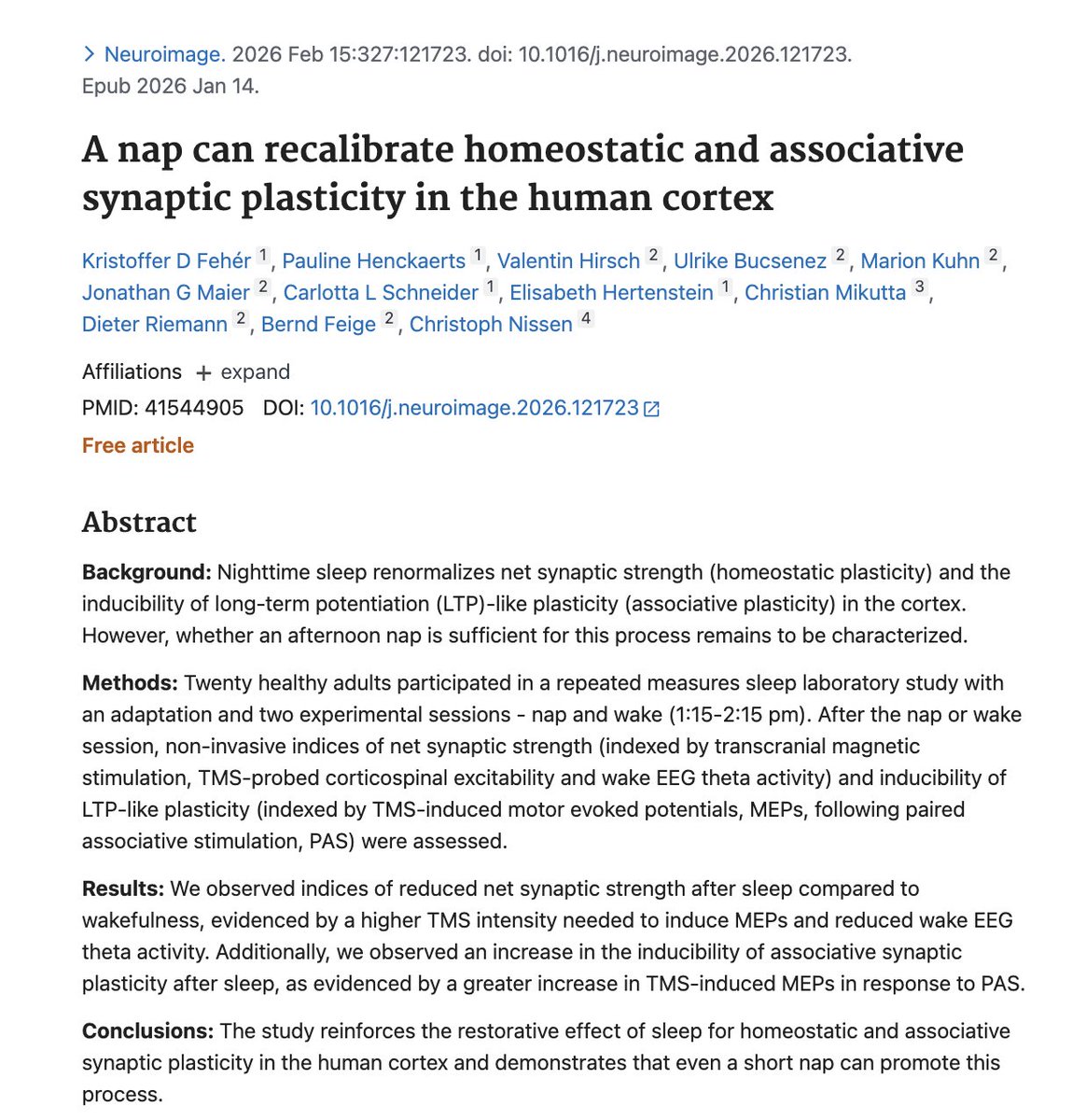
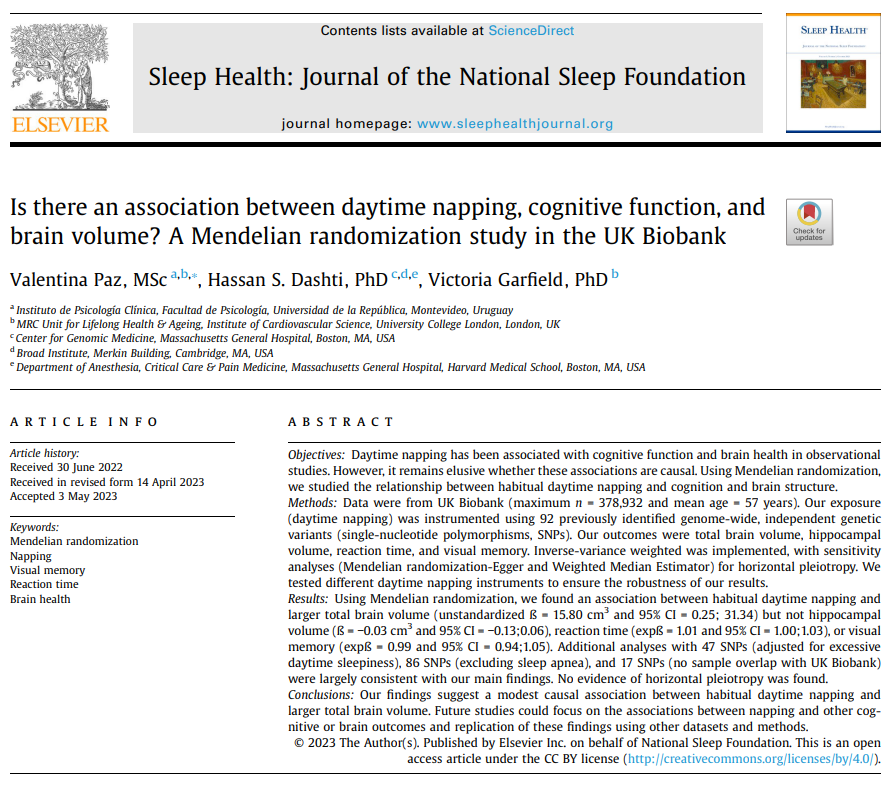
A one-hour afternoon nap helps reset your brain's ability to learn. A 2026 study in NeuroImage found that a nap calmed down overworked brain connections and made it easier for the brain to form new ones.
While you're awake, the connections between your brain cells get stronger as you take in new information. Over the day, they get close to full, which leaves less room to learn something new. A full night of sleep is known to reset these connections, so this study tested whether a nap could do some of that job.
Twenty healthy adults came to a sleep lab on two separate days. One day they napped from 1:15 to 2:15 p.m., and the other day they stayed awake. Afterward, researchers sent small magnetic pulses through the scalp that make a hand muscle twitch, which shows how strongly brain connections are firing. They also recorded brain waves.
After a nap, it took a stronger pulse to make the hand twitch, and a type of brain wave tied to sleepiness was lower. Both meant the connections had calmed down. Then the researchers tested how easily the brain could build new strong connections, which is what happens when you learn. After the nap, that came easier.
Learning itself was never tested, and 20 people is a small group. Even so, the reset that normally comes with a full night of sleep had already started after an hour-long nap in the early afternoon. https://t.co/NSIIb8dKIQ
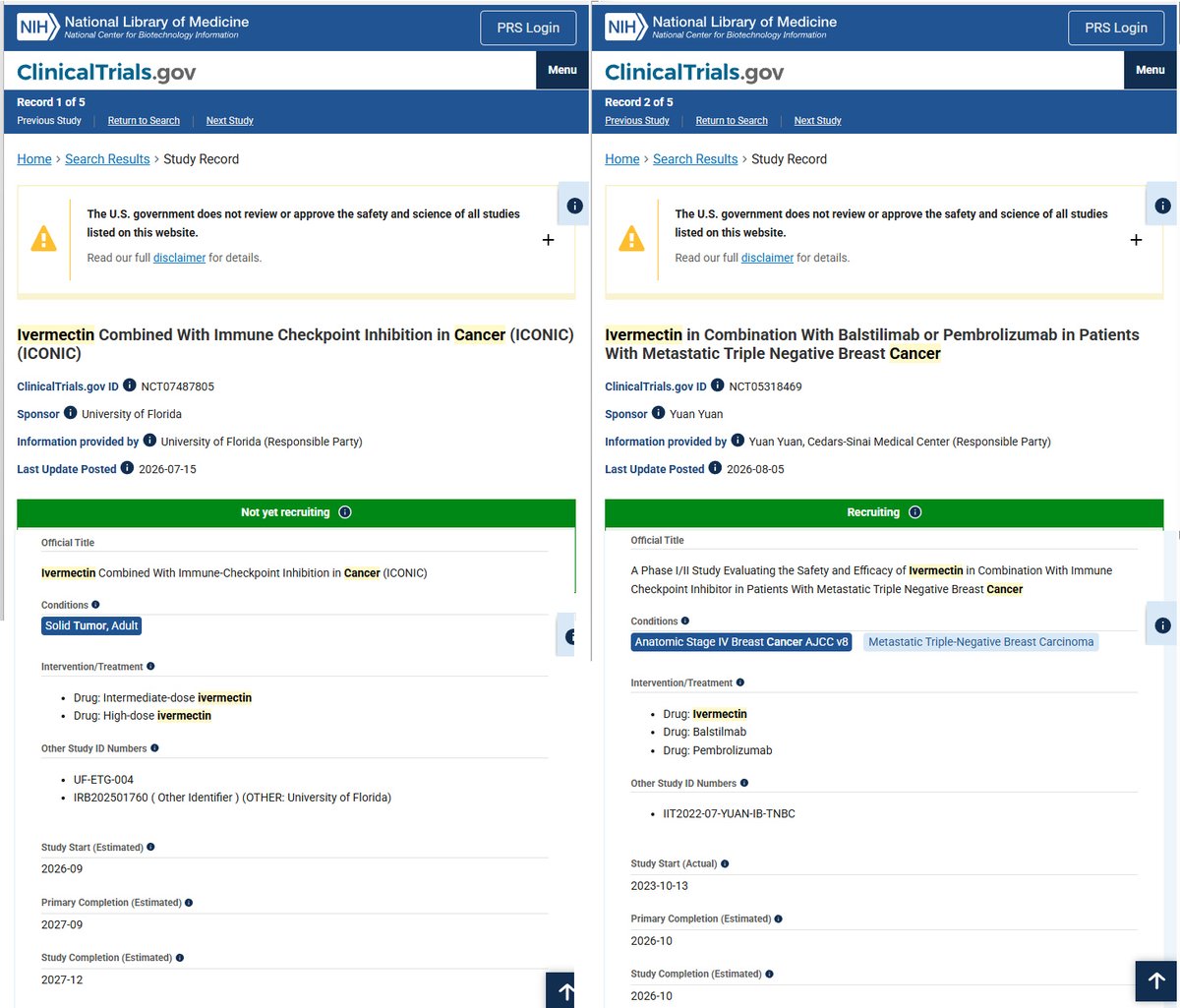
BREAKING NEWS: There are now 6 Clinical Trials Examining the use of Ivermectin in Cancer !
This has Big Pharma in an absolute panic !🚨
You see Big Pharma assets like Dr. Brian Goldman @NightShiftMD and @IanCopeland5 attacking and bashing Ivermectin use in Cancer. But why? 🤔
Why aren't they excited that Cancer Institutions like Moffitt Cancer Center are finally jumping on board?
Here are the 6 Clinical Trials (more are coming):
1. Cedars-Sinai Medical Center (NCT05318469)
2. University of Florida (NCT07487805
3. University of Miami (Shanta Dhar et al)
4. Tampa General Hospital (Ivan Borello et al)
5. Florida Intl University (Diana Azzam et al)
6. Moffitt Cancer Center (Chang Jiang et al)
Two will soon be completed (Cedars-Sinai in 2026-10 and U of Florida 2027-09)
and several more are coming VERY SOON! 😃
The Cancer Drug cartel is currently estimated at $233 billion revenue annually and it's about to get shaken up. 💪
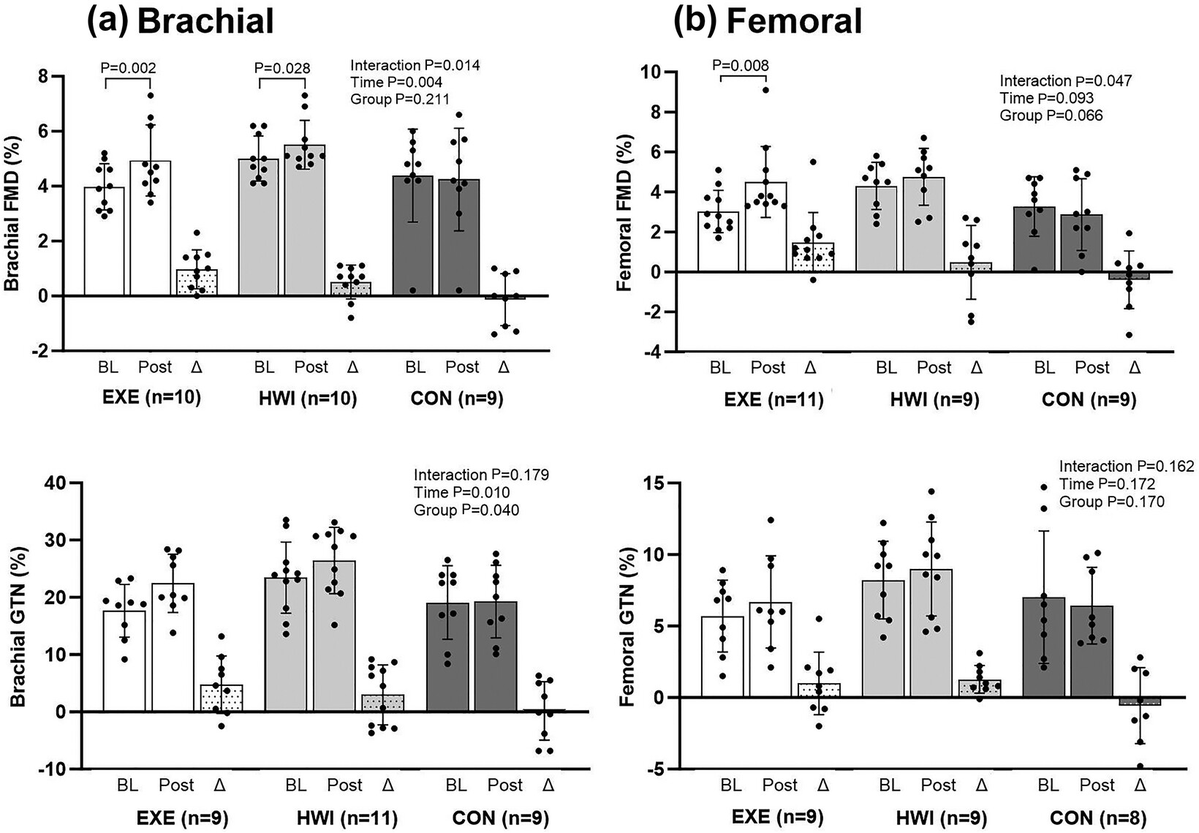
Hot water immersion improved vascular function as effectively as zone 2 aerobic exercise.
Participants completed three weekly sessions of either 40-minutes in 104°F (40°C) water or 40 minutes of moderate-intensity aerobic exercise. After 12 weeks, both groups showed comparable improvements in flow-mediated dilation (a measure of how effectively blood vessels widen in response to increased blood flow).
Research supports similar benefits for other passive heat modalities such as sauna. Neither is a replacement for exercise, but their ability to produce similar improvements in endothelial function is remarkable.
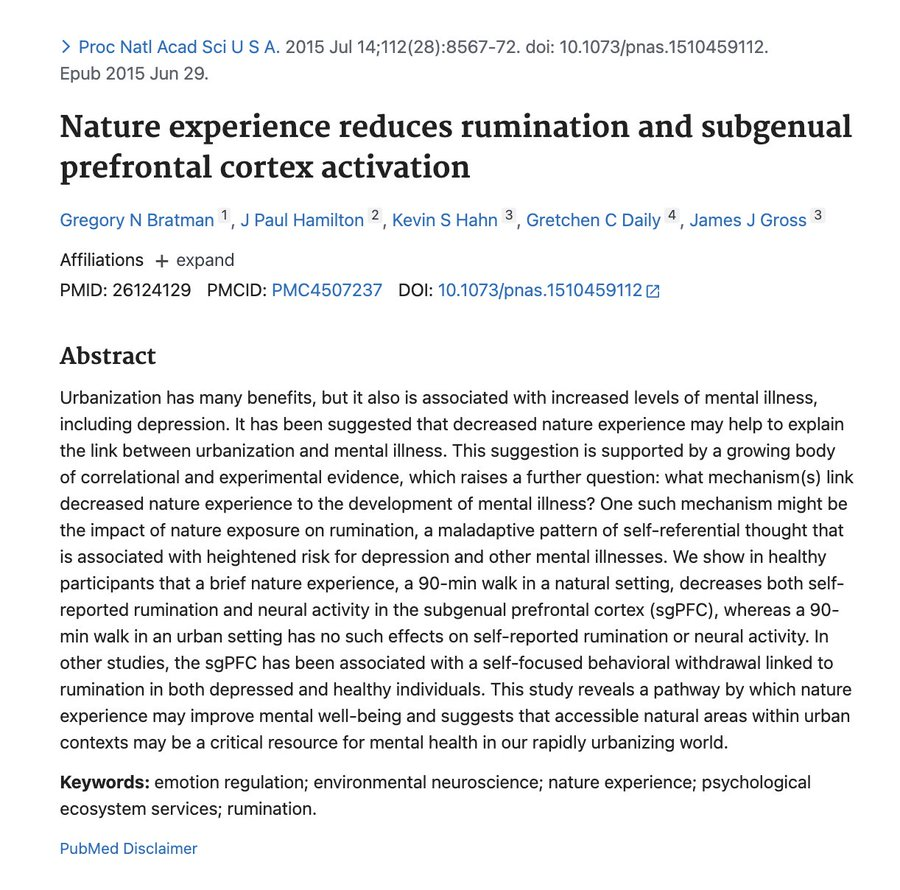
Doğada yürümek depresyonda aktif olan beyinin subgenual prefrontal kortex aktivitesini ve ruminasyon'u (kafada düşüncelerin dönüp durması) azaltıyor...
Kötü mü hissediyorsun yürü; kötü hissetmeye devam mı ediyorsun daha fazla yürü ...
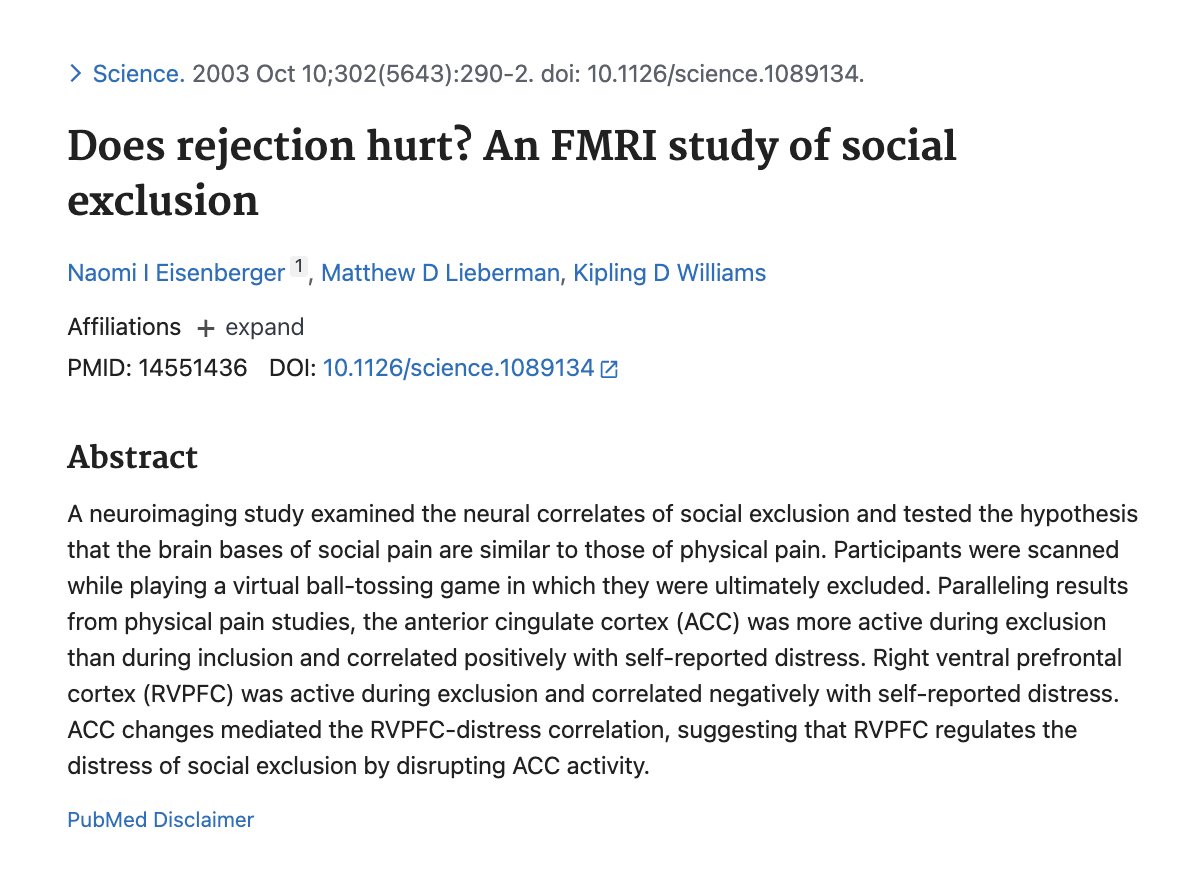
Being left out of a group activates the same brain region as breaking a bone. A 2003 study in Science used brain scans to show that social exclusion from a ball-tossing game lit up the anterior cingulate cortex, the exact region that processes the distress of physical pain, in the exact same way.
Naomi Eisenberger at UCLA designed a virtual ball game called Cyberball. The participant played with two other people, who were actually controlled by a computer. Partway through, the other two stopped throwing the ball to the participant. The exclusion was trivial. The players were strangers. The game did not matter. The brain reacted as though it did.
The anterior cingulate fired. The same circuit that makes you clutch a burned hand made the excluded player feel the sting of being left out of a game that meant nothing, by people who did not exist. The brain could not tell the difference between a social wound and a physical one.
A follow-up study found that Tylenol, which reduces physical pain, also reduced the neural response to social rejection. The painkiller worked on loneliness. The hardware is shared, and the pharmacy does not distinguish between the two kinds of hurt.
The next time someone says "get over it, it's not like they broke your arm," the brain scan says it is exactly like they broke your arm. The pain is processed in the same place, by the same cells, and the body does not have a separate system for hurt feelings. It has one system for all of it, and rejection lights it up. https://t.co/iIX6ucv3Ox
Bilimsel geçerliliği ve güvenilirliği yüksek 1 dakikada yapılabilen kişilik testi:
➡Dışadönüklük
1-Kendimi içine kapanık biri olarak görüyorum.
2-Kendimi dışa dönük, sosyal biri olarak görüyorum.
➡Yumuşakbaşlılık (uyumluluk)
3-Kendimi genellikle güven duyan biri olarak görüyorum.
4-Kendimi başkalarının hatasını bulma eğiliminde biri olarak görüyorum.
➡Özdenetimlilik (sorumluluk)
5-Kendimi tembellik etme/kaytarma eğiliminde biri olarak görüyorum.
6-Kendimi bir işi tam yapacak biri olarak görüyorum.
➡Nörotiklik (duygusal dengesizlik)
7-Kendimi rahat ve stresle başa çıkabilen biri olarak görüyorum.
8-Kendimi kolayca gerilen/kaygılanan biri olarak görüyorum.
➡Deneyime Açıklık
9-Kendimi çok az sanatsal ilgisi olan biri olarak görüyorum.
10-Kendimi canlı/aktif bir hayal gücüne sahip biri olarak görüyorum.
1 den 5'e kadar puan ver.
(ters madde 1-5, 2-4, 3-3, 4-2, 5-1 puan sayılır)
Dışadönüklük: madde 1 (ters), madde 6 (düz)
Uyumluluk: madde 2 (düz), madde 7 (ters)
Sorumluluk: madde 3 (ters), madde 8 (düz)
Nörotiklik: madde 4 (ters), madde 9 (düz)
Deneyime açıklık: madde 5 (ters), madde 10 (düz)
Her boyut için iki maddenin puanı toplanıp 2'ye bölünür, 1-5 arasında nihai bir skor elde edilir.
⏺Aldığınız puana göre özellikler sizde ne kadar güçlü:
-1-2.5 arası: o kişilik özelliğinde DÜŞÜK
-2.6-3.4 arası: o kişilik özelliğinde ORTALAMA/DENGELİ
-3.5-5.0 arası: o kişilik özelliğinde YÜKSEK
Your grandmother was right about chicken soup. A 2000 study in the journal Chest found that chicken soup inhibits the movement of white blood cells called neutrophils, which are the cells responsible for the inflammation that causes cold symptoms.
The study was led by Stephen Rennard at the University of Nebraska Medical Center. He tested his wife's grandmother's recipe, a traditional chicken soup with onions, sweet potatoes, parsnips, turnips, carrots, celery, parsley, salt, and pepper, and found that the broth reduced neutrophil migration in a dose-dependent way. More soup meant more suppression.
Neutrophils are the first responders of the immune system. When you catch a cold, they rush to the infected tissue and release inflammatory chemicals that produce the stuffy nose, the sore throat, and the congestion. The cold virus is not what makes you feel awful. The immune response is. Chicken soup dampens that response enough to reduce symptoms without shutting down the immune system entirely.
Rennard tested commercial soups too. Most of them showed a similar effect, though his wife's grandmother's recipe was among the strongest. The active compounds have not been fully identified, but the anti-inflammatory effect was consistent and measurable.
For a hundred years, grandmothers have been prescribing a bowl of soup for a cold, and for a hundred years doctors smiled and said it was just the warmth and the comfort. The study says the grandmothers were doing immunology the whole time. https://t.co/Me2ZOWiWmt
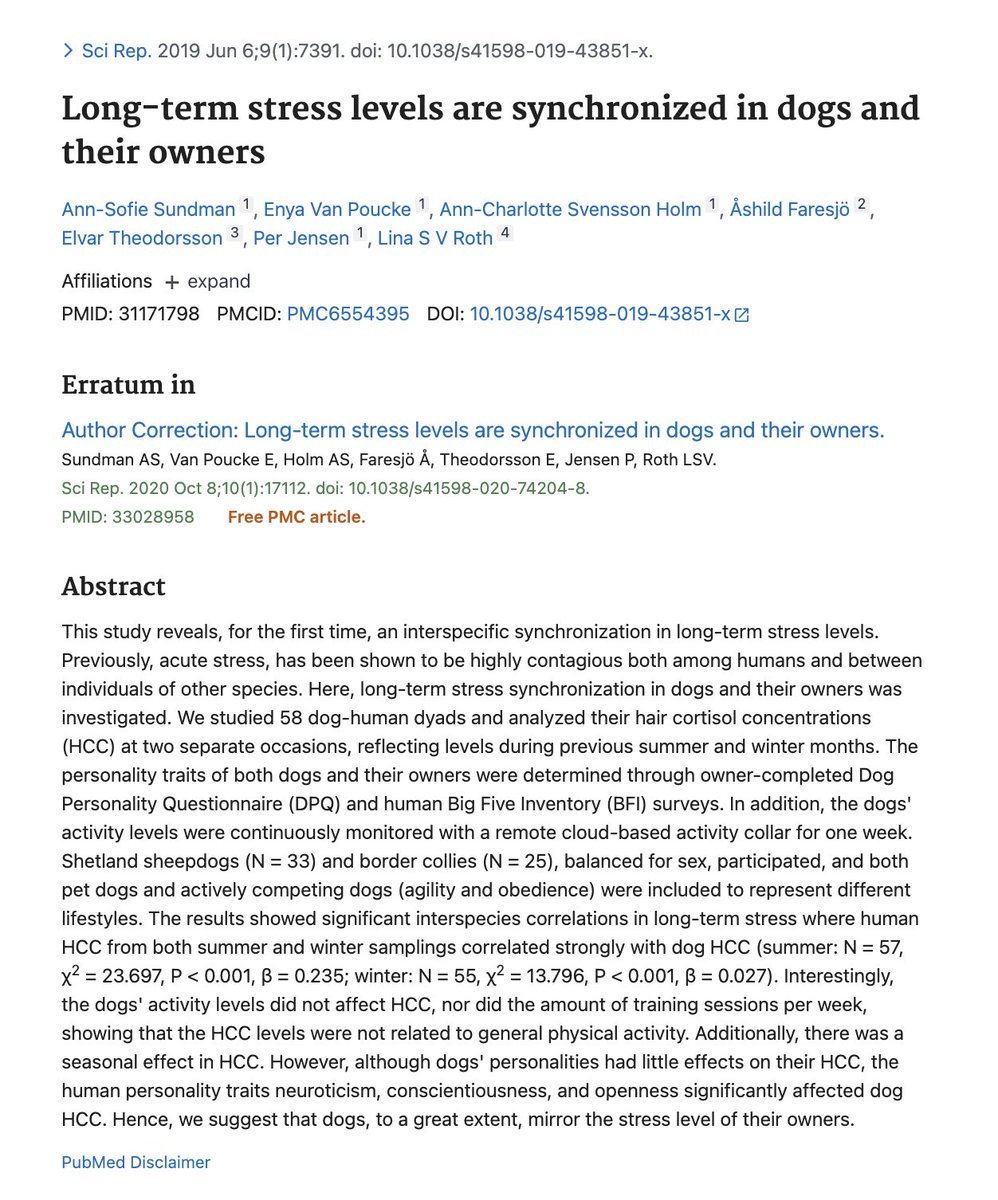
Your dog carries your stress in its body for months. A 2019 study in Scientific Reports measured cortisol in the hair of 58 dogs and their owners over a full year and found that the two rose and fell together. When you are stressed, your dog is stressed. When you calm down, so does it.
The synchrony was not driven by walks, weather, or the dog's own life events. It was driven by the owner. Dogs whose owners scored higher on personality measures of anxiety showed higher cortisol year-round. The dog's body was tracking the owner's emotional state over months, not moments.
The bond between a human and a dog is not a one-way relationship where the human provides and the dog receives. The dog is absorbing the household's emotional weather and carrying it in its endocrine system. Your bad month is its bad month.
This is what 15,000 years of co-evolution looks like. The dog did not just learn to read your face. It learned to sync its chemistry to yours, and the hair on its back is keeping a record of how you have been feeling since the last time it was groomed.
The next time someone says "it's just a dog," the cortisol data says otherwise. The dog is a mirror with a heartbeat, and the reflection goes deeper than behaviour. https://t.co/L5PUkx6Jg9
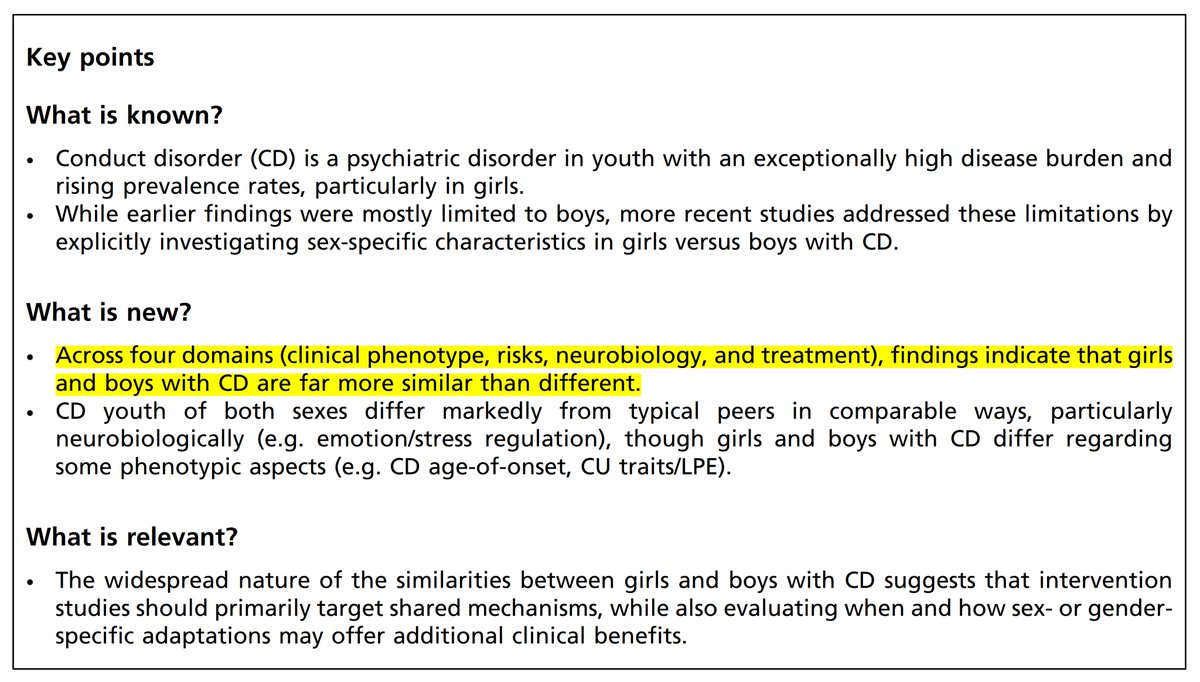
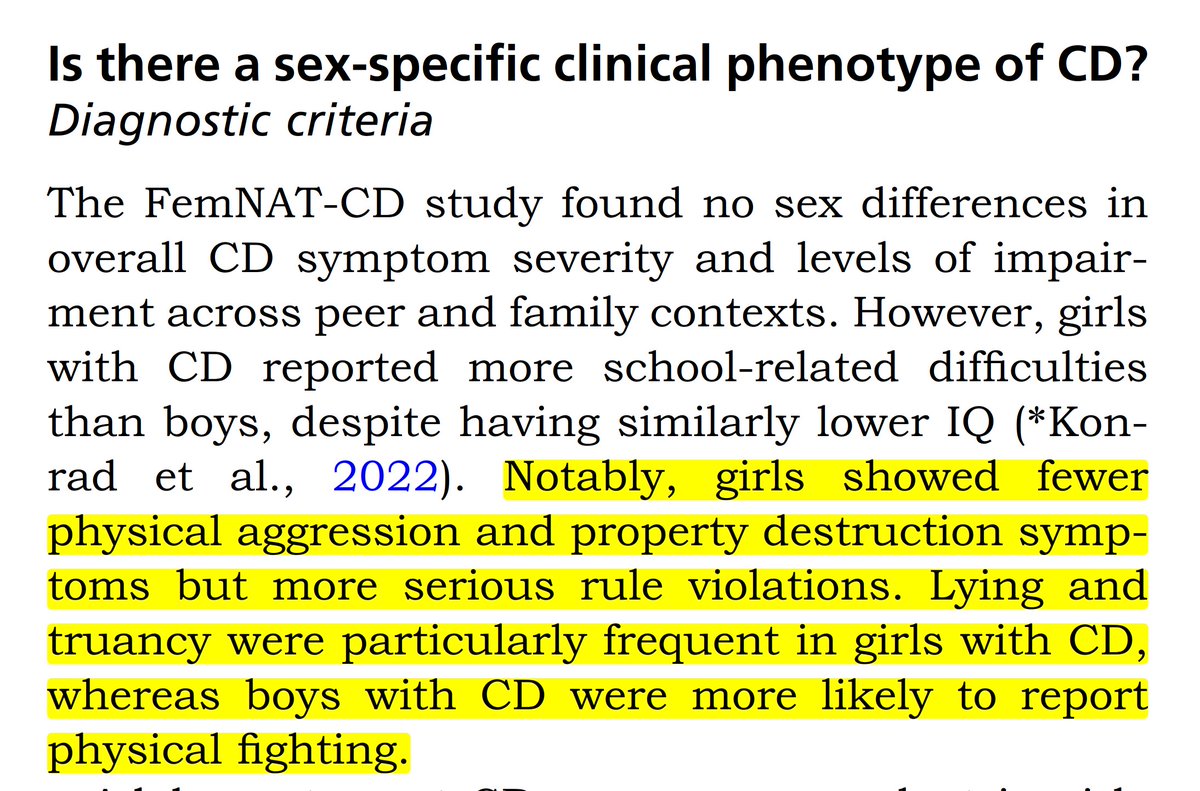
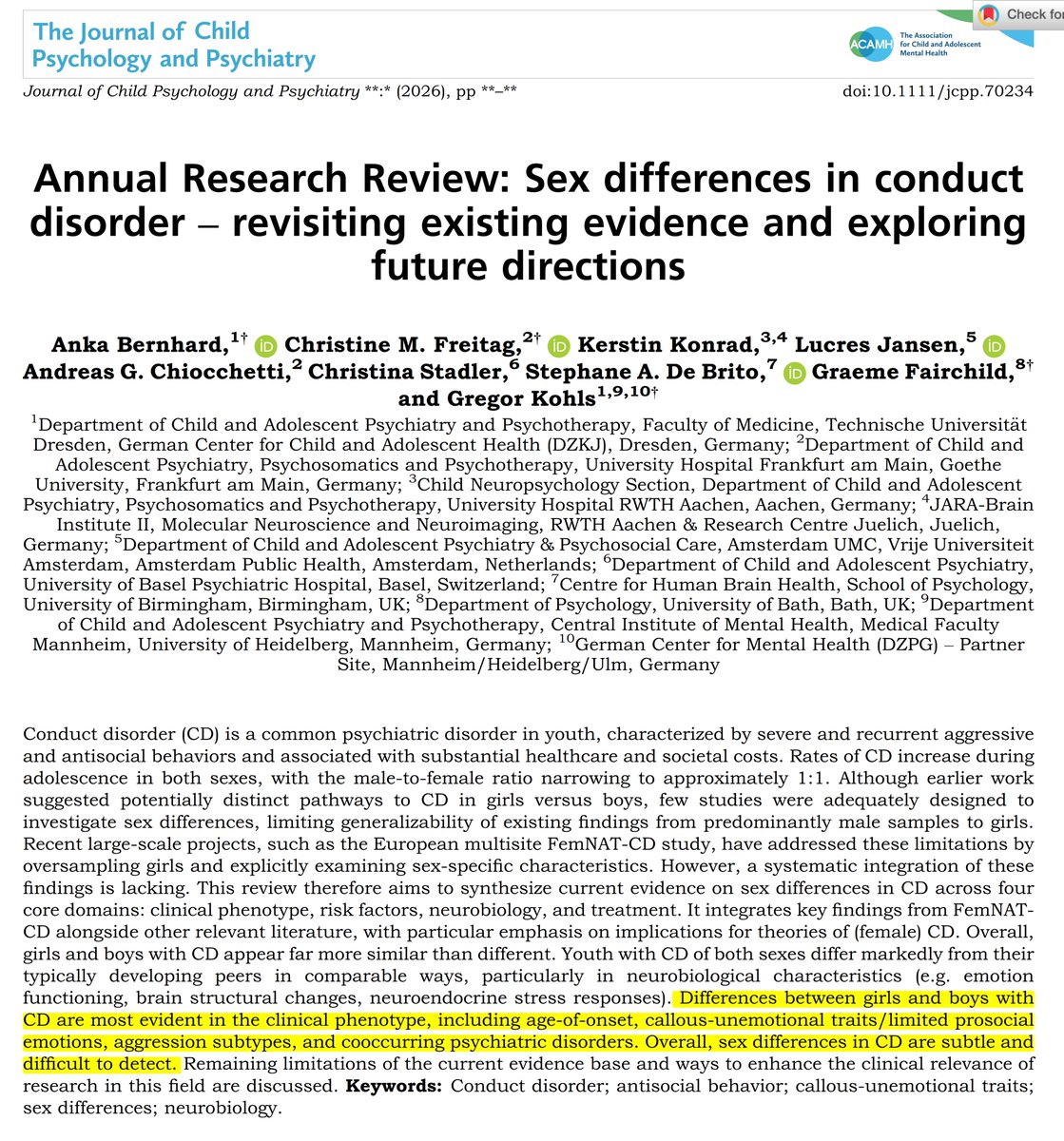
Erkek ve kızlar arasında sanıldığı kadar antisosyal davranış farkı yok. Farkı yaratan esas şey dışavurum tarzı:
Erkekler fiziksel kavgaya yönelirken; kızlar ilişkisel manipülasyon, itibar zedeleme ve sinsi kural ihlallerine yöneliyor.
Bir sorununuz var ve çözmek mi istiyorsunuz?
Bir gece mutlaka üzerine uyuyun!
Bu bilinen en güçlü problem çözme araçlarından biridir. Uyku evresinin ilk aşamasına kısa süreliğine giren insanların %83’ü gizli bir matematik kısayolu keşfetti. Uyanık kalanların ise yalnızca %30’u bunu başardı.
Hatta Einstein gibi dahilerin bunu bildiği ve kafalarına takılan problemlerin çözümü için gün içerisinde uyukladıkları bilinir.
Hatta Einstein için bir hikaye bile var, sandalyesinde uyuyakalırken elinde büyükçe bir anahtar tutarmış, tam uyuya kaldığı sırada anahtar düşer ve uyanırmış.
Problem çözümü tam o sırada gerçekleşiyor ...
One night of bad sleep makes your brain 60 percent more reactive to negative experiences. The amygdala, the brain's threat detector, fires harder without sleep, and the prefrontal cortex, the part that calms it down, goes quiet. The result is a person who overreacts to everything and cannot explain why.
Matthew Walker at UC Berkeley showed this in a 2007 study that scanned the brains of people who had been awake for 35 hours. The amygdala was 60 percent more activated by negative images in the sleep-deprived group compared to the rested group, and the communication between the amygdala and the prefrontal cortex had been severed.
This is why a small comment from a coworker can ruin your morning after a bad night. The brain lost its brake pedal while you were lying awake, and now every emotional signal arrives at full volume with no one at the controls. The comment did not change. Your brain's ability to handle it did.
The study found that the sleep-deprived brain did not just overreact to negative stimuli. It also failed to distinguish between low-threat and high-threat signals. Everything got the same alarm. A slightly rude email and a genuine crisis received the same cortisol response, because the system that ranks threats by severity had gone offline.
The worst decision you make today might not be a thinking error. It might be a sleeping error. The research says eight hours is not a luxury. It is the maintenance cycle that keeps the emotional thermostat working, and skipping it turns the volume up on everything that goes wrong. https://t.co/PxjrdbiOmM
nobody tells you this: music isn't just entertainment. it's neurological intervention. the right song can shift your emotional state in under 30 seconds. it bypasses your rational brain entirely and speaks directly to your limbic system. curate playlists for specific moods. it's a free pharmacy.
Loneliness rewires the brain to see threats everywhere. A 2018 study in the Scandinavian Journal of Psychology found that lonely people show heightened stress reactivity and increased sensitivity to social threat, even in situations that are not threatening, because the brain has shifted into a permanent defensive mode.
The study measured cortisol responses to social stress tests and found that participants who scored higher on loneliness showed larger and longer-lasting cortisol spikes when placed in mildly stressful social situations. Their bodies were reacting to a casual interaction the way a non-lonely person's body reacts to a genuine threat.
The neuroscience behind this was described by John Cacioppo, the leading researcher on loneliness until his death in 2018. He found that loneliness activates the brain's threat surveillance system, making lonely people hypervigilant to signs of rejection, hostility, and exclusion. The problem is that the hypervigilance creates a self-fulfilling prophecy: a person scanning for rejection is more likely to interpret neutral cues as negative, which pushes people away, which deepens the loneliness.
The brain is not broken. It is doing what evolution designed it to do: when you are isolated and unprotected, the safest strategy is to assume everything is a threat. The response made sense on the savannah, where isolation meant vulnerability to predators. In a modern living room, it means watching a friend's face for signs of disapproval that are not there.
Loneliness is not sadness. It is a state of threat, and the body is running a programme that was designed for survival and is now trapping the person inside it. https://t.co/0DFXFdcICb