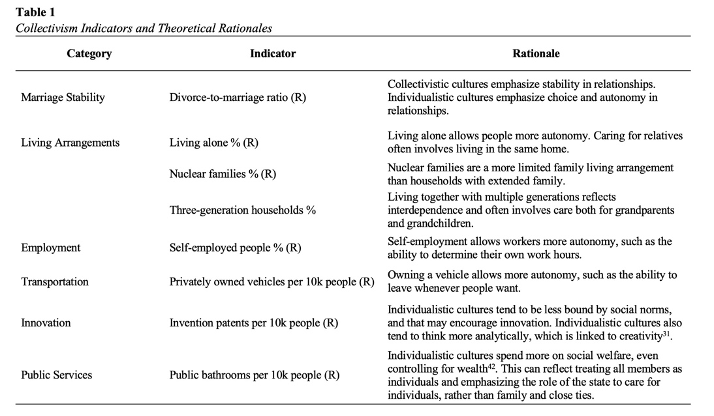
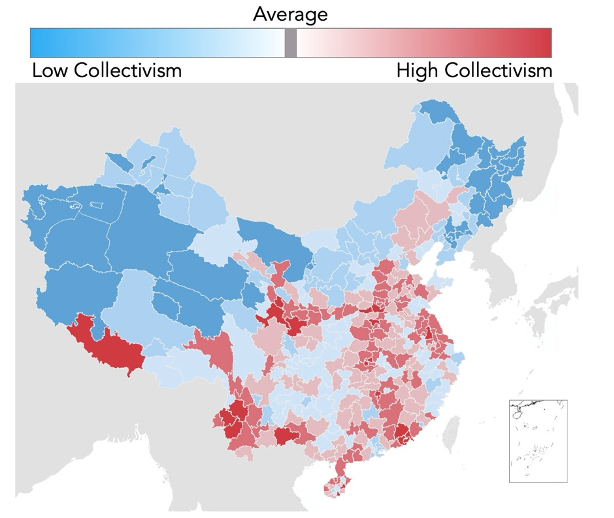
My team created a collectivism index uses data on living alone, living with extended family, divorce rates, and other factors. @NaturePortfolio https://t.co/8Z3ZTRROcD
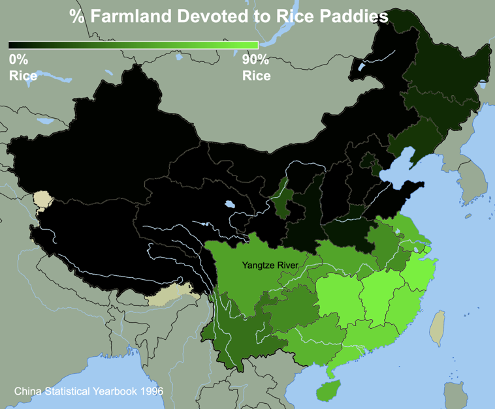
Northern and southern China have different cultures (I think) because rice required more labor and coordination than wheat in northern China. That could explain why southern China has tighter social norms and more nepotism. https://t.co/TTOyFoKUxq @AlexEngPsych@PNASNews
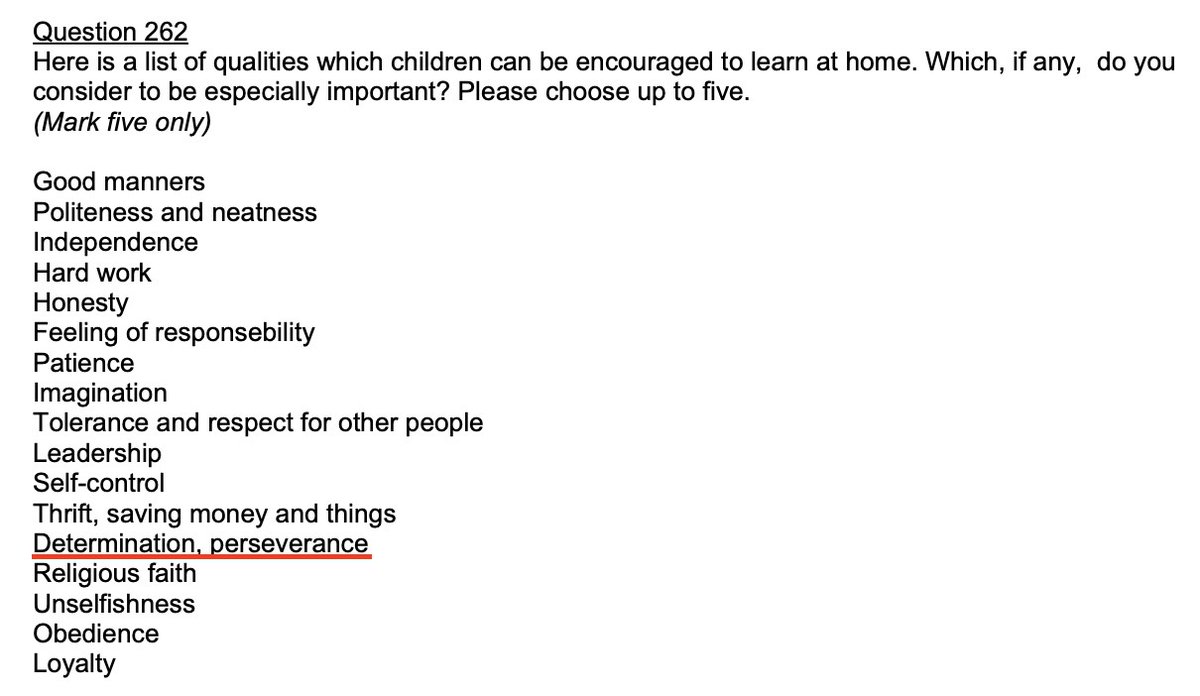
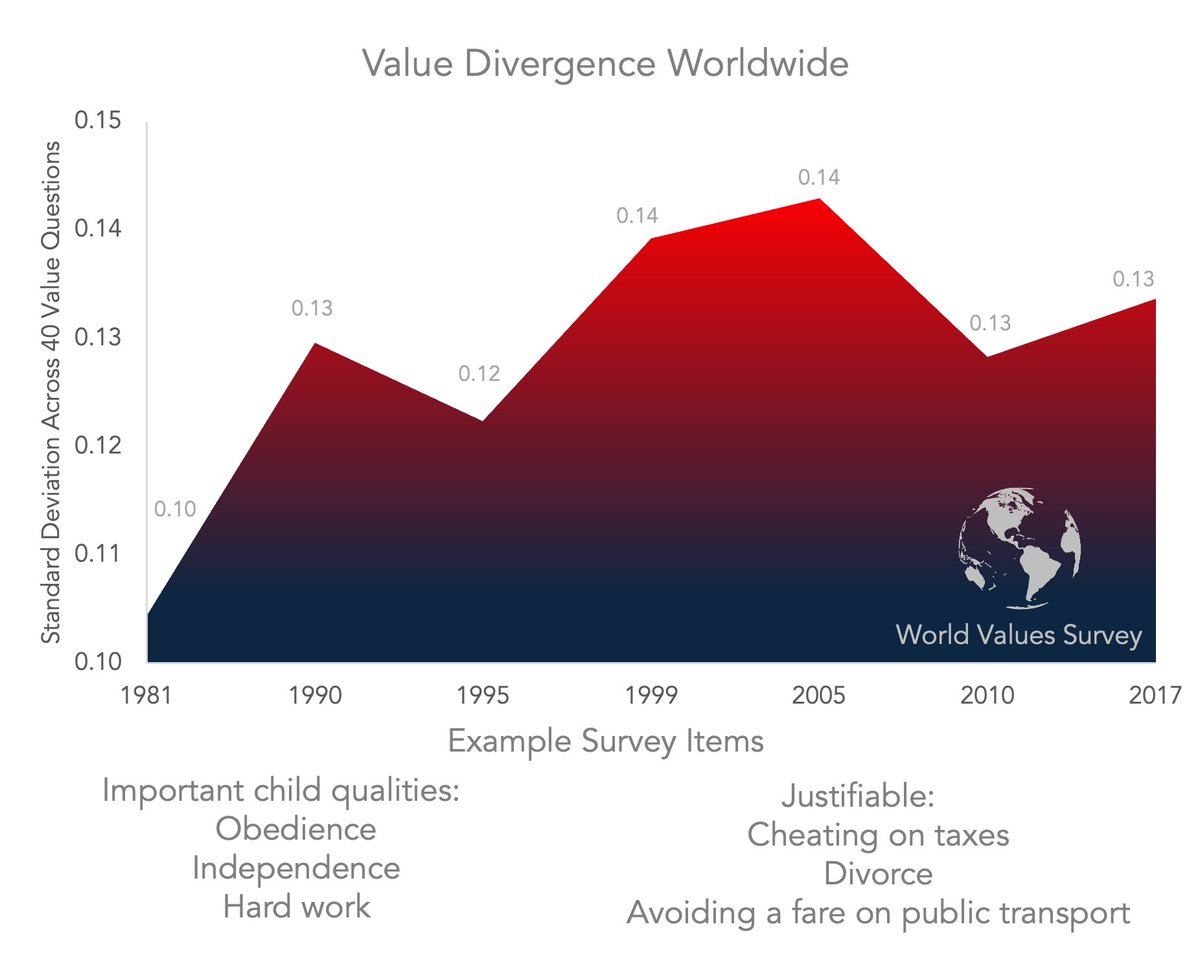
People around the world used to agree more about things like the morality of suicide and the importance of teaching children perseverance. Now people agree less than they used to.
But there's some evidence that cultural differences are actually becoming larger! 🧐 For example, if we look at all 40 values questions in the World Values Survey going back to the 1980s, cultures have become *more different*, not more similar. Weird! https://t.co/mQuXwcSk1i
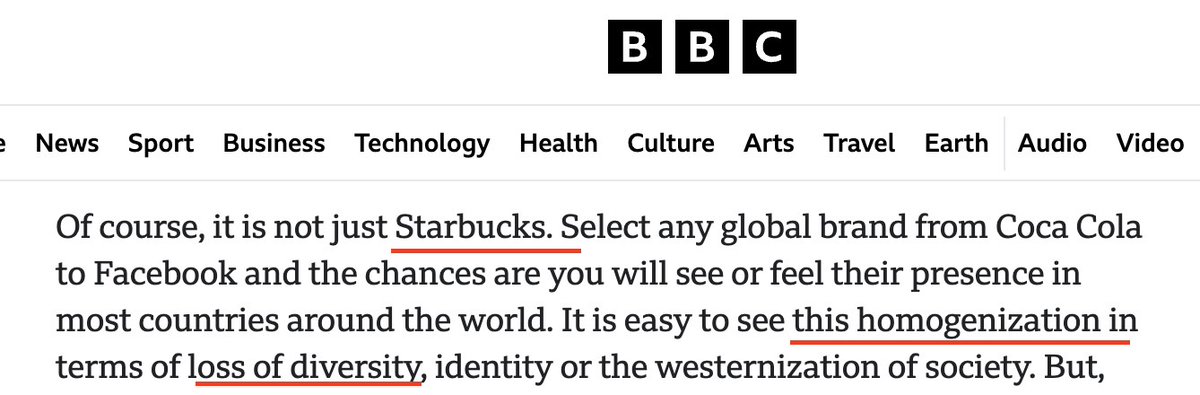
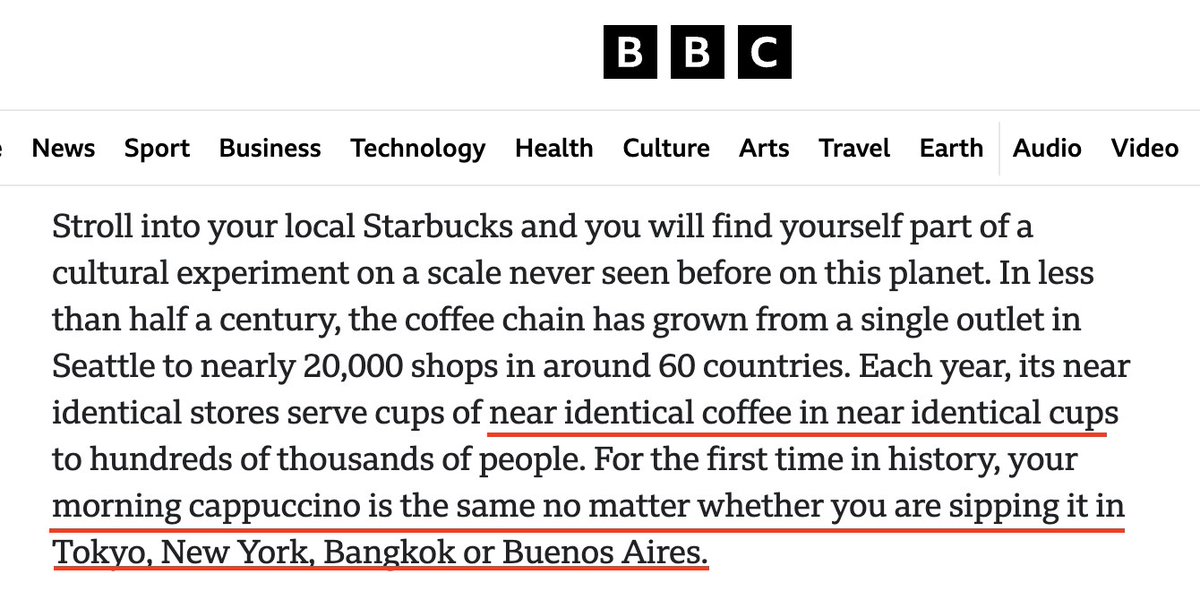
People have the strong intuition that modernization is erasing cultural differences. The idea is that people around the world have Netflix and Starbucks now...
New Pub: With Dr. Agnes Szabo: Understanding cultural identity processes and pathways to psychological adaptation for foreign residents in China
https://t.co/uPROIi1aDA
Fellow researchers: Use my data! 📢 The whole point of the journal Scientific Data is to validate and share datasets for other researchers to use. It's all available on the Open Science Framework: https://t.co/1HrmFjWbDO
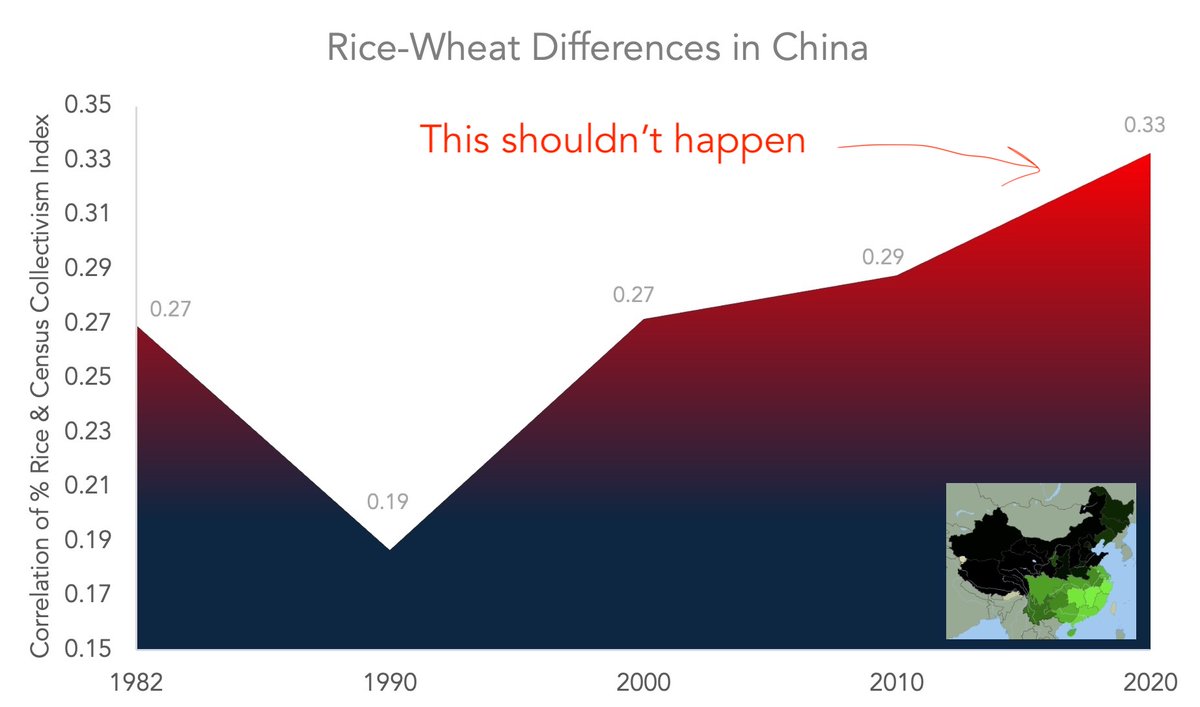
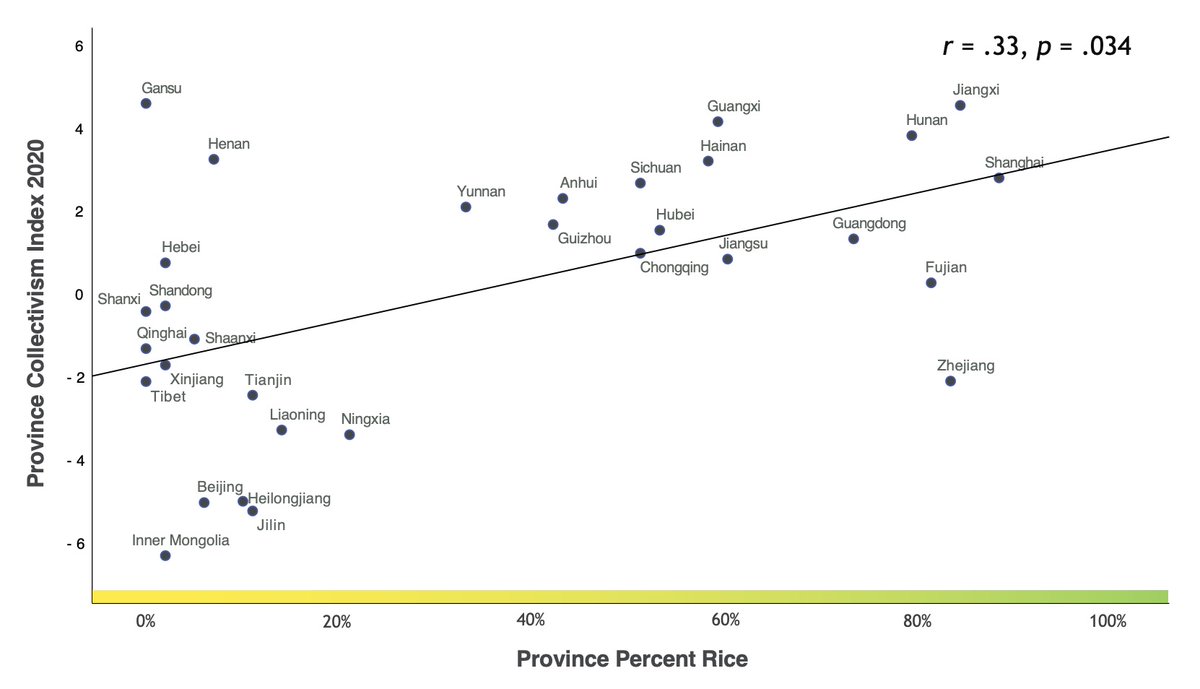
And here's a taste of the types of analyses you can do with this data. Why are some places more collectivistic than others? If you know me, you guessed it--a history of rice farming! 🌾
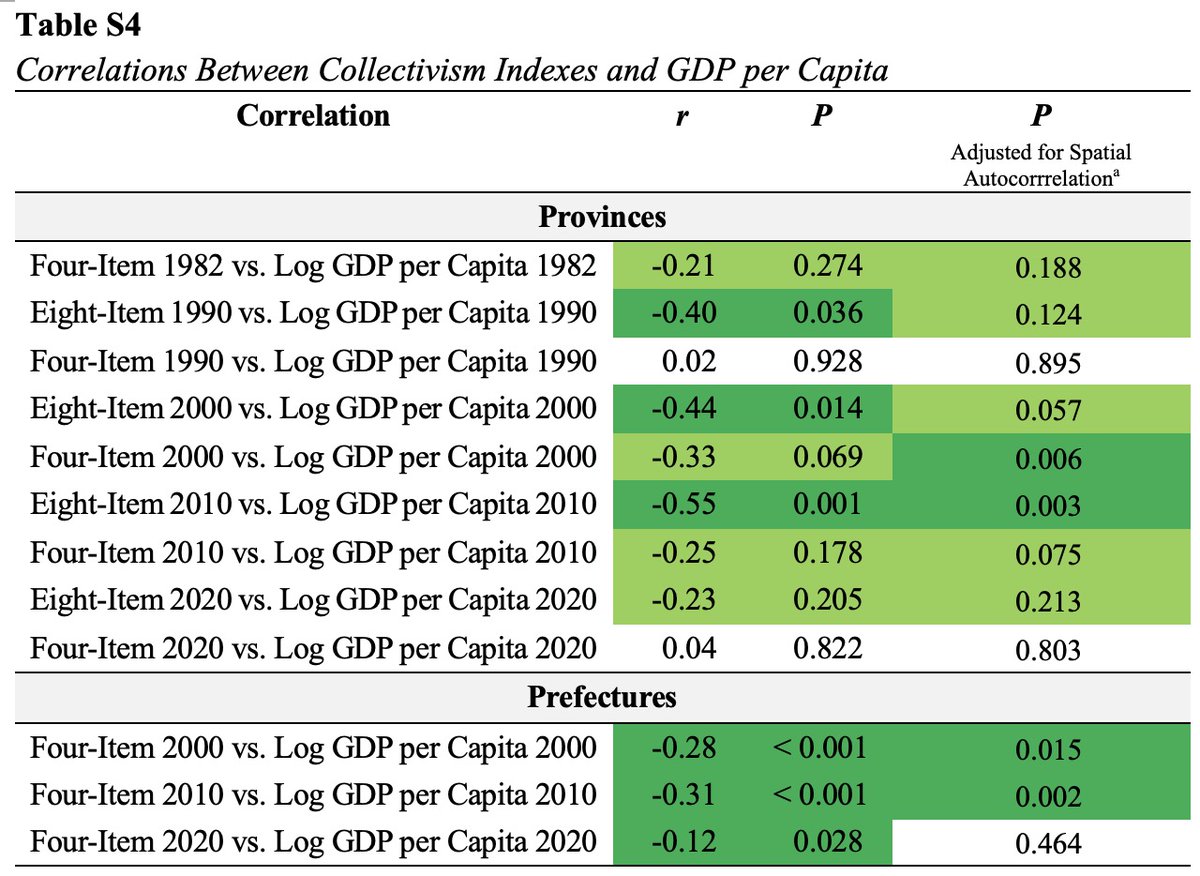
But wait, is this just measuring economic development? After all, people need money to live on their own (and get divorced). It *is* correlated with GDP per capita, but not as strongly as people might think. It's just r = .04 in the latest province data! 😮