#PhD#Nurse advancing practice through evidence & innovation. Adventurer, mom + eternal optimist. @UofT @queensu @masseycollege alum #AVFC⚽️ Tweets are my own
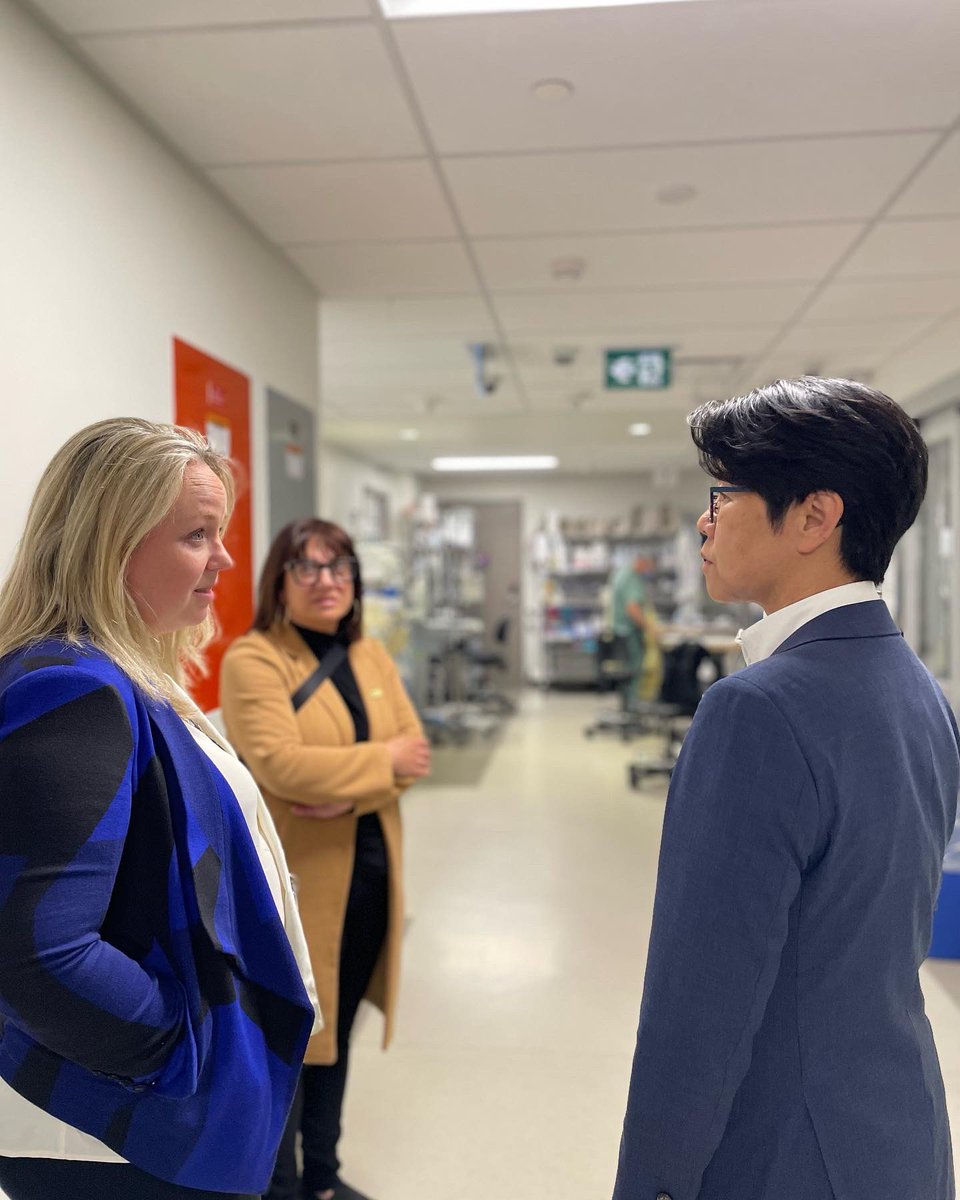
Thank you to the hard-working nurses at St. Michael's Hospital and the @RNAO for yesterday's tour in honour of #NursingWeek! I am eternally grateful for the heroes behind the scenes who tirelessly uphold our healthcare system. 1/2
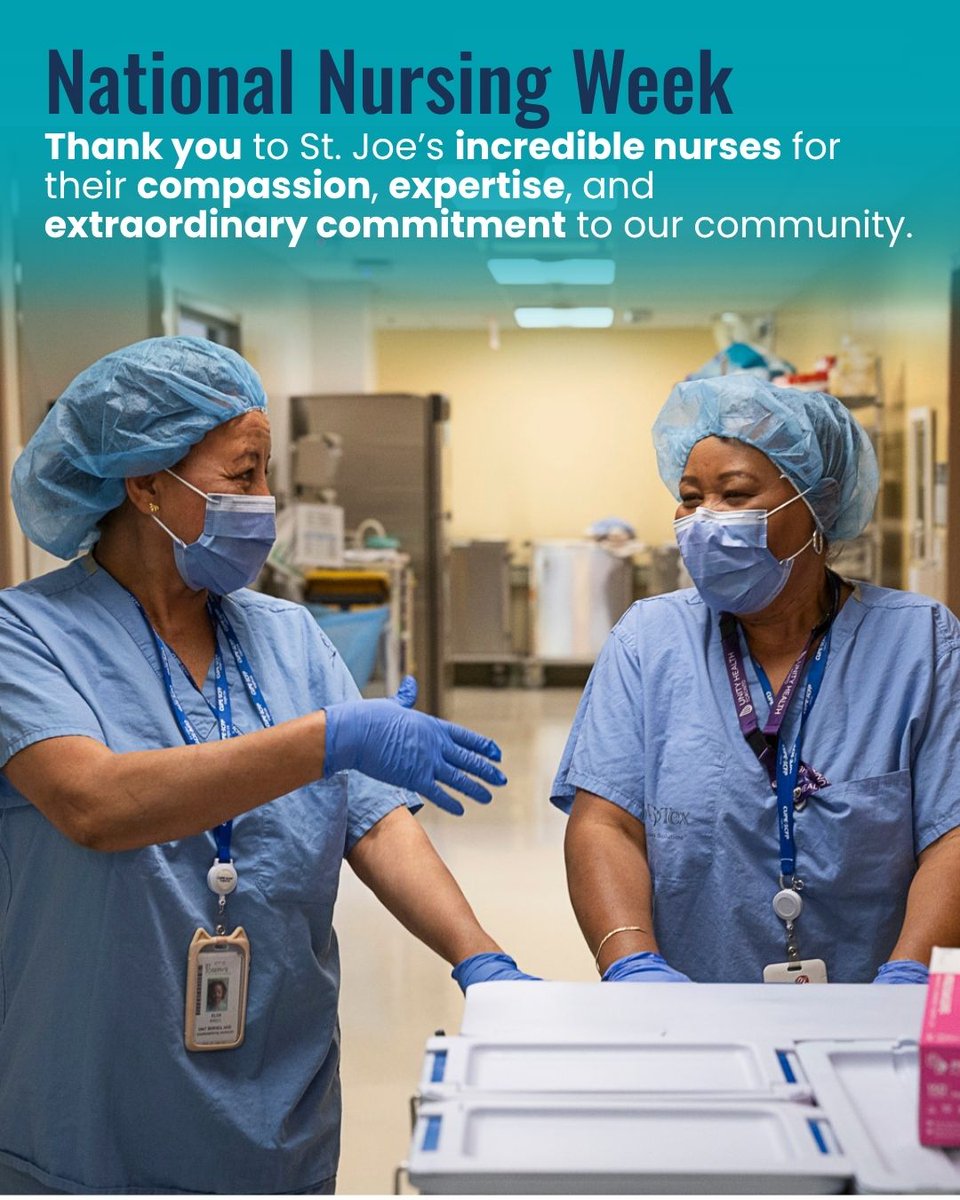
Happy Nursing Week to the amazing nurses at St. Joe’s! Thank you for your compassion and dedication 💙 Your care makes a difference every day. Make a circle gift to celebrate a nurse or caregiver: https://t.co/yw39bwIFJB #NursingWeek#ThankYouNurses#HealthcareHeroes#StJoes 🌟
I am so excited to represent canadanurses at the cchl conference coming up in June! I have so much to say on courage, can't wait to see you there! REPOST: Hear remarks from Amie Archibald-Varley one of this year’s CCHL National Conference keynote speakers. Amie shares what
Because my elderly homeless patient has no housing, their medical condition deteriorates until worried bystanders call 911. This is more difficult for the patient - and it costs Ontario taxpayers a lot more money.
We have the money - but not the will - to end homelessness.
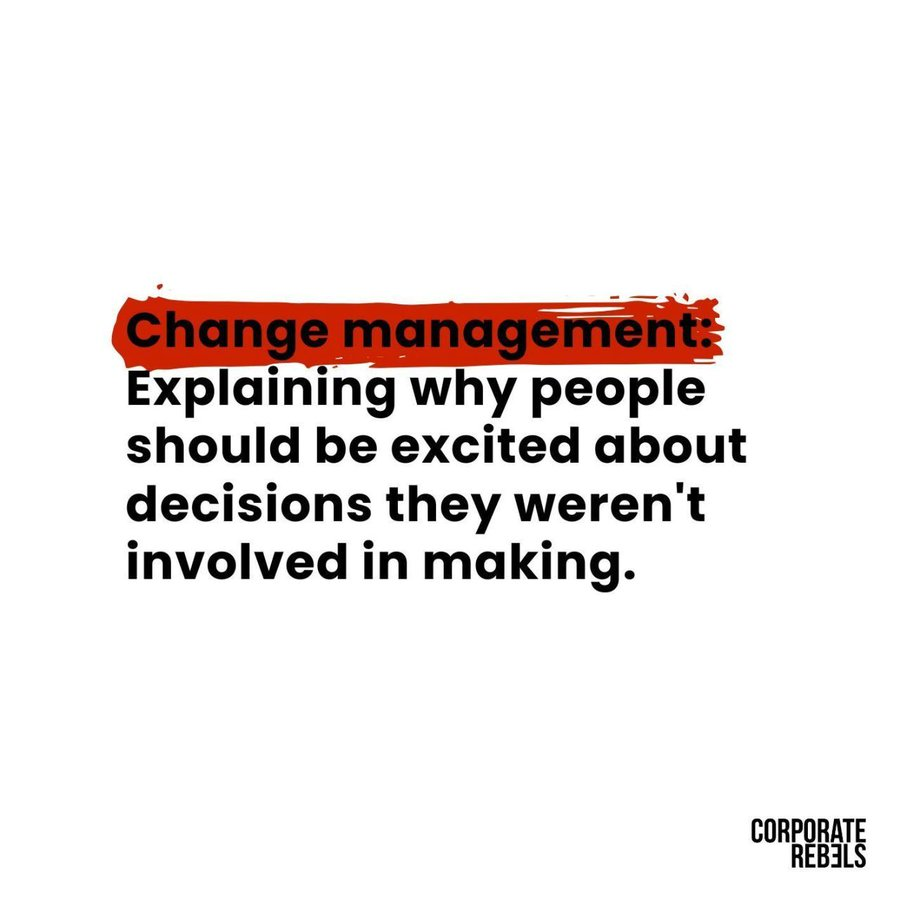
I typically do not use the term “change management” (unless I’m working with a partner who wants or needs to use it).
“Managing” change implies order, planning & stability; the ability to forecast, direct & deliver outcomes. Yet very few change or transformation plans deliver what they set out to deliver, in the predicted timescales. We no longer operate in a stable world where we undertake a change project and move back to equilibrium. Our environment moves faster, acts in more interconnected ways & is full of ambiguity. Change is relentless & continuous. We need to focus on building adaptive capacity & creating a collective process, not on "managing" change as a discrete, manageable task.
Michael Hudson talks about shifting from “change management” to “change fitness”. He sets out three core leadership practices for enabling change:
1. Continuous sensemaking: This involves incorporating five minutes of sensemaking into existing team routines, understanding what is different or changing. Over time, this practice builds "complexity capacity" & the ability to hold onto multiple, often contradictory realities without becoming overwhelmed.
2. Strategic energy management: Treating people’s energy as a finite resource that needs to be deliberately managed, like any other resource.
3. Learning from navigation, not just success: Shifting from an outcome-focus to process-focus builds the ability to prevail in situations where the path forward is unclear.
https://t.co/fBLzsTphOF Via @Forbes.
Graphic from @corp_rebels.
Energy is a topic that has been growing in traction in the field of organisational & system change. I describe energy as the vitality that enables the system and the people in it to work together in a cohesive way, develop, grow and improve.
Most change initiatives don’t die because of a lack of planning. They die because the energy for keeping them moving forwards gets shifted elsewhere or gets exhausted. Leaders play a critical role as enablers of this vital resource for change.
Energy becomes exponentially more important as the kinds of change initiatives we engage in get more more complex, covering bigger systems. The amount of energy it takes to create coherence & cohesiveness in cross-functional, cross-organisational change is substantial. If we don’t build in a focus on energy, the system gets pulled apart by factors like conflicting objectives, gravity, friction & information decay.
A framework I find helpful is to contrast the “anatomy” & “physiology” of change. We need to work with & sustain a focus on both for the long term.
This post is inspired by a fantastic piece by Miguel Pantaleon in @medium: https://t.co/hoMbD7vQL9.
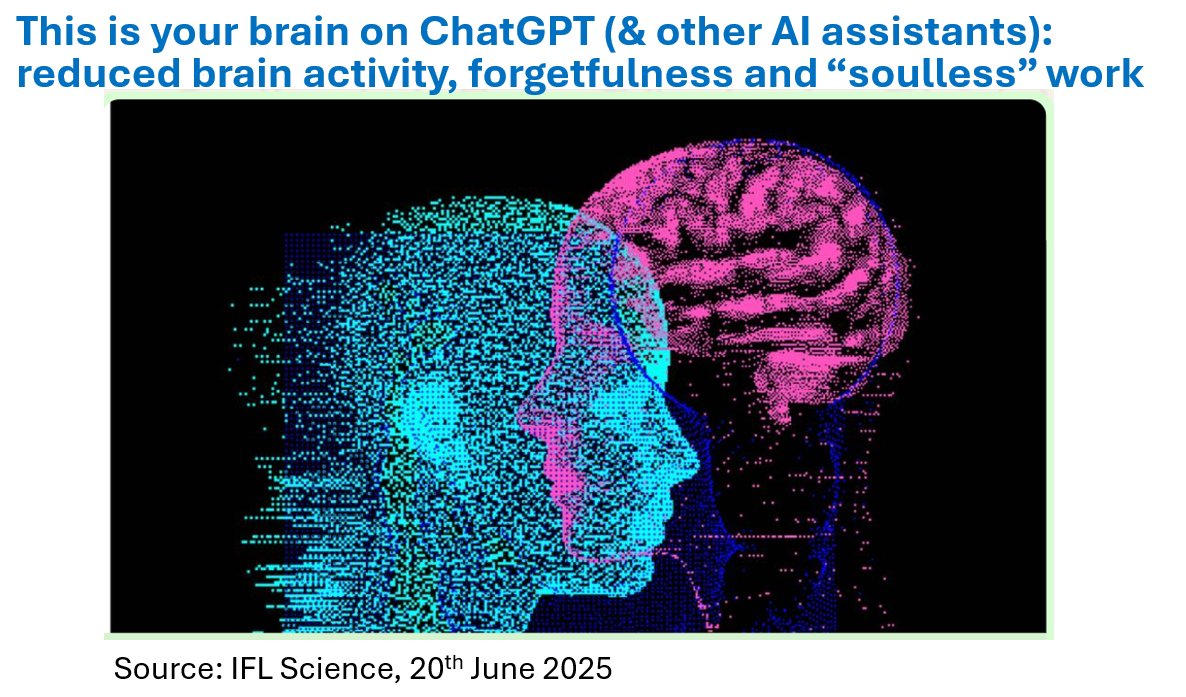
A new study looked at how using AI assistants like ChatGPT for writing tasks impacts the brain & thinking skills. It focussed on students writing essays but the findings have implications for workplace leaders.
The researchers found that people who used AI used their brains less, created work that was “shallow” & “soulless”, remembered less & had less ownership of their work.
Starting a piece of work with AI created a “cognitive debt” – people get short term benefits like more efficient writing but pay a price in reduced creativity & a mental laziness that sticks around & makes it harder to think critically later on.
Even when peopled stopped using AI, their brain engagement stayed lower. People who started the work unaided by AI produced more original content with wider vocabulary & critical analysis. They retained stronger cognitive engagement even when later using AI.
Implications: actions for workforce development
1. Prioritise critical thinking & problem-solving training: ensure people regularly engage in tasks that require independent thought & reasoning without AI assistance.
2. Encourage hybrid workflows: human first, AI second.
3. Implement continuous upskilling & reskilling: as AI rapidly changes job requirements, ensure people stay adaptable, resilient & capable of meeting evolving demands.
4. Use AI judiciously & monitor cognitive impact: regularly assess how using AI affects people’s engagement, learning & critical thinking & adjust policies to avoid undermining core human skills.
Original article: https://t.co/9WwtW4O2Se via @PietroMicheli13
Summary & graphic from @IFLScience https://t.co/Z1TruvhXqf
📢Bill 13, the Primary Care Act, 2025 has received Royal Assent! This landmark legislation introduced by Minister @SylviaJonesMPP establishes primary care as the foundation of our health system and sets out the objectives for Ontario's primary care system. https://t.co/biuWQvWnxs
Workplaces where people are engaged do significantly better in productivity & performance. If we want to build better staff engagement, we need more conversations, not "engagement campaigns".
Too often, leaders who want to improve staff engagement build “campaign-style” interventions: analysing levels of engagement, having listening sessions, broadcasting messages & creating dashboards. Yet engagement isn’t a tool or a project - something you can "install" top down. It’s a daily, ongoing practice, rooted in the rhythms of conversation.
The single force that shapes day-to-day engagement more than any other is line managers. (In the NHS, it is the frontline leaders, around band 7 level, who line manage >60% of the NHS workforce & who have an outsized influence on NHS productivity & performance). Consistent, authentic dialogue between managers & teams creates the psychological safety people need to speak up, take risks & challenge the status quo.
If we want better engagement, we need to support front line leaders to develop skills for conversation-based leadership & build in routines that enable regular conversations to happen: https://t.co/54Wk1FfDXS. By Kyle Jones on @Medium, via @LauraJYearsley.
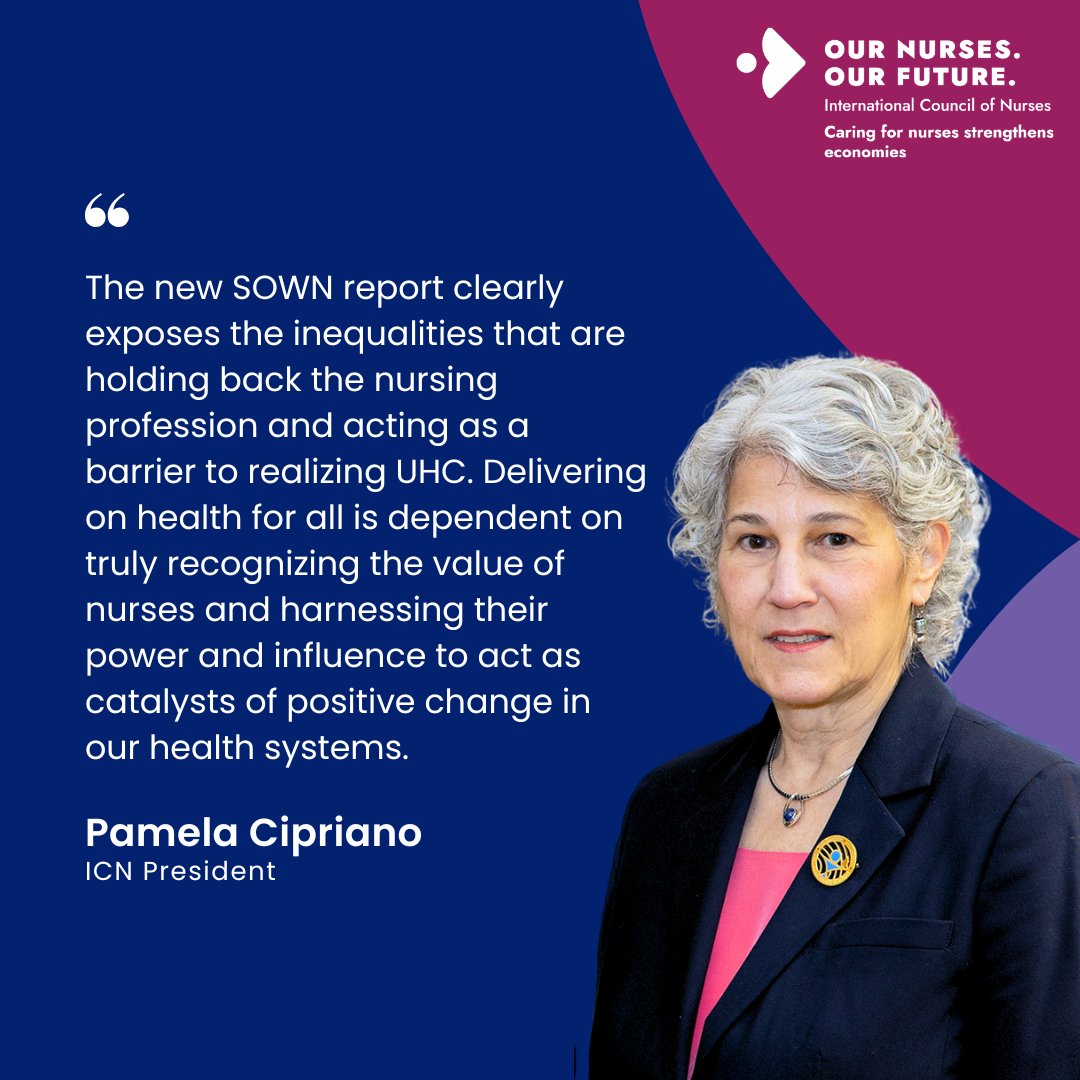
Happy International Nurses Day! The theme for International Nurses Day in 2025, is ‘Our Nurses. Our Future. Caring for nurses strengthens economies’ https://t.co/MsDryIv1QX @debraejackson
At my MD meeting we recognize an amazing staff. This month I'm talking about one of our charge nurses with the quality I most admire - doing absolutely anything - anything - to help a patient in need. Canada's publicly funded health system. Bruised not broken.
"Medical students need to be taught not just how to be medical educators themselves, but how educational research and pedagogy can apprise them as current and future teachers."
A look at the fallacy of the idea of “See one, do one, teach one"
https://t.co/ELG9Ct66xs
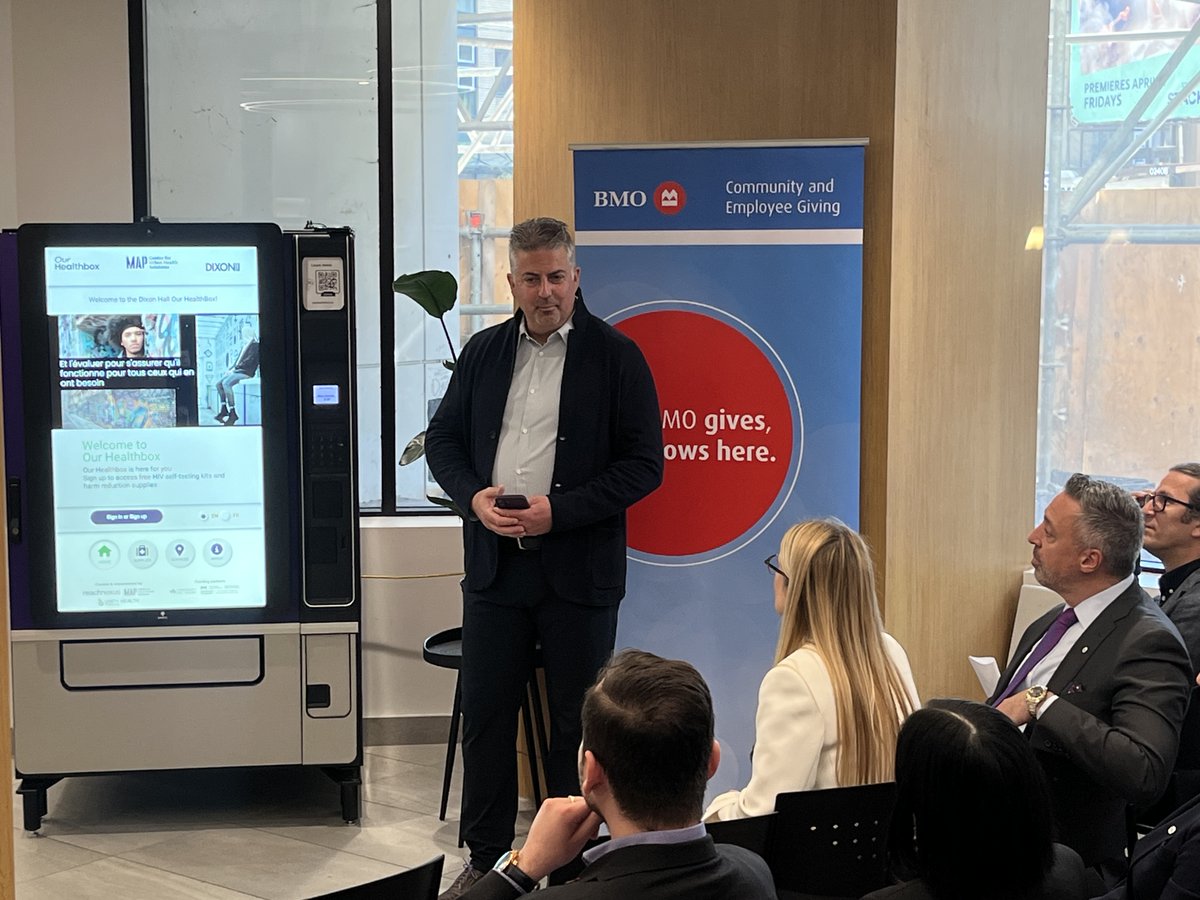
Our Healthbox - an innovative "smart" vending machine developed by @UnityHealthTO - launches at Dixon Hall, democratizing access to healthcare with support from @CANFAR and @BMO https://t.co/363oeyzduI
Where is Public Health?
Last week, I was writing about #measles spreading in Ontario and Alberta and the invisibility of public health officials there. https://t.co/zmUAew4l5S
CBC News has more on the topic today, including this observation. https://t.co/mNx2665fv7
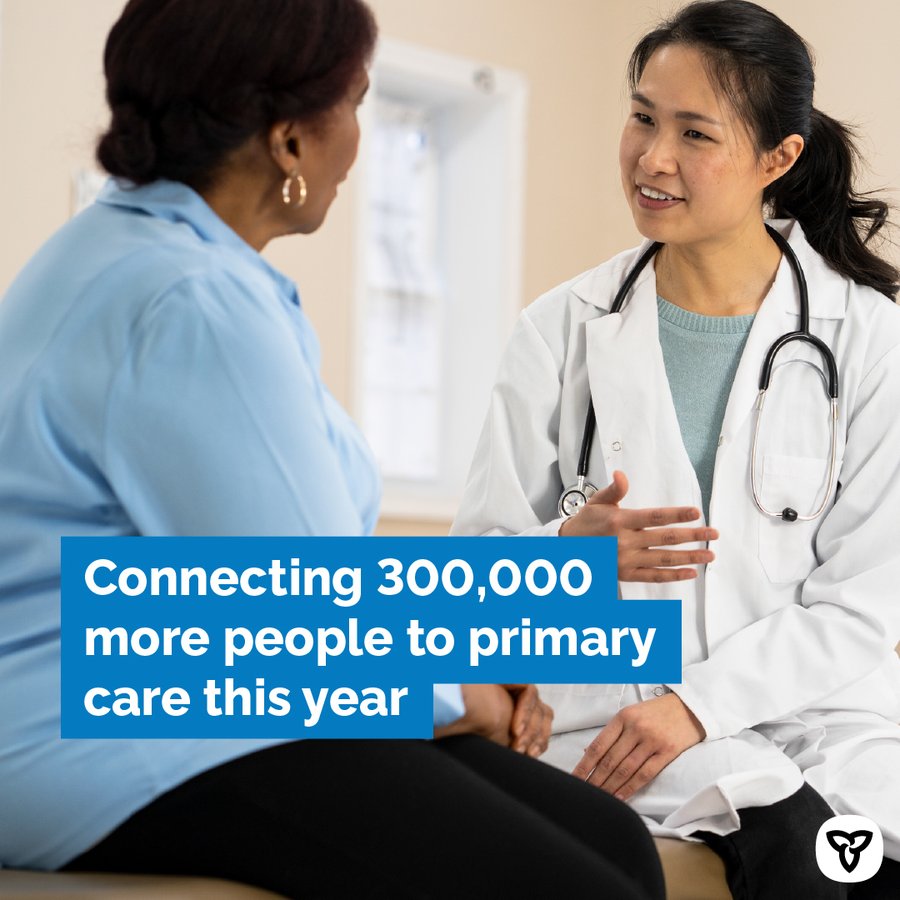
Today Ontario launched the first call for proposals to add up to 80 new & expanded primary care teams that will connect 300,000 more people to primary care in the next year, bringing us a step closer to connecting everyone to primary care by 2029. Read at: https://t.co/mLM6197Crh