Because we're better data scientists than the ppl teaching "data science" courses
Data science tends to be taught by ppl in stats and applied math departments, who develop tools but spend little time using them, so you learn little about actually doing applied data science
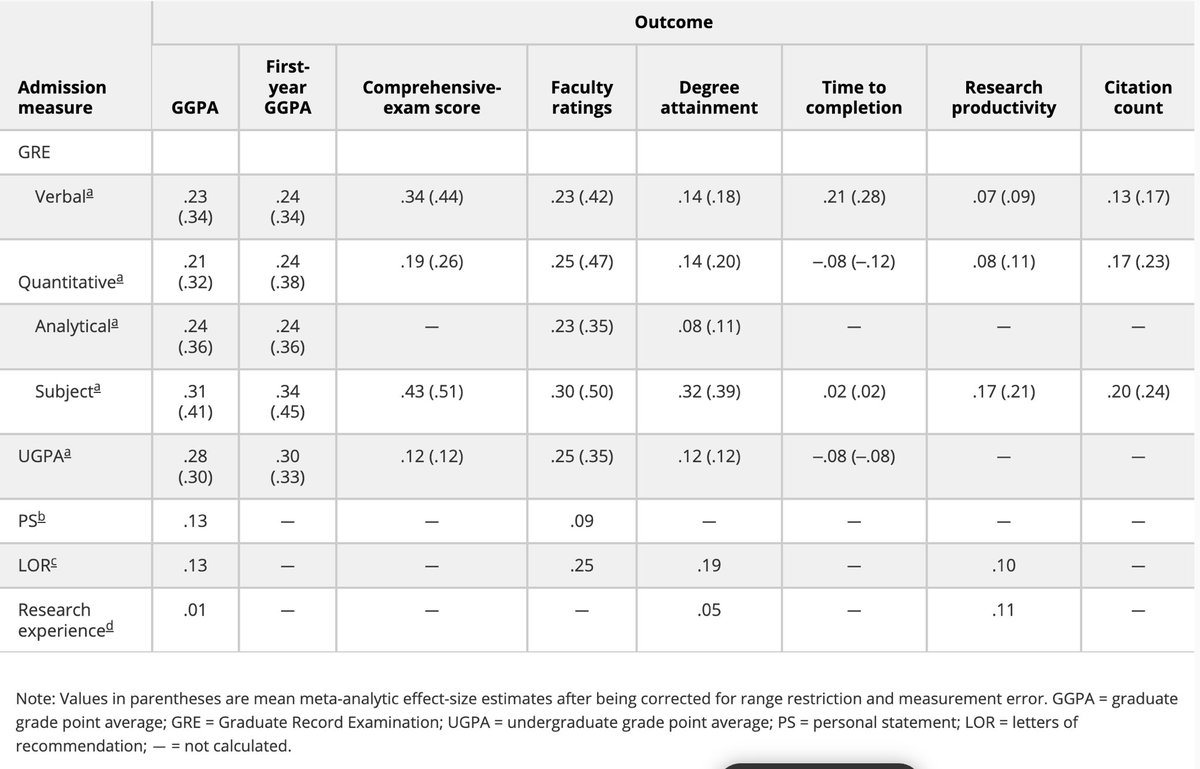
Counterpoint: These is a large scientific literature analyzing how to hire people and select graduate students and we do know which factors predict success more than others. The problem is that most faculty don’t actually seem to ever read it or even care to look it up.
A look back at 2024 before moving forward with new collaborations and (public health/environment) projects for 2025! Our successes for the past year have been collaborative and community-driven. Here are 10 of our best moments from the past year, including our new podcast.
OK, this is officially a project, we are going to see how many errors in peer-reviewed papers o1 can find. To follow along (or help out!), check the links in 🧵.
Sometimes we *can* have nice things: The Black Spatula Project has become a stampede, in the best possible way – 100s joining in the first day. I've posted an update on what's happened, where we're headed, and how you can get involved.
(link in 🧵)
I tried Google's NotebookLM "radio conversation generator" on my paper about taxing robots (the irony!).
I was blown away by the results.
Are robots and AI coming for your jobs journalists? 😱
@JoshGoodman_BU Found that in a recent NBER WP which was a good read and i was very interested in the literature they cited, but more than one reference was fake
I've been collecting all sorts of extra information about the new OpenAI structured outputs feature throughout the day
I think my post here may now be the definitive guide to details you may have missed
https://t.co/6JUXCOEueV
Apropos of nothing…
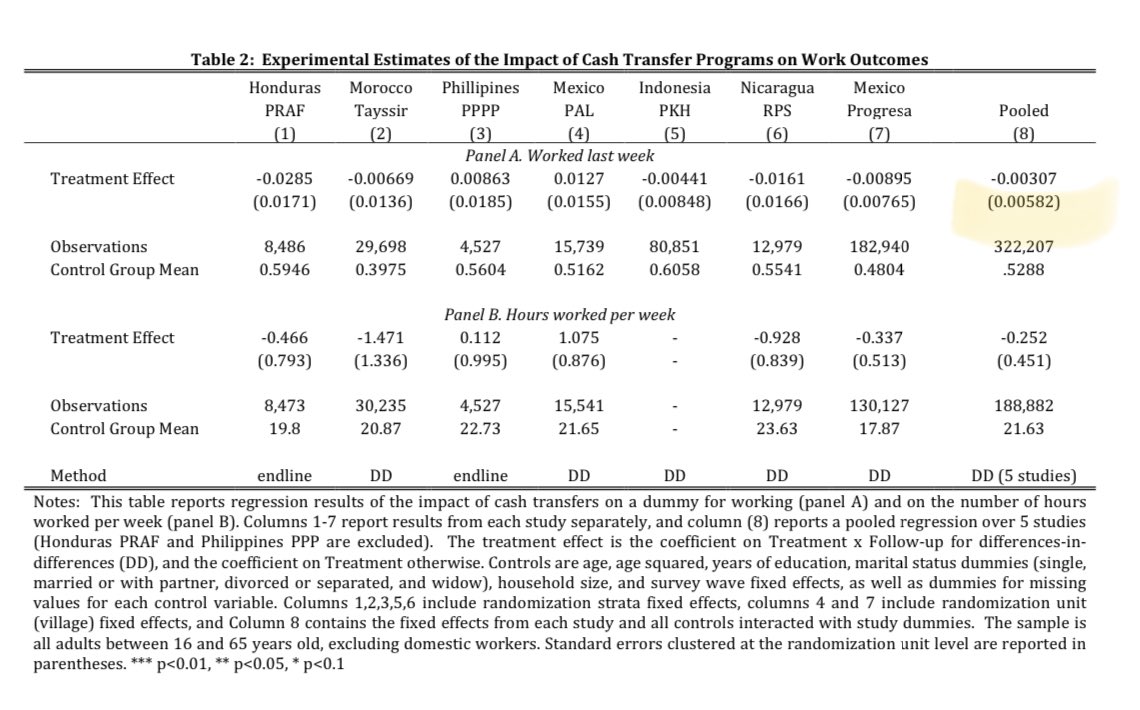
From 2017: The effect of cash transfers on labor supply across 7 randomized trials in developing countries.
https://t.co/rdFtS3nt7c
I've posted a review article on deep learning for economists https://t.co/GzSaN2773U. The DL literature is vast, and I initially found it pretty daunting to find the parts of it that are most relevant to economic applications. I hope people will find this useful! #econtwitter
It's well known that lower income people tend to suffer much worse health. Is poverty at the heart of this disparity, and, if so, could a large cash transfer help close this gap? We examine an RCT that provided 1000 low income participants $1000/month for 3 years. We find…
Today we released the first papers from OpenResearch's Unconditional income Study, which gave 1k ppl $1k/mo for 3 yrs & had a N=2k control group
This 🧵 is for RCT nerds: how did we measure the cash's fx? Learn about 96% response rates, blood draws, changing a state law & more..
Massive OpenResearch basic income papers are out (@smilleralert@dbroockman@evavivalt@AlexBartik@elizabethrds). Very much worth reading - my view is that it is an incredible RCT and an incredible disappointment. RCT was USD11400/yr for 3 years, 1k treatment, 2k control. 1/x
🚀 Excited to share 'Data Science in Economics' at #useR2024 in Salzburg! Join me tomorrow at 15:10 in 'Pongau + Flachgau' as I show you how to incorporate #DataScience into undergrad curriculum and inspiring students. Hope to see you there! #rstats#EconTwitter