TRAINING:
Ifakara empowers master’s program facilitators 👩🏼🏫 👨🏫
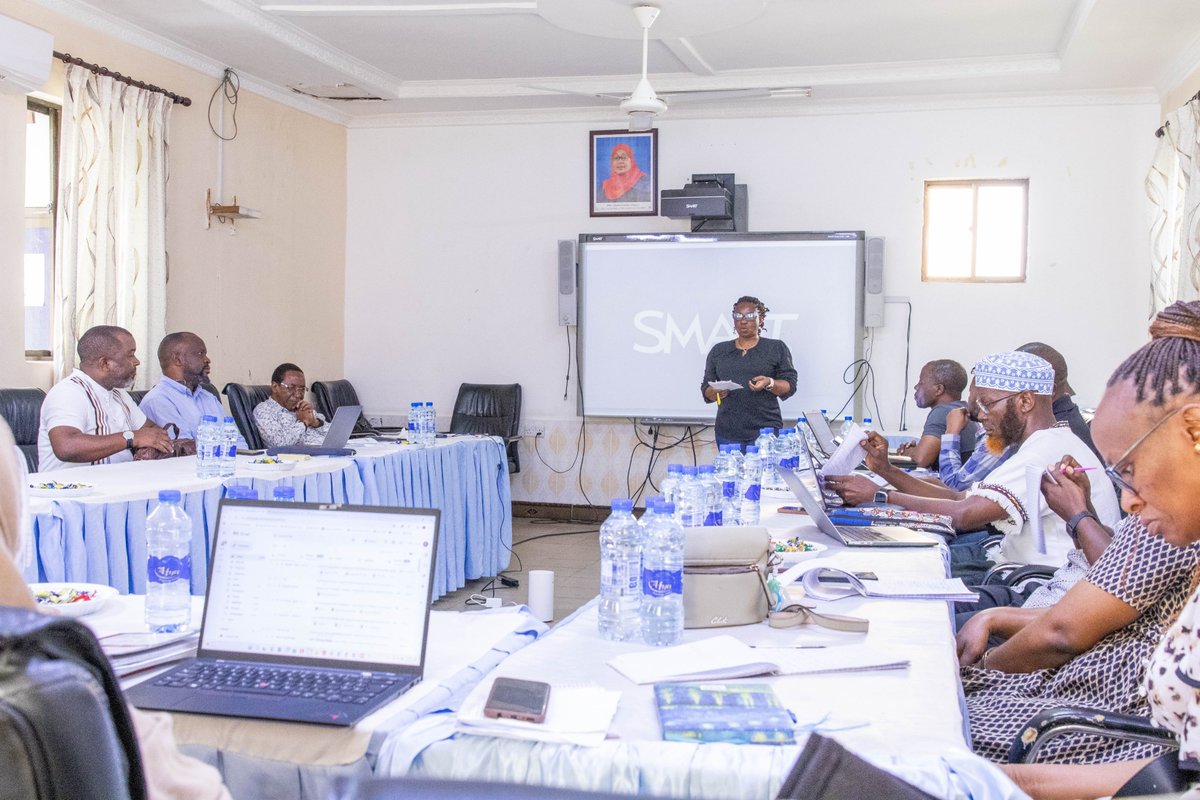
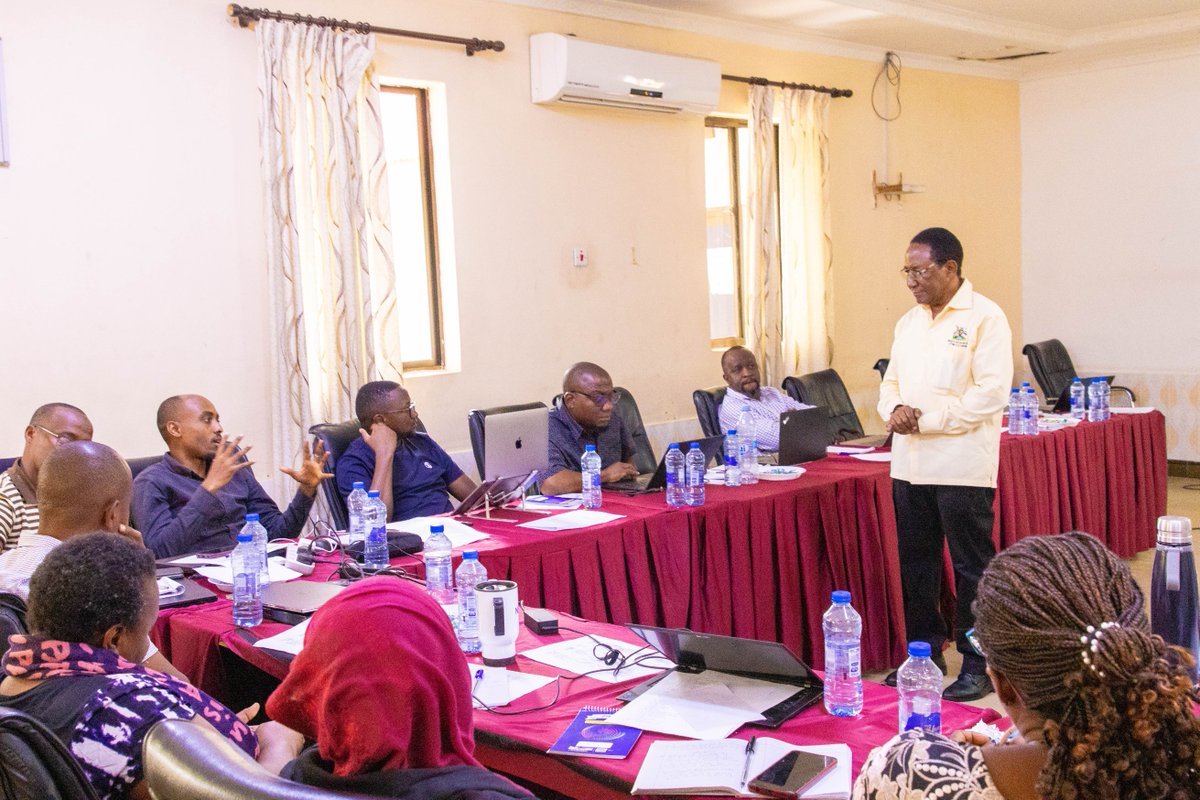
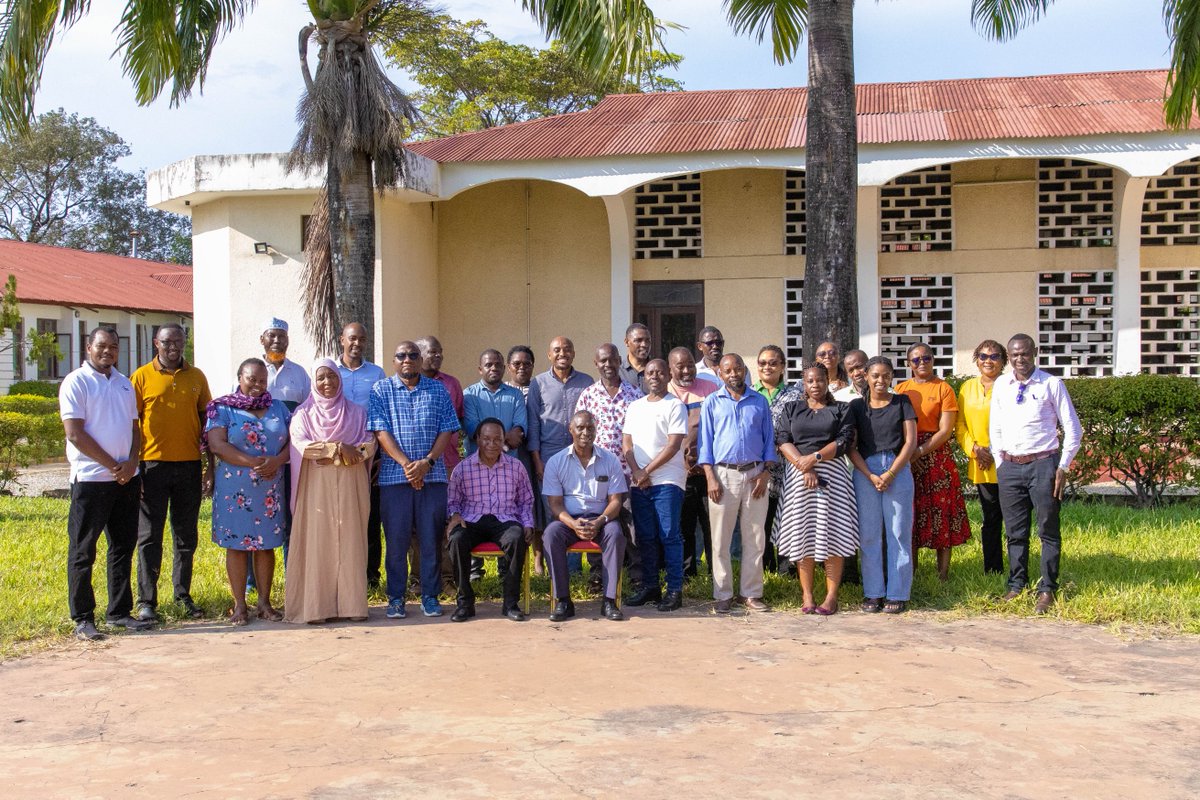
From December 2nd to 6th, our Capacity Building and Training team @ifakarahealth joined a transformative Continuing Professional Development (CPD) training in Tanga. Under the expert guidance of Prof. Senga Pemba, participants explored modern teaching and assessment techniques to inspire the next generation of health professionals. 👨⚕️
The team also explored the importance of setting modern examinations that align with learning objectives and encourage critical thinking among students and preparing students for real-world challenges in their respective fields.
This reflects @ifakarahealth commitment to delivering impactful education that empowers future health professionals and researchers. 💡🌍
>>https://t.co/fpNQV7CCrA
>>#IfakaraEvents #CapacityBuilding #ProfessionalDevelopment #TeachingExcellence
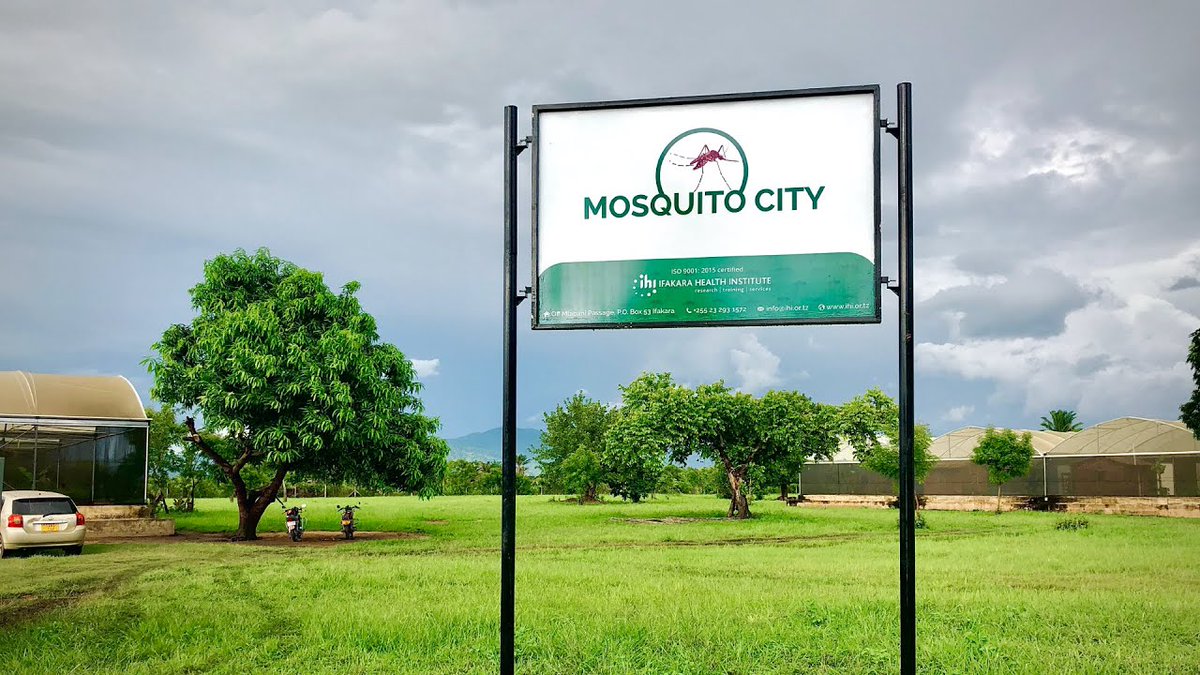
Welcome to Mosquito City, situated in a small town called Ifakara. This location serves as a hub for conducting experiments and various research activities mosquito behaviours, such as insecticide resistance, biting behaviour, mating behaviour, blood-meal preferences etc.
This is a mixed signals, It reflects success in treatment and case management but challenges in prevention and transmission control. To sustain the fight against malaria, must focus on both reducing transmission and improving healthcare access.
The latest World Malaria Report shows just how much of a boondoggle this fight has been. No matter how positively we frame the findings, the reality remains that cases are increasing, signaling that preventive measures are failing. Although deaths are on the decline, suggesting improved access to effective treatment, the pace of that decrease remains frustratingly slow. https://t.co/zOPNxhmZtr
Our new publication, published from PLOSONE,
#PLOSONE: The bionomics of Anopheles arabiensis and Anopheles funestus inside local houses and their implicat ... https://t.co/KGQlfLODgo
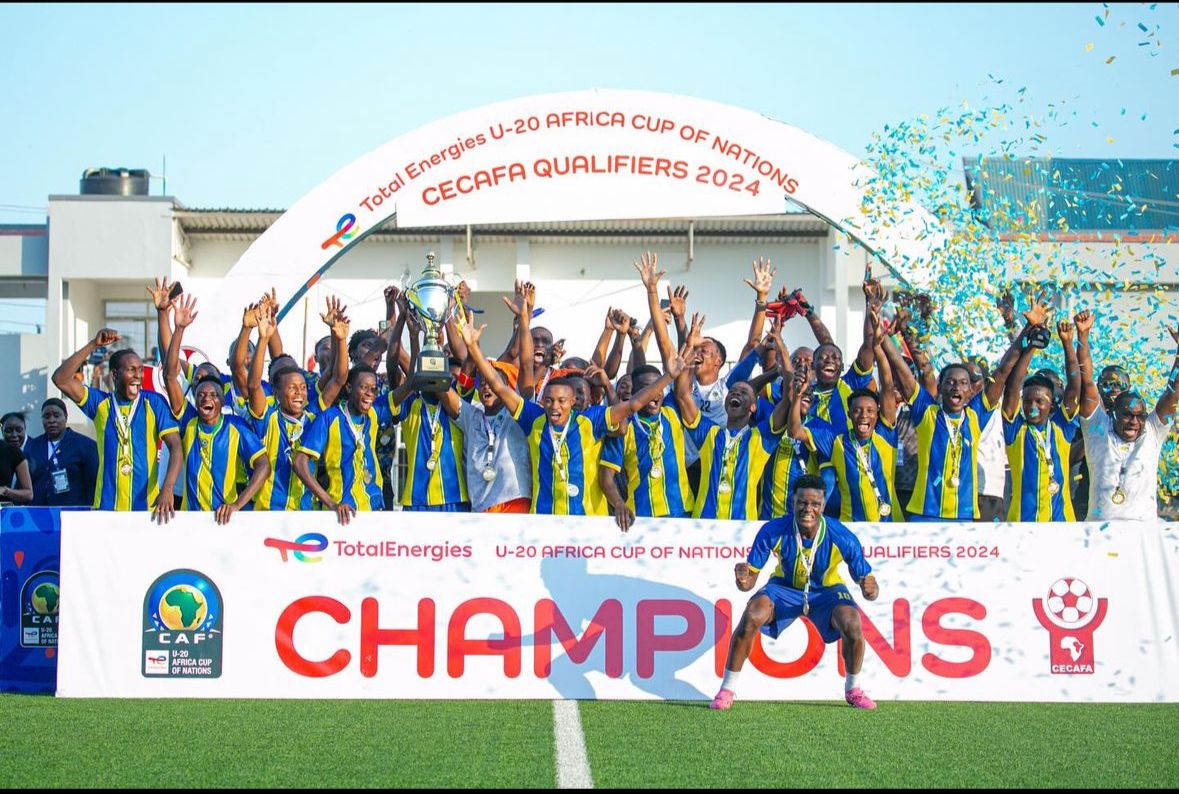
Hongereni sana Timu ya Taifa ya Soka ya Tanzania kwa vijana wenye umri chini ya miaka 20 (Ngorongoro Heroes), kwa kutwaa ubingwa wa CECAFA U20 2024 na kufuzu kushiriki Fainali za AFCON U20, 2025. Mmetupa heshima kubwa na mmepeperusha vyema bendera ya nchi yetu.
Nawatakia kila la kheri katika maandalizi yenu.
@ayubu_madenge Zamani tulikuwa tunapata support kutoka makanisa Makuu nje ya nchi, sasahivi tunajikongoja wenyewe, na isitoshe watu hawatoi sadaka kwa uaminifu, yasingekuwepo yote hayo, kushawishi mtu kutoa kwa ajili ya Mungu ni shughuri....
Huge congratulations to #Egypt on being certified #MalariaFree by @WHO!
This milestone is a testament to nearly a century of dedication by the government, health professionals, and communities in eliminating a disease that has impacted the country for thousands of years.
#THS2024:
Ifakara “igniting progress” at health summit in Z’bar!
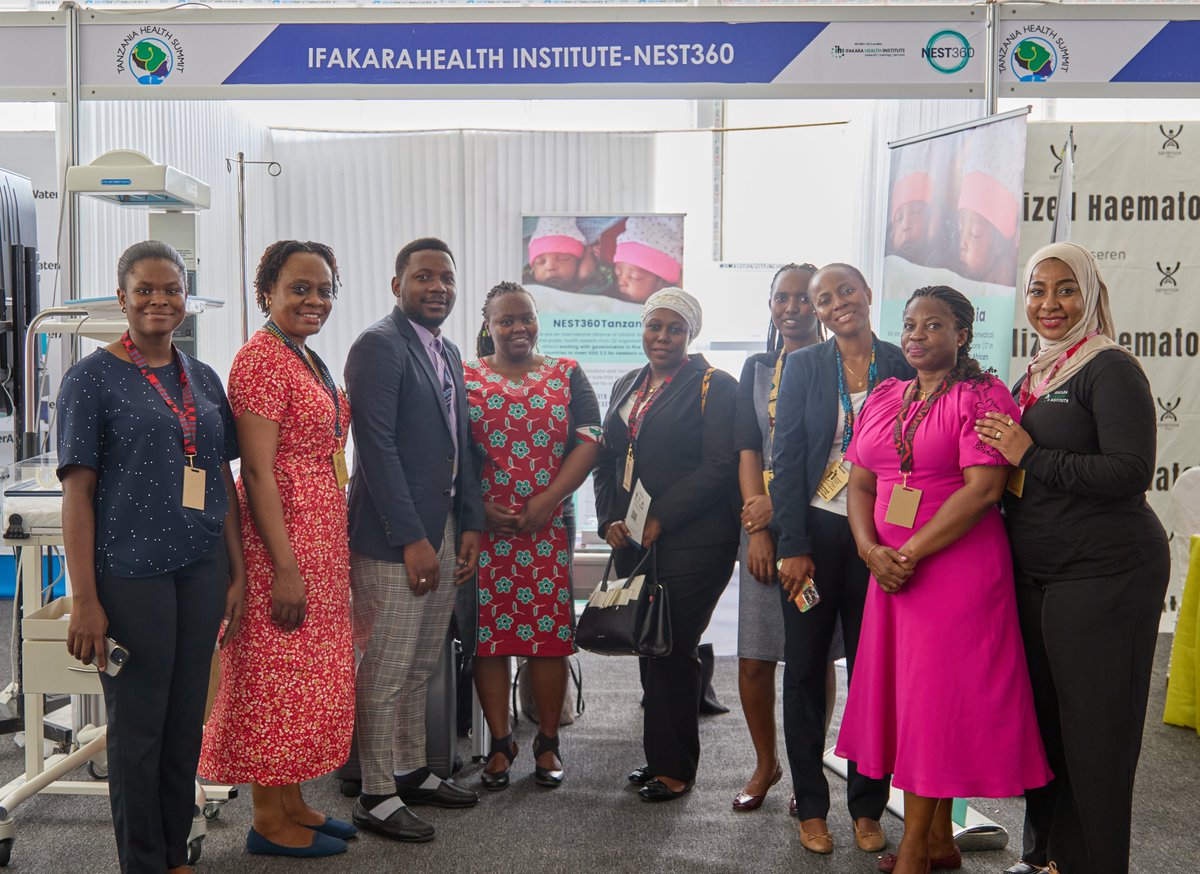
🔬✨ Exciting times at #THS2024! Teams from @ifakarahealth are showcasing groundbreaking research on malaria, neonatal care, and more! Our scientists are driving innovation in health solutions for Tanzania and beyond. Stay tuned for highlights! 💡👩🔬👨🔬
>> https://t.co/oGcu3L19KC
>> #IFAKARAevents #PublicPrivatePartnerships #HealthcareInnovation #HealthSummit
UNVEILED:
1st INOVEC Conference keynote speakers
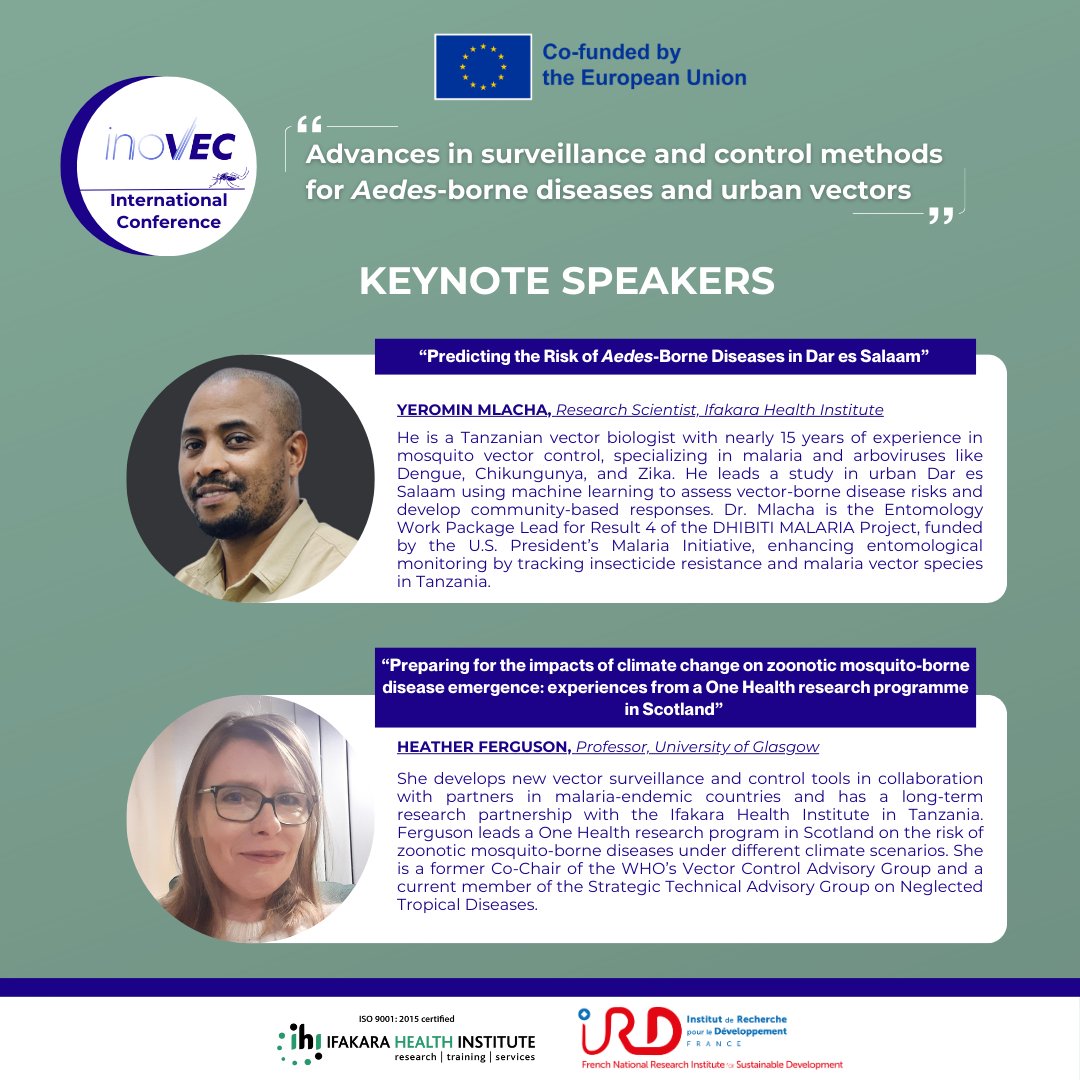
🎉 With the 1st International INOVEC Conference just around the corner, @IfakaraHealth and @IRD_fr, in collaboration with the European @INOVEC_Project, are thrilled to introduce our keynote speakers from @ifakarahealth and @UofGlasgow. 🎉🤝
They will discuss "Predicting the Risk of Aedes-Borne Diseases in Dar es Salaam" and explore how to prepare for the effects of climate change on the emergence of zoonotic mosquito-borne diseases. 🌦️🌡️🦟
🇹🇿 Join us in Dar es Salaam, Tanzania, or virtually from August 26-28, 2024, and engage in critical discussions on “Advances in Surveillance and Control Methods for Aedes-borne Diseases and Urban Vectors.” 🦟🔬
⏰ Don’t miss tomorrow's update at 10 AM when we reveal more keynote speakers.
>> https://t.co/6PyZe54LlL
>> #IFAKARAevents #InovecCon2024
GOOD NEWS: The GARKI Project MasterClass is now confirmed. To be delivered by Profs. Tom Smith (@SwissTPH and @UniBasel_en) and Prof. Gerry Killeen (@UCC and @ifakarahealth). We've got to bring forth the lessons from the past
~
Happening second last week of August.
Will provide more details on date and time soon
Colonization of Anopheles coustani, a neglected malaria vector in Madagascar https://t.co/6tql6MfrBN
𝗔𝗯𝘀𝘁𝗿𝗮𝗰𝘁: Anopheles coustani has long been recognized as a secondary malaria vector in Africa. It has recently been involved in the transmission of both Plasmodium falciparum and P. vivax in Madagascar. As most secondary malaria vectors, An. coustani mainly bites outdoors, which renders the control of this mosquito species difficult using classical malaria control measures, such as the use of bed nets or indoor residual spraying of insecticides. For a better understanding of the biology and vector competence of a vector species, it is useful to rear the species in the laboratory. The absence of a colony hinders the assessment of the bionomics of a species and the development of adapted control strategies. Here, we report the first successful establishment of an An. coustani colony from mosquitoes collected in Madagascar. We used a forced copulation procedure as this mosquito species will not mate in cages. We describe our mosquito colonization procedure with detailed biological features concerning larval to adult development and survival, recorded over the first six critical generations. The procedure should be easily applicable to An. coustani from different African countries, facilitating local investigation of An. coustani vector competence and insecticide resistance using the colony as a reference.
𝗗𝗼𝘄𝗻𝗹𝗼𝗮𝗱 𝘁𝗵𝗲 𝗣𝗗𝗙: https://t.co/6tql6MfrBN
Résumé
Anopheles coustani est reconnu depuis longtemps comme un vecteur secondaire du paludisme en Afrique. Il a récemment été impliqué dans la transmission de Plasmodium falciparum et de P. vivax à Madagascar. Comme la plupart des vecteurs secondaires du paludisme, An. coustani pique principalement à l’extérieur, ce qui rend difficile le contrôle de cette espèce de moustique par les mesures classiques de lutte contre le paludisme telles que l’utilisation de moustiquaires ou la pulvérisation intradomiciliaire d’insecticides à effet rémanent. Pour une meilleure compréhension de la biologie et de la compétence vectorielle d’une espèce vectrice, il est utile d’élever l’espèce en laboratoire. L’absence de colonie gêne l’évaluation de la bionomie d’une espèce et le développement de stratégies de contrôle adaptées. Nous rapportons ici le premier établissement réussi d’une colonie d’ An. coustani issue de moustiques collectés à Madagascar. Nous avons utilisé une procédure de copulation forcée car cette espèce de moustique ne s’accouple pas en cage. Nous décrivons notre procédure de colonisation des moustiques avec des caractéristiques biologiques détaillées concernant le développement et la survie des stades larvaires aux adultes, enregistrées au cours des six premières générations critiques. La procédure devrait être facilement applicable aux An. coustani de différents pays africains, facilitant les enquêtes locales sur la compétence vectorielle d’An. coustani et sa résistance aux insecticides, en utilisant une colonie comme référence.
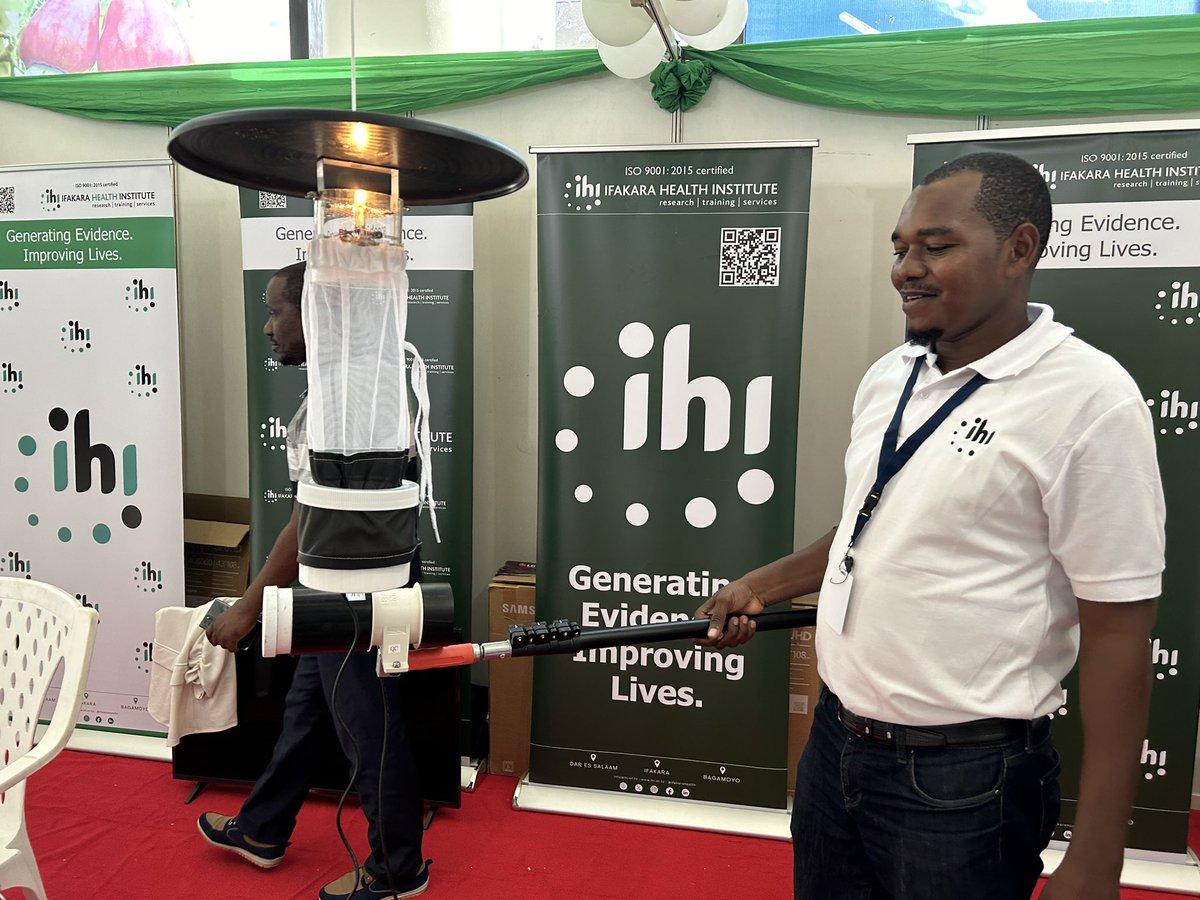
This was a valuable opportunity for us to highlight the work being done by researchers at the Ifakara Health Institute. I had the chance to present the tools developed by IHI researchers, including the Double Net trap (Limwagu et al., 2019 and 2024).@ifakarahealth
#NANENANE2024:
Ifakara’s innovative mosquito trap on display
🚀💡Exciting innovation from @ifakarahealth scientist Alex Limwagu (@Alex_JLim) who is showcasing the Double Mini (DN-Mini) Trap at this year’s Farmers' Exhibition in Morogoro. 🌾🚜 The trap is a groundbreaking tool for malaria vector surveillance.
Learn more about how this advancement is shaping the fight against malaria. 🦟📉
>> https://t.co/ICBLX3GQ7z
>> #IFAKARAevents #NaneNane2024 #MalariaResearch #Innovation
The great news is that we secured the position of second runner-up in the exhibition competition, competing against various councils from the Morogoro, Pwani, Dar es Salaam, and Tanga regions.
#NANENANE2024:
Kilombero DC visits Ifakara booth
Today, we’re privileged to welcome Kilombero District Commissioner Danstan Kyobya and Ifakara City Council Director Zahara Michuzi to our @Ifakarahealth booth at the Farmer’s Exhibition in Morogoro! 🌟👋
Our team is showcasing the latest innovations in public health, from malaria testing tools 🦠🔬to eco-friendly stoves like Pamoto Poa by @HubIfakara 🔥🌱. This is how we’re making a difference! 🚀💚
>> https://t.co/IZE7leFTgs
>> #IFAKARAevents #NaneNane2024 #PublicHealth #Innovation #MalariaResearch #Ifakara
👥 CONFERENCE:
Samia, Mwinyi visit Ifakara booth at Mkapa Summit
🇹🇿✨President Samia Suluhu Hassan, joined by Zanzibar President Hussein Ally Mwinyi, explored various booths – including that of @ifakarahealth’s @NEST360org program booth today at the Mkapa Legacy Summit. A powerful end to three days of impactful discussions honoring the late President Benjamin Mkapa. 📅🎤
>> https://t.co/7lEc4hcpc1
>> #IFAKARAevents #MkapaLegacySummit #MkapaFoundation #HealthInnovation #Tanzania
Fascinated by this gentleman showcasing innovative indoor mosquito traps at the conference. All species of mosquitoes are caught by the same trap. Mosquitoes spread malaria, yellow & dengue fevers and chikungunya. @ifakarahealth@NIMR_Tanzania@NIMRTanga@NIMRMbeya@AfricaCDC
@SabiitiwWilber@ifakarahealth@NIMR_Tanzania@NIMRTanga@NIMRMbeya@AfricaCDC Thank you so much, Dr. Wilber Sabiiti. It was a pleasure seeing you at the NMRI event. You're welcome to visit our entomological facilities at the Ifakara branch in Morogoro and the Bagamoyo branch in Pwani. There, you can learn more about different traps used for mosquitoes.