Tas1R3 Dependent and Independent Recognition of Sugars in the Urethra and the Role of Tuft Cells in this Process (Adv. Biology 6/2024) - Schmidt - 2024 - Advanced Biology - Wiley Online Library https://t.co/qlWXJO5s15
An atlas of the nasal mucosa in mice describes three #TuftCell populations, two of which were previously annotated differently and a third which had not yet been defined. @BrighamWomens@BankovaLora
https://t.co/aPEBDneHd4
Happy to share a new paper out this week in @SciImmunology, work done together with @BankovaLora and lab at @BWHAllergy. The nasal mucosa sits right at the top of the airstream, a perfect place for specialized sensory cells to sample it. https://t.co/PtxhS5J1Ea
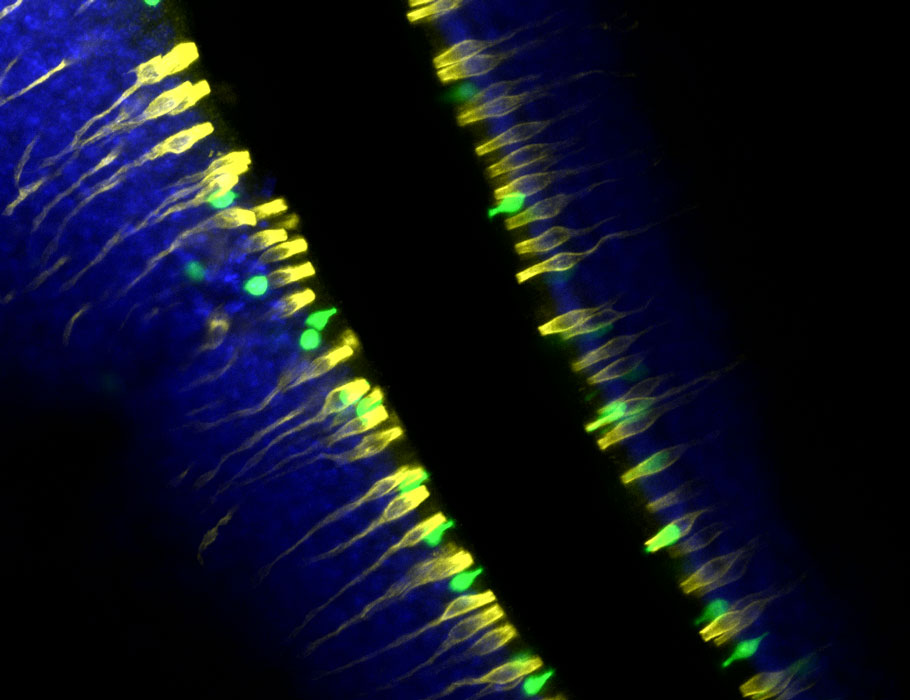
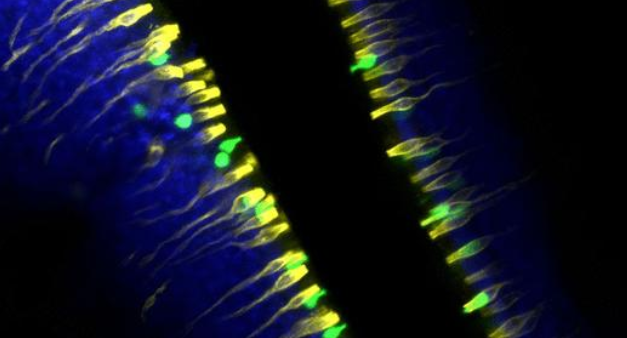
In 2020, right before shutdown, we (with @haber_lab_hsph) set out to understand the function of the olfactory TRPM5+microvillous cells. Like their relatives, the #TuftCells, they line the airway lumen and detect allergens. But their morphology, receptors and function in directing olfactory responses are quite distinct. @SciImmunology@AlexanderPerni@EvelynAvilesF
https://t.co/yK39ad2b0D
TRPM5+ microvillous cells in the olfactory neuroepithelium are tuft cells that regulate olfactory stem cell proliferation @BankovaLora@SciImmunology@AlexanderPerni et al
https://t.co/WjBuHvLzwq
From “neuro” to “immune”: Rare neuroendocrine cells in the tracheal mucosa speak a language understood by lymphocytes; learn more in the article by Mahmoud and coworkers in the CTR October issue https://t.co/BgZjDMf6dy
Kummer, Bufe, Perniss &co: Tracheal chemosensory cells recognize virulence-associated formyl peptides & release acetylcholine to activate mucociliary clearance | Genetic impairment of this pathway in mice leads to susceptibility to infection https://t.co/0YxxxALlfD
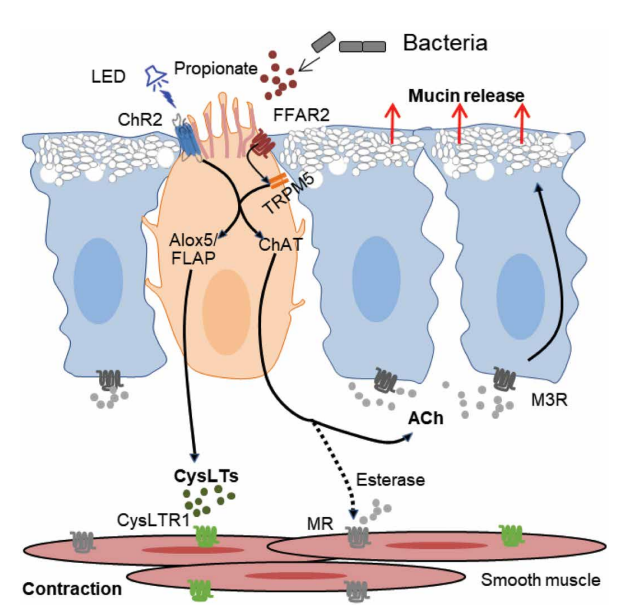
An #optogenetics model in mice suggests microbial metabolite propionate triggers #TuftCells in the gallbladder to mediate mucus secretion and smooth muscle contractions. https://t.co/tpiGU239UZ