College of Health Sciences and Amsterdam UMC Forge New Partnership in Education and Research
A new chapter in international academic and scientific collaboration has been opened following the signing of a partnership agreement between the College of Health Sciences and Amsterdam University Medical Center (Amsterdam UMC). The agreement was officially signed on 16 September 2026 at the Principal’s Board, marking a significant milestone in efforts to strengthen collaboration in health sciences education, research, training, and academic exchange.
Amsterdam UMC was represented by Professor Constance Schultsz, Head of the Department of Global Health and Professor of Global Health, whose work focuses on antimicrobial resistance and emerging infectious diseases.
The signing ceremony brought together university leaders and administrators, including the Deputy Principal of the College of Health Sciences Prof. Richard Idro, Deputy Dean of the School of Medicine Prof. Mark Kaddumukasa, as well as representatives from the Communications Office, Grants Office, and International Coordination Office.
Advancing Research and Innovation
The agreement provides a framework for the two institutions to leverage their respective expertise, experience, technologies, methodologies, investments, opportunities, and other resources to pursue shared and complementary goals.
Through the collaboration, researchers and academic staff will have opportunities to engage in scientific exchange and joint research across a range of health priorities, including HIV/AIDS, non-communicable diseases, neurology, and other areas of mutual interest.
Investing in the Next Generation
Among the areas provided for under the agreement are the development of a Joint PhD Programme and joint College and Faculty appointments, providing a foundation for deeper academic engagement between the institutions.
As the College of Health Sciences and Amsterdam UMC begin implementing the agreement, the partnership is set to open new avenues for collaborative research, postgraduate training, scientific exchange, and academic development, further connecting the institutions to the global health research community.
Marie Astruo Nilsen (left), Nora Westad, and Thea Christine Hillie, students from the University of Bergen, Norway, are pictured ready to begin their clinical rotation in the Malnutrition Unit, Department of Paediatrics, Makerere University College of Health Sciences (MakCHS). During the rotation, the students will focus on the assessment and management of childhood malnutrition, understanding the clinical presentation, treatment approaches, and the broader social and public health factors contributing to malnutrition in Uganda.
The placement is being undertaken within the framework of the existing partnership between the University of Bergen and Makerere University, providing opportunities for clinical learning, academic exchange, and practical global health experience
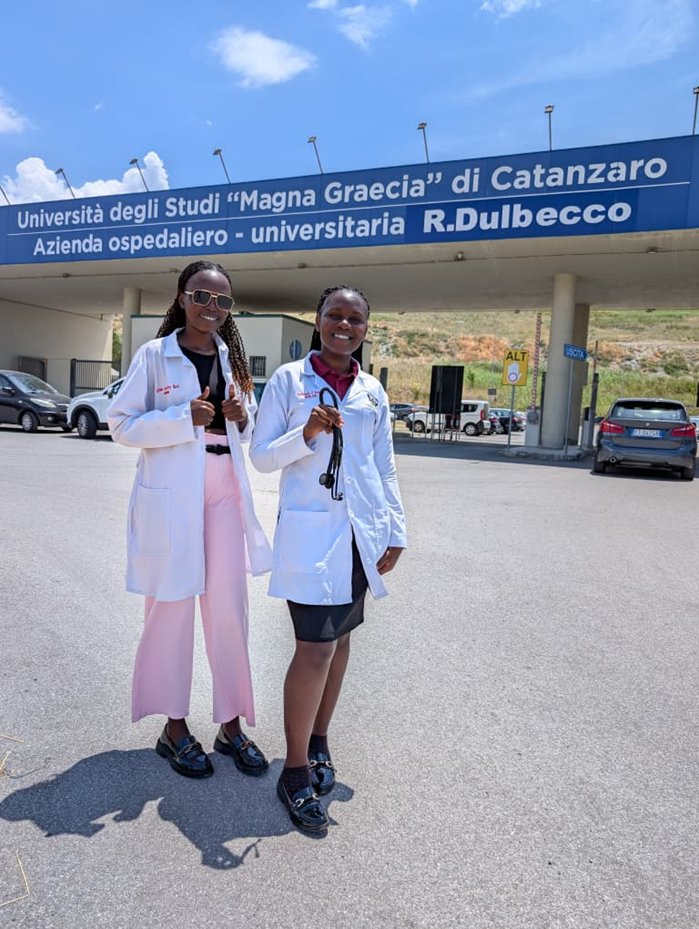
We are delighted to celebrate the successful completion of a Urology clinical rotation by Dr. Sempijja Lwanga from the University of Magna Græcia, Italy, at Makerere University College of Health Sciences. This enriching experience was undertaken through the student exchange programme between the University of Magna Græcia and Makerere University, with generous support from the Erasmus Mundus+ Programme.
We extend our sincere appreciation to the faculty, consultants, residents, and support staff of the Department of Surgery and the Urology Unit and Urogynecology Unit Department of Obsterics&Gyneacology for their mentorship, dedication, and commitment to providing an enriching learning experience for our visiting students.
A medical elective is an integral component of undergraduate medical education, providing students with the opportunity to gain clinical experience in a healthcare setting outside their home institution. Electives expose students to different models of healthcare delivery, broaden their clinical knowledge, enhance clinical reasoning skills, and foster a deeper understanding of diverse healthcare systems, cultures, and professional practices.
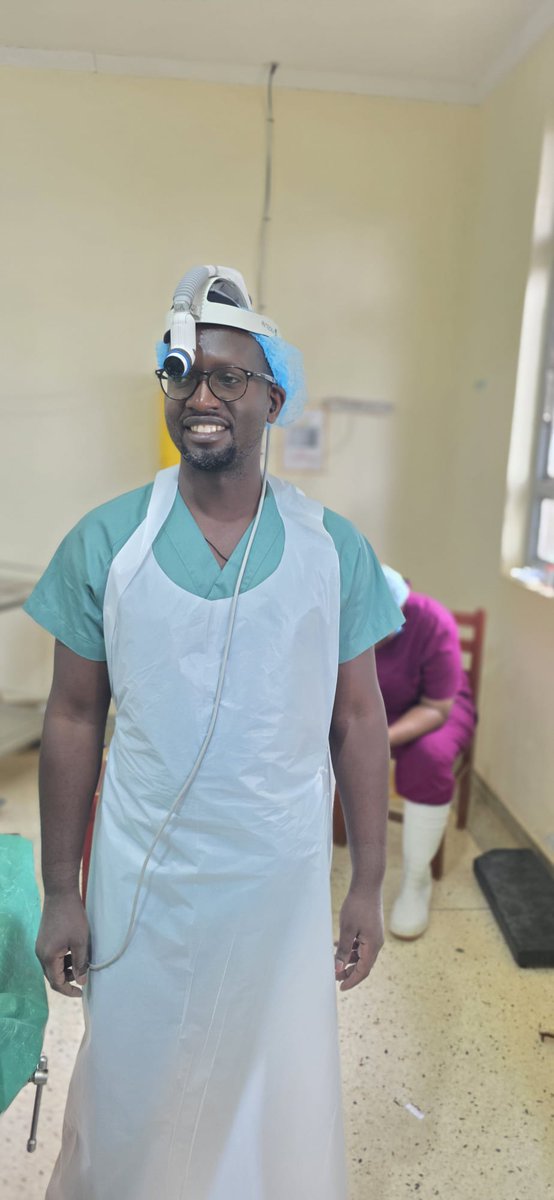
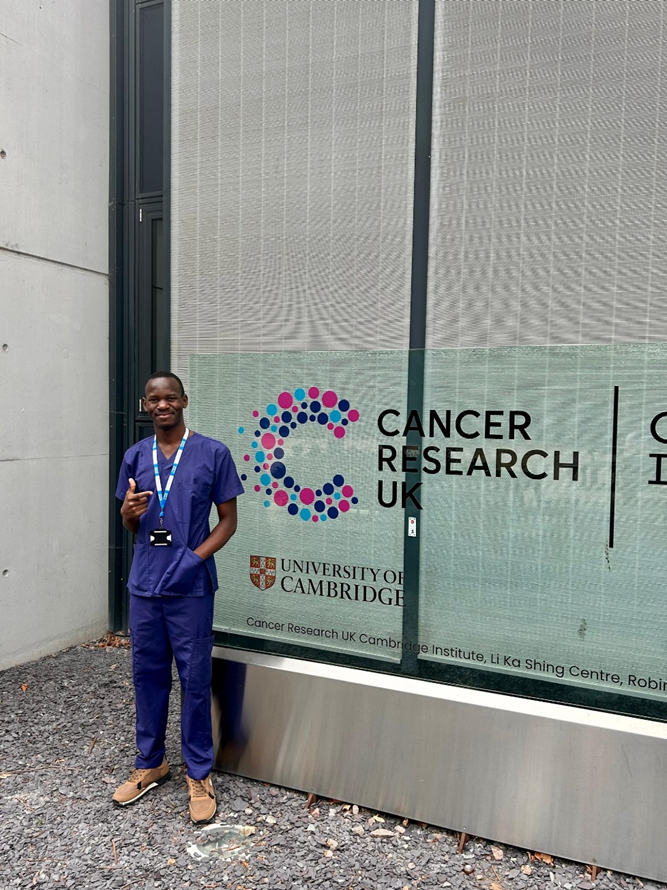
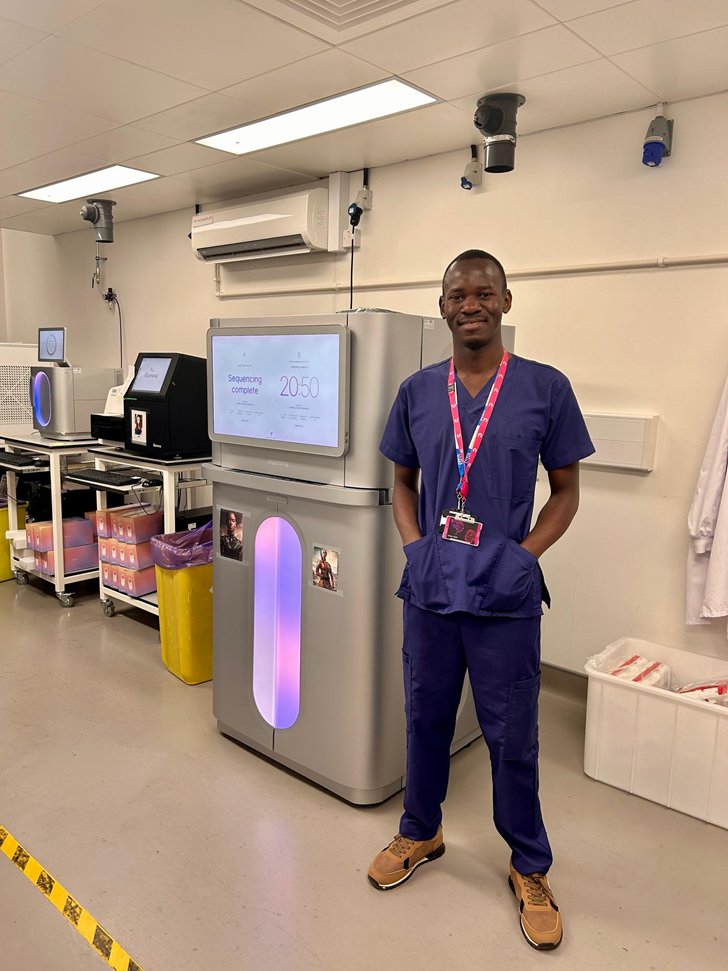
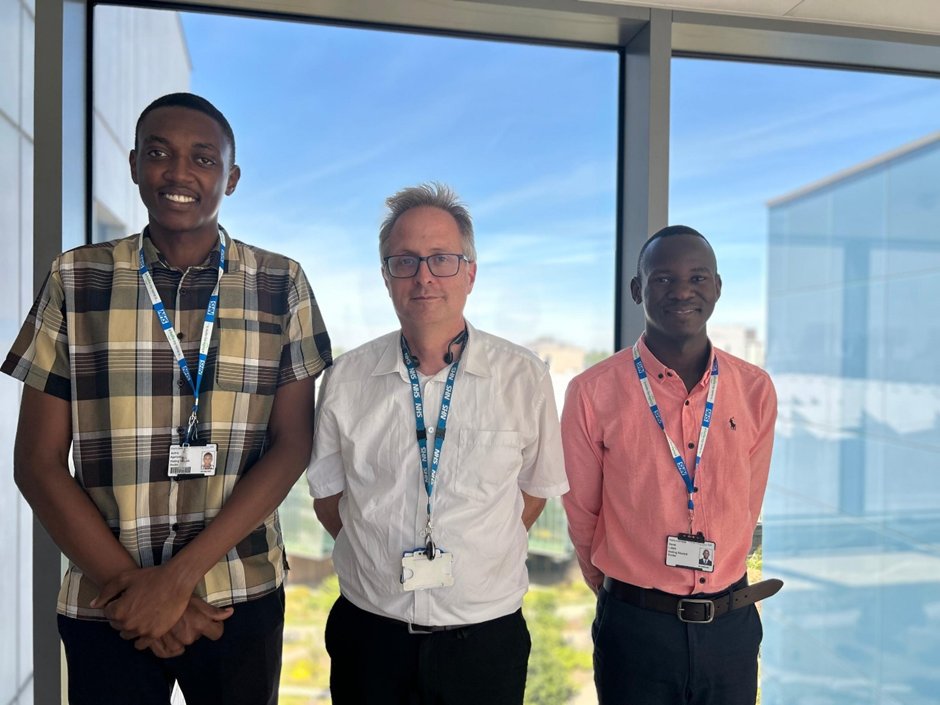
David Lufafa undertook a six-week medical elective during my fourth-year recess term through the Cambridge–Makerere University Exchange Programme, a collaborative initiative between Makerere University College of Health Sciences (MakCHS), Uganda, and the University of Cambridge, United Kingdom. The programme is designed to strengthen academic partnerships, facilitate reciprocal clinical learning, and promote global health education through collaborative training and knowledge exchange between the two institutions.
The exchange programme is supported by Cambridge Global Health Partnerships (CGHP) and the wider Cambridge-Africa Programme, both of which are committed to developing equitable and sustainable health partnerships between institutions in the United Kingdom and Africa. Through these initiatives, CGHP has made significant contributions to strengthening healthcare delivery, medical education, research capacity, and professional development in Uganda by fostering long-term institutional collaborations and mutual learning.
"I participated in a broad range of clinical and academic activities that enriched both my medical knowledge and professional development. These included consultant-led ward rounds, specialist outpatient clinics, multidisciplinary team (MDT) meetings, departmental teaching sessions, grand rounds, journal clubs, case-based discussions, and independent learning https://t.co/WAMc5HrGnO of the most striking observations during my placement was the strong emphasis on patient-centred care. Patients were actively involved in discussions regarding their diagnoses, investigations, treatment options, and long-term management plans. Clinical decisions were made collaboratively, with careful consideration of patients' preferences, values, and individual circumstances. Consultations were comprehensive and unhurried, allowing adequate time for patients to ask questions, express concerns, and participate meaningfully in shared decision-making. This approach not only enhanced patient satisfaction but also reinforced the importance of effective communication, empathy, and respect for patient autonomy in clinical practice.
Beyond the academic and clinical learning experiences, the elective made a profound contribution to my personal and professional development. Living independently in a foreign country enhanced my adaptability, resilience, confidence, and problem-solving abilities as I navigated a new environment and healthcare system. Interacting with patients, healthcare professionals, and students from diverse cultural backgrounds strengthened my communication skills, cultural competence, and ability to work effectively within multidisciplinary and multicultural teams.
Overall, the elective was an invaluable learning experience that expanded my clinical knowledge, strengthened my professional competencies, and inspired me to pursue a career grounded in lifelong learning, international collaboration, and excellence in patient care. The insights gained during this placement will undoubtedly influence my future practice as a doctor and contribute to my continued growth as a globally minded healthcare professional"Lufafa26.
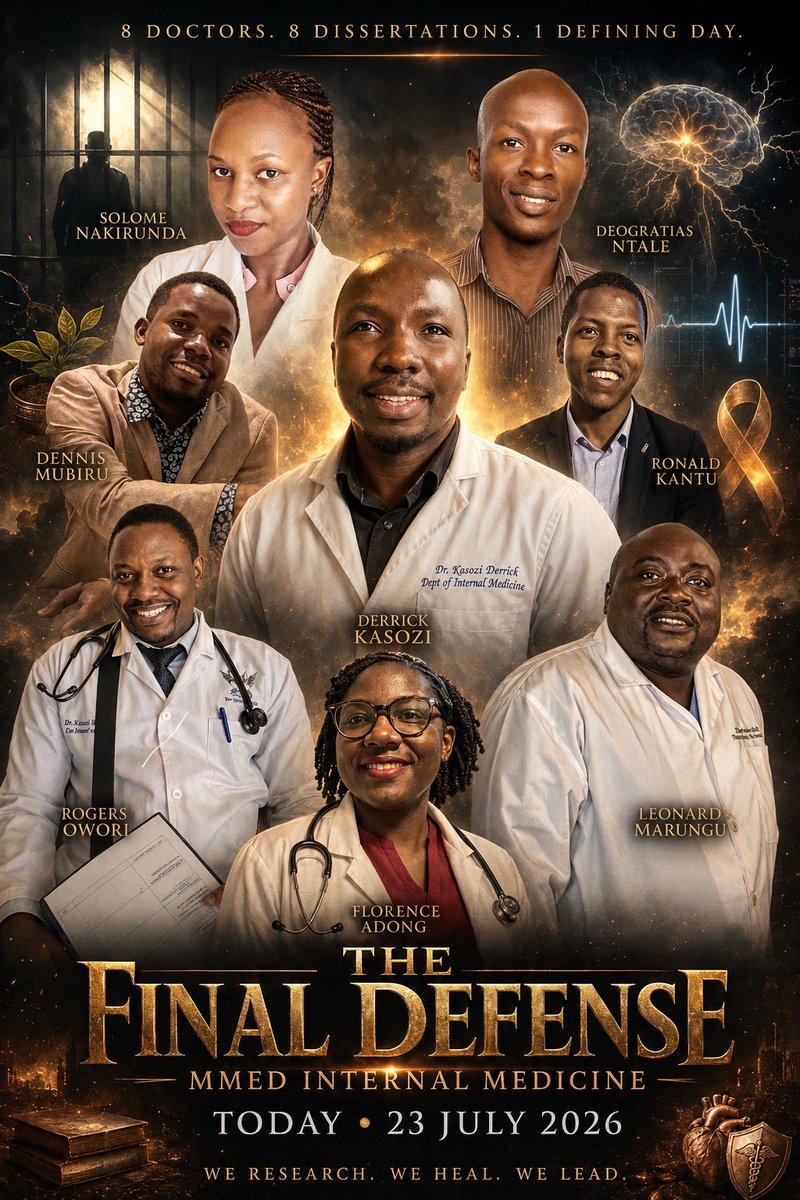
Defense at the department…the first group…congratulations to the new physicians. You have traversed a difficult but exciting journey and come out successfully.
"Our rotation in the Department of Orthopaedic Surgery was intellectually stimulating. From Monday, 15th June to Friday, 19th June, with the exception of Thursday, which was designated as an operating theatre day, the rotation primarily involved participation in outpatient orthopedic clinics. Each clinic was staffed by a multidisciplinary team comprising specialist orthopedic surgeons, resident doctors, undergraduate medical students, and nursing personnel. The outpatient consultation rooms were adequately equipped to facilitate comprehensive patient assessment and management.
Regardless of the presenting complaint, every patient underwent a thorough clinical examination before management decisions were made. Patients were also provided with clear explanations regarding their diagnoses and treatment plans, reflecting a strong commitment to patient-centred care. During the clinics, we observed the assessment and management of a variety of musculoskeletal conditions, including flat foot deformities, lumbosciatica, osteoarthritis, and the administration of intra-articular corticosteroid and hyaluronic acid injections, among others.
The operating theatres were well equipped with modern surgical equipment and demonstrated exceptionally high standards of patient care. Among the procedures observed was a Total Hip Arthroplasty using the posterior approach for the management of primary severe osteoarthritis. Another procedure involved a Reverse Shoulder Arthroplasty performed on a patient with an atraumatic complete rupture of the left rotator cuff associated with rheumatoid arthritis. Both procedures were conducted with meticulous surgical technique and a strong emphasis on patient safety.
This was an invaluable learning experience ;it enhanced our clinical knowledge, surgical exposure, and appreciation of multidisciplinary orthopedic care. It provided practical insights into evidence-based patient management while fostering professional growth and a deeper understanding of orthopedic practice in an international healthcare setting"Gimbo Lewinskey and Ruth Nabukalu T. Deborah
Learning Beyond the Headlines
After 14 years, Dr. Umberto Sabitini returned to Makerere University College of Health Sciences, this time accompanied by his wife, Elisa Baratti, a registered nurse. Despite travel advisories issued in the United States portraying Uganda as unsafe due to Ebola concerns, the couple chose to proceed with their visit, guided by Dr. Sabitini's previous experience as a medical student at MakCHS during the 2012 Ebola outbreak. Having witnessed firsthand how institutions effectively managed the situation, he understood that international media reports often amplified the perceived risk. Their visit reaffirmed their confidence in Uganda's healthcare system and provided another enriching learning experience. Pictured with Susan Byekwaso, International Coordinator, and Alex Kisakye, International Office Coordinator, the visit highlights the the value of informed engagement over misconceptions.
Folks, I finally summoned my gut and went to meet the legend. The excitement was so wild. In a few minutes he spoke to me about retirement and the state of affairs. What I learnt;
1- Never procrastinate for a minute when the hour of your retirement comes.
2- Work vigorously in your retirement on the things you want and when you want. Resting makes you vegetative.
3- Yes the current generation of leaders is pathetic and messy, but wait for the ones whom you have raised! They’re a big catastrophe.
Rtd. Justice Ogoola is phenomenal.
Makerere University gave me hope that its possible, @MakerereCHS and International office at MakCHS @ICOMakchs made my dream come true. I am one of the few students that were selected for a student exchange program to Magna Graecia @UMG_Tweet, Italy. I can say, its possible.
Medical students Mr. Agaruraho Avitus (left) and Mr. David Lufafa (right) and Director Cambridge Global Health Partnerships (CGHP) Ms. Evelyn Brealey at Cambridge University where both students are undertaking rotations in Haematology and oncology.
CGHP is a charitable organisation dedicated to fostering equitable partnership between institutions in Cambridge and the East of England and institutions across low- and middle-income countries. Through two-way teaching, learning, training, and research, it connects healthcare professionals and academic institutions to strengthen health systems and address some of the world's most pressing health challenges
Check in Austria 🇦🇹. What a fantastic day. We started off in France, went into Switzerland 🇨🇭 then crossed into Lichtenstein and finally Austria. 4 countries in one day.
#UgandaBikers#EuropeTour2026@BikersUganda
Thousands of Children Die From Sickle Cell Disease Each Year. Uganda Launches New Initiative to Improve Diagnosis and Lifelong Care.
Read More 👇🏽
LinkedIn Article: https://t.co/5zjopJwIwH
During the launch of the #IMARAFramework at the commemoration of #WorldSickleCellDay2026 in Jinja, our Executive Director, Dr. Cissy Kityo, emphasized the need for sustainable access to care for people living with sickle cell disease. “The challenge is ensuring that every child can access those solutions throughout their life.
The IMARA Framework is designed to connect diagnosis, treatment and long-term care so that more people living with sickle cell disease can live longer, healthier lives.”
This initiative aligns with ongoing efforts by Africa CDC, the @WHO, and African governments to strengthen early diagnosis and expand access to treatment and long-term care for people living with sickle cell disease across the continent.
@terumobct
#JCRCCares #IMARA
Avitus Agaruraho (left) and David Lufafa (right) fourth medical students with Dr Besser Martin Department of Haematology and Oncology Royal Papworth Hospital, Cambridge. Cambridge University and Makerere University College of Health Sciences have had along-standing, robust academic partnership focused on global health research, capacity building, and clinical training. The two institutions operate a clinical rotation program that allows Makerere medical students to undertake observational clinical placements across diverse healthcare settings in Cambridge fully funded through the cambridge-Africa Program.@Makerere_Medics@MakCHS_SOM@MakerereCHS@Alexkisakye2@MarkKaddumark
Mr. Ismail Omar Mohamed Vice president for Administration&Finance , Dr. Mohammed A.M Ahmed Dean Faculty of Medicine Mogadishu University visited college of Health Sciences and had consultative meetings with International office administration concerning bilateral exchange of students and Faculty .
Before you save for the future, make sure you've eaten today.
Not every investment needs an account. Some belong in your health, your family, your friendships and your peace of mind.
A future worth reaching is one you don't have to sacrifice your entire present to build
Nabukalu Deborah (Extreme left, Gimbo Lewisnkey , Peter Senyonga and Caroline Tayebwa after the infectious Diseases rotation in Magna Gracie University Italy. Exchange of knowledge is important for health professionals. It equips doctors with the cultural competency needed to treat diverse patient populations and navigate alternative healthcare