Very excited about the release of the fourth State of the Ecosystem report by my colleagues and I at Marquette University’s Center for Urban Research Teaching and Outreach (CURTO).
[ @CURTOMarquette ]
Report: https://t.co/PJFszBoXqg
Podcast: https://t.co/nc5ESDyeg1
Innovation in SPED | ThinkCraft Ep. 1 w/ Irma Castaneda https://t.co/Hrbl5cXtC1 via @YouTube
I told all the other social medias about my podcast, forgot about Twitter (X)!
Follow me on YouTube & Substack https://t.co/sBE89riCYE
Here are the authors of the letter [the signatories].
I think this is useful for many people who don’t know whether or not an EO can or can’t happen. Thank you @sbagen@mjschlanger@NoahZatz and the other contributors.
[2/2]
#UniversityPolicy#EdLaw
New memo from top law professors to university leadership: Common #DEI initiatives remain legally defensible despite Trump’s Jan 21, 2025 EO and the Dept. of Ed’s Feb 14 Dear Colleague Letter.
Read the analysis below:
[1/2]
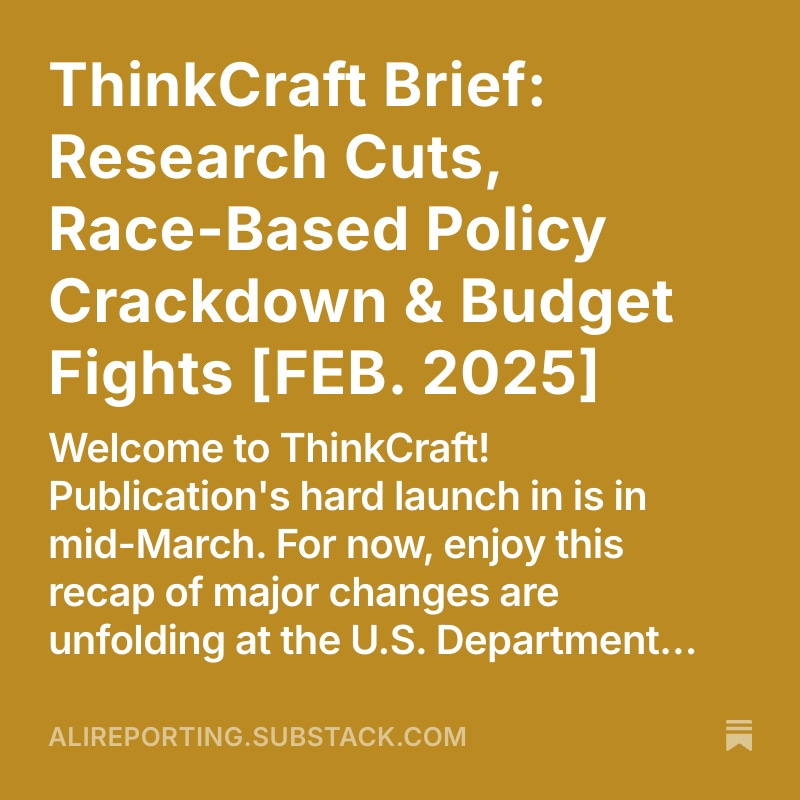
My multimedia newsletter & podcast launches mid-March. Excited to combine education research, policy analysis, & news with guests' expertise.
For now, here's a recap of some seismic shifts in policy coming from Dept. of ED + pics of the podcast studio:
https://t.co/HHZwRcuBoX
The CHIPS Act, the Inflation Reduction Act, and the Infrastructure Investment and Jobs Act - all of which I support - didn't win voters.
The CHIPS act in particular poured money into AZ, which still flipped to Red.
@KateAronoff puts this into context.
https://t.co/taZopJjn5r
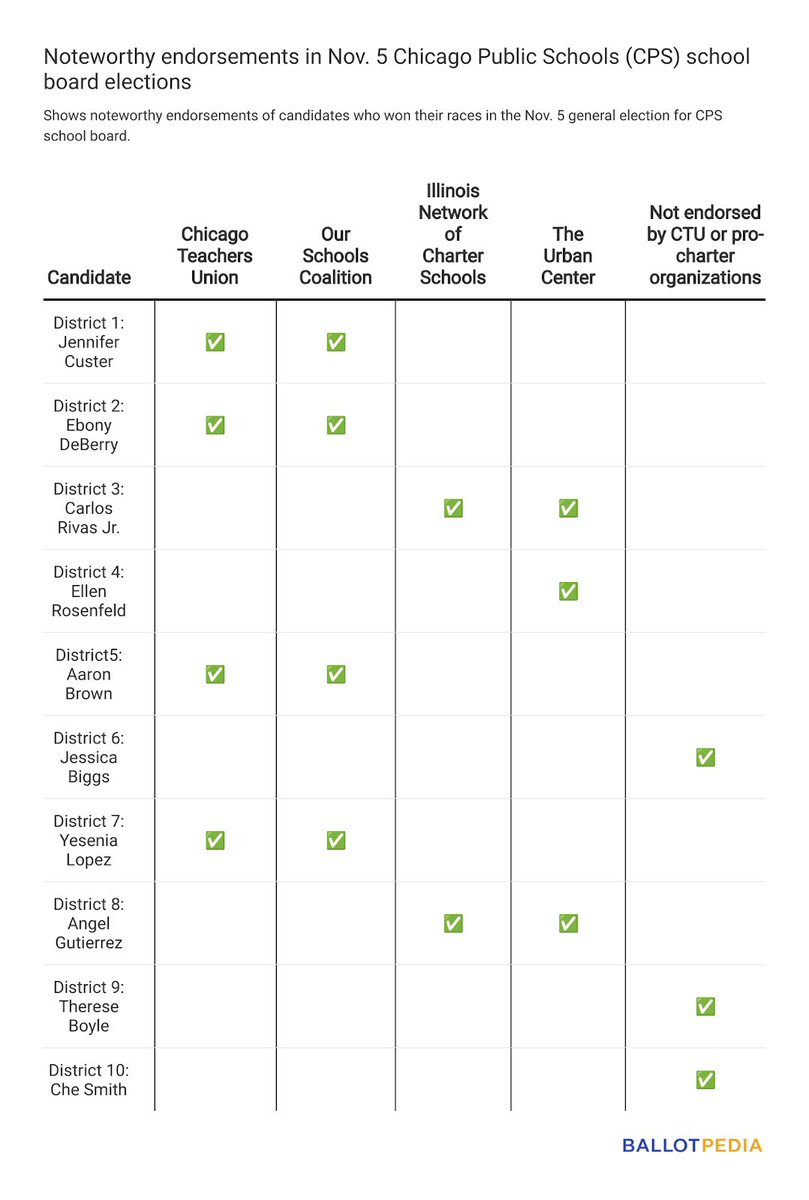
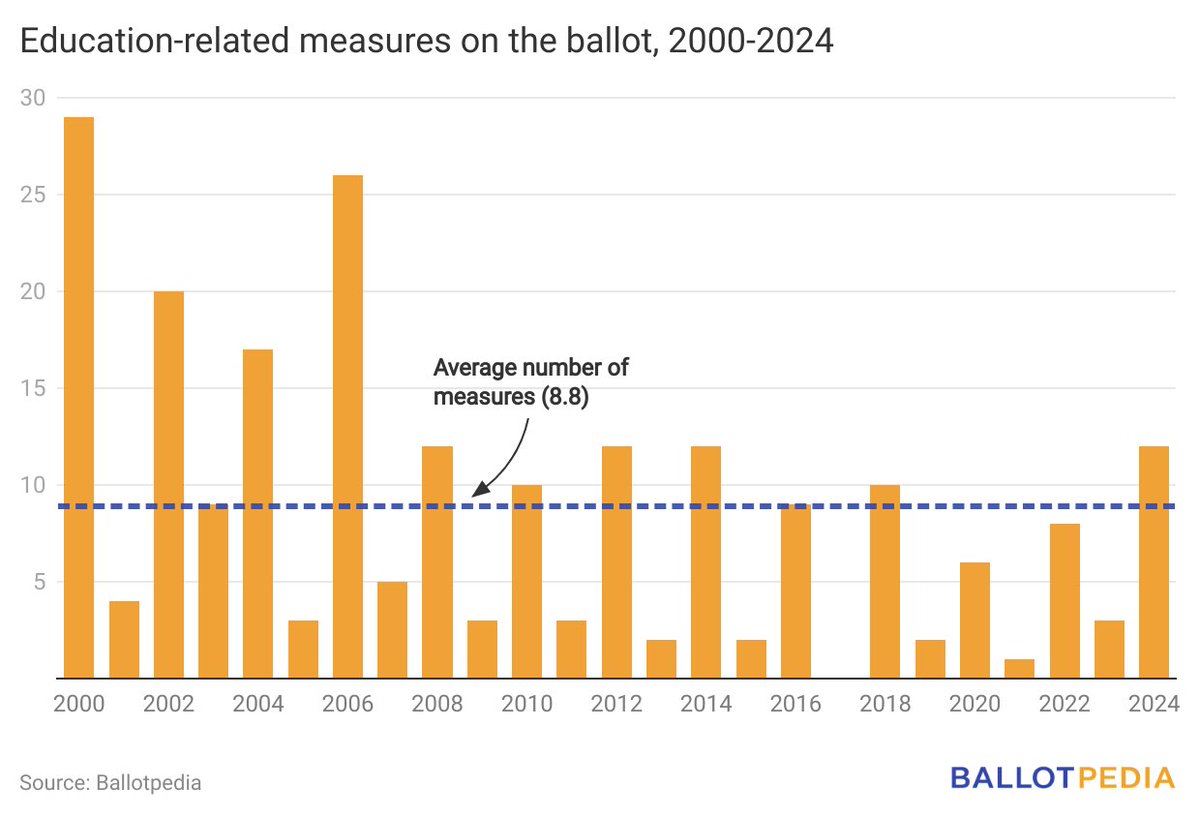
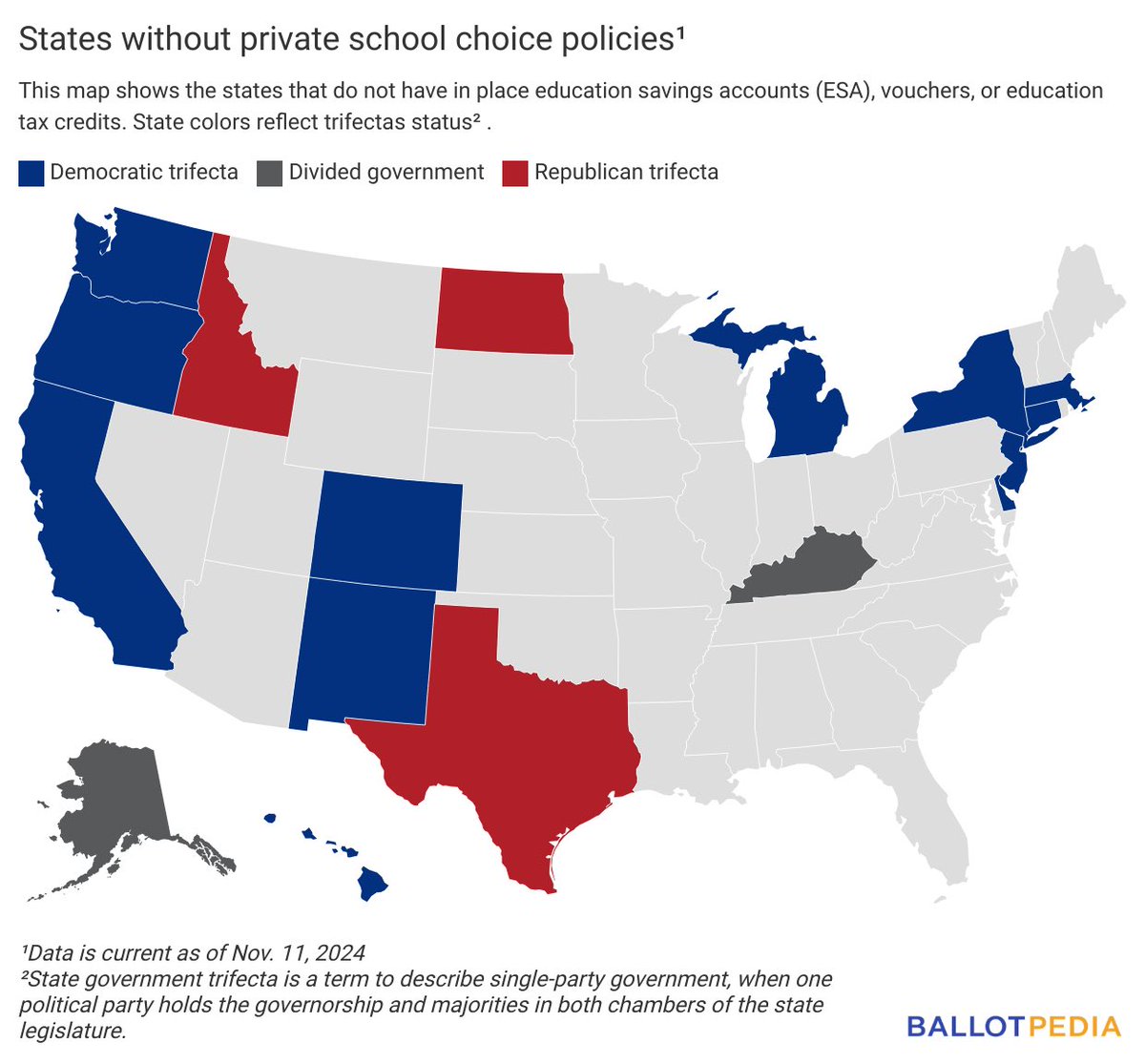
Voters decided on 12 #education related measures, the most in 18 years.
Five were rejected, and seven approved.
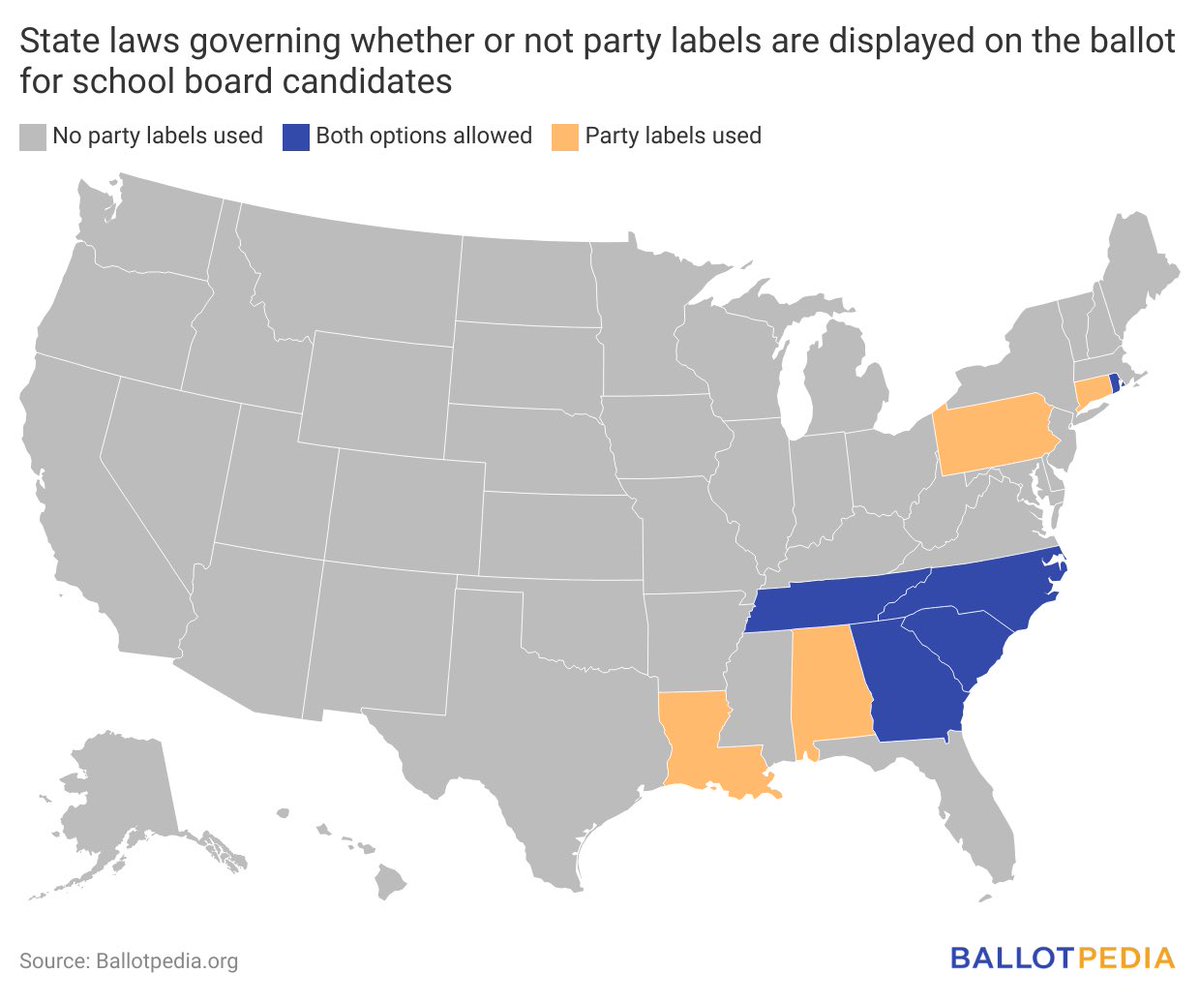
Ballot topics included taxpayer funding for private expenses, standardized testing, school board #elections, #governance, funding, and more.
https://t.co/X9pVFmvhfx
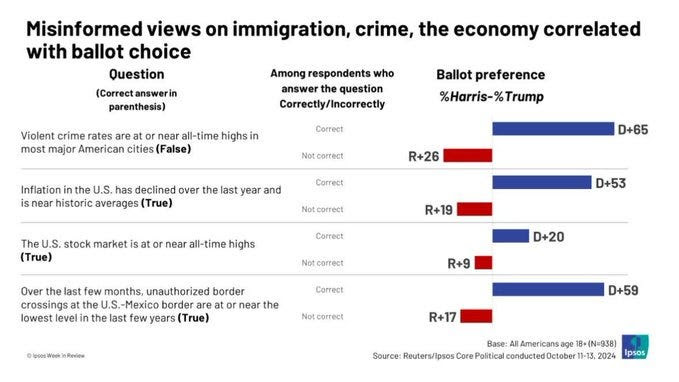
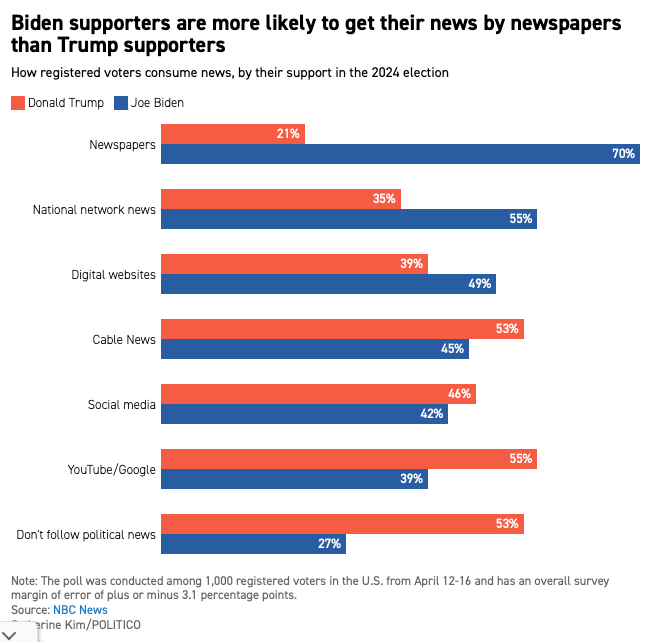
Finally, media consumption is more individualized, resulting in different factions of voters getting different information about the economy.
@DeanBaker13 is quite good at holding media organizations accountable for their messaging about the economy.
https://t.co/zTCkdCNxlu
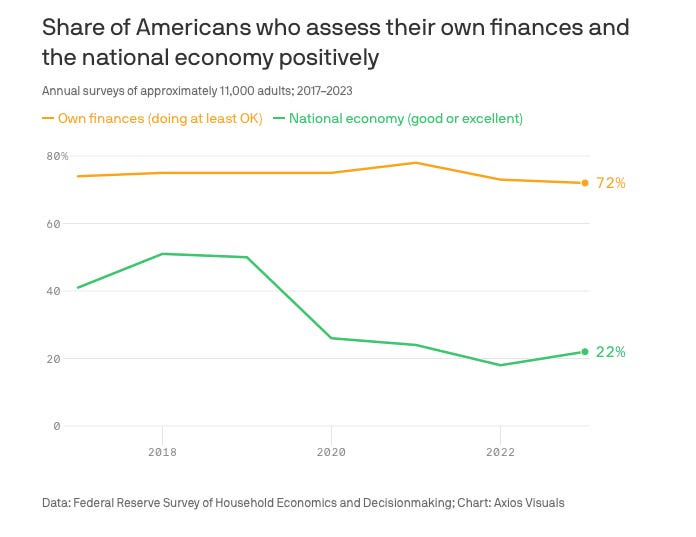
#Election2024 data food for thought:
- No incumbent won an election this year [top left chart @jburnmurdoch]
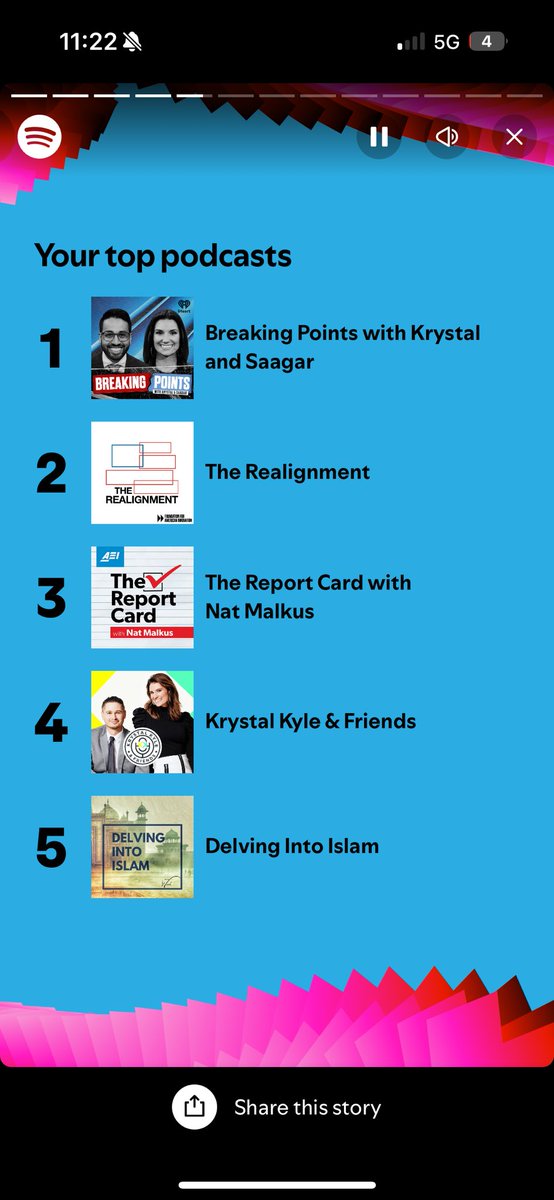
- Voters told polls that inflation/economy drove their vote (though @esaagar and @makosloff discuss why that may not be the case in a recent Q&A @RealignmentPod)
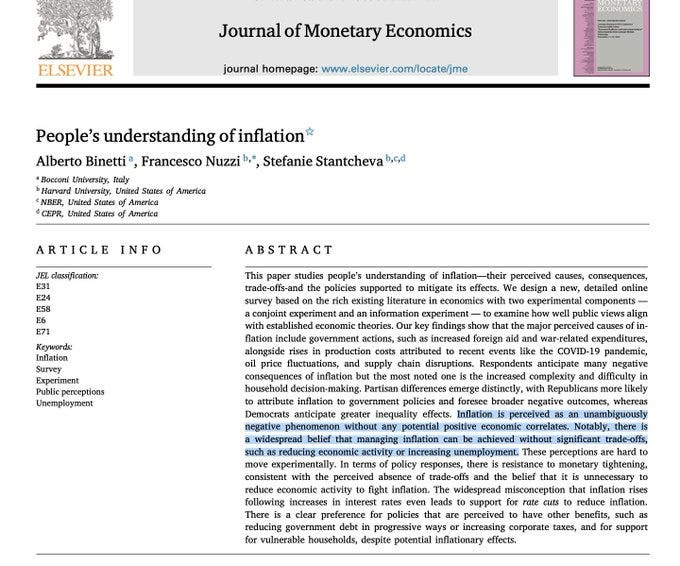
Voters experience the same economic conditions differently, not just on account of state-to-state variations, but as matter of 'narrative.'
@S_Stantcheva looks at how people attribute causes of inflation differently across partisan lines.
https://t.co/oukqfTvQTf
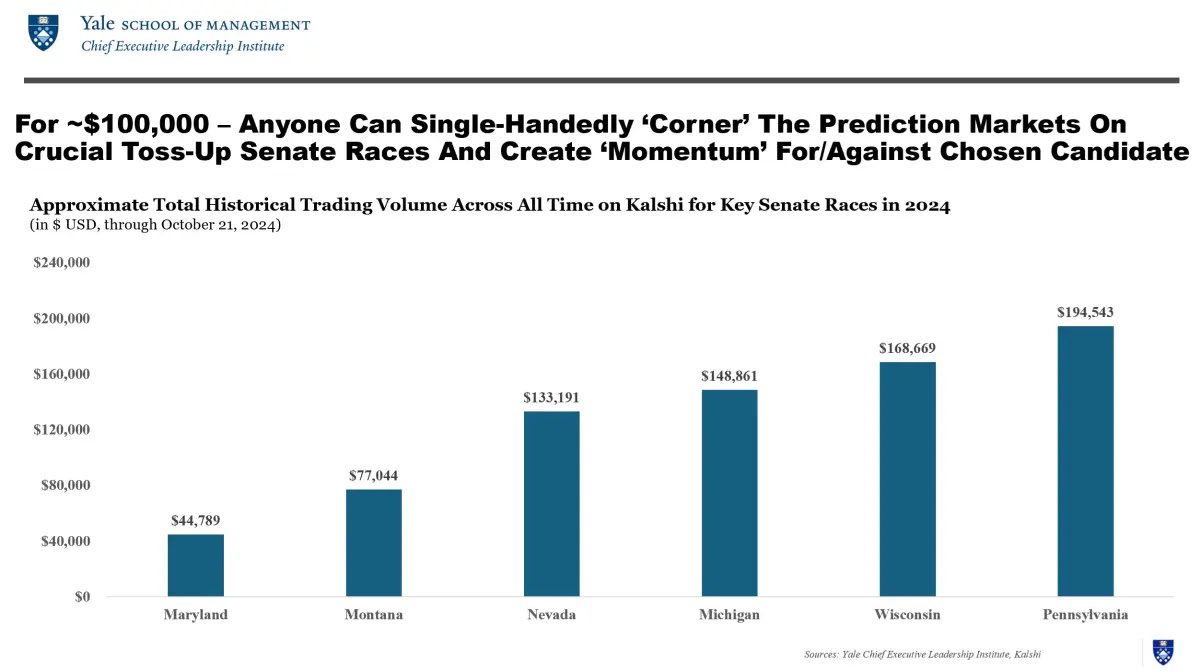
A lot of political & business media professionals/ pundits cite prediction markets (e.g., Polymarket, Kalshi, PredictIt, and Interactive Brokers) as a great indicator/forecast of who is likely to win.
This @YaleSOM article disagrees.
https://t.co/tXDzJ9gHfd
2. Foreign Interference & Bias: Political interests and foreign actors can influence outcomes, undermining objective predictions.
3. Restricted Access in the U.S.: Legal limitations mean fewer people can participate, limiting the pool and skewing results.
2024 BLEST Hub State of the Ecosystem Report out. Check it out on our website https://t.co/l1HESFLnhI (along with accompanying podcast - https://t.co/LTpI13vPnk)


![AliReporting's tweet photo. Very excited about the release of the fourth State of the Ecosystem report by my colleagues and I at Marquette University’s Center for Urban Research Teaching and Outreach (CURTO).
[ @CURTOMarquette ]
Report: https://t.co/PJFszBoXqg
Podcast: https://t.co/nc5ESDyeg1 https://t.co/MbVGJi1uYB](https://pbs.twimg.com/media/GX3iKkuXIAAEsq_.jpg)

![AliReporting's tweet photo. New memo from top law professors to university leadership: Common #DEI initiatives remain legally defensible despite Trump’s Jan 21, 2025 EO and the Dept. of Ed’s Feb 14 Dear Colleague Letter.
Read the analysis below:
[1/2] https://t.co/wkVR6xQ7S3](https://pbs.twimg.com/media/GmlAa1qXkAQDySr.jpg)
![AliReporting's tweet photo. New memo from top law professors to university leadership: Common #DEI initiatives remain legally defensible despite Trump’s Jan 21, 2025 EO and the Dept. of Ed’s Feb 14 Dear Colleague Letter.
Read the analysis below:
[1/2] https://t.co/wkVR6xQ7S3](https://pbs.twimg.com/media/GmlAa1WX0AA9jjc.jpg)
![AliReporting's tweet photo. New memo from top law professors to university leadership: Common #DEI initiatives remain legally defensible despite Trump’s Jan 21, 2025 EO and the Dept. of Ed’s Feb 14 Dear Colleague Letter.
Read the analysis below:
[1/2] https://t.co/wkVR6xQ7S3](https://pbs.twimg.com/media/GmlAa1WXkBI1i1W.jpg)


![AliReporting's tweet photo. #Election2024 data food for thought:
- No incumbent won an election this year [top left chart @jburnmurdoch]
- Voters told polls that inflation/economy drove their vote (though @esaagar and @makosloff discuss why that may not be the case in a recent Q&A @RealignmentPod) https://t.co/hJruiap7pM](https://pbs.twimg.com/media/GcbpnmCWgAAdkX6.png)
![AliReporting's tweet photo. #Election2024 data food for thought:
- No incumbent won an election this year [top left chart @jburnmurdoch]
- Voters told polls that inflation/economy drove their vote (though @esaagar and @makosloff discuss why that may not be the case in a recent Q&A @RealignmentPod) https://t.co/hJruiap7pM](https://pbs.twimg.com/media/GcbhtZmXkAA_XF8.jpg)
![AliReporting's tweet photo. #Election2024 data food for thought:
- No incumbent won an election this year [top left chart @jburnmurdoch]
- Voters told polls that inflation/economy drove their vote (though @esaagar and @makosloff discuss why that may not be the case in a recent Q&A @RealignmentPod) https://t.co/hJruiap7pM](https://pbs.twimg.com/media/Gcbhh4gXQAA7MV1.jpg)



![AliReporting's tweet photo. Very excited about the release of the fourth State of the Ecosystem report by my colleagues and I at Marquette University’s Center for Urban Research Teaching and Outreach (CURTO).
[ @CURTOMarquette ]
Report: https://t.co/PJFszBoXqg
Podcast: https://t.co/nc5ESDyeg1 https://t.co/MbVGJi1uYB](https://pbs.twimg.com/media/GX3iKkxWAAAGVp-.jpg)
![AliReporting's tweet photo. Here are the authors of the letter [the signatories].
I think this is useful for many people who don’t know whether or not an EO can or can’t happen. Thank you @sbagen @mjschlanger @NoahZatz and the other contributors.
[2/2]
#UniversityPolicy #EdLaw https://t.co/aDcrzvWQot](https://pbs.twimg.com/media/GmlAbgXbsAAKFTj.jpg)
![AliReporting's tweet photo. New memo from top law professors to university leadership: Common #DEI initiatives remain legally defensible despite Trump’s Jan 21, 2025 EO and the Dept. of Ed’s Feb 14 Dear Colleague Letter.
Read the analysis below:
[1/2] https://t.co/wkVR6xQ7S3](https://pbs.twimg.com/media/GmlAa2IaEAQ7tsL.jpg)

![AliReporting's tweet photo. #Election2024 data food for thought:
- No incumbent won an election this year [top left chart @jburnmurdoch]
- Voters told polls that inflation/economy drove their vote (though @esaagar and @makosloff discuss why that may not be the case in a recent Q&A @RealignmentPod) https://t.co/hJruiap7pM](https://pbs.twimg.com/media/GcbpnmCXQAAaXCw.jpg)