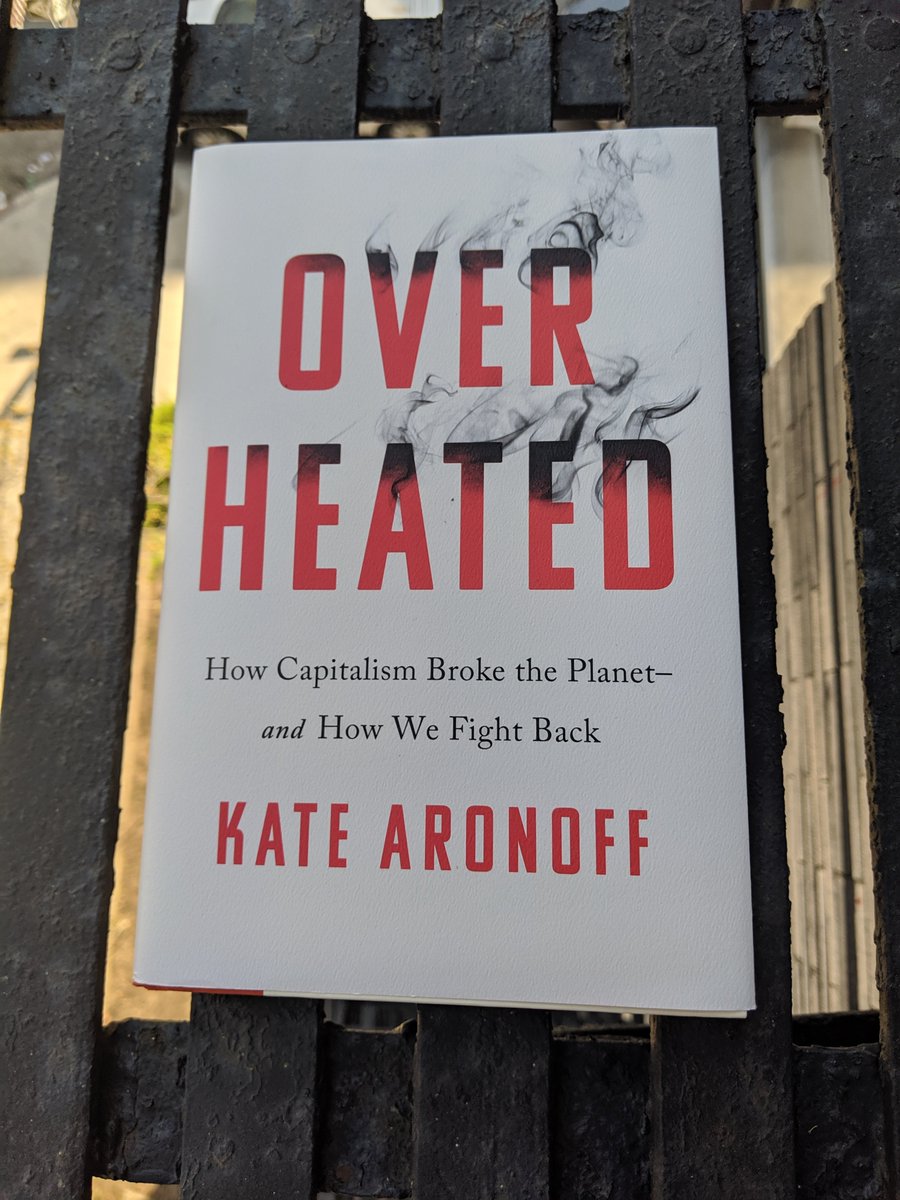
Surreal that you can now just go ~*buy*~ the book I've worked on in some way for 5+ years, on what's fueled the climate crisis and what it might look like to salvage a more democratic, abundant future
Please do buy it, and enjoy poking around in my brain! https://t.co/e10OyIeoJC
The amount of money about to flow into the terminally online effective altruist non-profit industrial complex might be enough to make me finally leave this site
Neat how whenever some kind of disruptive, widespread tech outage happens now it could be the result of a) cyberterrorism b) decades of underinvestment and/or c) the industry the US has for some reason decided to build its entire growth model around
NEW: As Congress debates BAAJA, the bill isn’t breaking through.
Just 3% of voters have heard “a lot” about it, 27% have heard “some,” and about two-thirds have heard nothing at all.
Seeing climate as something that’s actively harming people here instead of as an economic opportunity and/or (temporally, geographically) far off concern tends to make people more open to a wider array of policy fights and a more active role for the state
Centrist US climate politics seems to revolve mostly around a belief that the only meaningful thing to do is allow markets to build lots of clean energy in the US. That allows for A) narrow advocacy around cutting red tape & B) ignoring that a crisis is actively unfolding here
I'm baffled about the centrist position on climate change at this point. Is the idea that it isn't happening anymore? Or that we don't need to take drastic measures to prevent it, even if they are unpopular?
Not clear where the politics of this goes now but I think lots on the left have also been more skeptical than centrists that framing climate within the terms of US-China industrial competition is productive vis a vis emissions
Amazing how much of our economy revolves around the exponential growth of a technology that may or may not be involved in massive systemic disruptions while it makes people insane and illiterate with basically no recognizable upsides for most people
I don't think this is particularly damning or even a reason not to support it—infrastructure bills take a while to pay off! It just doesn't seem like household affordability is the strongest pitch
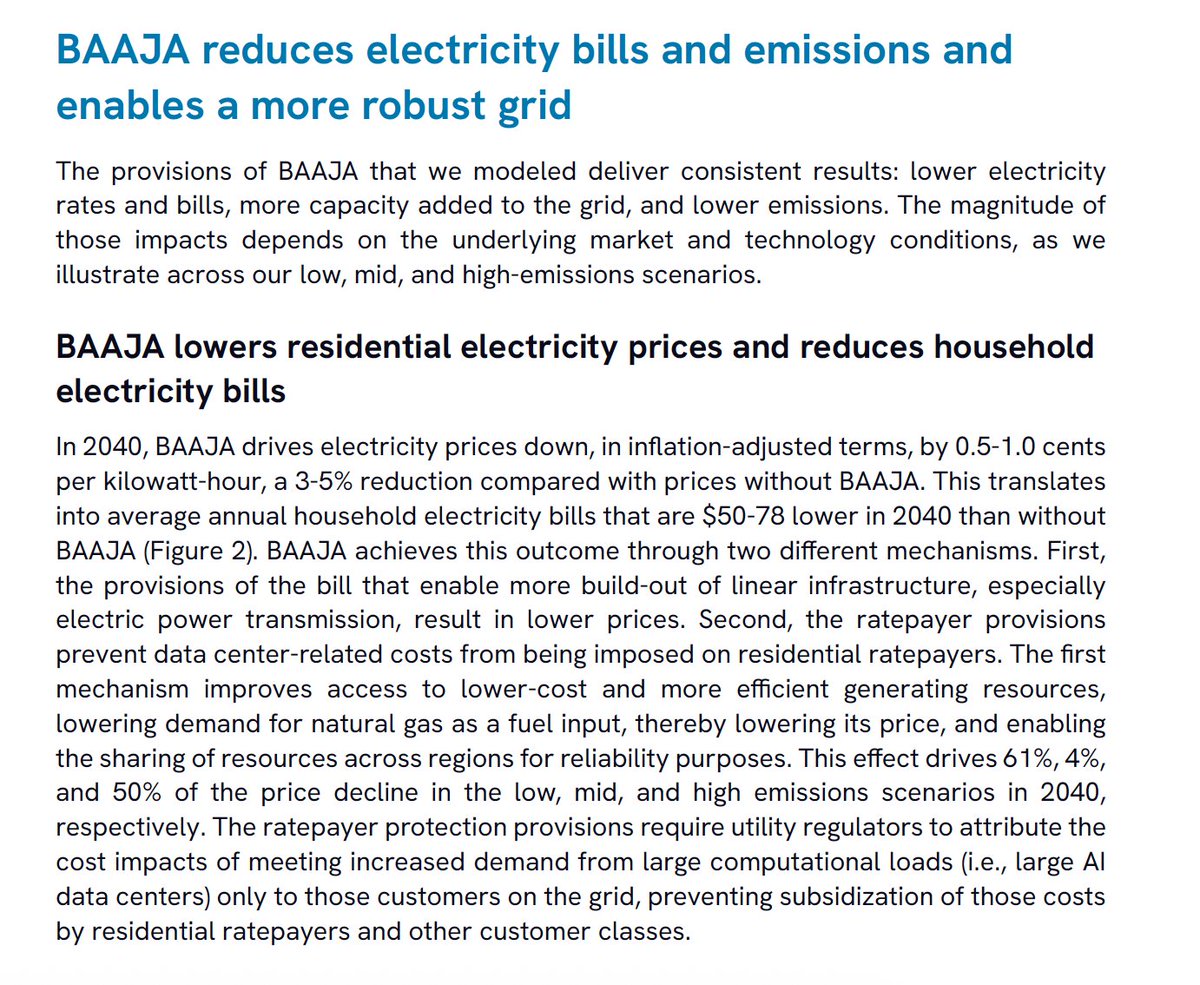
Many debates about this bill aside—have seen good arguments on either side—I'm a bit mystified by the framing of it as a critical test of Dems' willingness to deliver affordability to voters, esp. relative to 2028. Rhodium modeling shows it'd lower bills by ~$4-7 a month in 2040
Really something that the perennial centrist prescription this year - vague economic populism & “moderating” on social issues - seems to be ignoring huge shifts in public opinion on Israel and data centers/Big Tech
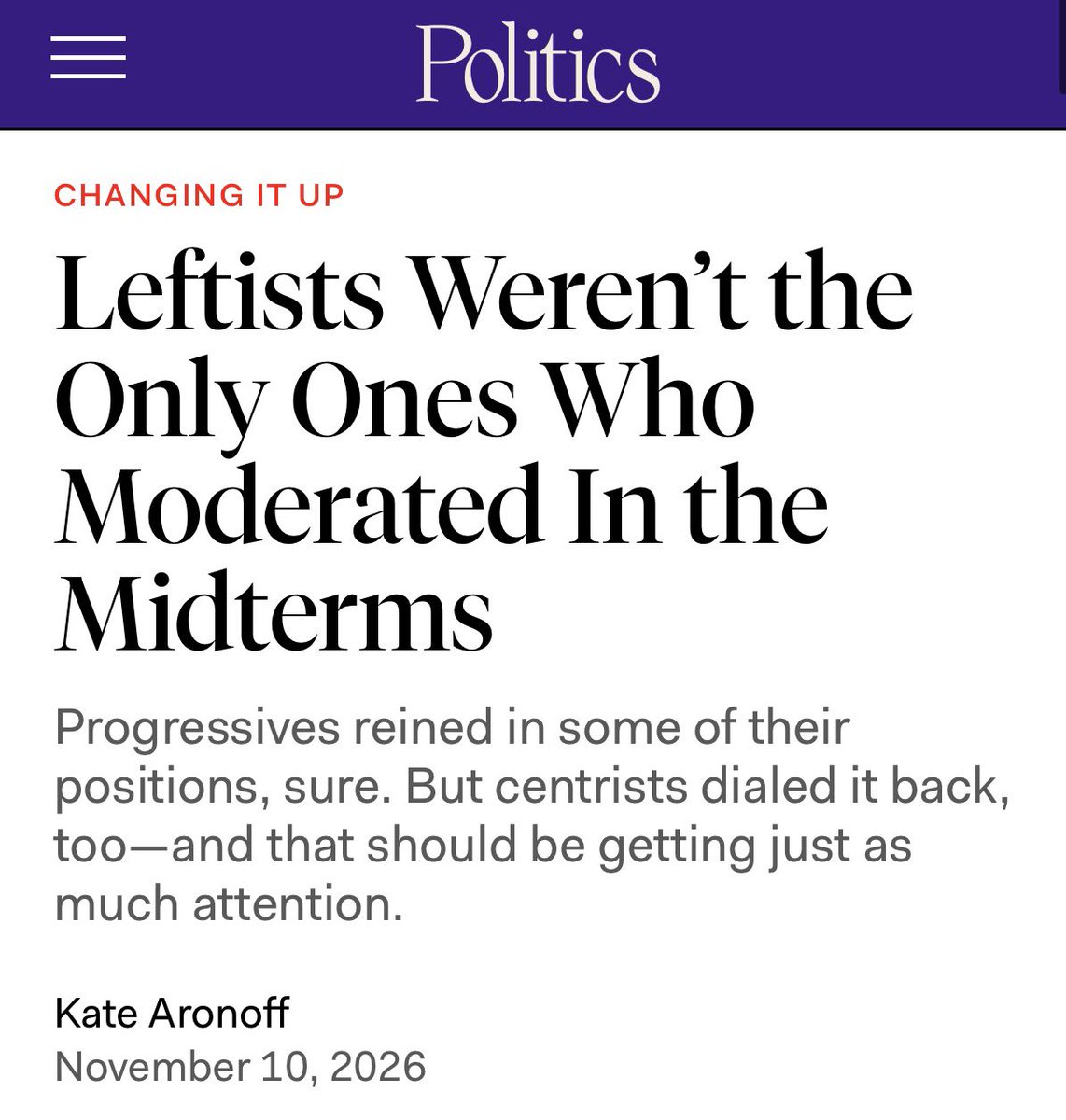
A key takeaway from this year’s midterms is that Democrats need to moderate on issues where the establishment orthodoxy is out of touch with voters, like US support for Israeli government policy