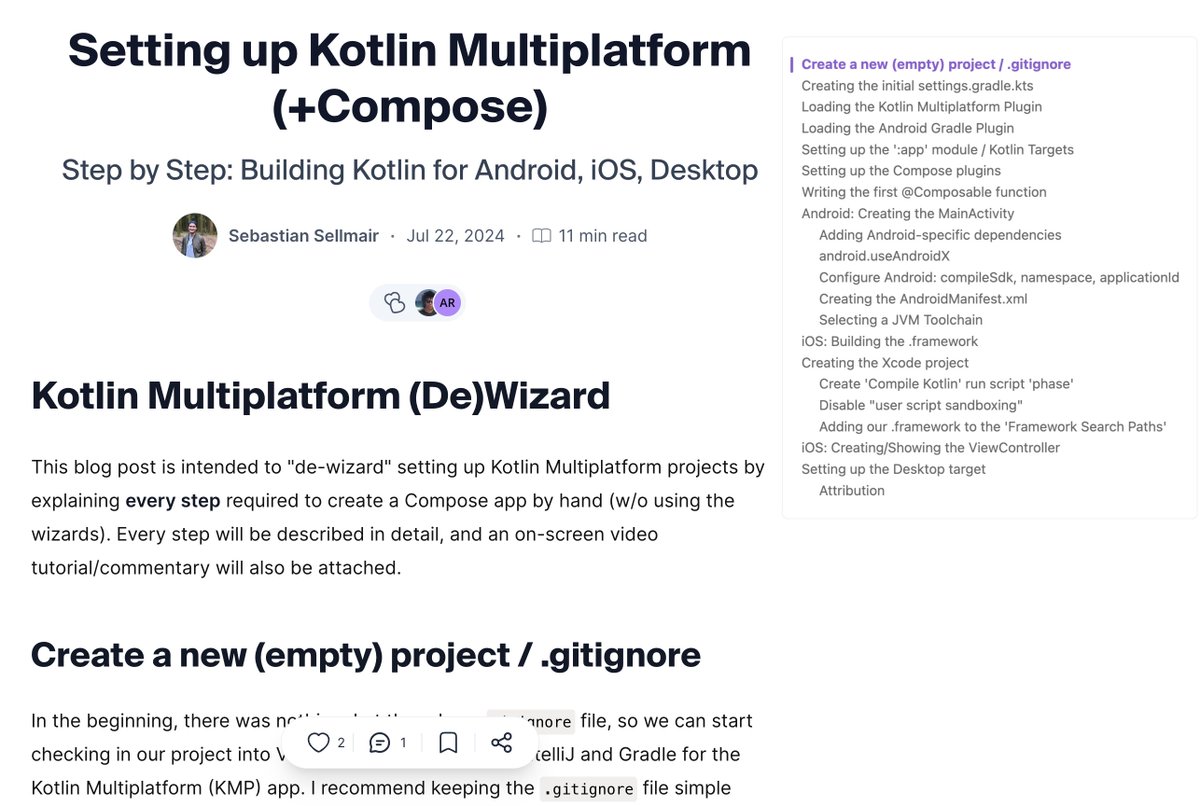
Don't miss the new guidance for Kotlin Multiplatform → https://t.co/fpt3z5O1qL
🔄 Refreshed KMP Landing Page
👨🏽🏫 KMP Basics Course
✏️ New guides for ViewModel, Room, DataStore, and KMP AGP Plugin
Turn calculator images into fully functioning apps with Gemini in Android Studio.
✨ Use jpeg and png images
💻 Write code with Jetpack Compose
🧑💻 Build a whole app from a mockup
Learn more → https://t.co/d8uVZYdFKo
🔥 The new Koin annotation is here! It brings improvements for ViewModel and Kotlin Multiplatform projects and enhances compiler safety.
Find more details in their release blog post below.
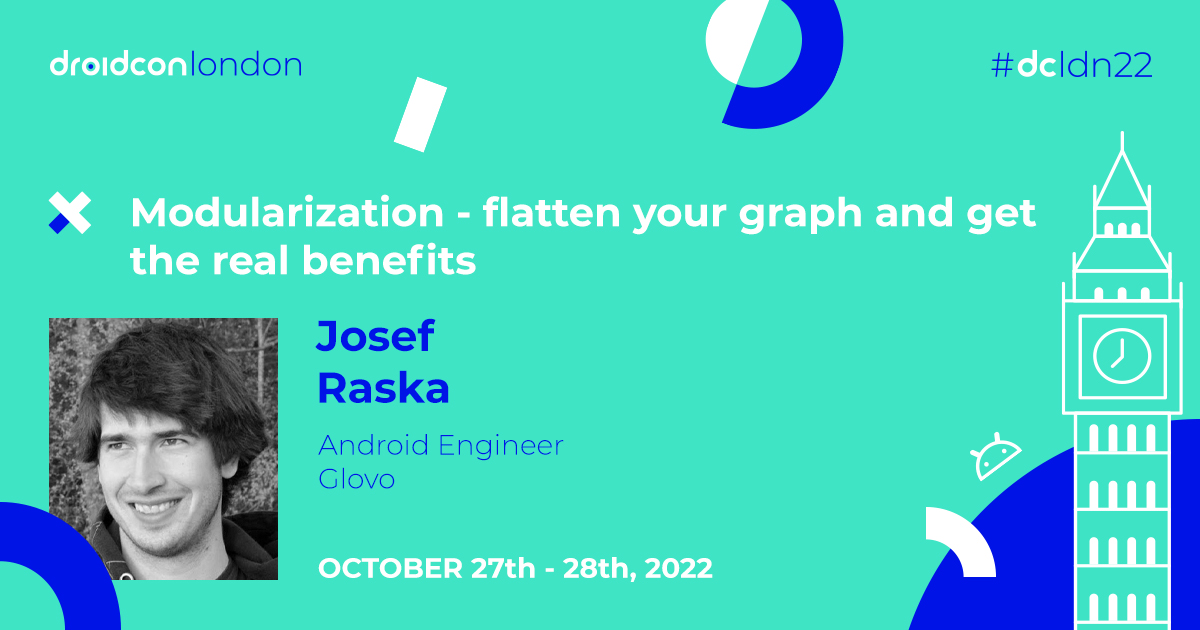
Next up in our #dcldn22 speaker announcement queue, we’ve got Josef Raska! @josef_raska will discuss how to measure & automatically identify problematic #modules and their dependencies paths.
Learn more about his talk here: https://t.co/HKLcsJorTI
Oauth 2.0 Explained With Simple Terms.
OAuth 2.0 is a powerful and secure framework that allows different applications to securely interact with each other on behalf of users without sharing sensitive credentials.
The entities involved in OAuth are the User, the Server, and the Identity Provider (IDP).
What Can an OAuth Token Do?
When you use OAuth, you get an OAuth token that represents your identity and permissions. This token can do a few important things:
Single Sign-On (SSO): With an OAuth token, you can log into multiple services or apps using just one login, making life easier and safer.
Authorization Across Systems: The OAuth token allows you to share your authorization or access rights across various systems, so you don't have to log in separately everywhere.
Accessing User Profile: Apps with an OAuth token can access certain parts of your user profile that you allow, but they won't see everything.
Remember, OAuth 2.0 is all about keeping you and your data safe while making your online experiences seamless and hassle-free across different applications and services.
Over to you: Imagine you have a magical power to grant one wish to OAuth 2.0. What would that be? Maybe your suggestions actually lead to OAuth 3.
–
Subscribe to our weekly newsletter to get a Free System Design PDF (158 pages): https://t.co/uc5M7CdXXC
🎉 The 2nd group of winners for the 2023 Google Open Source Peer Bonus Program have been chosen ➡ https://t.co/nc9z6SGA4P
138 winners were selected for the impact of their contributions to the open source project, the quality of their work, and dedication to open source.
Planning to use #REST or #GraphQL in your next #API project? ⚖️🛠️ Our blog post has you covered. 🏆
Learn about the similarities and differences between GraphQL and REST—and when you should choose one over the other. Check it out: https://t.co/rewzVOtRcS
How do SQL Joins Work?
The diagram below shows how 4 types of SQL joins work in detail.
🔹 INNER JOIN
Returns matching rows in both tables.
🔹 LEFT JOIN
Returns all records from the left table, and the matching records from the right table.
🔹 RIGHT JOIN
Returns all records from the right table, and the matching records from the left table.
🔹 FULL OUTER JOIN
Returns all records where there is a match in either left or right table.
–-
Subscribe to our weekly newsletter to get a Free System Design PDF (158 pages): https://t.co/uc5M7CdXXC
🌲 Participate in Advent of Code 2023 using Kotlin and win prizes!
Starting December 1, the JetBrains community will be diving into 25 days of coding challenges at https://t.co/q1E0b7nwPT, and we warmly invite you to participate using Kotlin ⤵️
https://t.co/0hHJUvx9dQ