My paper has been peer-reviewed and published in mBio!
Une partie de mes recherches est maintenant officielle !
The Mammalian Membrane Microenvironment Regulates the Sequential Attachment of Bacteria to Host Cells | mBio https://t.co/z4Ucs4I4mF
How can physical concepts provide a complementary expertise to our understanding of life?
🔬Hands-on remote learning of bachelor students in the course "Physics of Cells" with self-assembled #Foldscopes resulted in stunning images🔬👇https://t.co/BzkAGrdAZb @alexpersat
After enjoying 3 months back to the lab by forcing myself not to think too much about the future, I have to face the reality again now. As there are only 3 months left for my visiting research at ETH @Vogel_Lab, I have to start my last trial for the U.S. VISA application to
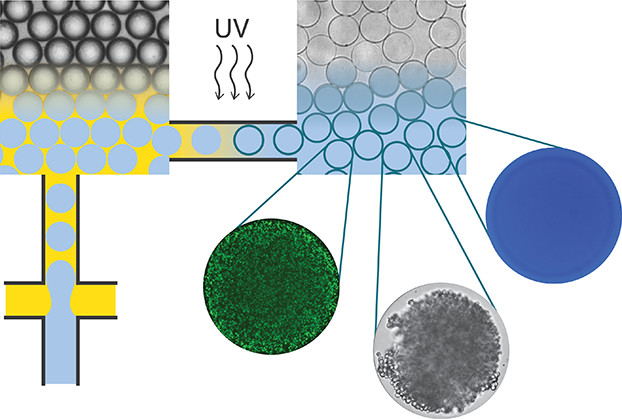
Researchers from the Soft Materials Lab @SMaL_EPFL and the Persat Lab @alexpersat at @EPFL_en developed a robust method to produce selectively permeable #hydrogel capsules from single emulsion drops https://t.co/yNZBHQrlzk
Insight into the #mechanics of biofilms – #bacteria in a multicellular layer – suggests a new mode of #infection. Image and research by @alexpersat lab @EPFL_en in @eLife. Read more on https://t.co/tZ5xKY4THy with @MRC_LMS
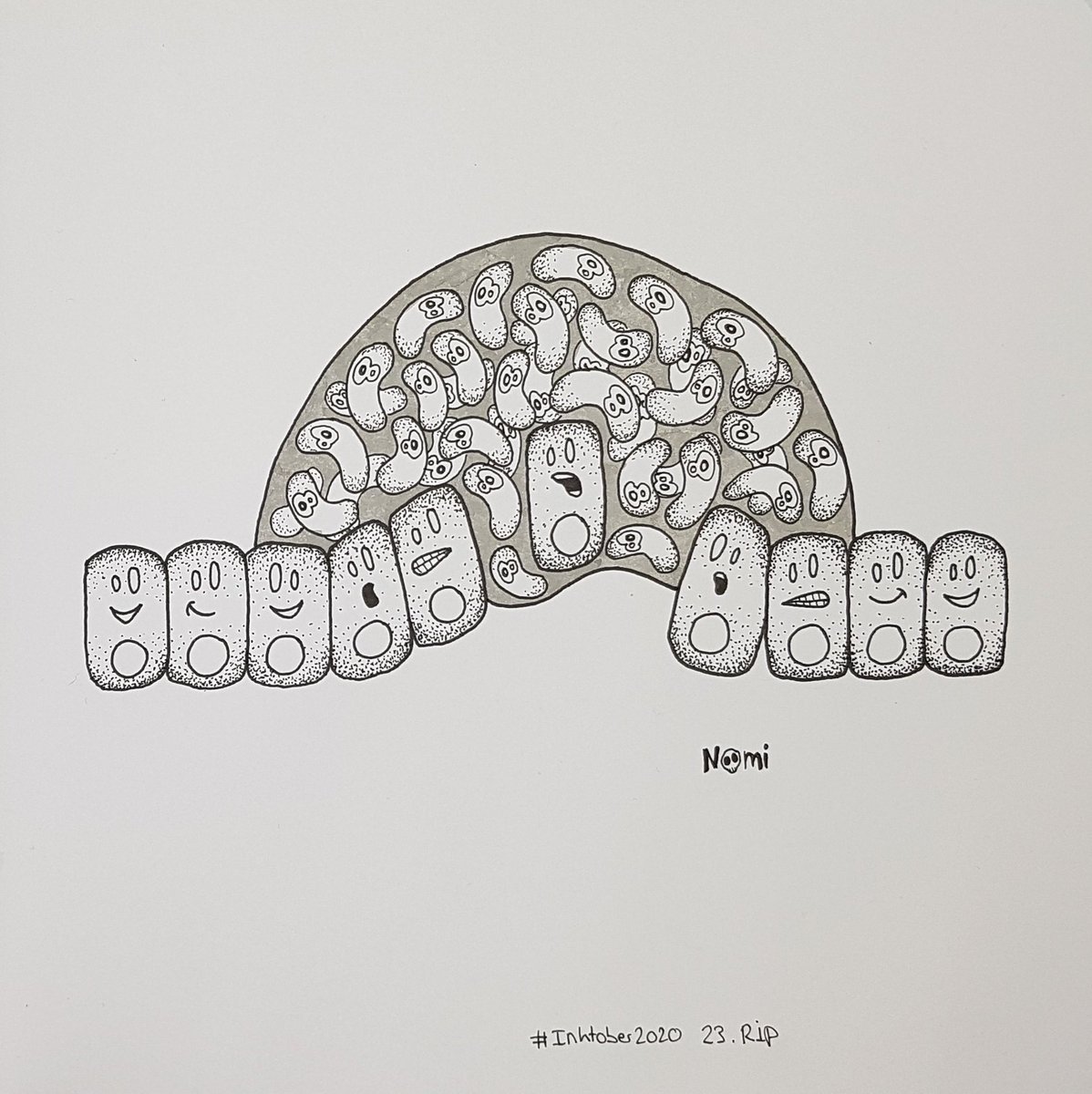
#Inktober2020day23 Rip
In a recent study @Alicecont2 (@alexpersat lab) investigates how biofilm forms on soft materials and epithelia. Biofilms of Vibrio cholerae exert a mechanical stress that deform and even disrupt epithelial cell, suggesting a mechanical mode of infection!
🔴 🇮🇹ARTSAKH RECOGNIZED: By the City Council of Milan - unilaterally. Thank you! Special thanks to Matteo Forte for authoring the motion. The motion also condemns Turkish-Azerbaijani mil. aggression.
🇦🇲 #RecognizeArtsakh#ArtsakhStrong
⛔️ #StopAliyev#StopErdogan#stopterrorism
Studying bacterial #biofilms, @epflSV scientists have discovered that mechanical forces within them are sufficient to deform the soft material they grow on like biological tissues, suggesting a “mechanical” mode of bacterial infection. https://t.co/GaXxIUVOpy
John McKinney's tour de force talk on using atomic force microscopy to track bacterial growth and division: bacterial division sites are marked by surface troughs generations earlier: https://t.co/5HyNUBv6BC
#ECCMID2019