🎉 Happy New Year 🎉
Wishing you all a fascinating 2026!
I’ll be starting mine by exploring and collecting for TezosTuesday. Great to see many replies already 🙌
Start yours with your art on this post👇
there’s a big difference between shipping features and growing an ecosystem @wardenprotocol
and it usually shows in how teams think out loud.
that blend of reflection plus execution is what turns ideas into something real.
not just code drops, but systems people actually build on, learn from, and extend.
with warden, the writing feels like a signal of where things are heading.
not abstract ai talk, but grounded insight into how agents interact with onchain ux, where friction shows up, and what needs to change next.
it’s the kind of content that doesn’t just explain what they’re building, but why the decisions matter.
if you’re curious about the real trajectory of ai agents and onchain user experience
not the hype version
wardens writing is definitely worth your time
Couldn’t agree more. AI as a support layer that highlights patterns, reduces information overload, and supports informed decisions without replacing human execution.
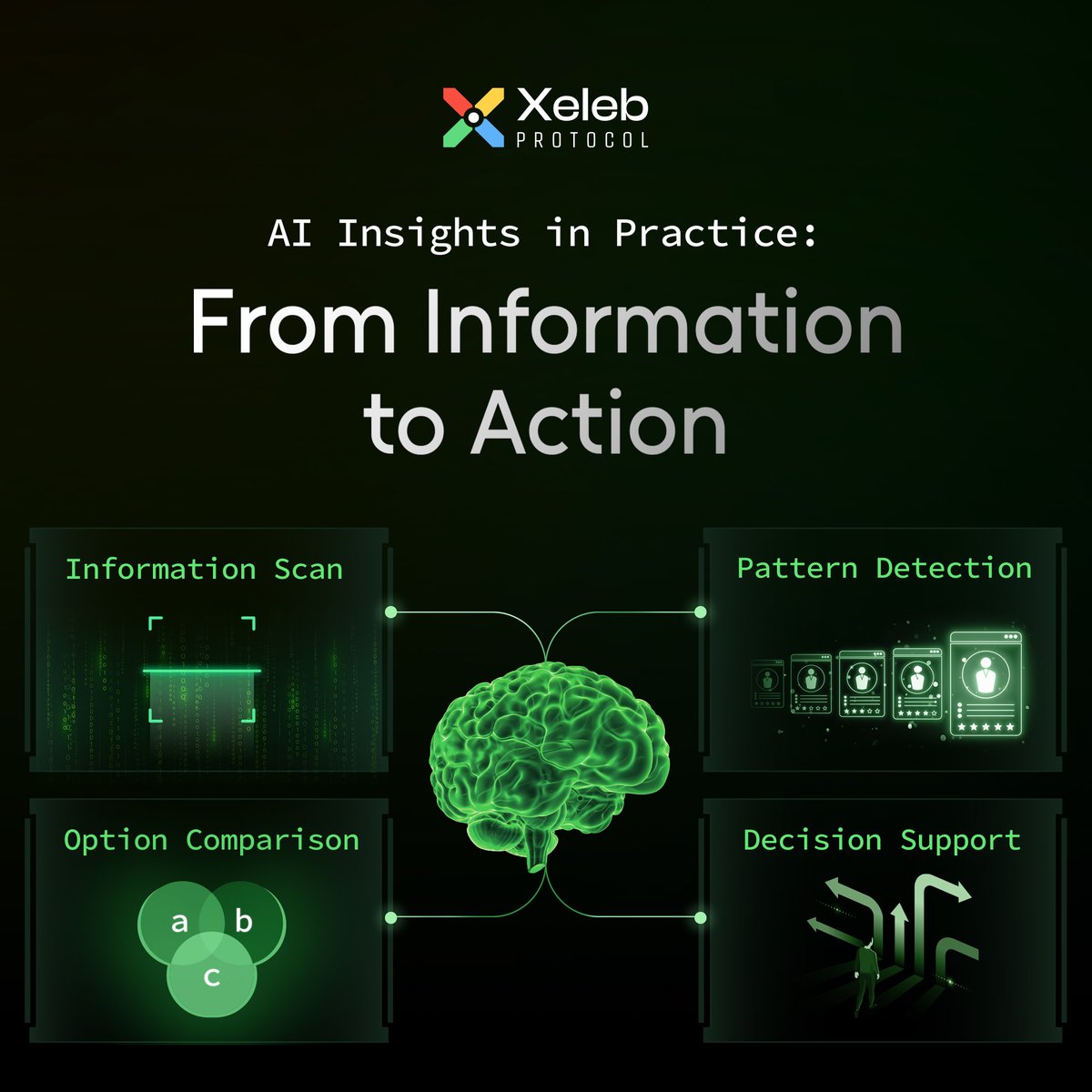
AI Insights in Practice: From Information to Action
AI insights are becoming part of everyday work, not as finished answers, but as inputs for decision-making.
In practice, AI is used to scan large amounts of information, highlight patterns, and surface signals that would be difficult or time-consuming to catch manually. These insights help people move faster, compare options, and reduce uncertainty.
This is not about automation or hype. The value of AI insights lies in saving time, lowering cognitive load, and supporting clearer, better-informed decisions.
AI works best as a support layer, providing context and perspective, while humans remain responsible for judgment and execution.