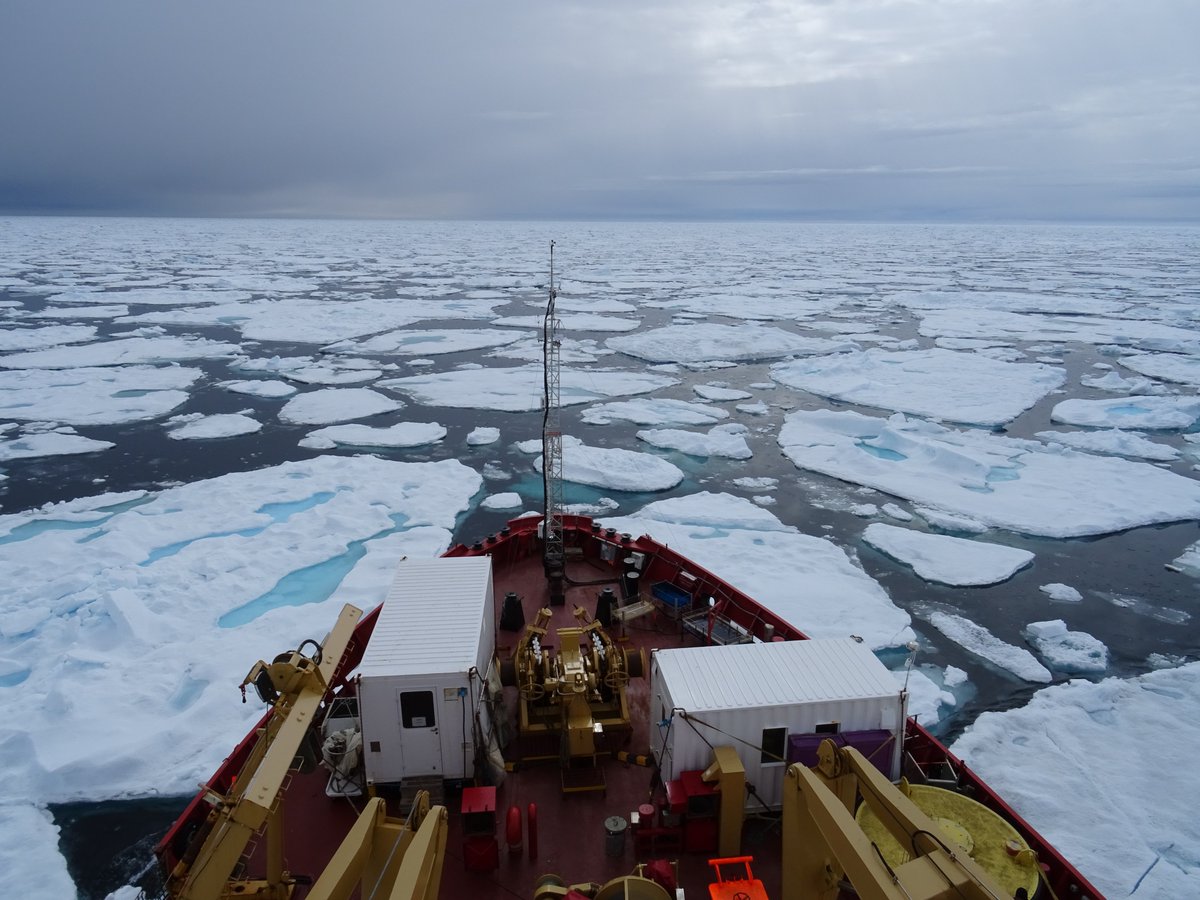
An increased amount of thick sea ice flowing south from the Arctic Ocean shortened the ice-free shipping season in several parts of the Northwest Passage between 2007 and 2021, according to an analysis in @CommsEarth. Alison Cook and colleagues suggest this could mean
@BryonyFreer@malmcmillan@BAS_News You are so welcome Bryony! I'm so glad that you went down the route of Antarctic research. It's such a unique and special place and I'm glad you've enjoyed doing science there too. Have a great time north as well!
Thick sea ice is flowing into the Northwest Passage, making Arctic shipping more difficult and complicating predictions that melting ice due to climate change will open a shorter route between oceans. https://t.co/c1edZxOpU2
Here's an ice-breaker!
Did you know that centuries-old multi-year ice in the Arctic region is now moving southwards into shipping routes in the global north?
The changing ice conditions have sparked a warning from scientists.
Read more: https://t.co/nZuRN6AIqs
#MarineScience
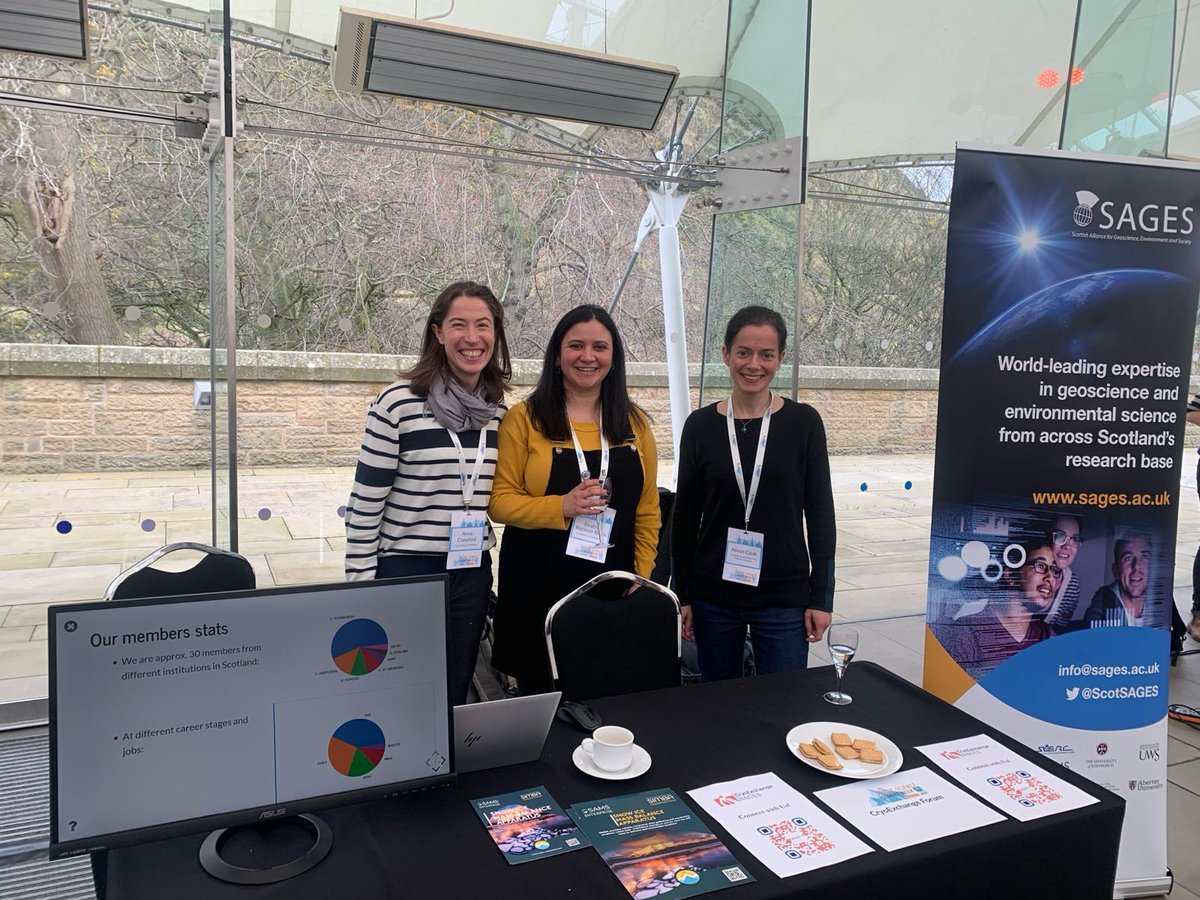
Hello! CryoExchange aims to leverage the vast knowledge of Scotland’s cold-region experts. Follow us for cryospheric updates across the physical, biological and social sciences! 🏔️🧊❄️ @ScotSAGES#CryoExchange#Cryosphere#Science
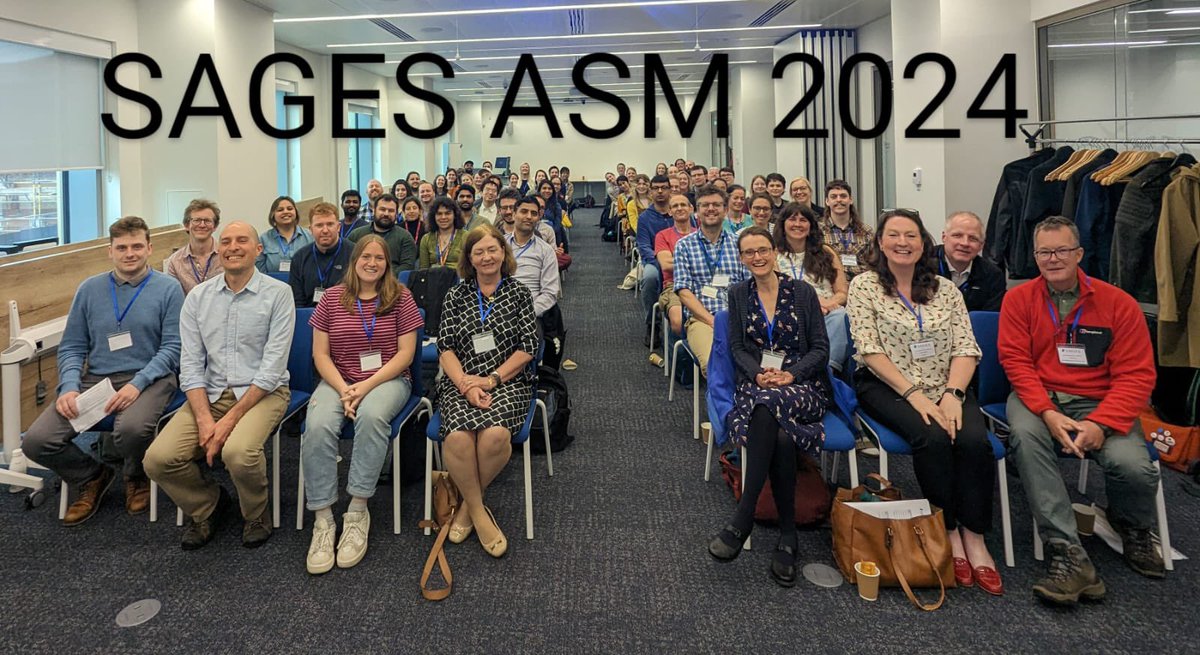
🚨That’s a wrap! The SAGES #AnnualScienceMeeting 2024 has finished! Thank you to all of our amazing speakers, poster presenters, chairs, and of course wonderful attendees! Truly showcasing some of the best of Scottish science 🌍🏴🔬🛰️❄️🔥🪐
It was great to have the SAGES community at @IASC_Arctic#ASSW2024 Science Day! 🌍 The day's theme of "Arctic Coasts" encompassed talks, a panel discussion, presentations by IASC Award Winners, and a keynote presentation by the Chair of the US Arctic Research Commission.