Taking one last opportunity to post on Twitter/X to share that our paper on PBAF and centromere stability is out now in @NatureComms! It was a long journey but it was made so much easier thanks to my co-first author/coding whiz @Alison_H_89 🙂
https://t.co/rx144RkHGc
Check out our paper here to find out more about PBRM1’s role in protecting centromere integrity: https://t.co/doOG1p4KnV - I’ve loved working with @kez_lane, @LillianWu_ and everyone else involved on this project over the last several years!
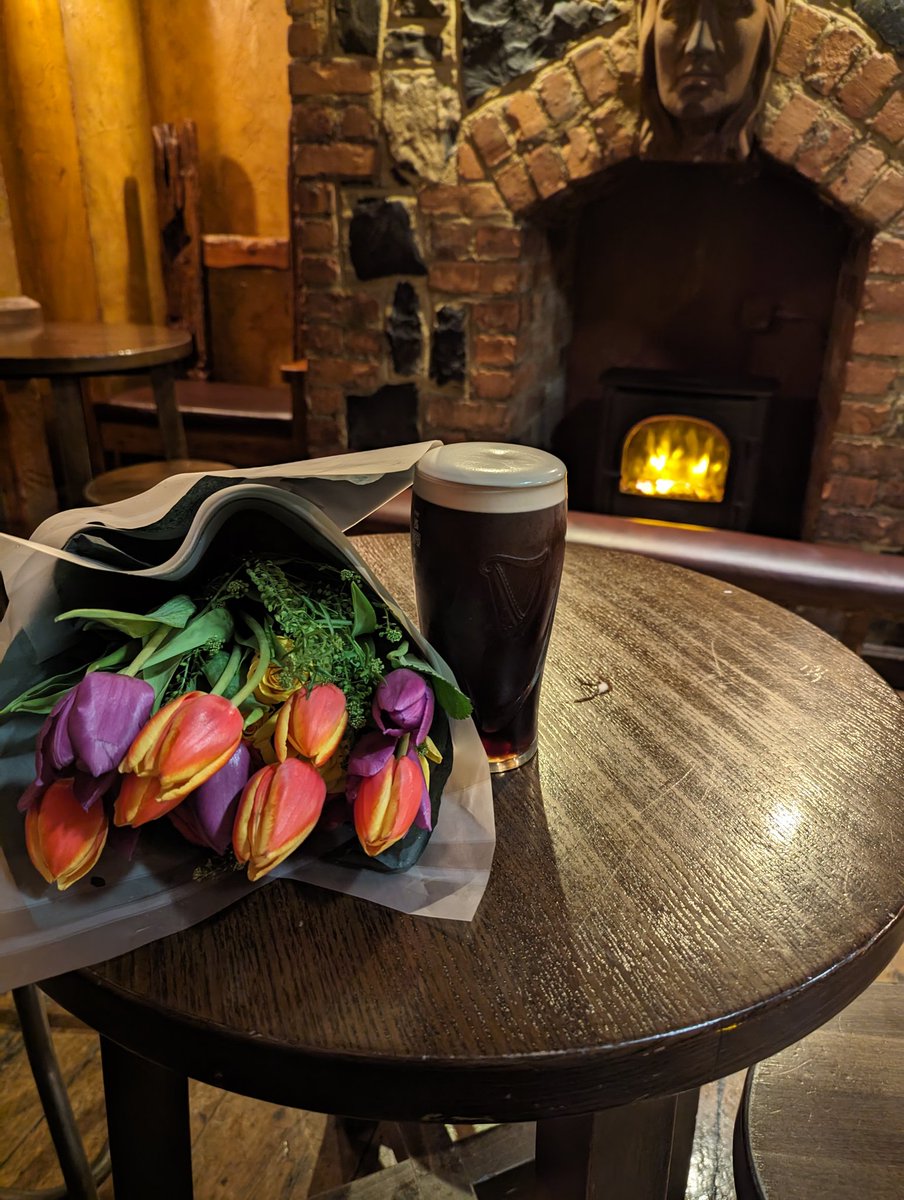
Well done to the amazing @ICR_London@pintofscience team for their first event in their first year hosting! It was such a fun atmosphere, lots of chats and questions - I loved presenting 😍 And I got treats afterwards...flowers, my weakness 🥹💐❤️
#pint24#pintofscience
Work from my PhD project is online today! We characterised 5 ESR1 mutations using multiple knockin cell lines and analysis of RNA-seq data and public datasets led to the discovery of a potential gene signature that could predict response to therapy. @oncogenejournal
Estrogen receptor mutations cause therapy failure in breast cancer patients. We report knockin mutants for L536R, Y537C, Y537N, Y537S, D538G. Nice effort from @Alison_H_89@chunfuilai@DrKirstyB @Prof_JacquiShaw and non-tweeters. https://t.co/fWaAcCjiTd
🧬 NEWS: A common genetic mutation allows #Cancer cells to gain extra chromosomes.
The study, by @TheDownsLab and published in @NatureComms, helps explain how cancer cells survive with extra copies of chromosomes - a condition which usually kills cells ⬇️
https://t.co/U9apvfhv3V
If we make enough noise, they’ll make a u-turn. That’s what this government does.
If you want NHS staff to be properly protected with FFP3 masks, RT 🚨💙