A year after an ice storm cut off power to 700k Michiganders, many see little progress on holding utilities accountable for poor reliability. Some lawmakers say utilities' political spending is standing in the way. @PlanetDetroit https://t.co/1aBO5L834p
The legal battle over the elevated radiation waste began in 2024 after it was revealed the U.S. Army Corps of Engineers planned to transport waste from the Niagara Falls Storage Site to Wayne Disposal.
https://t.co/s05B9PIEW5
Blue Cross has blocked legislation that could save Michiganders hundreds or thousands of dollars a year, state lawmaker says. @PlanetDetroit
https://t.co/l1GJSxJTXl
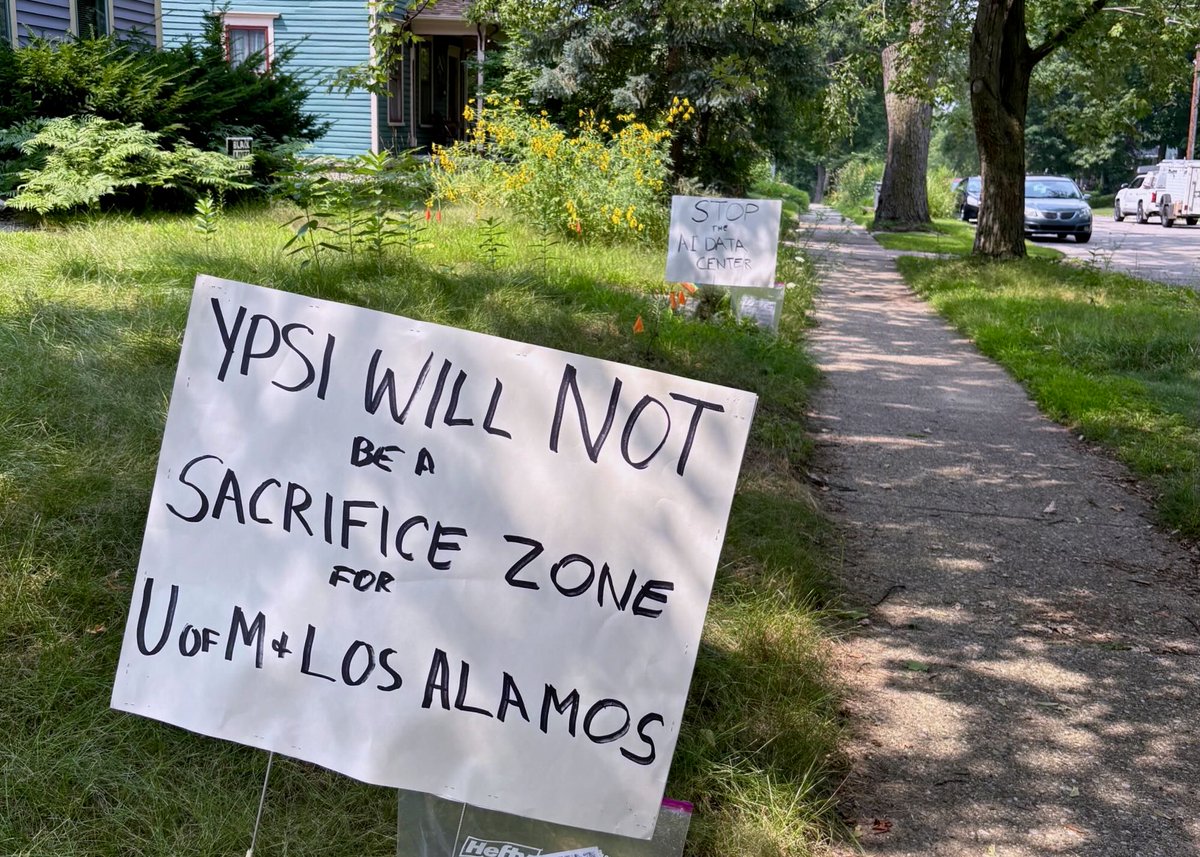
The Ypsilanti Community Utilities Authority approves a 12-month moratorium on supplying water to data centers, blocking service to facilities including a planned $1.2-billion University of Michigan project.
Read more: https://t.co/qH0ohBuB1D
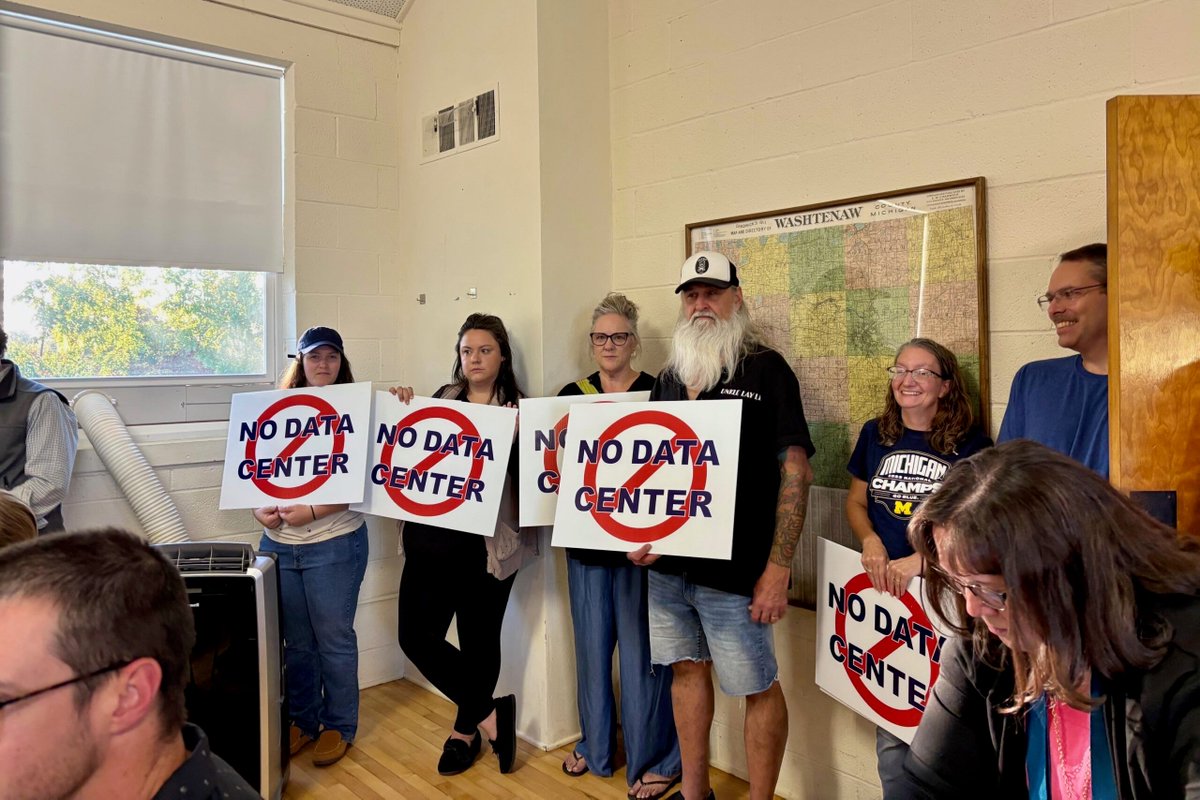
Residents in Detroit, Ann Arbor, and four other Michigan cities will rally this weekend against data center projects, connect their opposition to a ballot initiative that would ban utility political donations. https://t.co/zMzXKmKn91 #datacenters
Data center proposals in Washtenaw County force local officials to weigh in on massive developments that could bring significant local tax revenue — and transform rural landscapes. https://t.co/xE0QmAwVQ5
The Saline Township board denied the rezoning of farmland for a data center project after an outpouring of resident concerns over noise, traffic, and environmental impact. https://t.co/pWyTG7MNBv
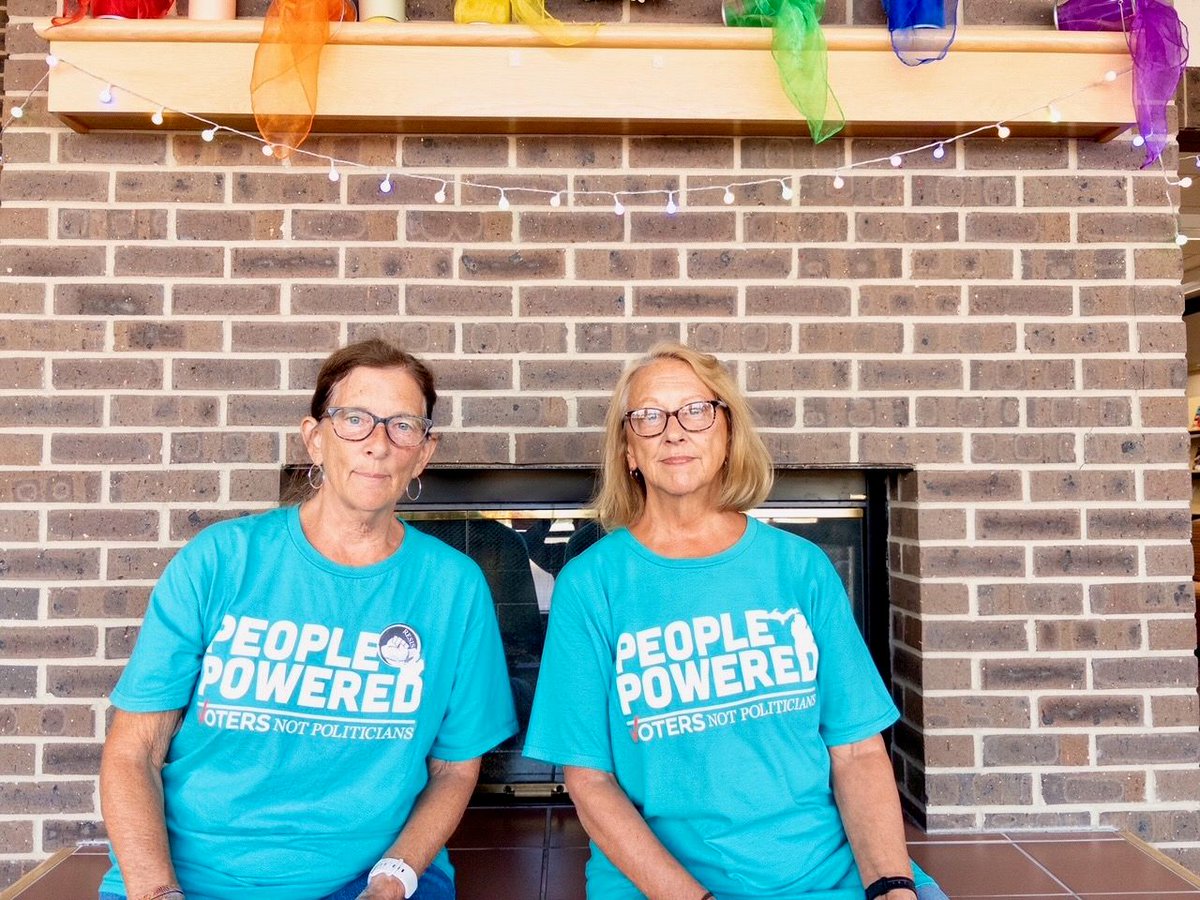
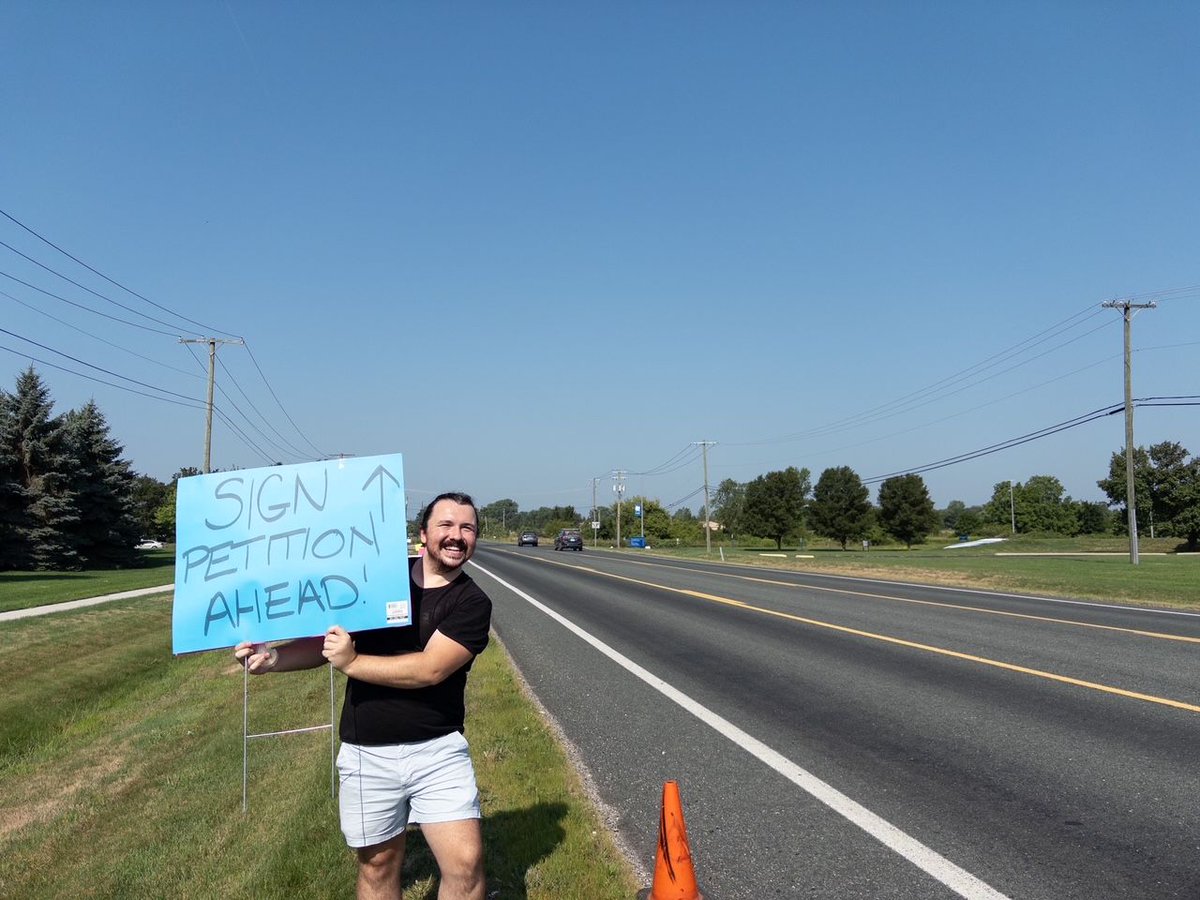
The Michigan Board of State Canvassers will consider a ballot initiative Friday that aims to ban political spending by DTE Energy and Consumers Energy: https://t.co/A5YDteghpQ
Runoff from Wayne Disposal, if not fully contained and treated onsite, could flow into county drains and bodies of water like Belleville Lake, says Wayne County circuit judge. https://t.co/MLSX8ToqCz
Whitmer praises new MPSC appointee Shaquila Myers’ work on clean energy legislation, but ratepayer advocates say they fear utilities influenced governor’s decision. https://t.co/j7IUYJsXxR
Critical support in the form of the federal Low Income Home Energy Assistance Program (LIHEAP) is now in jeopardy as electricity and gas costs outpace inflation and utilities continue to seek rate hikes. New from @AllnuttBrian in @PlanetDetroit. https://t.co/3GzVed7yfS
As DTE helps drive the climate crisis with ongoing investments in fossil fuels, ratepayers pay more to cool their homes and help the utility recover from weather disasters. Meanwhile, DTE profits are surging along with shutoffs for nonpayment.
https://t.co/YephauJbiW
Same thing happened in the eastern U.S. during the infamous “Polar Vortex winter of 2013-14.” I always say in my global warming lectures that what’s happening in “your backyard” isn’t necessarily what’s happening to the rest of the world, and this is yet another perfect example.
My investigation found big oil fiercely lobbied last year to kill a Cal “polluter pay” bill that would’ve forced them to cover costs of climate change catastrophes, like that unfolding https://t.co/4yjoWm2VL0
DTE Energy has told its shareholders for months that a data center incentive bill would pass in Michigan, over the objections of climate and consumer advocates. The utility has also been doling out cash to key lawmakers.
Good rundown from @AllnuttBrian: https://t.co/tcsCmVu37M
State Rep. Jaime Churches, D-Wyandotte, in goodbye speech warns that both parties need to ensure they're accountable to the people alone.
"Corporate greed whispers in the hallways," Churches said, and corruption works not as a flaw in the system, but as a feature.
EPI says the process "exacerbates the risk that customers’ utility bills will include at least some such costs." Advocates say a simpler approach would be disallowing all charges for things like advertising or membership dues in trade organizations.
A new report from @EnergyandPolicy shows how utilities like DTE can hide lobbying, advertising and travel expenses in rate hike requests. @PlanetDetroit
https://t.co/tzGmFs46Yw
Advocates and regulators have to dig through rate hike requests to find inappropriate expenses like DTE's request for $236k for private jet travel. But deciphering whether employee salaries or trade organization dues are supporting utility lobbying can be an impossible task.