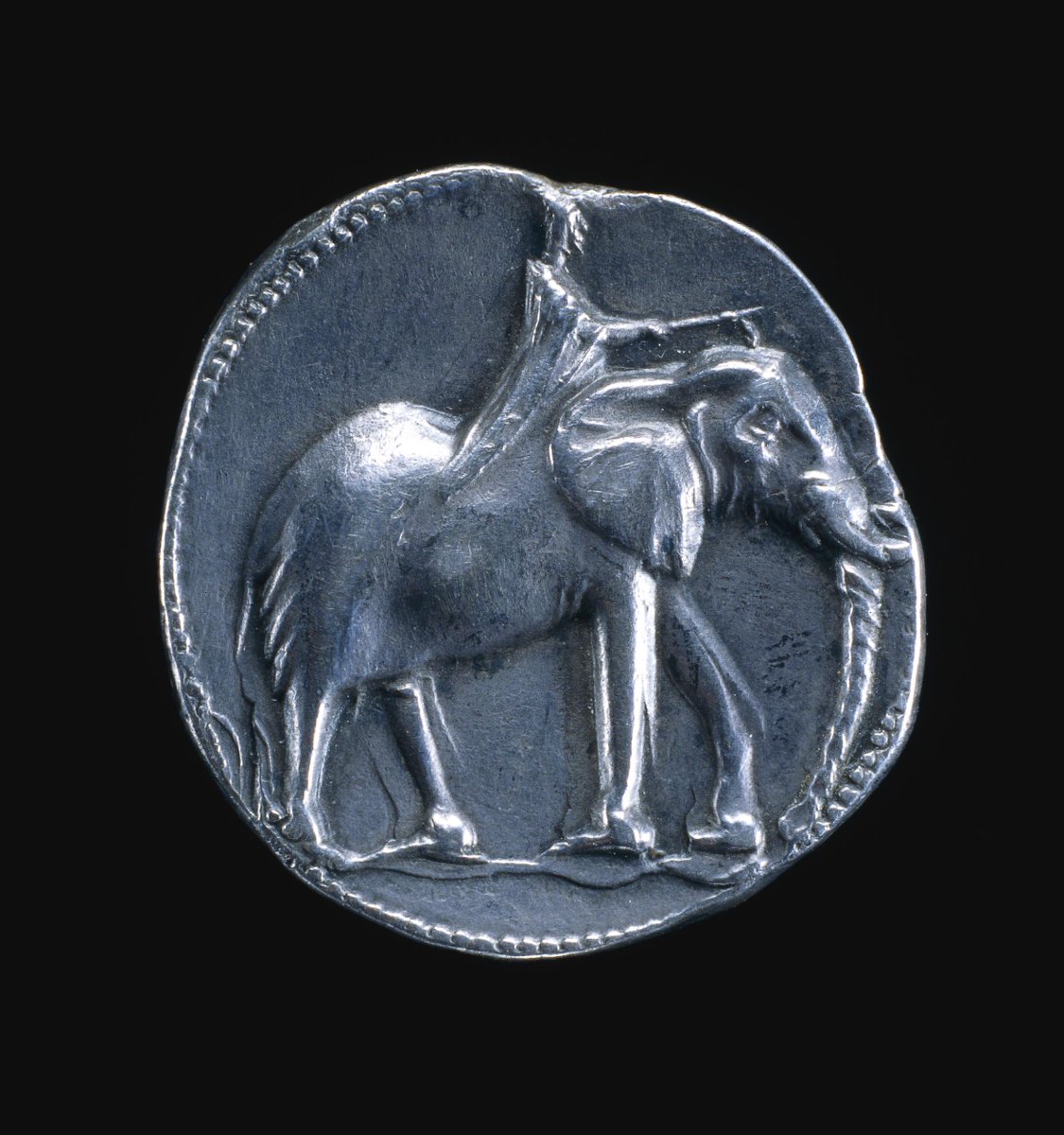
This Carthaginian coin held by the British Museum depicts Melquart, Punic King of the Underworld, and Hannibal upon an elephant. Minted in Spain 227-209BCE, it's possible that this was a commemorative coin of Hannibal's march across the Alps, narrowing the mint date to 218-209BCE
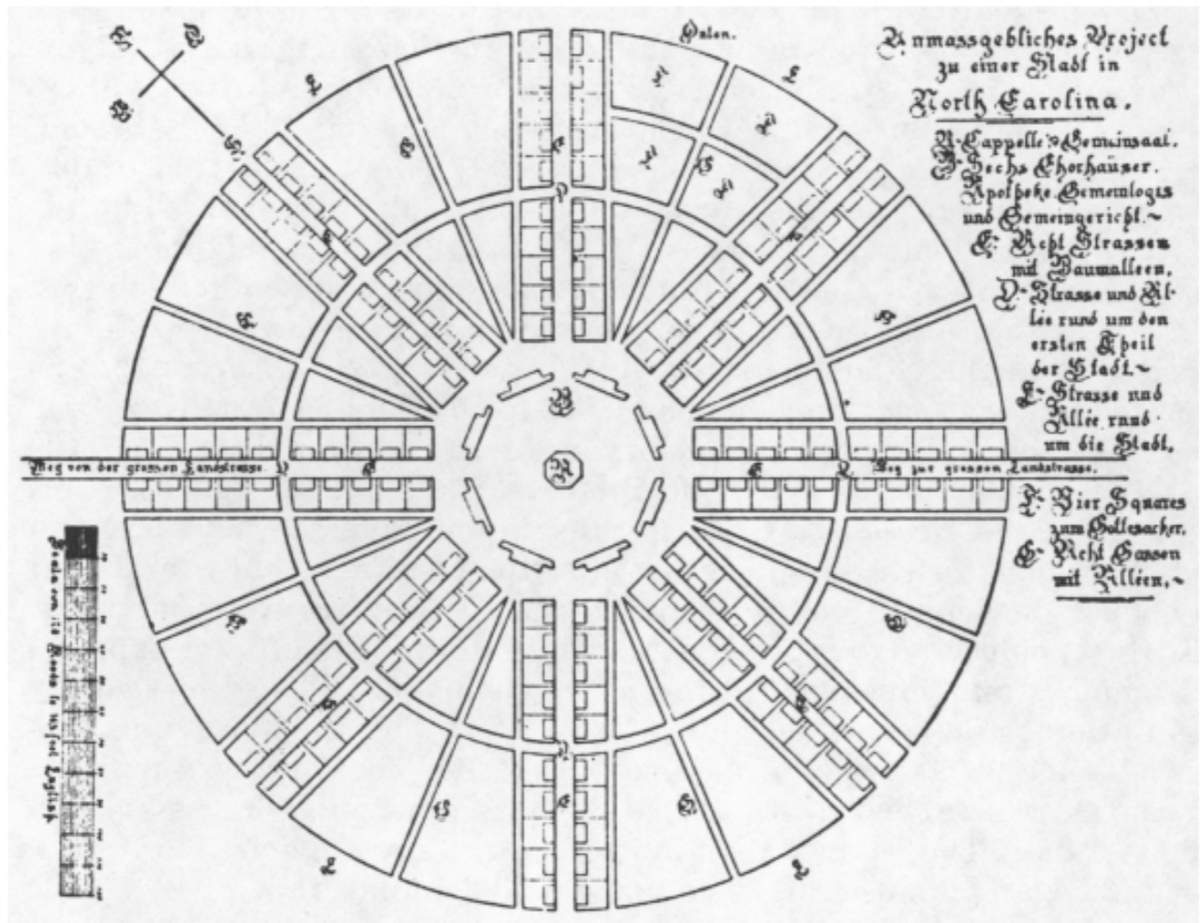
Who doesn't love a symmetrical city? Reminds us of Count Ludwig von Zinzendorf's circular plan for the Moravian settlement of Salem, NC that never came to fruition. Drafted by 1755, the plan intended to promote equality, good public health, isolation, and church supremacy
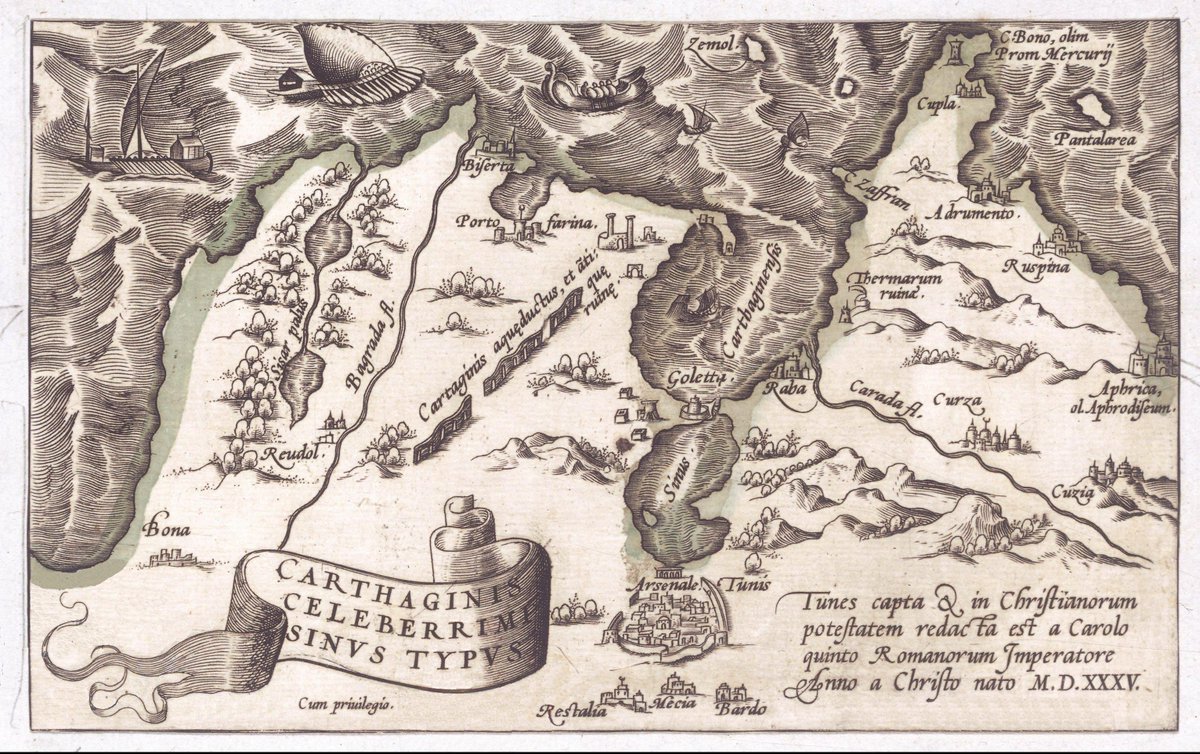
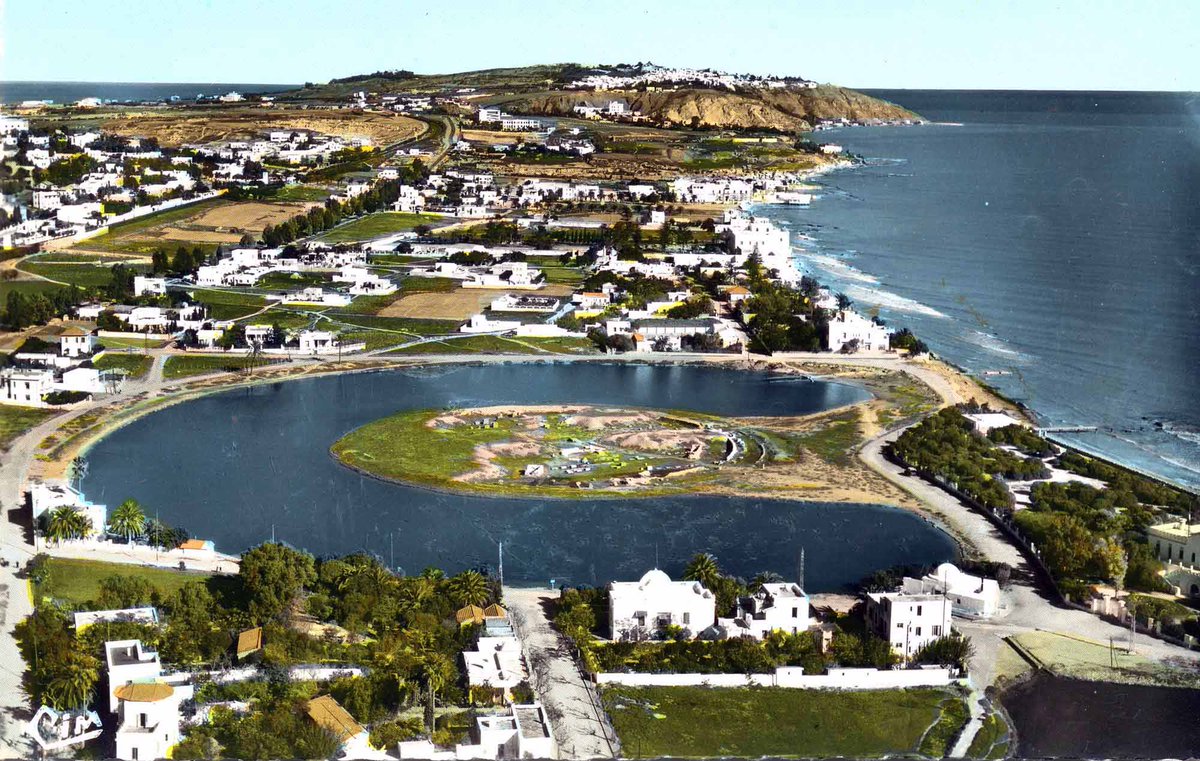
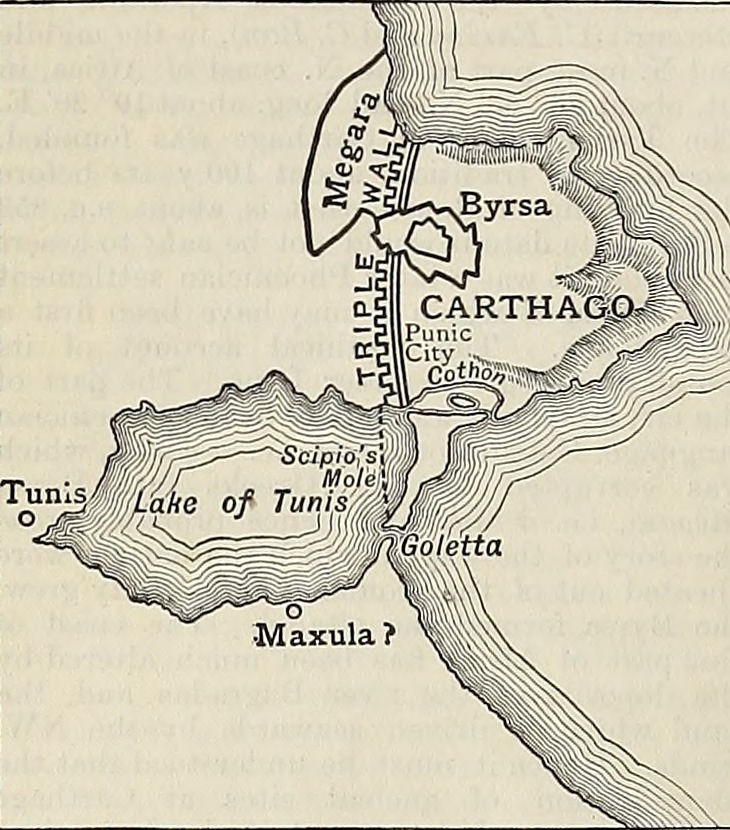
The cothons, promoted by Phoenicians in ancient times, may have been the earliest forms of stock exchanges as they facilitated extensive trade networks.
The second level of the docking bays comprised warehouses where oars, rigging, wood, and canvas were stored. The entire harbor was protected by an outer wall, and the entrance could be closed off using iron chains.
Thank you all for your support on our first map! We've got more coming soon: maps of indigenous and colonial holdings in the south in 1776 and the Second Punic War in 218 BCE. Also in progress: the 1898 Wilmington coup. #uniquemaps#uniquegifts#Map#culture#History
We are excited for the Waccamaw Siouan Tribe and hope that the discovery of this canoe can bring deeper understanding and connection with the history of their ancestors. (7/7)
This recently discovered 28 foot canoe could have supported the ancestors of the Waccamaw people as they fished, travelled, took joy rides, or fought opposing tribes. But what could have made this canoe lodge itself at the bottom of Lake Waccamaw for nearly 1,000 years? (1/7)