Huge impulse increase for @RhysEnoch1 in the last season from 286->386 n.s and this type of training is what will get you there - loaded jumps.
Seen here training with @Etpi S&C coach @WSWayland this week on the @Challenge_Tour 🚀⛳️
Busy early part of this week on @Challenge_Tour for players and one of our @etpi S&C coaches @WSWayland
A quick look at some of the work they are doing. Getting strong, robust, resilient and faster.
The modern golfer is changing.
Realistic Advice for the over 35 training enthusiasts.
I see a lot of hard and fast listicles written by 20 year olds that assume they'll always be jacked and fit. I've met many of of these type in my youth, who after once taking on some real responsibility fall apart fast. Staying in shape when you are young, is just working hard, smashing fried chicken and pot noodles. I ran with those guys. I stayed in they didn't. Here's a few things I cultivated that helped me stay in the game.
Understanding that your level of fitness and physical condition is in a constant state of flux is crucial for maintaining a healthy perspective on your fitness journey, especially as you age. Here are a few important points to keep in mind:
Aging is a Natural Process: Aging brings about changes in your body, including changes in muscle mass, bone density, and hormone levels. It's essential to accept and adapt to these changes as a natural part of life. I meet too many guys still in thrall to the fitness levels of their younger selves. You cant drink like you at 21 anymore when do you think you can still train like that.
Set Realistic Goals: Set realistic fitness goals that are attainable for your current age and fitness level. Adjust your expectations as needed to reflect your changing capabilities.
Listen to Your Body: Pay close attention to how your body feels and responds to exercise. It's essential to avoid overtraining and prioritize recovery as you age. Be willing to modify your workouts to accommodate any physical limitations or changing needs.
Maintaining muscle retention for men over 35 requires a holistic approach that encompasses various aspects of fitness, nutrition, and lifestyle.
Consistency: Consistency in your fitness and nutrition routines is paramount for long-term muscle retention. It's not about quick fixes but rather making exercise and healthy eating a permanent part of your lifestyle. Consistency helps your body adapt to regular workouts and maintain muscle mass over the years. Create a sustainable plan that you can stick to and gradually progress as your fitness level improves. I've been training 20 years, hopefully I look like it.
Long-Term Creatine Consumption: Creatine is a well-researched and safe supplement that can help improve muscle strength and endurance. It works by replenishing ATP (adenosine triphosphate) stores in muscle cells, allowing you to perform better during high-intensity exercises, but it also looks like it may be more essential in muscle maintenance and cognitive health. While short-term use is effective, there's evidence to suggest that long-term creatine consumption can also provide benefits. Many studies have shown that taking creatine consistently can help maintain muscle mass and strength over time. Increased MTor and satellite cell proliferation mean sustained positive tilt physiologically for muscle maintenance.
Eccentric and Tempo-Based Training: Eccentric (lengthening of the muscle under tension) and tempo-based training can be valuable additions to your workout routine. Eccentric training involves emphasizing the lowering phase of an exercise, which can lead to greater muscle damage and growth. Tempo-based training involves controlling the speed of each repetition, which can help you maintain tension throughout the entire range of motion, promoting muscle development and stability. Incorporate these techniques into your strength training exercises for added muscle retention benefits. Results in several studies indicate that chronic eccentric training may enhance contraction velocity, strength and hypertrophy to a greater extent than conventional resistance training.
Maintaining Good Hormonal Health: Hormonal changes, particularly a decrease in testosterone, can impact muscle retention in men over 40. To support hormonal health:
Diet: Consume a balanced diet rich in nutrients, including vitamins and minerals essential for hormonal health. Bias your diet towards protein as the main macro. Healthy fats, like omega-3 fatty acids, can support hormone production. Its obvious but avoid excessive consumption of processed foods, sugar, and alcohol, which can negatively affect hormone balance.
Stress Management: Chronic stress can disrupt hormone levels. Incorporate stress-reduction techniques like meditation, magnesium supplementation or deep breathing exercises into your daily routine. Get your sleep right, you hear it all the time, but its true, proper sleep is the best management tool for stress.
Regular Check-ups: Consider getting regular check-ups and hormone level assessments with a healthcare provider to monitor your hormonal health and discuss any necessary interventions. Heart disease is still the no 1 killer of men. In the UK this type of work up is considered a waste of resources so you may have to go private.
That residual self image of the stud you were might be stopping you from developing a sustainable training approach going forwards.
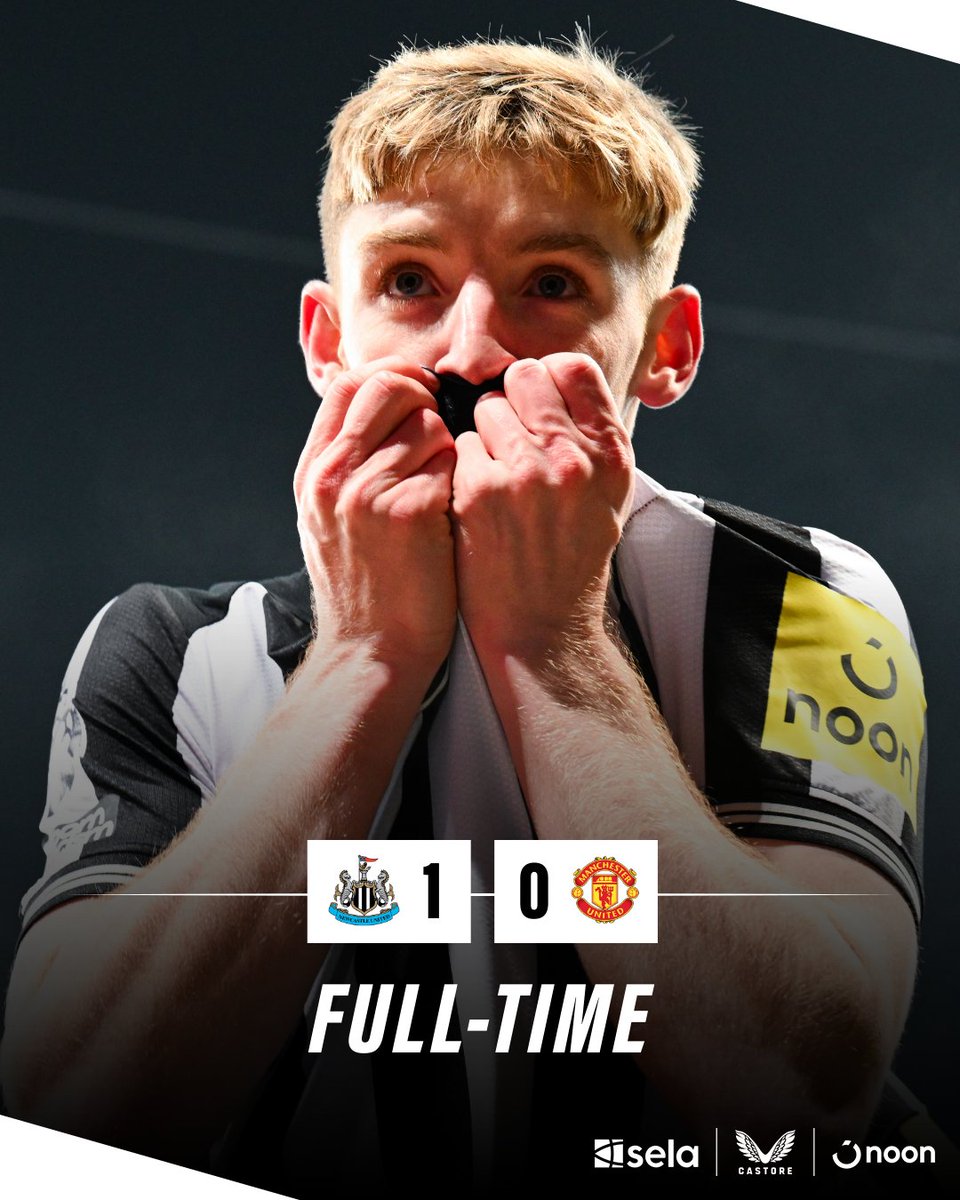
No Botman ❌
No Joelinton ❌
No Willock ❌
No Wilson ❌
No Barnes ❌
No Problem for Eddie Howe 😎
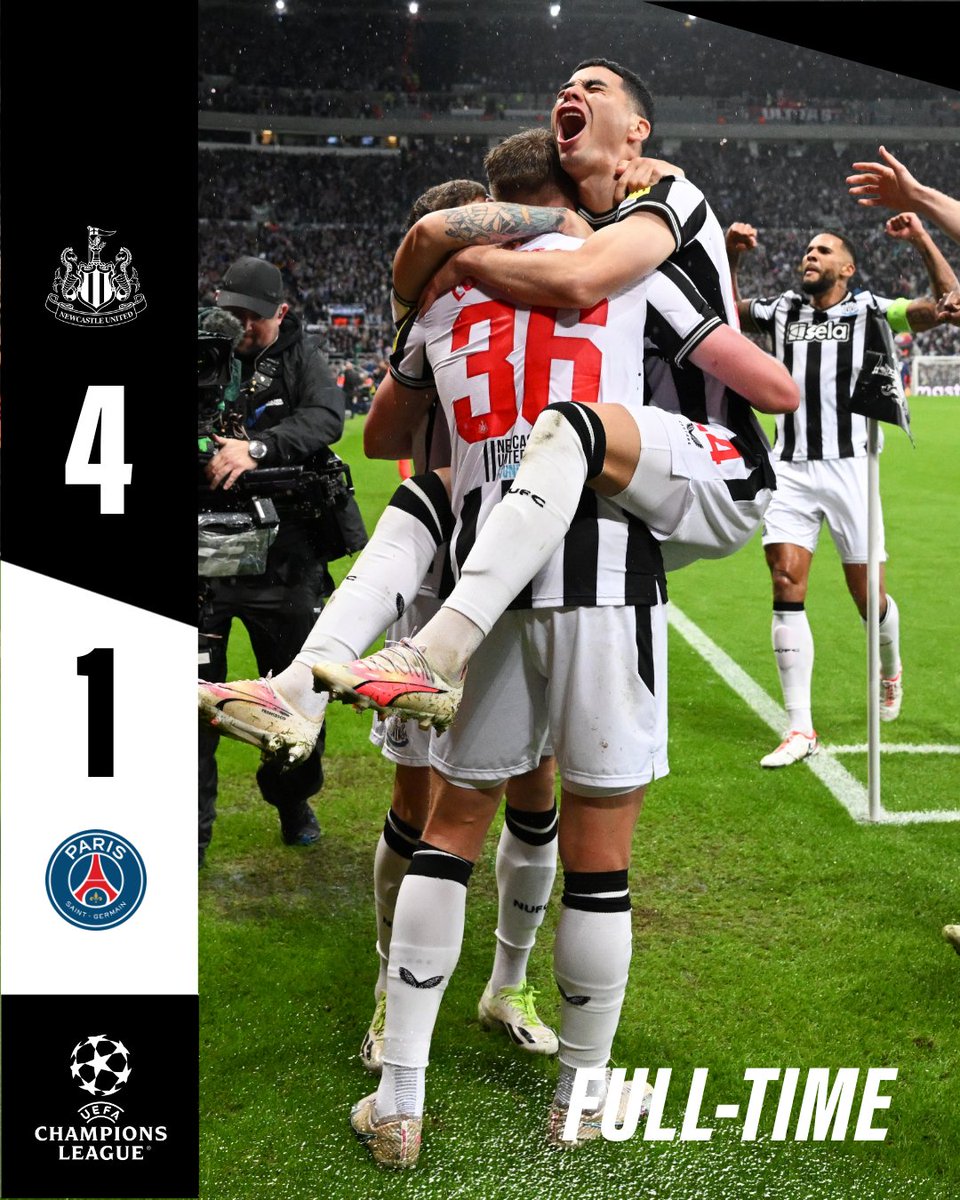
Newcastle’s most complete performance in many a year — with £160m worth of talent out injured.
Mbappe & co leaving Tyneside with their tails between their legs…
#NUFC
This is EVEN better 🏊♂️
Remember the fella who jumped in the water at the #RyderCup on the 16th hole?
Well, this is what happened next… 👇🏻🏆😂
#ColonelSanders#CaptainBirdseye#LoganRoy
From Tom Kristensen on insta
This is your retirement & insurance plan.
Muscle mass decreases approximately 3-8% per decade after the age of 30 and this rate of decline is even higher after the age of 60.
Studies show that an 80 year old who lifts weights regularly is as strong as a 30 year old who doesn’t.
I’dd rather be the oldest person in the gym than the youngest person in the nursing home.
Stare lifting weights so you can reap the rewards now and later on.
🙌🏾🙌🏾All the hard work behind the scenes beginning to pay off. Arguably one of the best seasons I’ve had as a personal coach. Massive thank you to the team supporting me and the athletes. 🇬🇧🌎
Team
@GordonBosworth9@Amo_SB
@ANwenwu
@BritAthletics
🎥 @shawzac
Don't ignore magnesium when trying to address vitamin D deficiency.
Magnesium deficiency can prevent the body from using the supplemental Vitamin D.
It can shut down the vitamin D synthesis and metabolism pathway.
🏴 Michael Stewart
🏴 Marco Penge
🏴 Oliver Farr
🇦🇺 Connor McKinney
🇿🇦 Kyle Barker
🏴 Alex Fitzpatrick
Congratulations to our members who qualified for @TheOpen through Final Qualifying yesterday 👏
#TheOpen
✍️ We are delighted to announce the signing of Sandro Tonali from @acmilan.
The 23-year-old joins the Magpies for an undisclosed fee and has agreed a contract at St. James’ Park initially until 2028.
Welcome to Newcastle United, Sandro! 🇮🇹
Neck isometrics can be a helpful way to introduce people to neck exercises and improve neck strength and stability.
Isometric exercises involve contracting the muscles without actually moving the joint, and they can provide a safe and controlled method of strengthening the neck.
Ive found antagonistic inhibition a great way to temporarily relieve 'stiff' or 'tight' necks. A recent example being after to showing it to @Amo_SB who had complain of neck stiffness felt some immediate relief.
In the context of neck isometrics, this means that when you contract the muscles on the front of your neck (flexors), the muscles on the back of your neck (extensors) naturally relax to some extent.
This reciprocal relationship between the flexors and extensors can help alleviate muscle tension and can sometimes promote pain relief.
Obviously if you have a glass neck you need to onboard with maybe some articulation or chin packing or extending first before moving to isometrics.
We cover this and more in my neck training guide.
https://t.co/EYgFIDqnnB