We are going to lose an entire generation of scientists.
NSF, one of the largest federal funder of STEM education has seen an 80% reduction in funding, including support for trainees, so far this year.
“You can’t have science without scientists”
Maternal Inflammation May Disrupt Infant Brain Wiring
A new study links maternal inflammation during pregnancy to impaired brain development in infants by disrupting a specific population of immune cells called CD11c-positive microglia.
These microglia are essential for myelination, the process that enables efficient nerve signal transmission in the brain.
Researchers found that inflammation reduced the presence of these microglia and lowered levels of IGF-1, a protein they produce that supports myelin formation.
In both mice and preterm infants exposed to chorioamnionitis, this disruption was associated with delayed myelination observed on MRI scans.
The findings suggest that maternal inflammation interferes with a critical developmental pathway, potentially contributing to long-term cognitive and behavioral challenges.
Targeting CD11c-positive microglia could offer a new strategy to support healthy brain development in at-risk infants.
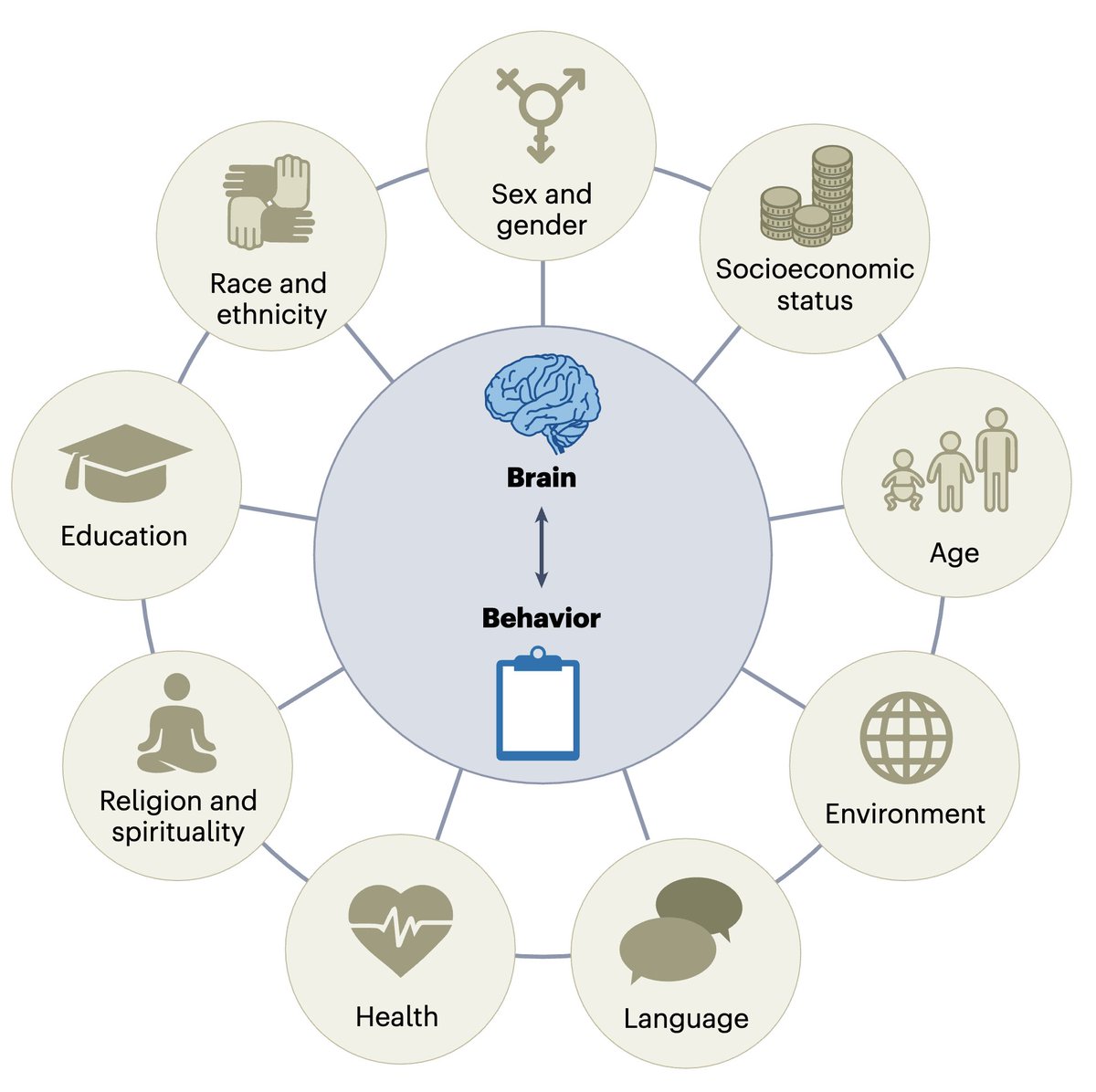
Thrilled to share our latest work on the importance of considering social identities in brain imaging research, now out in @NatureNeuro.
https://t.co/mr4MQaIgGQ
Did you apply to #psychology PhD programs this cycle? It’s time to prepare for the interview. Check out these sample questions and access additional resources here: https://t.co/EYHShNXSPg @AcademicChatter@PsychinOut@SCPdiv12
Woke up with the surreal feeling that I’m actually DONE with all my PhD applications. 📣To those applying this cycle: Be proud of yourselves. It takes courage, dedication, and so much hard work to chase the dream of doing meaningful science. You’re doing amazing & keep going!
Prewired For Depression? Brain Scans Reveal Network Linked to Depression
Researchers have identified a unique brain network pattern that may predispose some people to depression. By repeatedly scanning patients’ brains, they found that individuals with larger salience networks were more likely to develop depression over time.
https://t.co/FYDpZDFiAb