Here's what's actually happening at the packet level.
The key thing the diagram shows: every packet loses exactly 1 from its TTL crossing the phone's network interface on its way to the carrier.
https://t.co/ughD5fJSxo
To bypass this:
1. Press Windows Key + R, type `regedit`, and hit Enter.
2. Navigate to: `HKEY_LOCAL_MACHINE\SYSTEM\CurrentControlSet\Services\Tcpip\Parameters`
3. Right-click an empty space on the right panel, select New -> DWORD (32-bit) Value.
AVOID USING STICKY SESSIONS.❌
A user’s requests always hit the SAME server.
50k users, 2 servers, 25k each. Perfect, right?
Then 20k users on S1 delete their accounts.
S1: 5k users, mostly idle.
S2: still 25k, overloaded.
Same bill. Wasted server capacity.
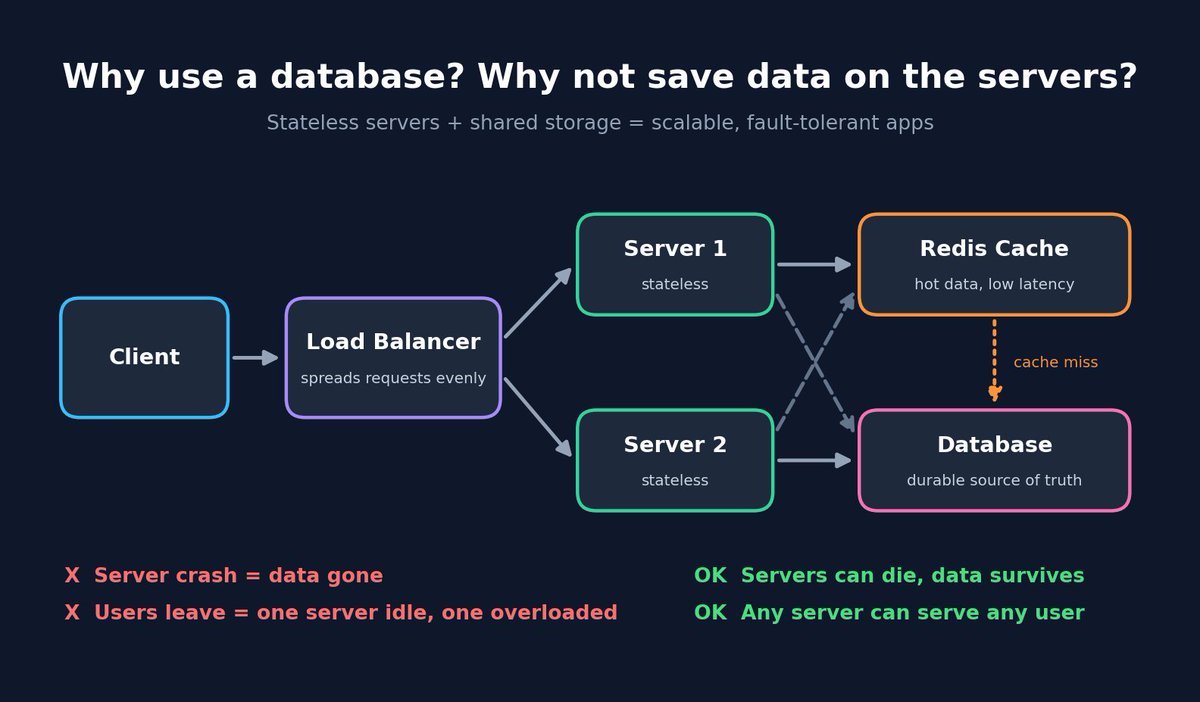
3 AM. Your server crashes. Every user’s data? Gone.
So you add a second server. Now users keep landing on a server that has never met them.
The real fix: make servers forgetful. Keep data in a database and hot reads in Redis.
Servers are disposable. Data is not.
The new moto UI update have some bugs @Moto look into it , The icon pack update is not consistent across all, there are some minor bugs here and there but this one seems major UI bug.
If you’re skeptical about whether AI will replace engineers, then this is a must read.
https://t.co/kex6D4MySp
TL;DR: Understanding how a feature or function works matters more than simply shipping fast.
Author: @florianherrengt
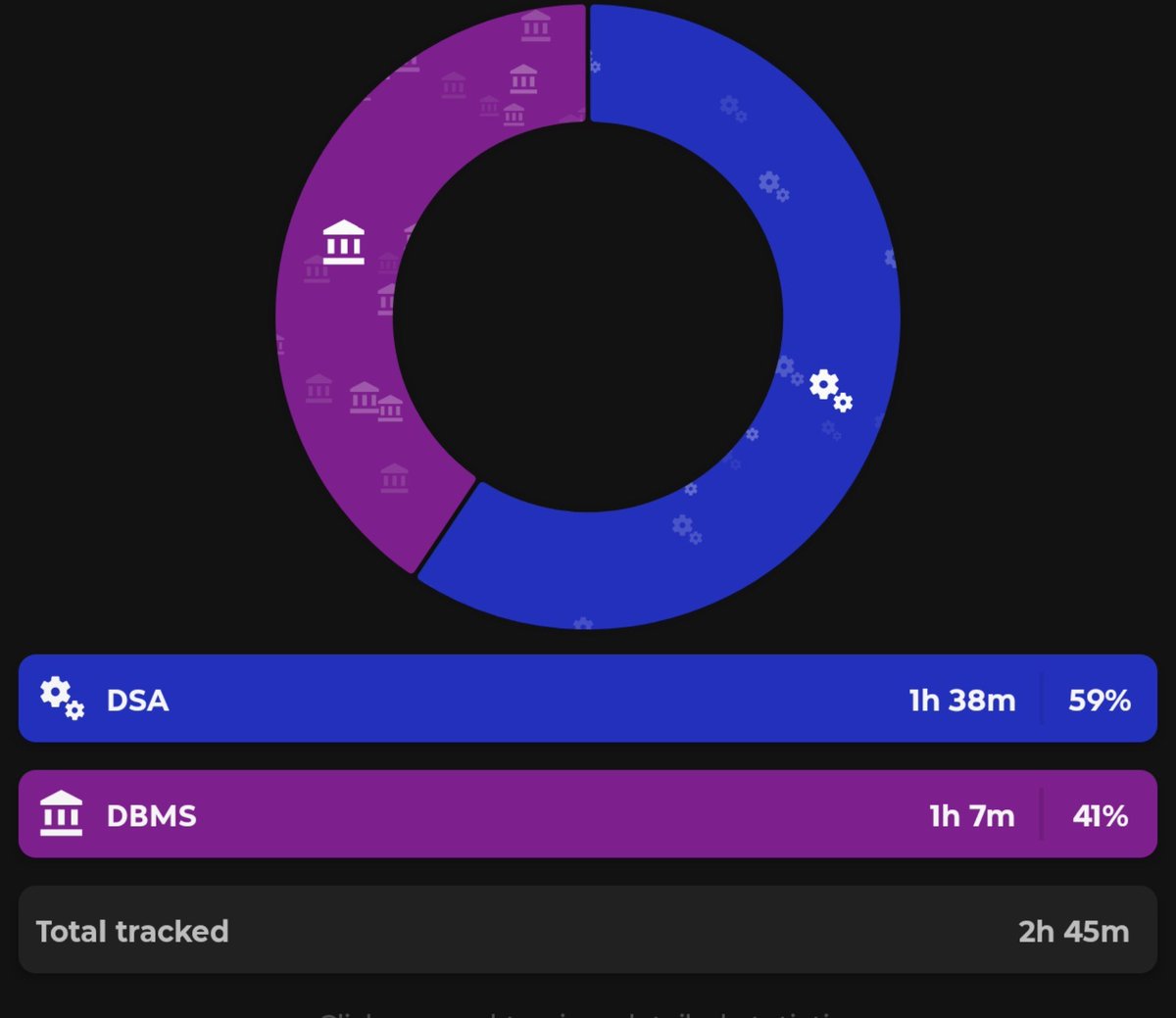
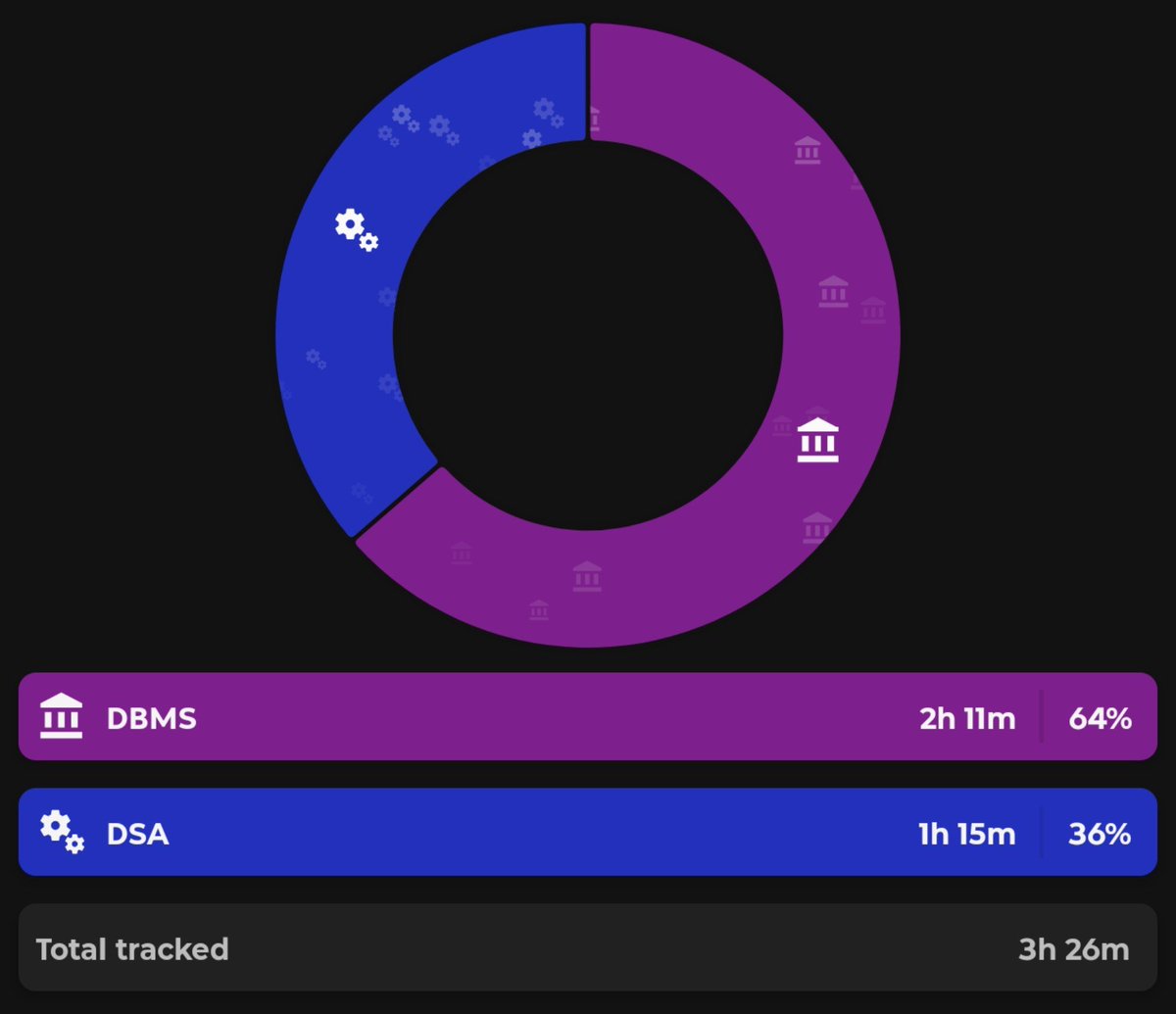
Delayed gratification #13 (3hrs)
DBMS
Sub queries and joins
20 queries solved
DSA
Some topics revised
System design
How streaming services work
RTMP
RTSP
Adaptive but rate
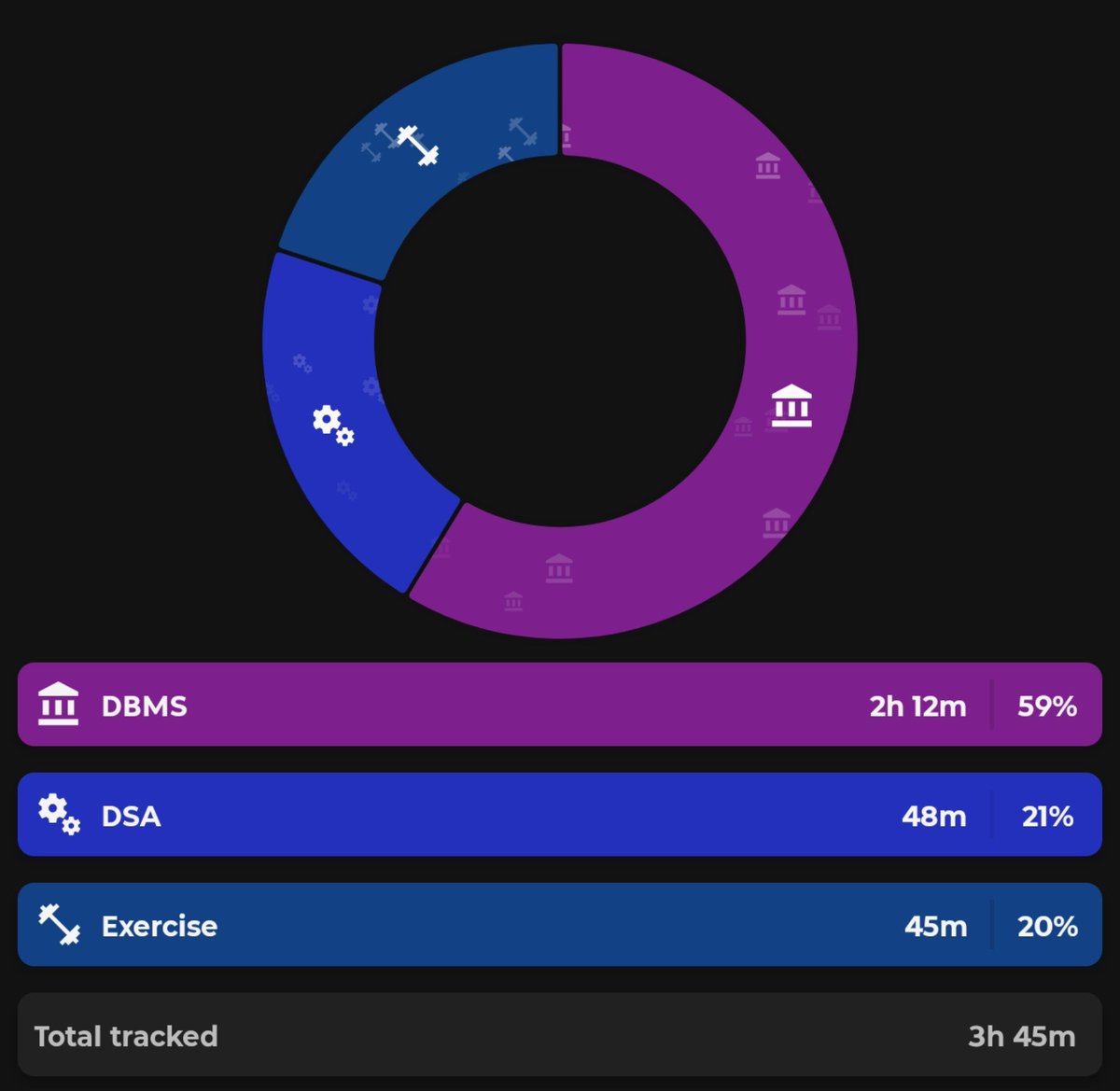
Delayed gratification #10 (5hrs)
DBMS
Aggregate function
Solved 20+ queries
DSA
Dp practice and revision
System design
Why CDNs are used and how they work