Mis queridos @anarkomida nos abandonan todo el verano, estaremos huérfanos de su presencia refrescante. Poniendo el broche de honor, y ¿banda sonora? al mejor podcast de nutricionistas (y no nutricionistas) 1x30 - FIN https://t.co/7hwM1AR4tR
Histamine intolerance and/or MCAS are criminally underdiscussed when it comes to mental health.
Yet your anxiety, racing thoughts, insomnia, irritability, impulsivity and so on, are often nothing more than a little extra histamine and we have proof for this.
That's also the common link between allergies, certain types of hair loss, skin issues such as psoriasis, ADHD, insomnia and anxiety.
Putting the correct label on something can take quite some time and especially when it comes to mental health issues.
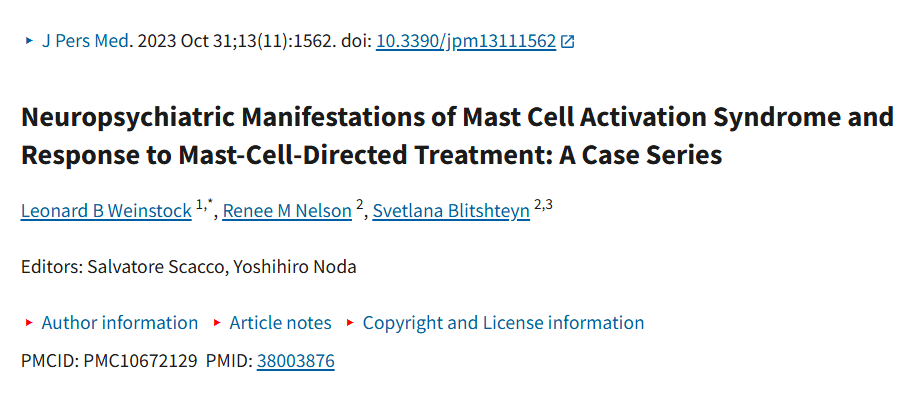
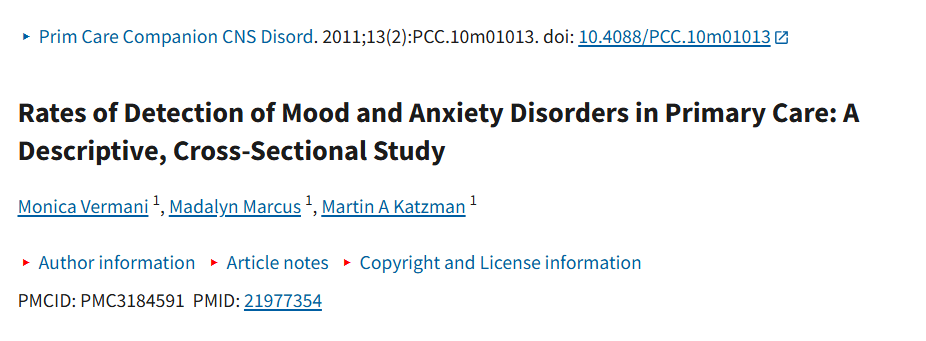
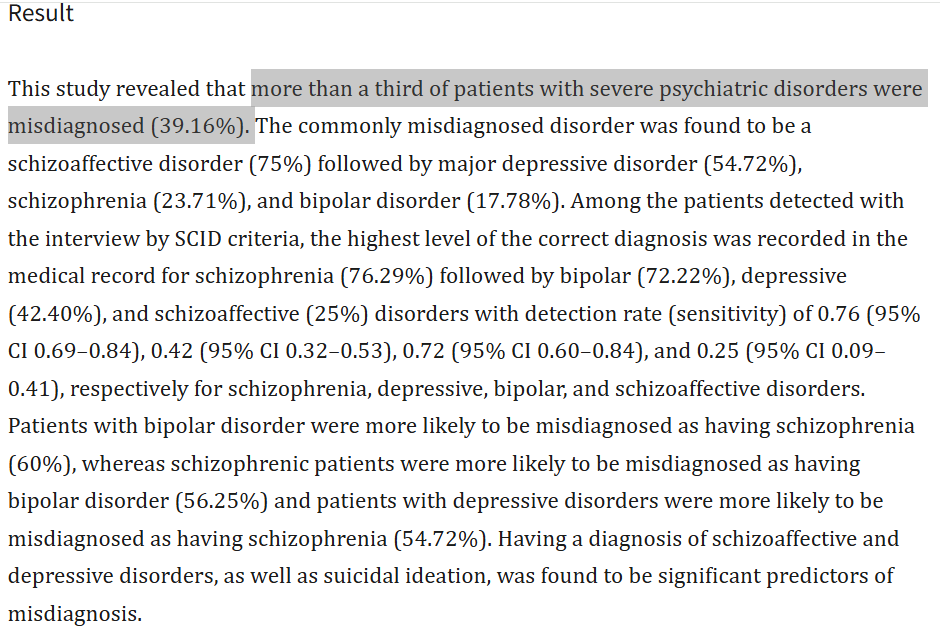
Misdiagnosis rates are still notably high (tap in the pics), even if we are talking about primary care or specialists.
But there’s no sole reason why this happens.
Many disorders share similar features for examples, then there are times contraints that prevent structured interviews from happening and also some patients may under or over-report certain symptoms.
Now while the average person still thinks that histamine is just something related to allergies, let’s not forget that histamine acts as a neurotransmitter in the brain, influencing things such as arousal, attention, mood, sleep, and motivation.
So when levels build up it can create:
-Restlessness and physical + mental hyperactivity
-Difficulty concentrating, brain fog, inattention
-Irritability, impulsivity, or agitation
-Sleep disturbances (insomnia or poor sleep quality)
-Anxiety or sensory sensitivities
-Hyper arousal
-Racing thoughts, anxiety/panic, or restlessness
-Insomnia or disrupted sleep cycles (common in manic phases)
-Depressive symptoms (fatigue, brain fog, low motivation) during crashes
-Emotional lability or energy fluctuations
Of course, we don’t pull all these out of our asses.
There are reports noting that histamine flares can mimic manic/depressive episodes, and MCAS patients sometimes receive initial bipolar diagnoses.
To learn exactly what to do about it, go here:
https://t.co/eXCNhiGzzm
Now if you are a spiritual communist Nigerian who wants everything for free despite it being already underpriced (not for much longer), here are a few crumbs of sauce.
Histamine exerts its effects by binding to its 4 receptors on target cells in various tissues.
We have 4 types of receptors that modulate histamine.
The H1, H2, H3 and H4.
All of them are G-protein coupled receptors (7-transmembrane chain proteins) which is why in the case of H1 for example, an increase in cytoplasmic calcium can happen (Gq-coupled receptor)
H1 receptors are mostly found in neurons, muscle cells in the air way and blood vessels.
They partly regulate our emotional state, ability to learn, sleep, appetite and locomotion.
H2 receptors are found for the most part in our gut (the gastric mucosa parietal cells), heart and muscle cells.
H3 receptors are found in histaminergic neurons that affect the release of dopamine, acetylcholine, serotonin and noradrenaline in the CNS.
And last but not least, H4 receptors are found in the bone marrow and peripheral hematopoietic cells.
Why is it important?
Well, histamine affects our gut, sleep-wake cycle, certain hormones, smooth muscle cell contraction, appetite, the function of our pituitary gland and the overall function of our metabolism.
Hypothalamic histamine also regulates things such as oxytocin, b-endorphin, adrenocorticotropic hormone and prolactin.
And obviously it also affects our immune system since it regulates T cells, B cells and dendritic cells (for example, Th1 cells have a H1-R prevalence and Th1 cytokines are also associated with conditions such as atopic dermatitis).
Let’s move on to how histamine is metabolized.
Histamine can be metabolized in two ways and which one will be used depends on the localization of histamine.
Number 1: Oxidative deamination by diamine oxidase (DAO) when it comes to EXTRAcellular/ingested histamine which is primarily found in the cells lining the intestinal mucosa of the small intestine.
Number 2: Ring methylation by histamine-N-methyltransferase (HNMT) when it comes to INTRAcellular histamine which is found throughout the body.
Given the nature of these two:
-An SNP in DAO is often one of the potential root causes behind gut issues(*) such as even Chron’s and ulcerative colitis, headaches or even migraines after meals and break outs.
-An SNP in the HNMT one of the potential root causes behind issues such as anxiety (since HNMT breaks down histamine in the nerve system), asthma bronchiale and sleep apnea.
(*)In fact, lower DAO activity is often used as an indicator of intestinal mucosa damage.
Now histamine intolerance is basically what happens when the rate we consume or produce histamine is way faster than our ability to break it down and eliminate it aka degrade it.
Which leads to the necessity of briefly discussing the differences between histamine intolerance and MCAS.
Most of histamine in the body is produced by mast cells (and basophils), BUT, mast cells synthesize and secrete proteases, prostaglandins, leukotrienes, heparin, and a variety of cytokines as well.
So:
1) Histamine intolerance happens when there’s an increased availability of histamine and/or impaired histamine degradation and MCAS is a condition where the mast cells in your body become overly active.
So MCAS is a broad immune system disorder and thus causes a wider array of symptoms compared to a histamine intolerance.
2) It is VERY unlikely that a person with MCAS will not have histamine intolerance, BUT, a lot of people with histamine intolerance do NOT have MCAS.
Now that we’ve discussed all these, here are some of the root causes of histamine intolerance.
Number 1: Over-exposure to “allergens”.
I use quotes, because in this category we will include anything from heavy metals such as mercury, pestcides, herbicides, xenoestrogens all the way to mold and mycotoxins.
This becomes a bigger and bigger issue and it’s no wonder why.
Pause and think for example to how many “allergens” most people are exposed to every day.
A lot live in houses infested with mold, use skincare, hygiene and cleaning products that are full of allergens, ingest heavy metals though polluted air, vaping, smoking and even low quality fish and eat mycotoxins multiple times per day (think commercial cereal, cheap coffee and so on).
Mycotoxins such as aflatoxins and ochratoxins for example trigger inflammation, cytokine release and ochratoxin A even inhibits DAO activity.
But don’t worry, later in this program there is a detailed part when it comes to how to deal with each one of these.
Number 2: Nutrient deficiencies.
We can approach this from multiple angles.
Magnesium for example, since it’s a pretty common deficiency, plays a role in the activity of histidine decarboxylase.
Then, B6, B12, copper and vitamin C are vitamins that activate the DAO enzyme.
The zinc chelator N,N,N′,N′-tetrakis(2-pyridylmethyl)ethylenediamine (TPEN) for example inhibits the release of histamine, the production of cytokines, and the secretion of lipid mediators in mast cells.
Then, if we don’t get enough B9 and B12 (or if our ability to metabolize them is harmed (more about this later), HNMT won’t be able to function properly.
Then if someone is aware of acetylhistamine, other B vitamins such as B1 and B5 will also be crucial. Two other vitamins that are very crucial yet unfortunately neglected are vitamin E and D (sunlight).
Number 3: Gut dysbiosis.
There’s a vicious circle often created here where gut issues lead to histamine overload and then the overload further compromises ones gut health.
In general imbalanced gut bacteria = histamine issues.
H. Pylori for example will inhibit the absorption of vitamin C and then vitamin C will make degrading histamine way harder.
Then, a lot of histamine is stored in the ECL cell of the stomach for example.
Now there are detailed meal plans in this program as you saw, so feel free to use them and a detailed part about gut health later.
-Pay attention to how much choline, B2, B6 (if your main source of B6 are plant products you will need more B2), magnesium, molybdenum, retinol and glycine you’re consuming.
-After you’re getting enough of the above mentioned nutrients, pay attention to how certain foods that are rich in B9, foods that are rich in B3 and foods that are rich in B12 make you feel.
If B9 rich foods make you feel great, then consider methylfolate.
Don’t start with it.
If they make you feel awful, consider supplementing with low doses of B2 and glycine. If B3 rich foods make you feel awful, consider adding TMG if your gut can handle the boost in HCL.
A similar approach can be added to B12.
-If you still have elevated homocysteine levels and don’t react well do creatine supplementation, consider low dose (150-300mg) of quercetin.
-Get a ceruloplasmin and total copper test done since a lot of “under” methylators (if that’s your issue) are also struggling with free copper (you might want to supplement molybdenum if that’s the case instead of only getting it from whole foods).
-Alpha-gpc could also be used and even needed.
Number 4: SNPs.
If you’ve been experiencing issues with histamine for years and haven’t find the root cause of it, maybe it’s time to check for SNPs.
SNPs= Single Nucleotide Polymorphisms (aka variations or differences in our DNA code).
There are many SNPs, but ones in the genes encoding DAO and HNMT enzymes WILL lead to problems with histamine
In general we have, HNMT C314T, AOC1, rs2052129, rs10156191,rs2268999, rs104974
Diamine Oxidase is an enzyme your body uses to break down histamine, especially in your gut.
It’s made thanks to the AOC1 gene and helps your body handle histamine coming in from external things like food.
Mutations in the DAO can cause many sorts of issues. From negative reactions to food and migraines to gut problems and skin rashes.
Here’s why this gene is such a big deal: as food moves through your system, it contains many different compounds, including histamine.
The DAO enzyme acts like strong security guards positioned at key points inside your digestive system’s parts that help break down food, absorb nutrients, and prepare waste for elimination.
They catch and break down histamine before it slips into your bloodstream and causes trouble like inflammation or other unwanted reactions.
In a fully-functioning body, this system runs smoothly, breaking down histamine as it comes in and keeping things in balance.
That means you can eat normal amounts of histamine-rich foods without any issues, while your body uses histamine where it’s actually needed, like for digestion and immune defense.
But the thing is that some people have genetic mutations that lower their DAO levels or slow the enzyme down.
It’s like having weak or few security guards, letting histamine slip past without being stopped.
And when this happens, your body starts waving many red flags.
Normal foods can leave you bloated, cramping, or sprinting to the bathroom.
Headaches strike out of nowhere and your skin might rebel with itchy hives, random redness, or eczema patches that won’t quit.
Ever felt your heart race after a meal, or your nose stuff up like you’ve got allergies, except you don’t?
This could be the cause.
And we’re not done here, as trouble with sleeping and constant fatigue are common too.
The DAO enzyme is a perfect example of how unrelated symptoms might actually share a common root cause.
This could be the missing piece of the puzzle to explaining those weird and disconnected symptoms you’ve been dealing with, giving you a pathway to more targeted and effective ways for managing your health.
Someone who’s been struggling with chronic digestive issues, unexplained headaches, and skin rashes might actually be dealing with a single root cause: not enough histamine breakdown because of DAO dysfunction.
If any of the symptoms we mentioned earlier ring a bell, it’d be good to consider learning about your genetic status, if you haven’t already.
Can MTHFR also come into play?
Yes.
In general, in this case you might want to:
-Avoid all fortified foods first and foremost.
-Actually prioritize lowering the toxic burden that you’re exposing your body to and doing some work on the lymphatic system, sweat etc.
Everyone wants to hop on supplements before doing this. It won’t really work in the long run.
Number 5: Estrogen excess.
We are mentioning this as number 5 because we just talked about methylation and poor methylation can lead to problems with estrogen clearance by messing up COMT which can lead mast cells to release histamine (but also downregulate DAO).
First and foremost, there are several forms of estrogen in the body, including:
Estradiol (E2) or 17β-Estradiol
Estrone (E1)
Estriol (E3)
Estretrol (E4) (during pregnancy)
When it comes to estradiol (E2), in the ovarian granulosa cells (but also adipose tissue and the placenta), testosterone or androstenedione from theca cells get turned into estrone or estradiol with the help of CYP19 (aka aromatase) which removes the C19 methyl group and aromatizes the A-ring with 17β-HSD also helping with interconverting forms.
Some of the effects that estradiol has on our bodies include:
Reducing neuroinflammatory cytokines
Promoting dendritic spine density and synaptic plasticity in the hippocampus plus the prefrontal cortex
Increasing serotonin synthesis and receptor density
Modulating dopamine release in the mesolimbic system
It enhances B-cell proliferation and antibody production (note: low estrogen levels are protective against Th1-driven autoimmune diseases such as rheumatoid arthritis while high levels exacerbate Th2-driven diseases but also Th2-mediated allergic inflammation (allergies, asthma etc))
Promotes female genital development
Stimulates endometrial proliferation during the follicular phase
Promotes subcutaneous fat deposition in women and more.
Note: Follicle-stimulating hormone (FSH) and LH upregulate aromatase expression (estrogen synthesis peaks during the follicular phase or pregnancy).
Now estrone (E1), requires androstenedione to be converted to estrone by aromatase mainly in adipose tissue (it’s a weaker ER agonist than E2) and estriol (E3) is mainly produced in the placenta from fetal DHEA-S via 16α-hydroxylation and aromatization (non-pregnant women still produce small amounts of E3 via 16α-hydroxylation of estrone/estradiol in liver and other tissues.
That’s why vaginal estriol works systemically a little bit even in menopausal women).
When it comes to estrogen receptors (ERs (ERα and ERβ)), these are intracellular proteins that function as ligand-activated transcription factors to mediate the effects of estrogens, primarily estradiol (E2), but also estrone (E1) and estriol (E3).
We have two main subtypes:
ERα (encoded by ESR1 on chromosome 6q25).
ERβ (encoded by ESR2 on chromosome 14q23).
The first is predominantly expressed in the uterus, breast, liver, and bone while the second is highly expressed in the ovaries, prostate, lung, and brain.
Both of them have the typical modular structure of an N-terminal domain (NTD) (differs significantly between ERα and ERβ), a DNA-binding domain (DBD), a hinge region and a ligand-binding domain (LBD).
In their inactive state, they are also bound to heat shock proteins (HSPs) and other chaperones in the cytoplasm or nucleus, stabilizing them until ligand binding.
When it comes to their mechanisms of action, let’s say E2 for example, it diffuses across the cell membrane and binds to the LBD of ERα or ERβ which leads to the release of HSPs and exposes the NLS.
Then, the ER-ligand complex translocates to the nucleus (if not already there) and homo- (ERα/ERα or ERβ/ERβ) or heterodimers (ERα/ERβ) are formed and binds to EREs in the promoter regions of target genes.
Then co-activators or co-repressors are once again recruited, which modify chromatin structure via histone acetylation or deacetylation.
This regulates transcription of genes involved in cell proliferation, differentiation, and other functions.
Their activity is regulated by ligand availability, receptor expression, co-activators such as SRC-3 and co-repressors such as NCoR, phosphorylation, acetylation, or ubiquitination and feedback mechanism.
An excess of estrogen is quite common these days, but this does not make estrogen itself useless.
The right amounts of estrogen for example can stimulate osteoblasts and inhibit osteoclasts, promote insulin sensitivity, regulate lipid profiles and even reduce neuronal damage in conditions like Alzheimer’s or stroke.
Now for starters, it would be a good idea to:
Avoid endocrine disruptors
Provide enough nutrients such as cholesterol, vitamin E, zinc, magnesium, vitamin C and B vitamins (especially B6 and B9).
Manage your body weight
Go measure your vitamin D levels
Then, you can further support detoxification by understanding how the liver metabolizes estrogens via phase I (hydroxylation) and phase II (methylation, sulfation) detoxification pathways.
Here's the 101:
CYP1A1 primarily catalyzes the 2-hydroxylation of estradiol and estrone.
This pathway produces 2-hydroxyestrone (2-OHE1) and 2-hydroxyestradiol (2-OHE2), collectively known as 2-hydroxyestrogens or "safe" catechol estrogens.
2-hydroxyestrogens are considered weakly estrogenic or even antiestrogenic.
They have a low affinity for estrogen receptors and may help block the effects of stronger estrogens at the receptor level.
In contrast, the 16α-hydroxylation pathway (primarily catalyzed by other enzymes like CYP3A4, not CYP1A1) produces 16α-hydroxyestrone (16α-OHE1).
16α-OHE1 is a potent estrogen agonist and can bind covalently to estrogen receptors, leading to persistent cell proliferation and an increased risk of hormone-related cancers, particularly breast cancer.
Therefore, a higher ratio of 2-OHE1 to 16α-OHE1 is generally associated with a reduced risk of certain hormone-related cancers.
Dietary factors like indole-3-carbinol (found in cruciferous vegetables) are known to induce CYP1A1 activity and increase this beneficial ratio.
So: Estradiol/Estrone is acted upon by enzymes like CYP1A1 (for 2-OH) or CYP3A4 (for 16α-OH) and this produces intermediate, hydroxylated estrogen metabolites (2-OHE1, 4-OHE1, 16α-OHE1).
These intermediates are often still biologically active and, in the case of 4-OH, potentially highly reactive.
After the initial hydroxylation phase conducted by the Cytochrome P450 (CYP) enzymes, such as CYP1A1 the hydroxy-estrogens undergo:
Methylation via COMT (catechol-O-methyltransferase (requires magnesium, SAMe (from folate/B12/B6/methionine cycle))2-OH and 4-OH → 2-methoxyestrone, 4-methoxyestrone
Slow COMT (Val158Met polymorphism in ~25 % of Caucasians) → higher levels of catechol estrogens
Glucuronidation via UGT enzymes (UGT1A1, UGT1A3, etc.)
Very important for clearing all estrogens and their metabolites
Inhibited by some drugs (NSAIDs, antibiotics)
Note: calcium-d-glucarate derived from D-glucaric acid found in fruits and vegetables, is a natural inhibitor of the harmful beta-glucuronidase enzyme in the gut, ensuring conjugated estrogens are excreted and not reabsorbed (in general, a balanced gut microbiome helps keep beta-glucuronidase activity low).
Sulfation via SULT enzymes (SULT1A1, SULT1E1)
Like glucuronidation, sulfation makes the metabolites highly water-soluble and primes them for excretion.
It is particularly important for conjugating estrone and estriol.
Requires PAPS (from dietary sulfur – cruciferous veggies, garlic, onions, eggs (cysteine, methionine, and taurine, which are critical building blocks for the sulfation pathway)),
Final excretion: bile → gut and urine.
Gut bacteria with β-glucuronidase can deconjugate them → reabsorption (“enterohepatic recirculation”) → this is why dysbiosis or constipation can raise circulating estrogen.
Number 6: The wrong use of supplements.
This is a big cause in the health space.
Supplemental iron, too much zinc, molybdenum, NAC and high dose niacin can all lead to issues with histamine by depleting copper or harming methylation for example.
The “flush” reaction that niacin is known to cause in amounts usually larger than 200mg is nothing more than the GRP109A on skin cells getting saturated (this doesn’t happen with dosages lower than 100mg for example) and triggering the release of arachidonic acid from cell membranes and thus creating PGD2.
That's it.
This is why for example aspirin or indomethacin stop the flushing (they are COX inhibitors and the flushing is driven by PGD2).
Then niacin is detoxified in the liver through methylation by forming N1-methylnicotinamide, which uses up SAMe.
This means that megadoses will deplete methyl stores (especially if B6, B12, or folate are low) which will then also increase homocysteine levels which then will further increase oxidative stress (it can activate NF-κB for example that upregulates COX-2 (more COX-2 = more conversion of arachidonic acid to prostaglandins).
Number 7: Consuming A LOT, of histamine, oxalate and salicylate rich foods, histamine liberators and things that harm DAO such as alcohol.
A basic list includes:
● Kefir
● Aged cheeses
● Canned foods
● Chocolate
● Soy
● Nuts
● Mustard
● Tomatoes
● Cured meats
● Dried fruit
● Preservatives
● Bananas
● Yogurt
● Kimchi
● Kombucha
● Coffee
● Vinegar
● Yeast
● Sourdough
● Alcohol
● Too much olive oil
● Cacao
● Spinach
● Kale
● Most berries
● Certain tubers
Note: some of these foods can be beneficial, but in the online world everyone tends to do something to the absolute extreme and when you say something like “kimchi could help your gut health” tons of people think “i should eat half a jar”.
Second of all, if you already have issues these foods are VERY high in histamine or have additives such as citric acid.
Finally, certain amines in things such as cereal, walnuts and bananas are degraded by the same pathway as histamine and if thus if you are struggling with an excess, the competition” between these two pathways and the third one is that things such as nicotine and alcohol block DAO.
Number 10: In the case of a flair up keep an eye on:
-Quercetin
-Magnesium (all forms except for oxide and in general very cheap ones)
-B1
-B5
-P5p
-Chamomile
-Whole food vitamin E believe it or not
-Glutamine (unless the urea cycle is a mess and it could thus harm the liver)
-Astragalus
-Apigenin
-Theanine
-Ginger
-Holy basil
-Rutin
-Ceylon cinnamon
-Bromelain
-Blackseed oil
-Nettle root
"What about mast cells, what about this supplement, that medication".
Go here: https://t.co/eXCNhiGzzm
Un estudio encuentra evidencia de que los síntomas de Alzheimer pueden ser transferidos a ratas a través de la microbiota intestinal. Los animales infectados producían menos células nerviosas nuevas y tenían la memoria deteriorada.
https://t.co/vyp2JdPYDC
Maravilla, es largo pero merece la pena. ¿Pensabas que los móviles son los mayores problemas de la pérdida de atención? Pues no. https://t.co/hbEKdsVrg4
@Cex_responde Por favor, les he escrito por privado para que tuvieran los datos del envío. Necesito hablar con un agente, imposible contactar por teléfono. Espero un paquete y dice que error de dirección, y gestión de envío no sirve para nada. Es desesperante
📘 SORTEO LIBRO HIPOTIROIDISIMO 📘
Sorteo el pack del libro "Hipotiroidismo: aprende a conocerlo" con recomendaciones dietéticas y extras.
Para participar o apoyar el concurso:
1. RT este tweet.
2. Seguirme en @drpuerma
¡Mucha suerte! Y a quemar el botón de RT ⌨️🔥
@pzjarana@elidietista ¿Preparándote para niños autistas? A nivel inmunológico parece que es una pasada. No sé si has buscado lo que vale y cómo comprarla, pero ni te molestes, vale un pastizal!!! A ver si en Elche ponen una granja, las palmeras ya están ;)
"¿Puede la sangre de un atleta mejorar la inteligencial? Nuevo trabajo muestra que al inyectar a ratones sedentarios sangre de ratones que corrían kilómetros sobre ruedas de ejercicio, los ratones sedentarios obtuvieron mejores resultados en pruebas de aprendizaje y memoria".
New paper out! Specific ultraviolet A light makes tracheal cells turn on an anti-viral system in mitochondria. The best part is that they tell cells far away from the light to do the same thing! Is this why there are less colds in summer? More to come. https://t.co/FVHBhdNJzm
@ElviraNutricion@elidietista 😅 Estamos todos igual. Como dicen en el podcast llega un punto en el que te quemas y aprendes a decir más que no. Tenemos que aprender tras pasarlo mal... Buenas frases para recordar!!
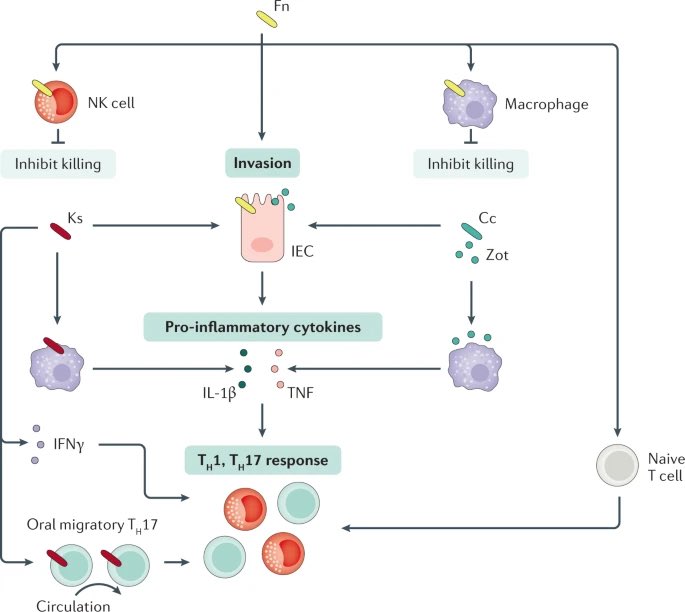
Refrescos azucarados, azúcar, carne procesada, snacks salados... que los ultraprocesados son el terror para el intestino, por si hacían falta más pruebas 😉
Large prospective cohort study shows association of ultra-processed food intake with 1.82 x ⬆️ risk of inflammatory bowel disease
soft drinks, refined sugar foods, salty snacks, & processed meat, each were associated with higher hazard ratios for IBD
https://t.co/EyflMkQR9t