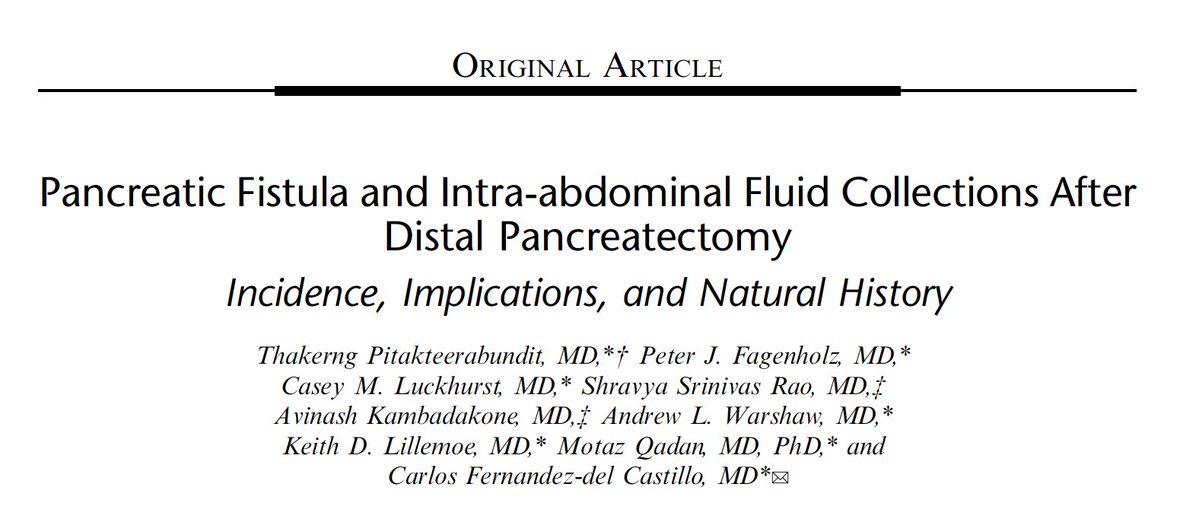
In a single-institution study after distal pancreatectomy, fluid collections developed in 53% of patients, but only approximately one fourth were associated with clinically relevant postoperative pancreatic fistula. https://t.co/X4Ym2Wzrsd
The 🔚 of laparoscopic whipple?! 😢
🇮🇹 800 MI / 78% robotic with propensity
🤖 had longer operative time / less blood loss
🔙 Conversion to open more frequent for laparoscopic
🟰 All postop outcomes were same
🙋🏼♂️ ... and what about the learning curve!?
https://t.co/2pp9cL6gP0
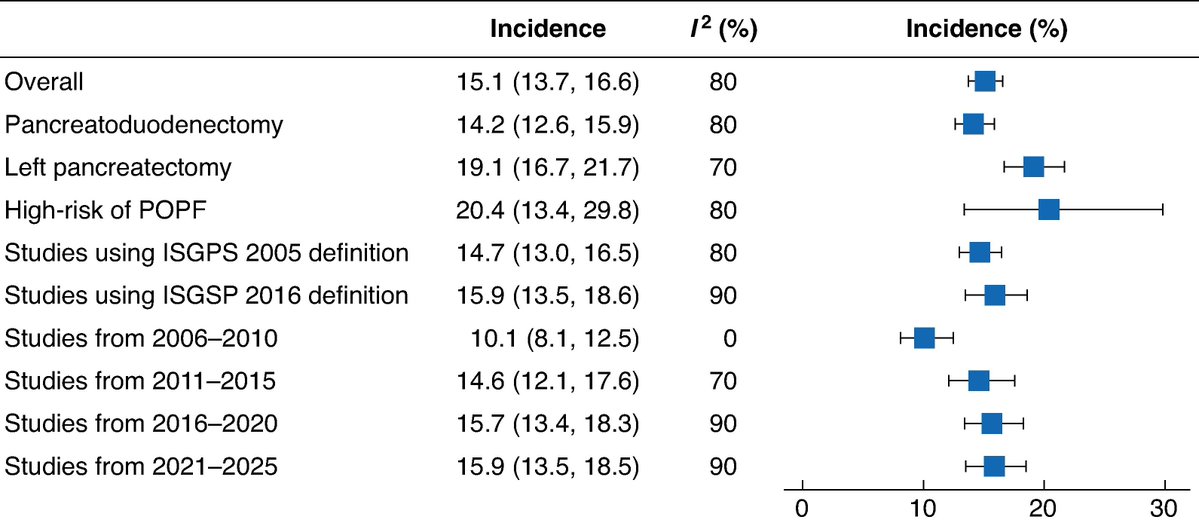
Preventing pancreatic fistula following pancreatectomy: meta-analysis of randomized clinical trials
➡️https://t.co/kr9WPArwzk
Postoperative pancreatic fistula accounts for most morbidity and mortality after partial pancreatectomy, yet consensus on preventive strategies is lacking. This systematic review and meta-analysis included 193 randomized clinical trials (29 408 patients, 24 countries) from the Evidence Map of Pancreatic Surgery (2005–2025). The pooled grade B/C fistula rate was 15.1% (14.2% after pancreatoduodenectomy; 19.1% after left pancreatectomy). Of 18 interventions reported as effective in individual trials, three retained a significant pooled effect: drain omission in left pancreatectomy (high certainty), perioperative somatostatin analogues (moderate) and perioperative corticosteroids (low). The evidence remains immature, warranting trials in high-risk cohorts and of combined interventions.
👏👏👏Roberto M Montorsi, Alessio Marchetti, Tessa E Hendriks, Freek Daams, Olivier R Busch, Bas Groot Koerkamp, Matteo De Pastena, Hjalmar C van Santvoort, Bert A Bonsing, Salvatore Paiella, Giuseppe Malleo, Marc G Besselink, Roberto Salvia
#SoMe4Surgery #MedTwitter #SurgEd #Surgery @BJSAcademy@BJSurgery #HPBSurgery #PancreaticSurgery #SystematicReview #MetaAnalysis #EvidenceBasedSurgery
🔄 Not all #PDAC recurrences are the same.
🧬 Biology matters.
🤝 Patient selection matters.
🎯 MDT discussion matters.
🚀 Time for recurrence-tailored treatment strategies.
#PancreaticCancer#HPBSurgery
Outcomes of Y90-radioembolization as downstaging to liver transplantation HCC and tumoral portal vein thrombosis
@HEP_Journal
https://t.co/RcHl1K7vxQ
👉25% sustained downstaging after TARE
👉15% eventually LTx with good outcome
🧐Downstaging is feasible in MVI pts
@myESMO@ILCAnews@EASLnews
Nuevo video💻en el #videoatlas: "Síndrome de ligamento arcuato medio. Liberación robótica."
Nos presentan una liberación robótica del ligamento arcuato medio en un caso de síndrome de Dunbar o del ligamento arcuato medio.
🔗https://t.co/KpHmmZq0Os
@AitanaTejero@AEC_CEG
Robotic Real Anatomical Right Hepatectomy Preserving the Caudate Lobe: Separate Dissection of the Right Anterior and Posterior Glissonean Pedicles, Combined with the Use of ICG Fluorescent Imaging (with Video) @AnnSurgOncol https://t.co/BEVmkm592S
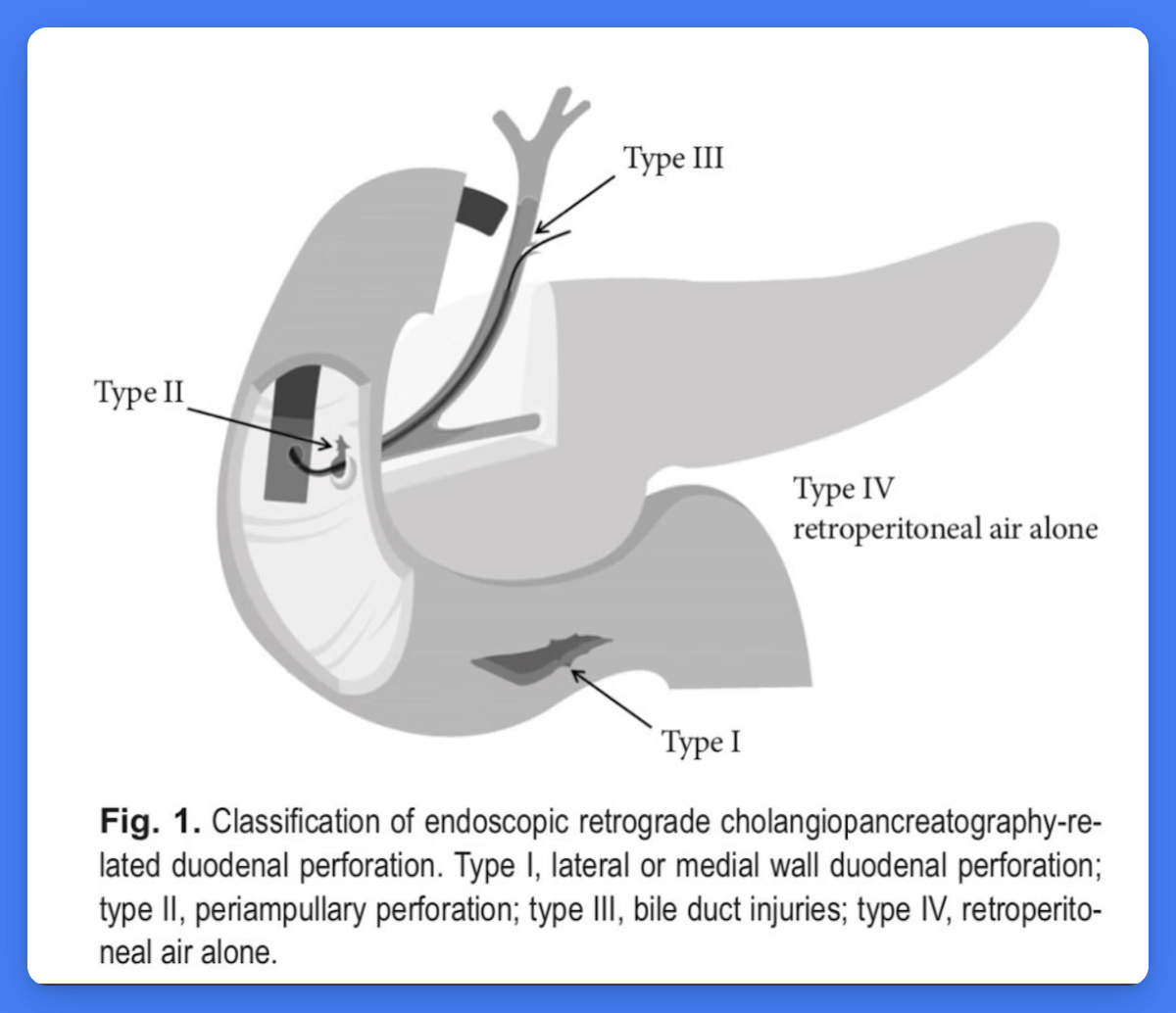
Here's a helpful visual guide to the different types of duodenal perforations that can occur during ERCP.
The classification ranges from Type I (duodenal wall) to Type IV (retroperitoneal air only).
Knowing the type helps guide whether endoscopic, surgical, or conservative management is most appropriate.
What are your preferred endoscopic techniques for managing Type II perforations?
Share your expertise and learn more on https://t.co/wCqmXAw9oN
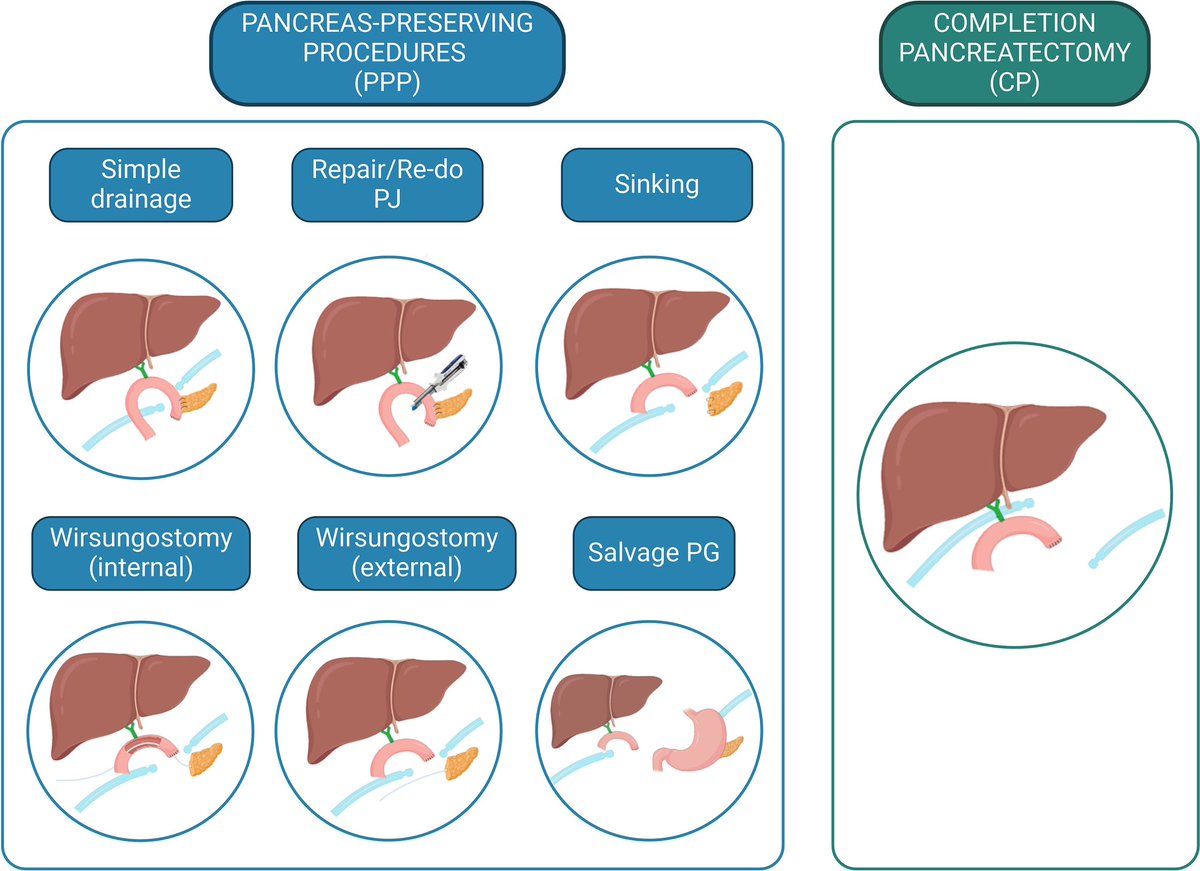
Reoperation for pancreatic fistula 🐳
🤜🤛 Completion pancreatectomy or pancreas-preserving procedures ?!
💦 Drainage / wirsungostomy most used 44% vs. Completion panc 37%
😱 Mortality as high as 67%!
👀 What is your policy? Thoughts?
🆓 paper 👉 https://t.co/Dn8eIA9qEG
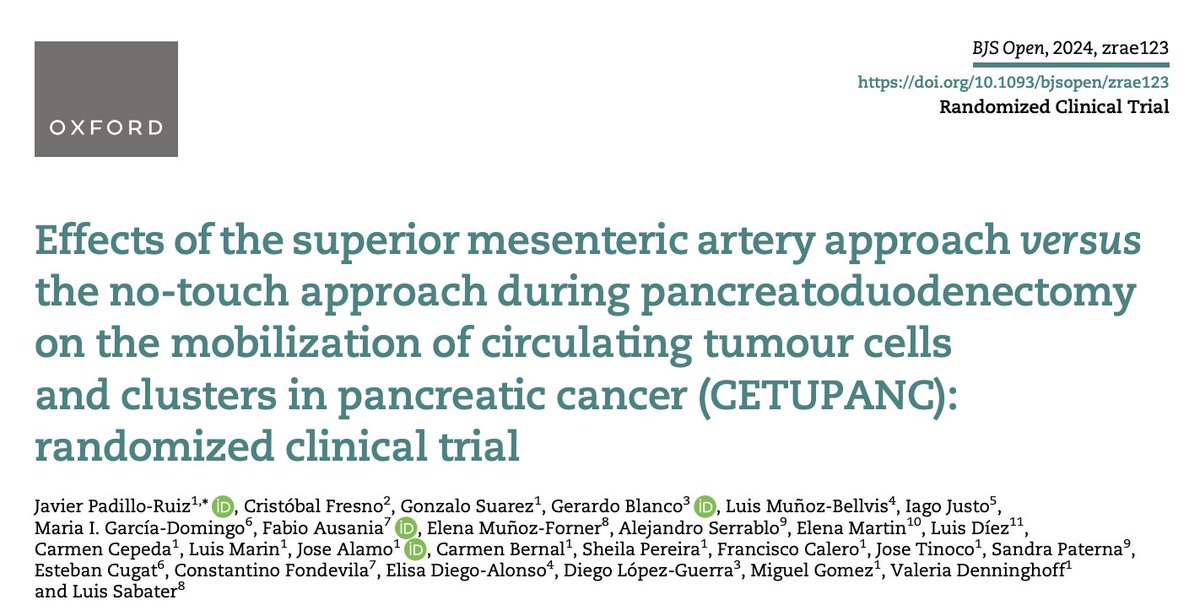
🚫 Don't touch that tumor! 🫳
SMA 🤜🤛 no-touch approach during pancreatoduodenectomy on the mobilization of circulating tumour cells in PDAC
🇪🇸 RCT same DFS but...
🧪 High intraop dissemination was a predictive factor for early metastases!
https://t.co/OxfJL4K8ms