Sagni Nagasa, the former commander of the OLA’s Central region until his breakaway in May 2024, has officially “reached an agreement” with the government. Choosing this path instead of forming another faction to fight against his comrades deserves recognition. However, while this might be perceived as a setback for the OLA, it should not be overstated as a major development capable of bringing the civil war in Oromia to an end.
Past experiences show that such agreements have had little lasting impact on the insurgency.
In 2018, Daud Ibssa, Chairman of the OLF, repatriated approximately 1,300 soldiers from Eritrea and handed them over to the government. However, most of these soldiers abandoned government camps and joined the nascent insurgency led by Marro Dirriba in Western Oromia, strengthening the group. Similarly, in 2019, eorking with members of Gada Council, we were able to bring home nearly half the active soldiers at the time, including Marro’s deputy, Diinara (Hunde Dheressa). Unfortunately it achieved only a fleeting success. The OLA grew stronger in the following months, expanding recruitment and its area of operations. Again, in 2021, Golicha Dhenge, head of the Southern Command, surrendered to the government. Yet, the insurgency in the South not only persisted but expanded its operations further into Arsi and Bale zones..
Why did these agreements and surrenders fail to weaken the insurgency? There are a number of reasons.
Firstly, the government has not tackled the political grievances that initially fueled the insurgency. Instead, repression, mass incarceration, and extrajudicial killings have escalated, driving more youth to join the insurgency rather than persuading armed fighters to disarm.
Second, the government has repeatedly failed to honor its commitments made during negotiations. Disarmed fighters were subjected to verbal and physical abuse in encampments, pushing many to escape and return to the insurgency. Those who remained were left without resources for reintegration. Senior commanders faced even worse fates: Dinaras was killed in Bishoftu months after returning, and Golicha Dhenge was beaten when he visited his family in Borana. Such actions have deepened mistrust, negating any potential benefits from these surrenders.
Given this history, there is little to suggest that yesterday’s ‘agreement’ with Sagni Nagasa will lead to a different outcome. While the government may leverage such defections for propaganda, it should not deceive itself into believing that these actions can end the conflict. Splinter commanders and factions switching sides may yield temporary tactical gains, but their impact on the overall insurgency is likely minimal given the state’s diminishing control over the means of violence and the country’s worsening economic conditions.
Moreover, encouraging or exacerbating splinters within insurgency groups can be counterproductive. While governments might view splintering as a strategy to weaken rebels, it often has the opposite effect. Fractured insurgencies complicate peace processes and prolong conflicts. New factions emerge with their own demands, making it harder to reach comprehensive agreements or implement them effectively. Furthermore, exaggerating defections or portraying them as agreements with entire movements undermines trust. This dynamic was evident after the collapse of the Tanzania talks, which eroded faith in negotiations and made future dialogue more difficult to convene. Encouraging splintering also creates incentives for disillusioned factions to form competing groups, perpetuating cycles of violence.
The government must recognize that sustainable peace in Oromia and other regions, particularly the Amhara , requires addressing the root causes of these conflicts and pursuing a negotiated, comprehensive political settlement. There are no shortcuts to ending these insurgencies and achieving lasting stability.
ከ 15 አመታት በፊት ነው የቀድሞ መስሪያ ቤቴ ለinternship መጥቶ የነበረ እንግሊዛዊ ለመመረቂያ ፅሁፉ (Thesis ) ፎቶግራፍ ለማንሳት በየቦታው ይዘዋወር ነበረ: በዛ ላይ ደግሞ blogger ነው እና ስለ አዲስ አበባ ለሚፅፈው ፅሁፉ አንዳንድ ቦታዎች ላይ እየተዘዋወረ ያነሳቸውን ፎቶግራፎች ሲያሳኝ አብዛኛው ፎቶዎች: ምናለሽ ተራ ያለውን የቆሻሻ ክምር ቦምብ ተራ የቁጭራ ሠፈር ድሪቶ ቤቶች: ጨው በረንዳ ጎጃም በርንዳ አካባቢ የተኮለኩሉ ነገሮች: ከ4ኪሎ ትምህርት ሚንስቴር ጀርባ ያሉ ቤቶችን የዛገ ጣሪያ: ኡራኤል ሠማኸኝ ድልድይ ሥር የነበሩትን ቤቶች: ሊስትሮዎች: ጎዳና ተዳዳሪዎች ሎተሪ አዟሪዎች ምፅዋት ጠያቂዎች ምናምን ነበረ: በጣም ገርሞኝም ተበሳጭቼም አዲስ ውስጥ የተመለከትከው ይሄን ብቻ ነው ? ስል ጠየቅሁት እሱም ሁሉንም ቦታ ተዘዋዉሮ እንደተመለከተ ነግሮኝ ነገር ግን ለፅሁፉ የሚያስፈልጉት ፎቶግራፎች እነዛ መሆናቸውን ነገረኝ እኔም በጣም ግራ ስለገባኝ ለምን ስል አፈጠጥኩበት መልሱም እንዲህ የሚል ነበር
ሠዎች በምናባቸው የሚስሏት አፍሪካ ይህቺ ናት: እርዳታ የሚሰጡ ባለ ሀብቶችም እጃቸውን ለእርዳታ የሚዘረጉትም ለዚህ ነው: እንደ ቦሌ ያለ ያማረ ከተማ እኛም ዘንድ አለ እሱ አፍሪካን አይመስልም ብሎኝ እርፍ እና ምን ለማለት ነው እንዳንለወጥ ከተማችን ኑሯችን እንዳይሻሻል: እንዳናድግ: እንዳንበልፅግ የሚሹት: ጥንካሬያችንን ሳይሆን ድክመታችንን ብልፅግናችንን ሳይሆን ድህነታችንን የሚያሳዩልን ስላዘኑልን አይደለም: በድህነታችን ሊሳለቁ በውድቀታችን ሊመፃደቁ: የእነሱን ከፍታ በእኛ ዝቅታ ሊያሞቁና ሊያደምቁ ከዛም ከንፈራቸውን እየመጠጡ ከባለፀጋዎች ምፅዋት ሊሰበስቡብን ነው እየሆነ ያለውም ይሄው ነው! እኛ ደግሞ እንላለን ኢትዮጵያን ከብልፅግናዋ የሚያቆማት አንዳችም ሀይል የለም! የአዲስ አበባን መለወጥ በተስተካከለ መነፅር ማየት የሚችል ብቻ ነው ሊያስተውለው የሚችለው!
It was more than 15 years ago when a British guy came to my previous workplace for an internship. For his thesis, he used to roam around different places taking photos. In addition, he was a blogger, & for the piece he was writing about Addis Ababa, he was showing me photos he had taken in various areas. Most of the pictures were of trash heaps, shantytowns, tin-roofed houses, rundown buildings around Gojjam Berenda, & slum areas behind the MOE in Arat Kilo, including under the Urael Bridge. He showed images of street vendors, lottery ticket sellers, beggars,& all sorts of things that captured the grim side of Addis I was both fascinated & perplexed. I asked him, “Is this all you’ve seen in Addis?” He told me that he had indeed been all over the city, but these were the photos he needed for his thesis. Confused, I asked him why. His response was striking:
“This is the Africa people expect to see. Even the wealthy who offer aid extend their hands to help because of this. Bole and its well-kept areas don’t reflect Africa to them. To them, Africa is synonymous with poverty and underdevelopment. If we showed them the good parts of the city, it wouldn’t fit their narrative.”
I was both stunned and saddened. What he was suggesting was that the image of Africa as poor & struggling had to be maintained for aid & support to continue. He implied that we should not strive to improve, not develop or rise, but instead remain in poverty so that we would continue to receive aid. It was as though our potential, our strength,& our progress were being deliberately ignored in favor of highlighting our struggles & poverty to satisfy their agenda. They want to use our failures to elevate themselves & maintain their superiority, all while sipping from the wealth their privilege affords them. But we say, nothing can stop Ethiopia from progressing! Addis Ababa’s transformation is visible to anyone who looks at it through the right lens & is willing to acknowledge its growth & development
#Ethiopia 🇪🇹 #AddisAbaba
@AbiyAhmedAli@PMEthiopia@AdanechAbiebie@MayorAddisAbaba@USEmbassyAddis
“ጃውሳው ከነዚህ ከሁለቱ (ህወሃት እና ሸኔ) ያልተማረ የነጋበት ሲነጋ አዲስ ብሔርተኛ ሆኖ ለመምጣት የሞከረ ታላቁን የአማራ ህዝብ የማይመጥን ኢትዮጵያን የማይመጥን”‼️
💯
As always @danielkibret says it as it is🙏🏽
“Is there anyone so wise as to learn by the experience of others?”- Voltaire
https://t.co/XUfxzCNgv2
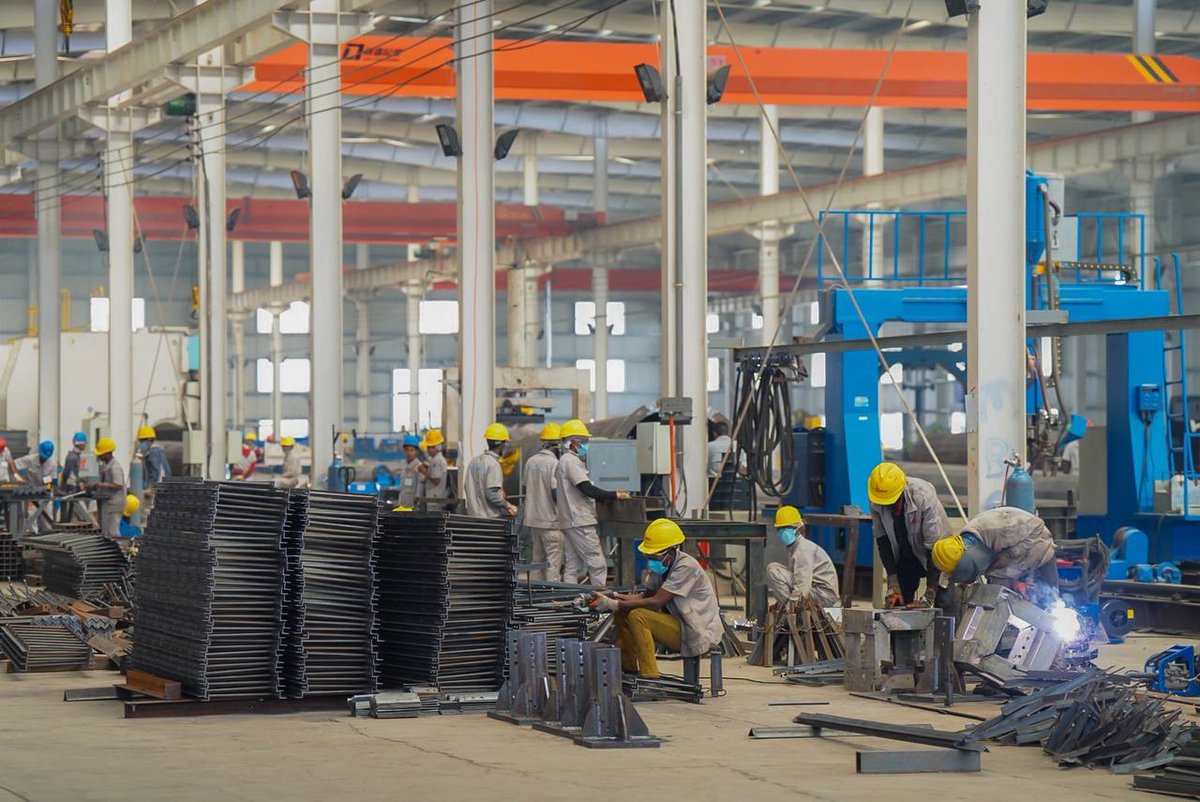
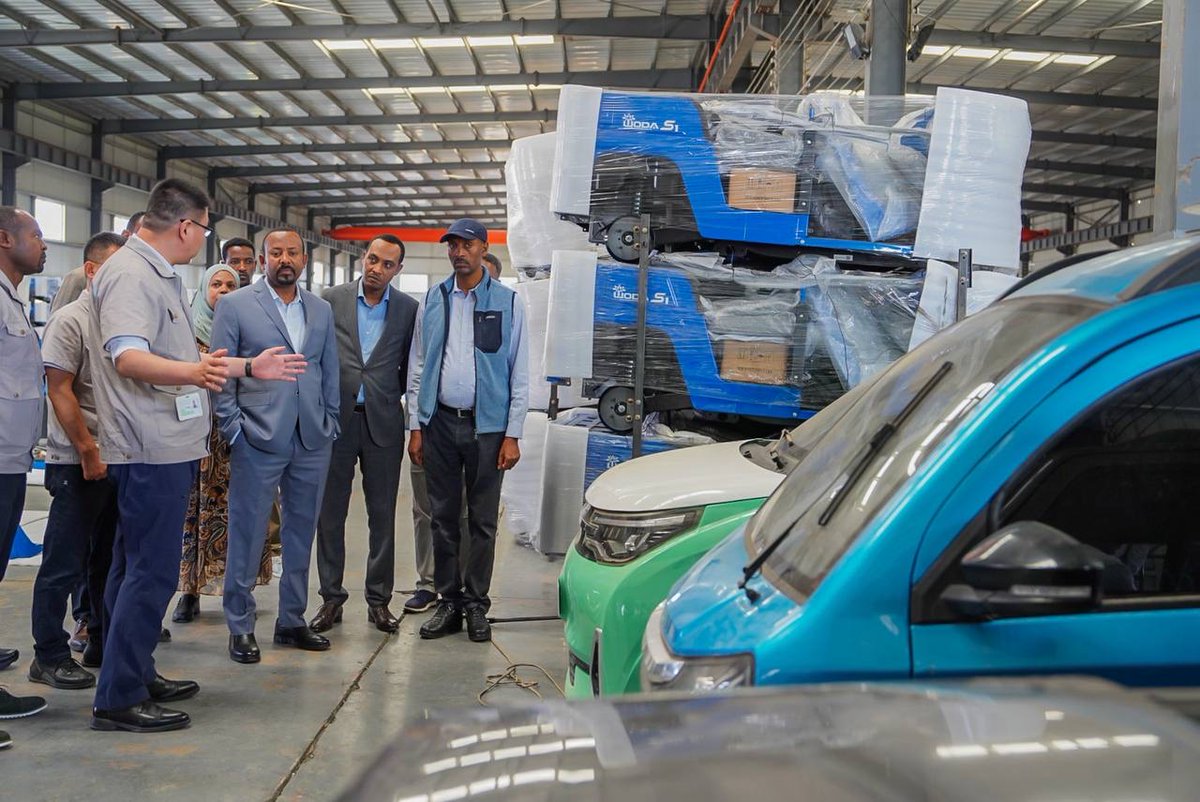
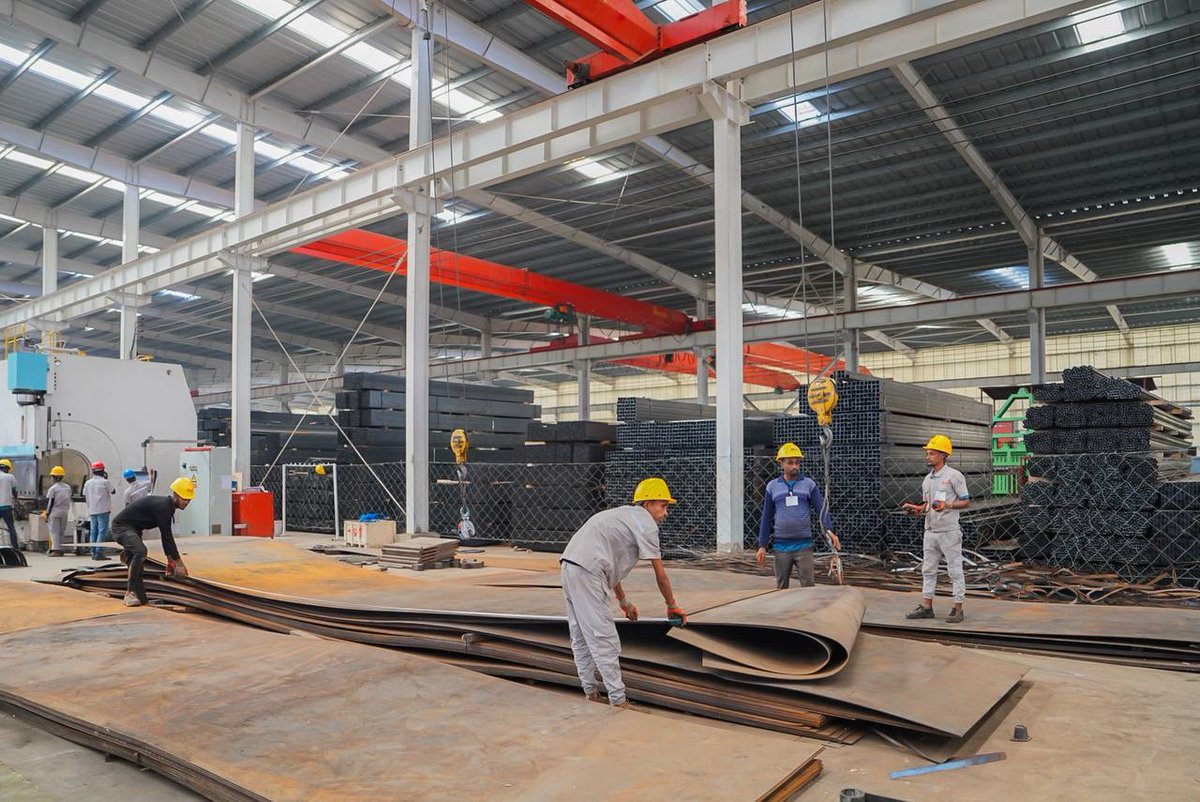
Boosting metal production is integral to our industrial development policy. With foreign direct investments, we're advancing local manufacturing of top-notch high-tension cables and electric towers, catering to the telecom and electricity sectors. Also pleased to see the production of vehicles and components. It's also encouraging to witness the local production of vehicles and their components.