El Altar 1 de Edzná muestra a la señora Ix Baah Pahk, conversando con una enana. Entre 649 y 662 d.C., esta notable mujer gobernó en esa ciudad prehispánica, donde tuvo el título de Kaloomté, el máximo rango político y militar al que podía aspirar un gobernante maya #INAH80años
3D model - Stingray Lagoon 32/180-9-3/1-3 - 18358 trying out our new 3D scanner Dr Cory Sills and I will use imaging ancient Maya waterlogged wooden building posts and artifacts at the Payne’s Creek Salt Works (NSF project) https://t.co/viuKLTQ5Vf
“La Máscara de #Calakmul. Universo de jade” sigue su viaje gracias a una réplica fiel del mosaico original.
Artesanos guatemaltecos reprodujeron las teselas de la #máscara y las cuentas del pectoral/collar, entre otros elementos... Galería: https://t.co/wmS4t31Q2t
Las tapas de bóveda pintadas formaban parte del cierre de algunas bóvedas mayas de las regiones Chenes y Puuc. Muestran a una deidad, casi siempre K’awil, y textos glíficos propiciatorios de abundancia de alimentos y agua. Foto: tapa de bóveda, Dzibilnocac, #Campeche
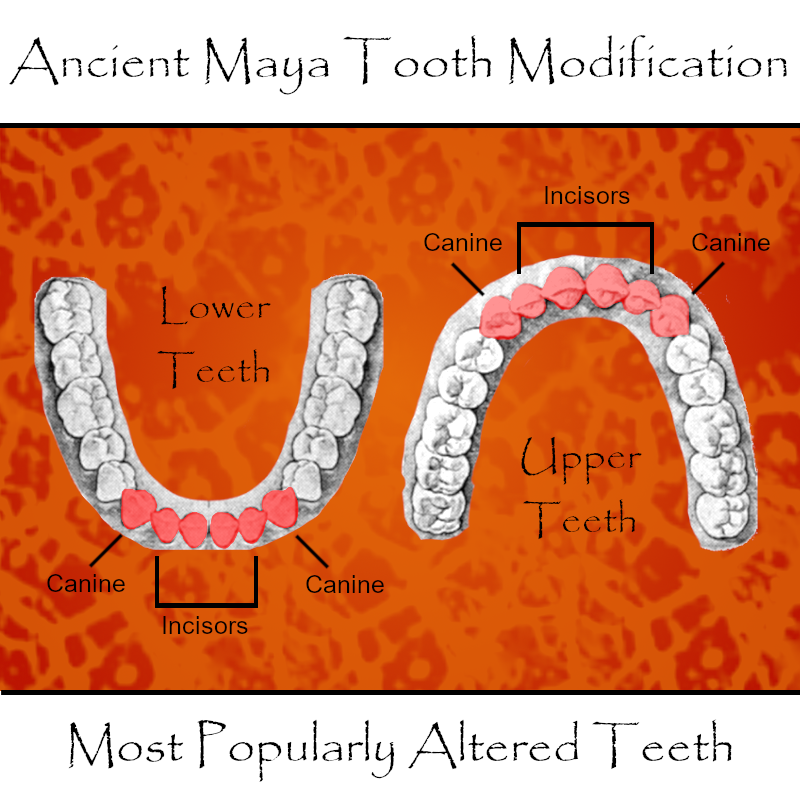
A practice among the ancient Maya was tooth modification, both stone inlay and filing. This graphic I made shows which teeth got altered the most. (The teeth drawings come from a copyright expired image. Citation: Queensland State Archives, Digital Image ID 26607.) #Maya#Teeth
Updating the Maya Image Archive https://t.co/Sk6qlcOXpD by @UniBonn project @idiom_project: adding now open access line drawings of Maya inscriptions rendered by project members, e.g. capstones and hieroglyphic texts from Chicanna or Dzibilnocac. @Akademienunion
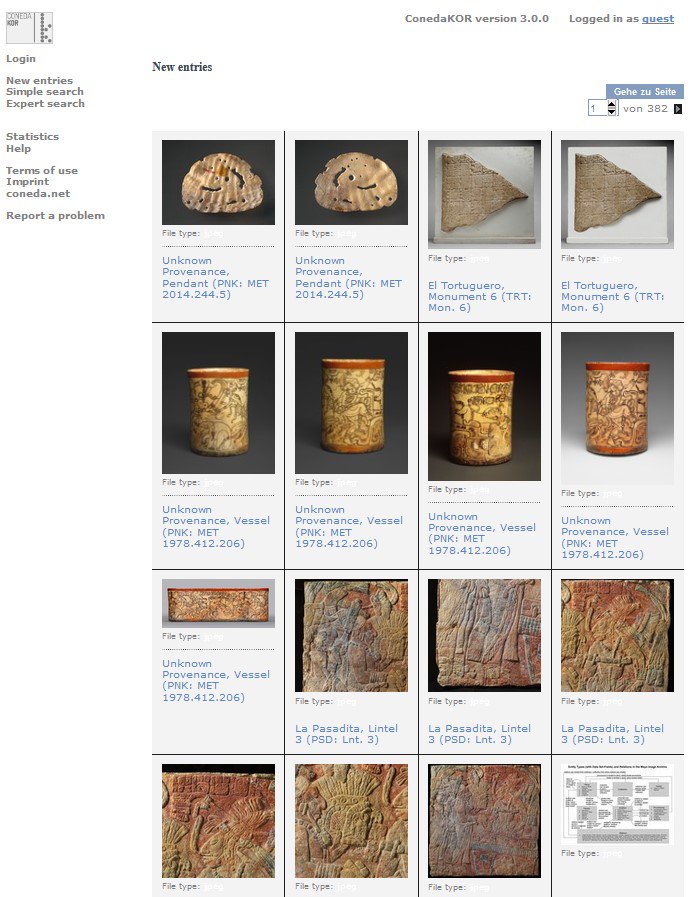
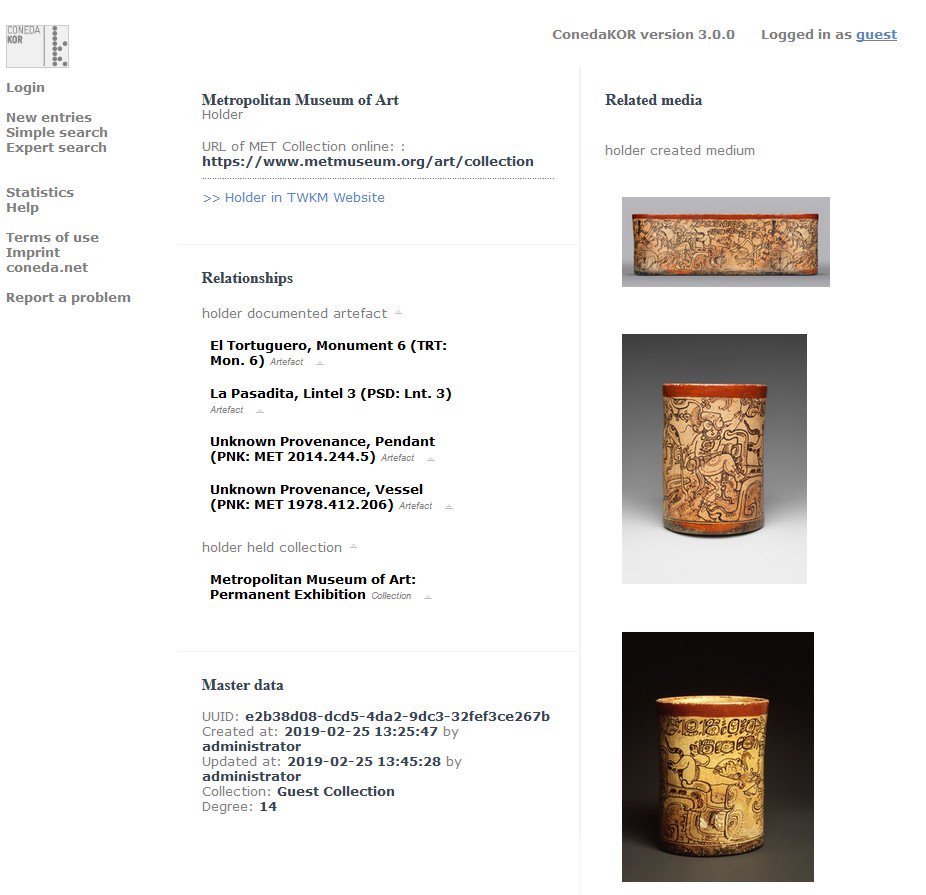
Assembling Maya collections: THANKS! to the great CC0 initiative by the @metmuseum, @idiom_project has started to include images & metadata from the MET to the Maya Image Archive, https://t.co/5g3mAnQvO9, and to connect it to our existing collection of Maya inscriptions and art
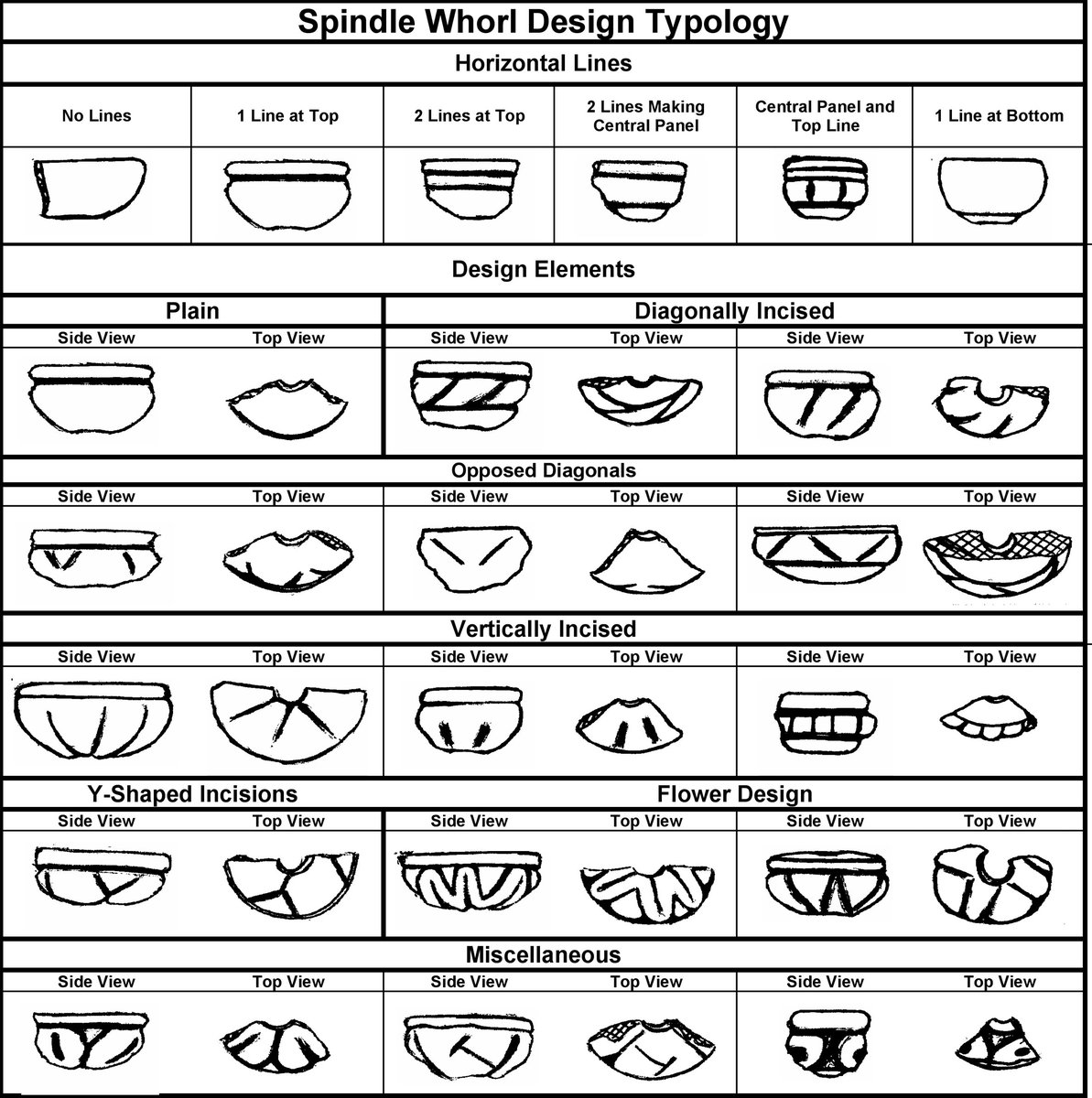
Spindle Whorls are an integral part of ancient Maya life. This stash of whorls drawn by Kathy Kamp, found adjacent to the chert production site west of Plaza Faisan at El Pilar, represents the variety of decorative styles that are found in ancient Maya collections. #MayaMondays
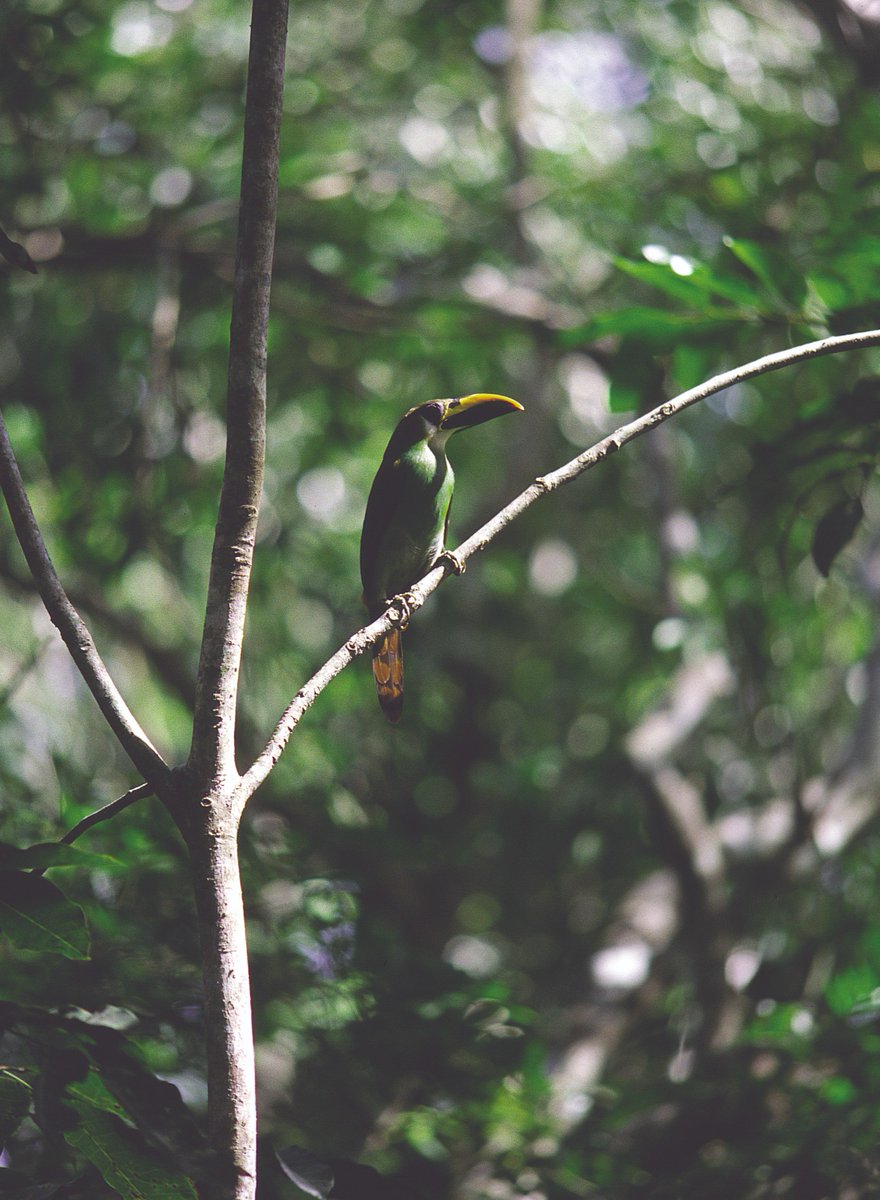
The El Pilar Archaeological Reserve for Maya Flora and Fauna is populous with beautiful and unique birds. Here, an Emerald Toucanet pauses on its way back to its nest near Tzunu’un, the ancient Maya house of El Pilar. #MayaMondays
(Photo: Clarissa Guggenheim)
From the archives of Maya Dictionary Project @idiom_project: images from Tancah, Yukatan, by Karl Herbert Mayer. Two Maya deities AJAN, the Maize God and K'UH "god", holding offerings: K'UH with tamale and deer; tamale are offerings usually given to the gods when travelling ...
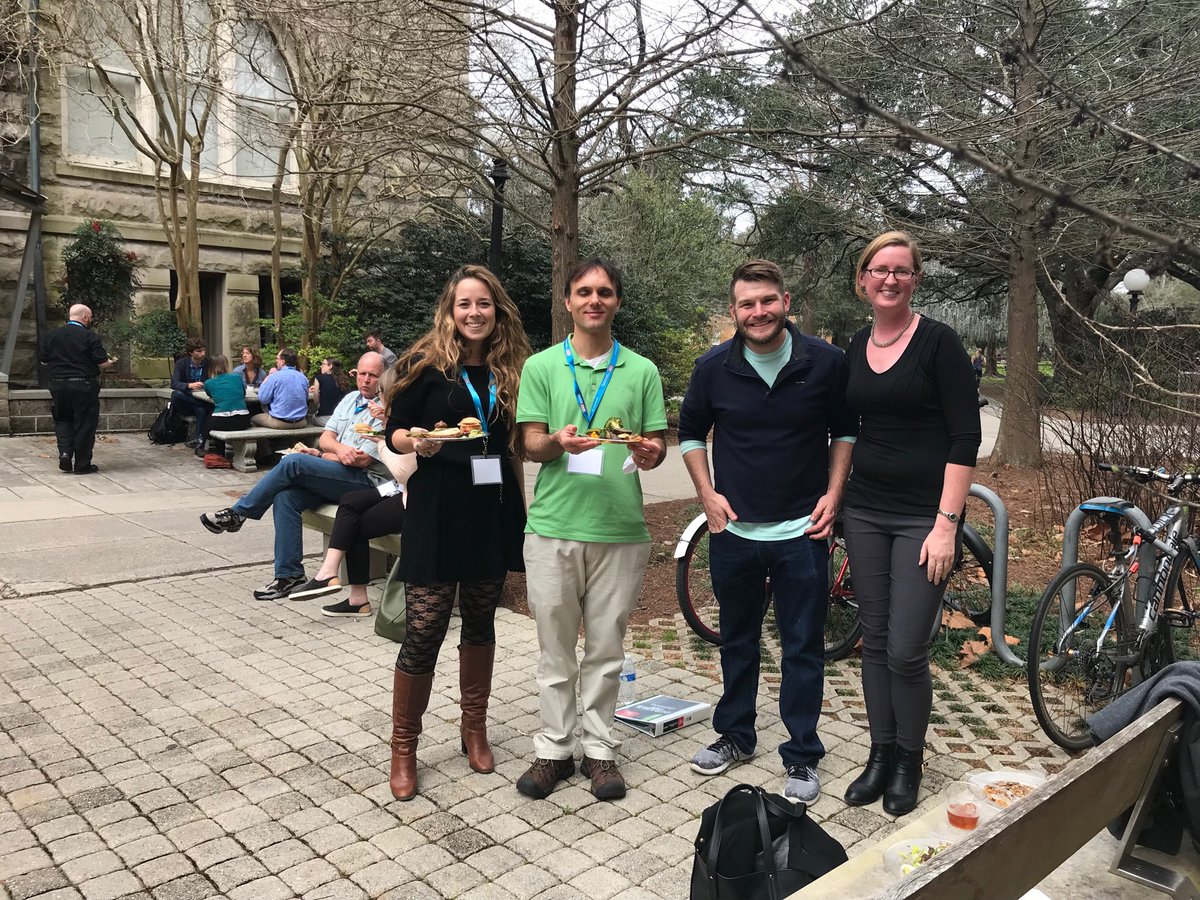
Some of the LSU grad students attending the Tulane Maya Symposium in New Orleans on the Vlassic Maya “collapse.”Just like after Katrina, the ancient Maya were resilient to climate change @LSUResearch
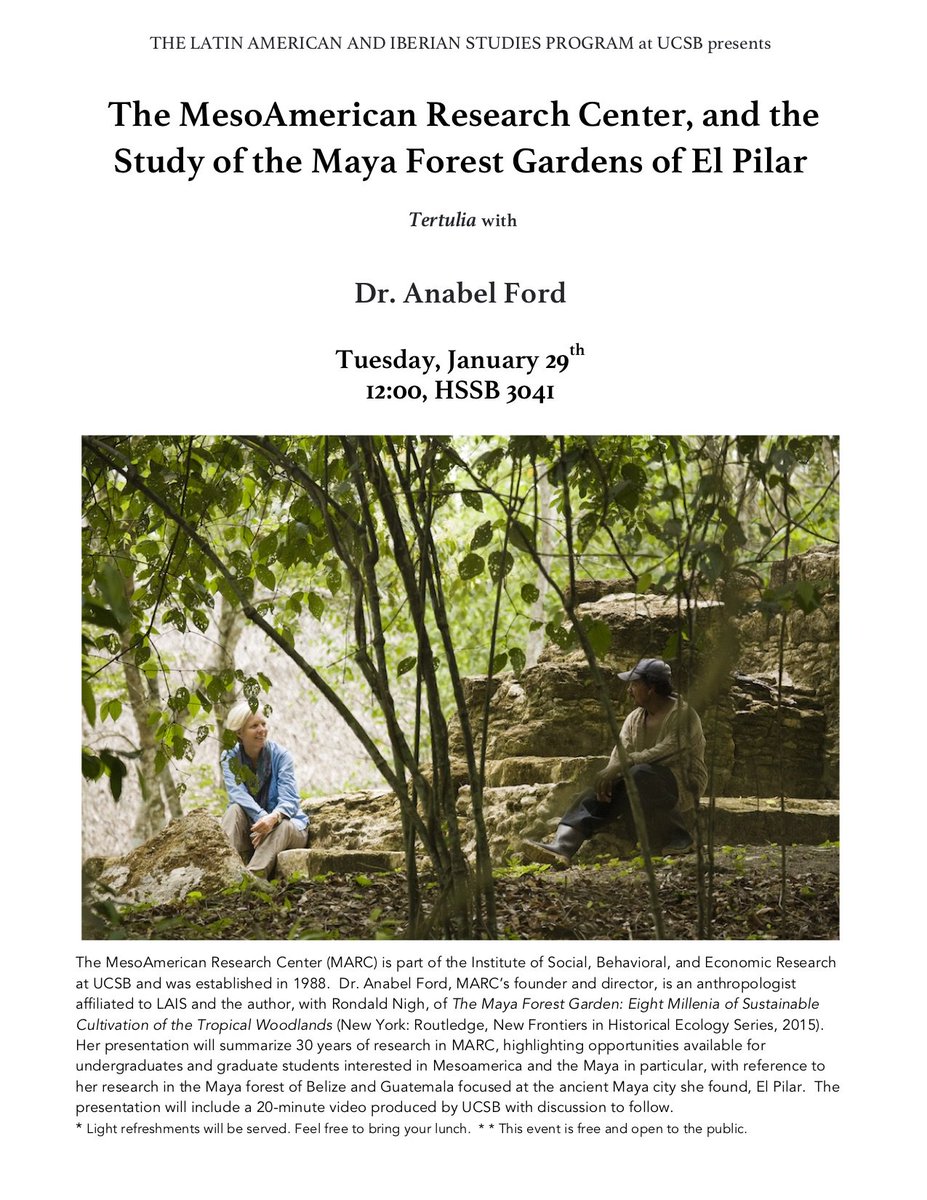
This next Tuesday, January 29th, Dr. Ford will be giving a speech discussing her 30 years of research at El Pilar while highlighting opportunities for motivated students to become involved with her research. For those interested, it will be at HSSB 3041 from 12:00 to 1:30
This picture was taken in 1983 in El Pilar. This core team of the Belize River Archaeological Settlement Survey, or BRASS, walked the whole eastern components of the sites, creating the first sketch of score of major plazas that we recognized at that time. #MayaMondays
These are the seed pods of Ormosia schippii. They are used as beads for necklaces and are known throughout the Maya forest for their ornamental value! #MayaMondays
Updates and additions to the "Maya Image Archive" by @idiom_project : we have recently added hundreds of new images of Maya hieroglyphic inscriptions and sculptures taken by Karl Herbert Mayer, see https://t.co/mn50spUXMx
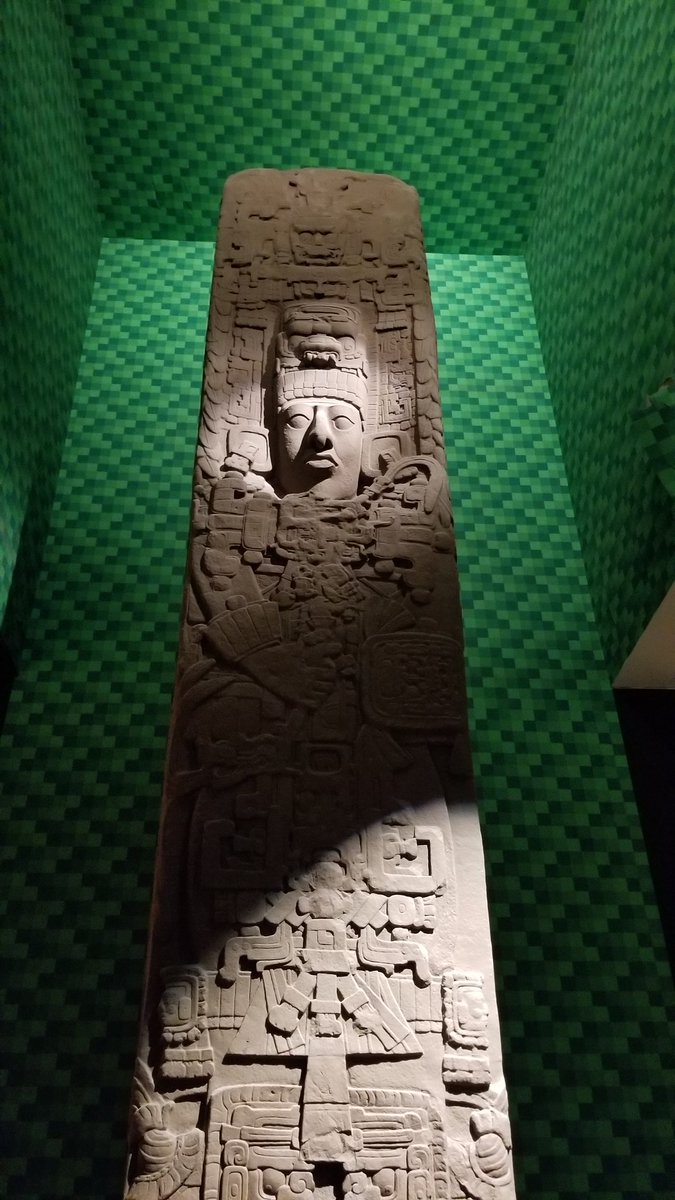
K'ahk' Tiliw Chan Yopaat of Quirigua is not amused with this snowy Arctic weather. 🌨️❄️☃️
Stela E (cast), AD 771. Original in Guatemala: 7m tall, 30 tons.
Mexico and Central America Hall, @AMNH