Travellers and mailmen, who travelled along the Appian Way, could refresh themselves and switch the tired horses every 13 kilometres, at the post stations . The "facocchio" cared for the charriots in a bad state.
📸 by francescasonio via IG
#VisitRome
Il Vademecum di Roma Antica è finalmente disponibile anche in forma cartacea! Può essere acquistato presso Edizioni Ponte Sisto che provvederà alla spedizione
https://t.co/Kmj1blhSM0
Per l'edizione ebook qui i links ai negozi online:
https://t.co/AlNlTkWdjm
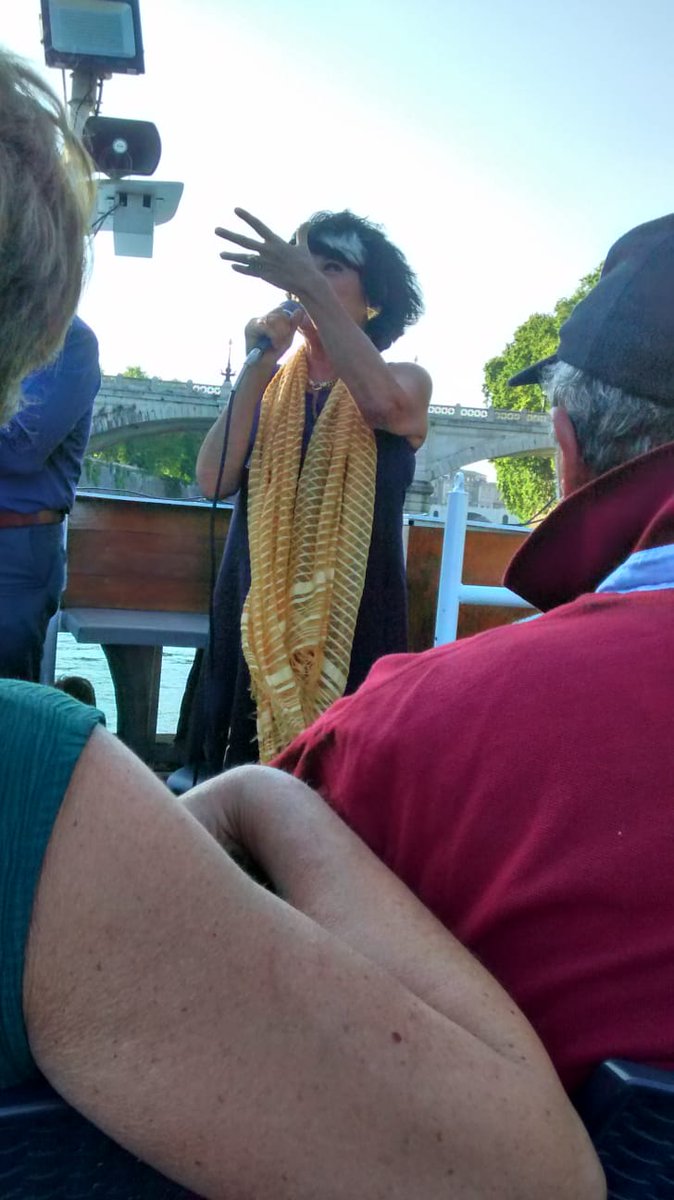
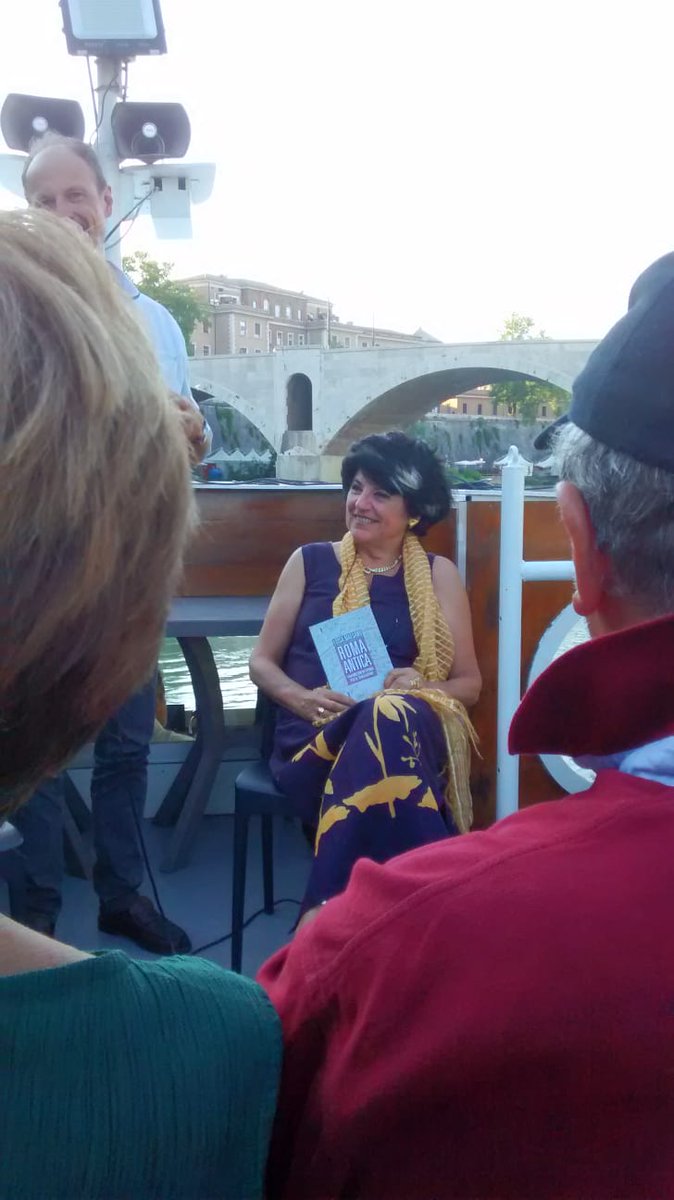
Bellissima serata, bellissimo pubblico per la doppia presentazione sul Tevere del mio “Roma Antica – Vademecum per il viaggiatore” e “Porpora e Nero” di F.Falconi
Grazie a https://t.co/94UouQhsQx che ha organizzato e a Pino Nazio che ha condotto la serata
#Unfiumeinfestival#Roma
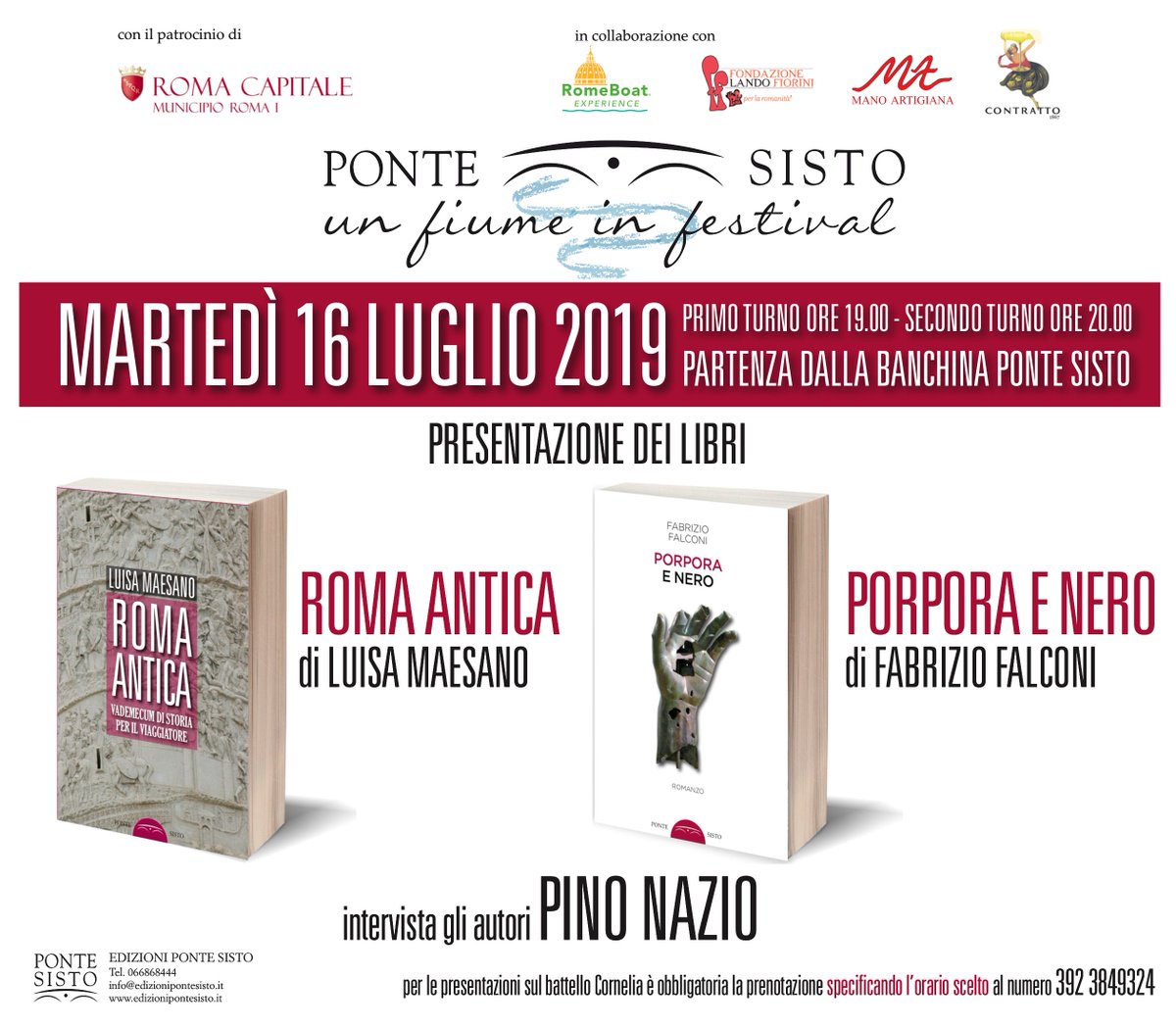
Sono strafelice di annunciare che la presentazione del mio
"ROMA ANTICA – Vademecum di Storia per il Viaggiatore"
è prevista per martedì 16 luglio a bordo del battello sul Tevere.
Due partenze (doppia presentazione: più posti per tutti) 19:00 e 20:00
Per prenotarsi 392 3849324
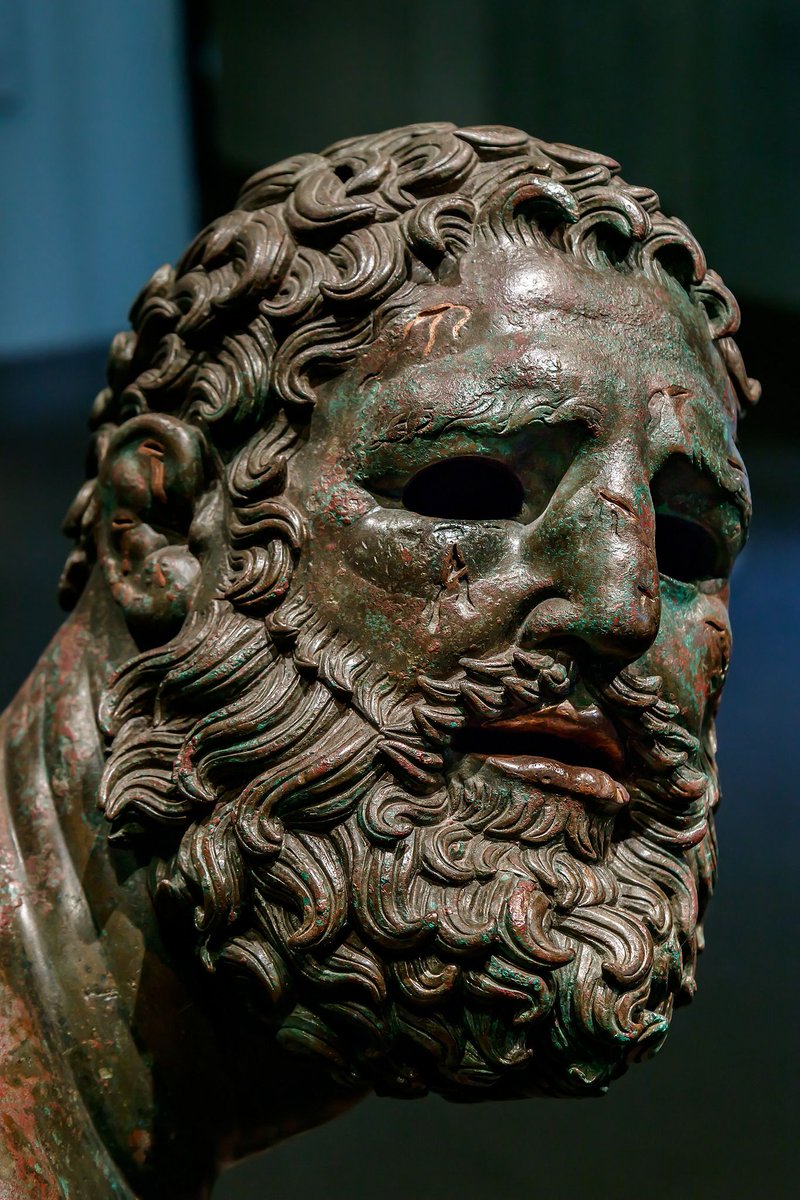
Beyond the raw physicality of the boxer's swollen eye & broken nose, his gaze seems paradoxical as it projects the aloneness of vulnerability as well as the quiet strength of stoicism masked behind cuts scarring his face, brought to life in the vivid reddishness of inlaid copper.
Out of the land of light and shadow, the naked, scarred body of the boxer bows out, all too human in his heroic strength, all too human in his mortal weariness and all too human in his consciousness of the end...
Boxer at Rest is a Greek bronze statue, the greatest surviving masterpiece from antiquity [Hellenistic] for the pathos that it still evokes across time capturing the spectator in the transcending immediacy that is our tragic human condition confronting fear, survival & mortality.
The Arch of the Argentarii was dedicated to the Severans by the bankers (argentarii). Septimius Severus and Julia Domna are visible, but certainly Caracalla had the figures of Geta and perhaps of his wife Plautilla and his father-in-law Plautianus eliminated.
#Roma#ForumBoarium
This fresco in the House of the Tragic Poet in #Pompeii depicts the wedding of Zeus and Hera. Looking at Hera, you get the impression she knows that Zeus is going to be chasing after Metis at any second.
@FoodisCulture Never heard about a wall around the Forum! What for? In the 8th c BC the Forum was a marsh and there was an even older burial site.
Thank You for the information I will investigate.
Thousands of passengers get around the Termini Station every day but only a few people notice the large stretch of the eldest boundary walls of #Rome, built in the sixth century BC by Servius Tullius.
The Servian Walls measured 6 miles sourronding an area of 1052 acres
#Archaeo
@FoodisCulture The 8th century BC wall was built around the Palatine Hill, not the Forum. It was attributed to Romulus (if Romulus existed!).
Prof. Carandini did excavations and found the evidences of that protection around the first settlement of wooden huts on the top of the Palatine Hill.
@FoodisCulture Yes, the Servian walls were rebuilt in the 4th c BC using Grotta Oscura stones, as this stretch is. But some parts of the 6th c BC walls are visible on the opposite side of the square. They were built in friable cappellaccio stones.
Erroneously? Why? Ancient cities did have walls











![VeraCausa9's tweet photo. Boxer at Rest is a Greek bronze statue, the greatest surviving masterpiece from antiquity [Hellenistic] for the pathos that it still evokes across time capturing the spectator in the transcending immediacy that is our tragic human condition confronting fear, survival & mortality. https://t.co/ugpmr1QkKD](https://pbs.twimg.com/media/D1C4FNGXQAEl3Yt.jpg)


