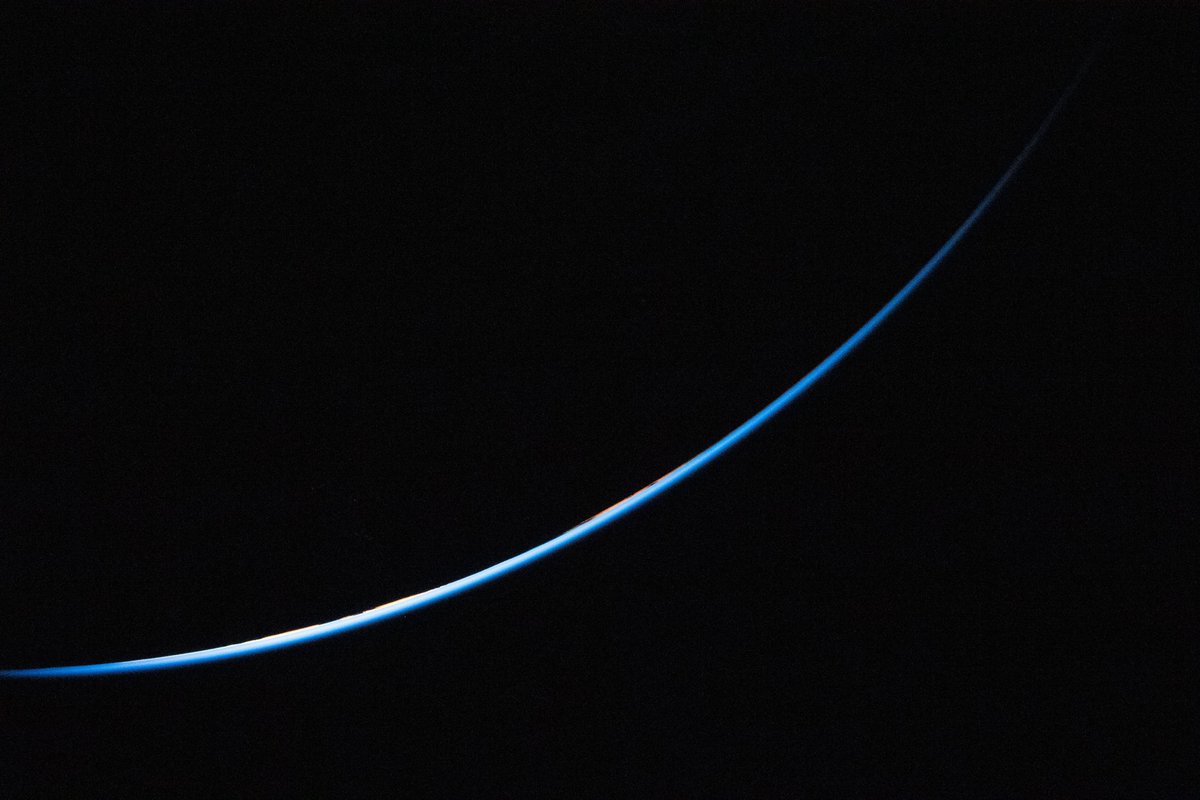
NASA HAS RELEASED OVER 12,000 IMAGES OF THE ARTEMIS II MISSION.
Unbelievable perspectives captured by the Crew! The aurora on the eclipse is incredible.
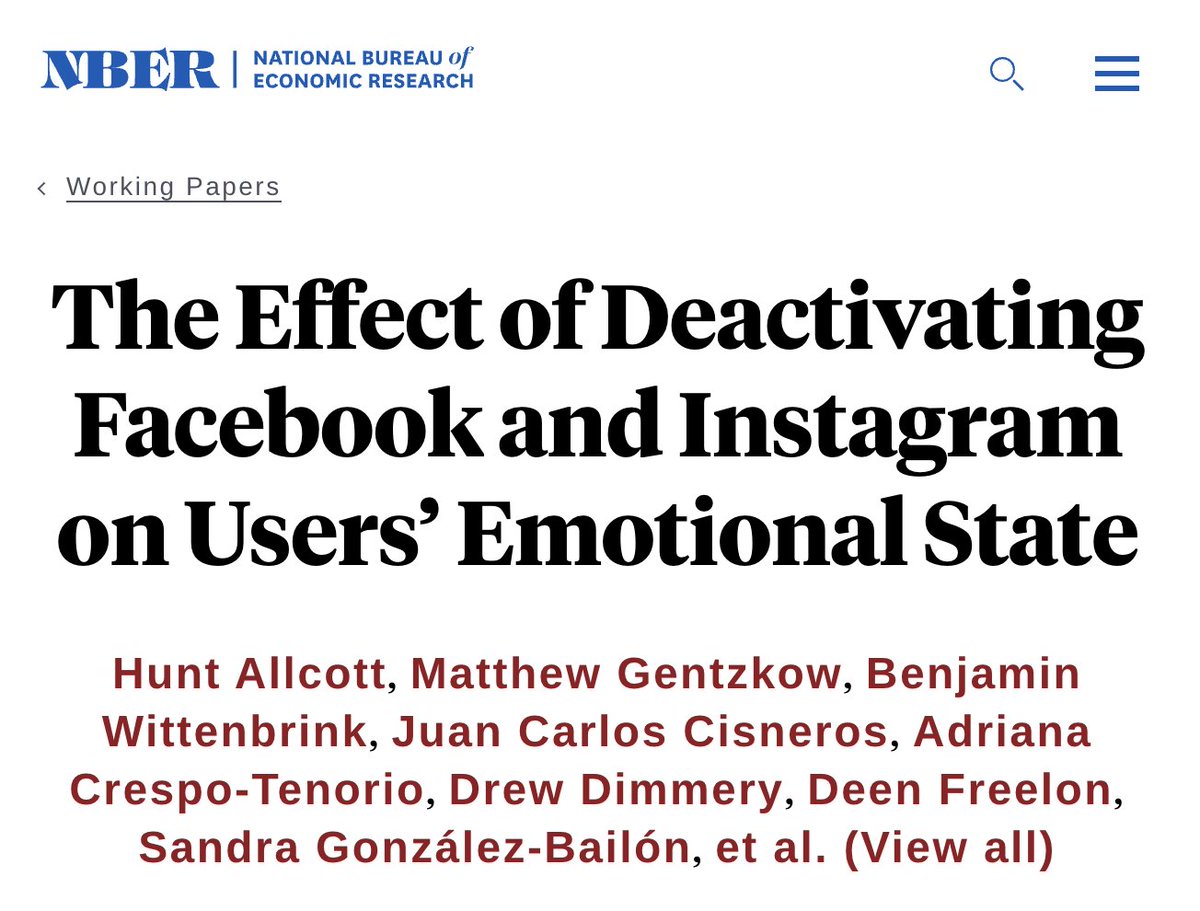
Stanford paid 35,000 people to quit Facebook and Instagram for 6 weeks
Depression dropped. Anxiety dropped. Happiness went up. Women under 25 on Instagram saw the biggest gains
That was 6 weeks. I'm going a full year.
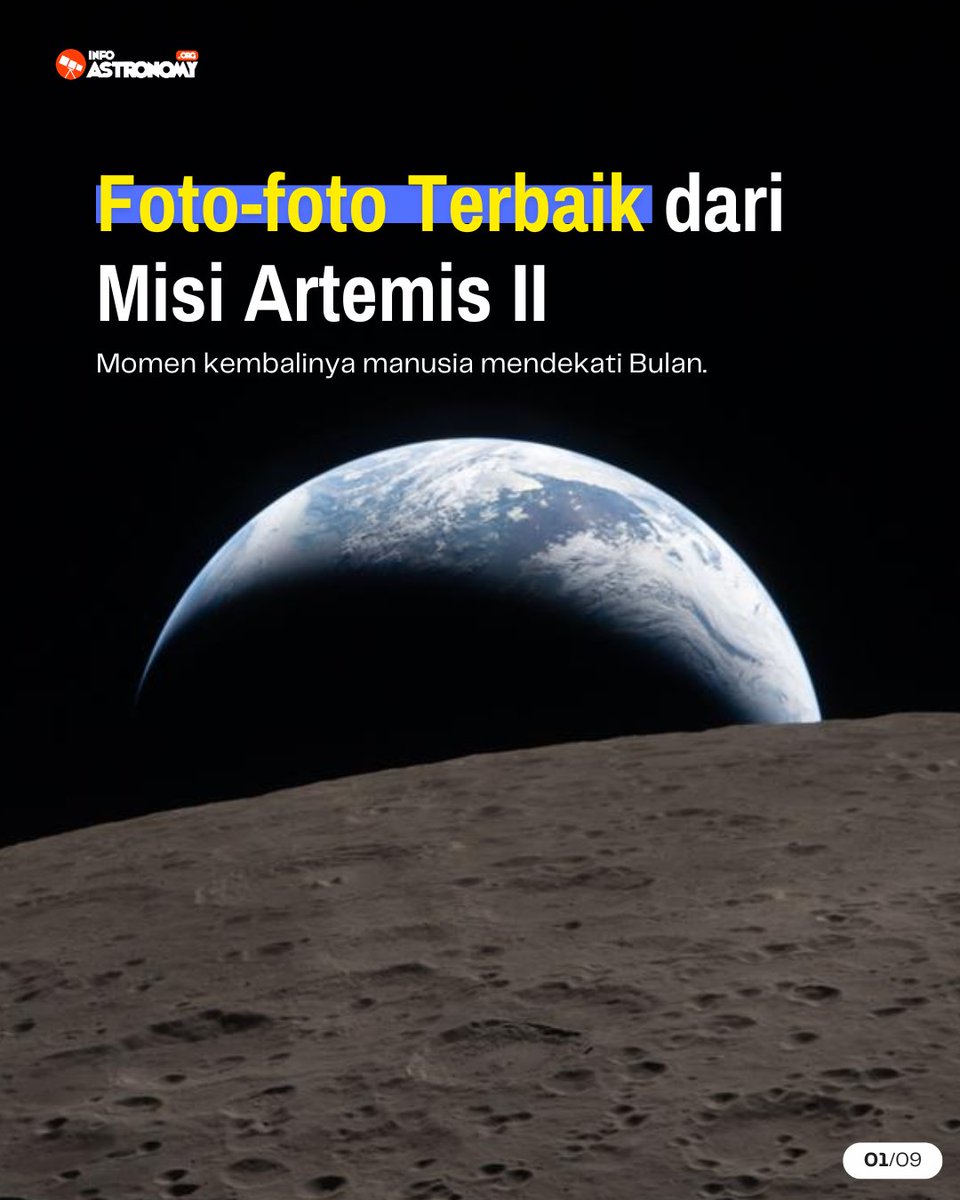
Para astronaut Artemis II telah mengirimkan foto-foto dari momen perigee (jarak terdekat dari Bulan) dalam misinya kemarin (07/04). Menurut keyakinan kami, inilah foto-foto terbaiknya~ ✨
Cek di utas. 👇
Your eyes can only see the moon in gray. It's actually covered in color, blues and oranges and pinks, all from different metals sitting in the rock. You just need a camera and some patience to pull them out.
These photos are called "mineral moons." A photographer points a telescope at the moon, takes hundreds or thousands of pictures, stacks them on top of each other to clean up the image, then slowly turns up the color intensity in editing software. The colors that show up were always there. Too faint for your eyes to catch on their own.
Each color is a different metal. The blue areas have a lot of titanium in them. The orange and brown zones have more iron. The pinkish-red patches around the edges are the oldest parts of the moon's crust, full of aluminum and calcium.
That deep blue region on the left side is called the Sea of Tranquility. Apollo 11 landed right there in July 1969. When Armstrong and Aldrin brought back 47 pounds of rock from that blue titanium zone, scientists cracked the samples open and found three minerals that had never been seen on Earth before. They named one "armalcolite" after the three astronauts (Arm-Al-Col: Armstrong, Aldrin, Collins). They named another "tranquillityite" after the landing site itself. For 40 years, tranquillityite was known as "the moon's own mineral" because nobody could find it here. Then in 2011, a geologist in Western Australia spotted a speck of it inside a billion-year-old rock.
Andrew McCarthy, a photographer in Sacramento, once stacked 150,000 separate pictures of the moon to build one color map. Each splash of blue or orange in these images is a real metal deposit on a surface that's been getting hit by space rocks for 3.5 billion years. The moon was never gray. We just couldn't see it.
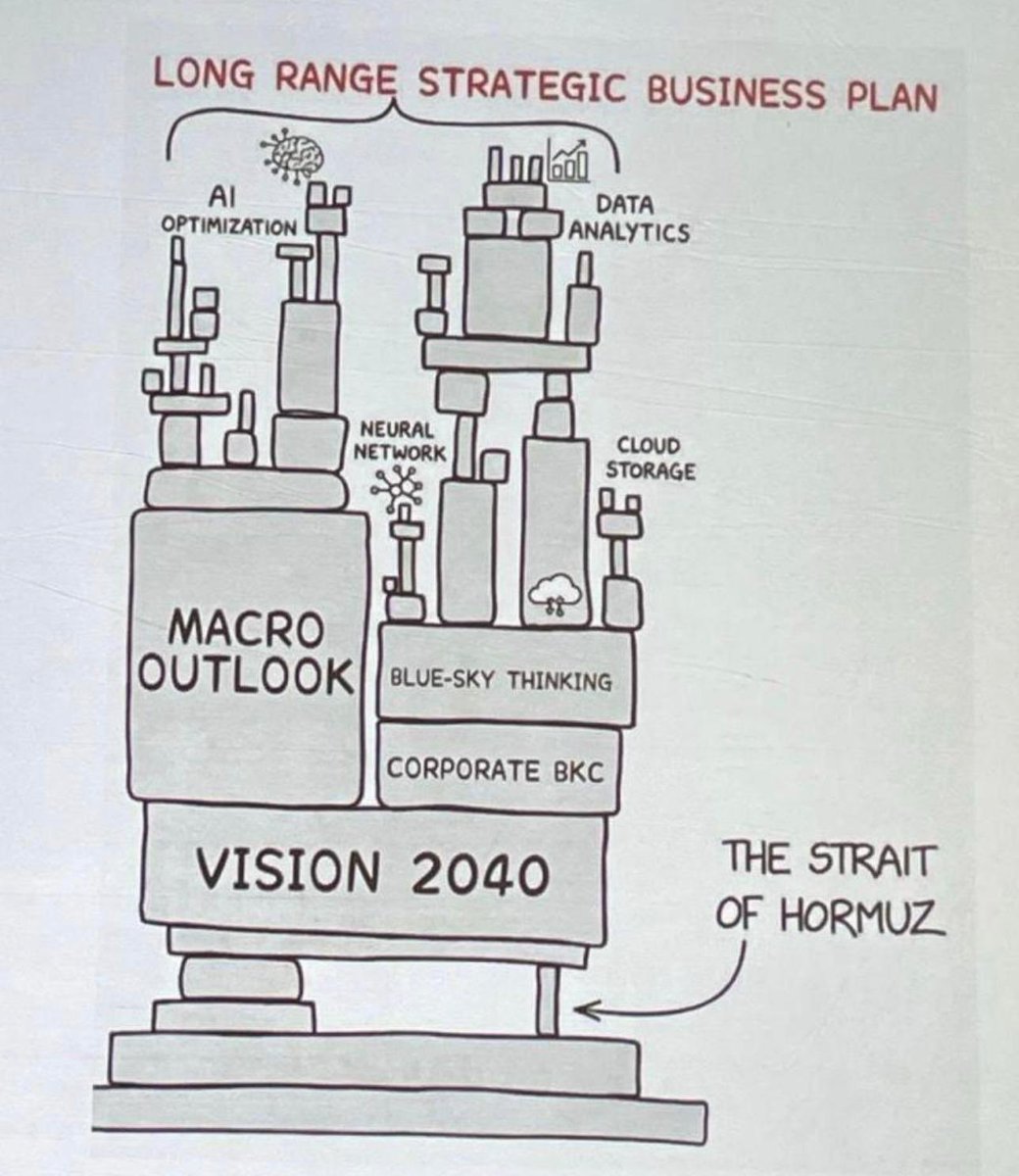
They're right for Japan, Korea, and Singapore. Those guys source 75% of refined products from the Persian Gulf. Hormuz closes, they bleed.
But Indonesia is a different story entirely.
Yes, Indonesia imports refined products. Pertamina's refining capacity doesn't fully cover domestic demand, so Pertalite and Solar get bridged through imports. The Hormuz shock hits that. Real exposure.
What makes Indonesia different is this.
Indonesia's actual risk from this isn't supply. It's fiscal. If oil prices spike because Hormuz stays closed, the government's subsidy bill for Pertalite and Solar expands. Wider deficit, rupiah pressure. That's the bear case for Indonesia, and even that's manageable.
The bull case is what nobody is talking about.
Indonesia runs B40 right now. 40% of every liter of diesel consumed domestically is palm oil biodiesel, not petroleum. When oil spikes, the incentive to push toward B50 or B55 gets stronger overnight. Import volume drops. Indonesia self-hedges using its own CPO supply. No other country in Asia has this. Not Korea, not Japan, not Singapore.
Then there's coal.
When Hormuz disrupts LNG and oil flows into Asia, the fastest lever available to power generators in Japan, Korea, and India is gas to coal switching. Indonesia is the world's largest seaborne thermal coal exporter. ADARO, ITMG, PTBA, BUMI don't suffer from this scenario. Export volumes go up. Realized prices go up. Royalty revenue to the government goes up.
Same logic on LNG. Indonesia exports from Bontang and Tangguh. When Middle Eastern supply gets disrupted, the spot premium on non Gulf LNG widens. Indonesian cargoes price up.
Same logic on CPO. High oil equals strong biodiesel demand globally equals strong CPO prices. Indonesia and Malaysia control 85% of global supply.
You see, Indonesia pays more for refined product imports. Fiscal subsidy pressure rises. Rupiah is a watch item. Those are real negatives.
But Indonesia earns more on coal exports, earns more on LNG spot, earns more on CPO, and reduces net petroleum import volume through accelerated biodiesel blending. The terms of trade move in Indonesia's favor, not against it.
The conventional take is "Indonesia is a net oil importer so oil shock is bad." The correct take is Indonesia is a net energy exporter in the commodities that directly substitute for disrupted Persian Gulf supply. A sustained Hormuz closure improves Indonesia's aggregate energy trade position, not deteriorates it.
Happy Sunday and Happy Easter.
Nasi + lauk datang sendiri.
Bayar yang dimakan saja.
Zero food waste.
Zero inventory system.
Margin 60–70%.
Warung Padang adalah startup yang tidak tahu dirinya startup.
Australian tech entrepreneur Paul Conyngham explains how he used ChatGPT/AlphaFold (spent $3,000 with no biology background) to create a custom MRNA vaccine to treat his dog’s cancer tumors. Unreal.
🚨Are you paying attention right now?
Someone just open-sourced software that can see you through walls.
PHEW! No cameras. Just your WiFi router.
> It tracks your exact body position in real-time
> It works through walls (superman type shi)
> It uses the WiFi signal you're connected to right now
And it's 100% open source, anyone can download it
You're sitting in your bedroom doing the unthinkable, thinking you have privacy because the curtains are closed.
Your router is snitching on you bruh.
Every move. Every room. All of that positions.
And the craziest part? this isn't new. MIT had this in 2018. The military's had it for years.
They just gave it to everyone for free.
Your home was never private. You just didn't know it yet.
We might have just witnessed the first real mind upload. 🤯
Scientists scanned a fruit fly brain neuron by neuron, synapse by synapse, recreated it digitally, and placed it inside a simulated body.
The fly walked. Groomed. Fed.
No training. No prompts. No learning phase.
The behavior was already in the wiring.
That’s not just neuroscience anymore.
That’s the first glimpse of digital minds.