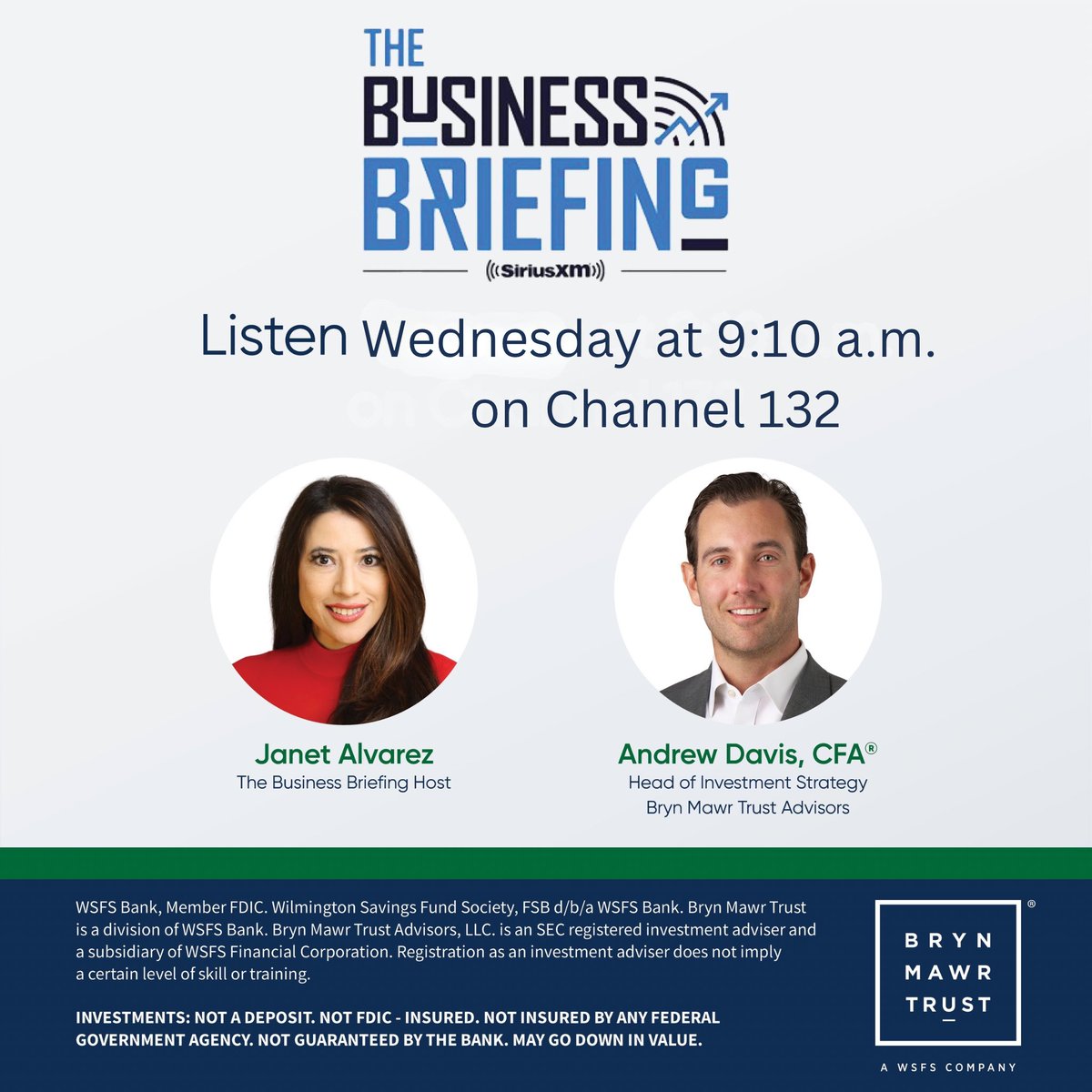
One thing I’d emphasize from this morning’s convo with @janetonthemoney, higher yields raise the hurdle rate.
When bonds offer attractive income, stocks have to work harder to justify valuations. That puts an even greater premium on what you’re paying for growth.
Good conversation with @janetonthemoney this morning.
One thing we didn’t get to: The next leg of returns may not look like the last one. Fundamentals remain healthy and a steeper yield curve can broaden the opportunity set. Don’t abandon the winners. Diversify beyond them.
Private payrolls +30k. Manufacturing hours held steady. And permanent layoffs remain contained.
This still looks more like a labor mkt that has stopped hiring than one that has started firing.
That distinction matters, for the consumer, the Fed and markets.
Low-fire, slow-hire is becoming more pronounced.
July payrolls fell and prior months were revised down. But unemployment is 4.1%, permanent layoffs remain contained and wages are still +3.2% YoY.
Cooling? Clearly. Cracking? Not yet.
Joining @janetonthemoney on @SXMBusiness this morning.
This earnings season is reinforcing that mkts are becoming more discriminating. Fundamentals and expectations are increasingly driving returns, not just macro headlines.
We’ll discuss what that means for long-term investors
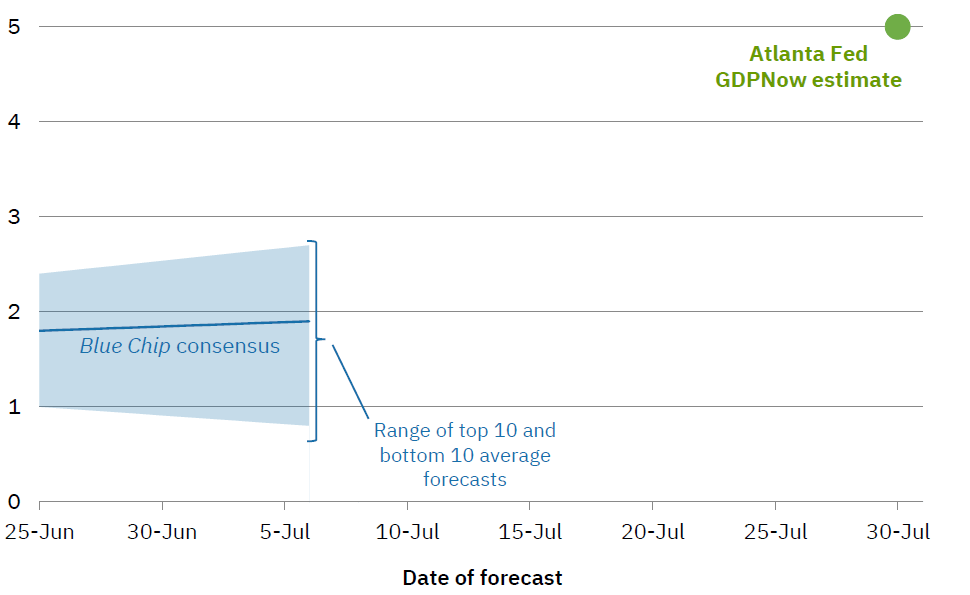
Markets react to headlines. Investors should focus on composition. Q2 GDP slowed, but underlying private-sector demand strengthened materially. Consumption and investment remain healthy, this is not a recession signal. The debate shifts back to inflation and rates, not growth.
Amazing that a rate hike today has become close to consensus among strategists even though futures imply ~36% chance.
The bigger story is that mkts are learning the Fed's reaction function. If so, Fed probabilities may be less a forecast of policy and more a gauge of positioning
And just like that July FOMC is no longer "live". Softer inflation, especially in core, services, and housing, means the bar for rate cuts remains high, while the bar for staying patient just got a little lower. Expect the Fed to remain flexible and in no rush to move.
Companies continue to grow earnings in a higher-rate environment.
If AI/automation help produce more w/o a similar increase in costs, the economy’s speed limit may be higher than many realize.
Enjoyed discussing this morning with @janetonthemoney
One underappreciated question from today’s jobs report:
Are traditional labor mkt surveys struggling to keep pace with an economy experiencing elevated business formation and labor mobility?
Payrolls were revised higher by a combined 93k jobs.
https://t.co/sonlzPzeZ7
Great discussion today w/ @janetonthemoney and @SXMBusiness on the "HOT & COLD" economy.
AI investment, capex & earnings remain strong.
Rate-sensitive areas remain under pressure.
That explains the mixed data, and why this still looks more like normalization than recession.
Markets have become more sensitive to inflation and interest rates lately.
But the key question is not simply whether rates are higher, it's why they're higher.
Two the Point - Higher Rates, Different Message https://t.co/TQ7KxYv1HU
Appreciate @phillymag turning this conversation into podcast format as well.
We discussed how geopolitical events and energy prices can ripple through inflation, consumer spending, and markets.
https://t.co/WiM2RWvjPC
Good discussion this morning w/ @janetonthemoney on @SXMBusiness.
The economy still looks more like normalization than recession, but the bar for markets is getting higher.
Watching:
- Wages/consumer
- Manufacturing
- AI capex/earnings
Expectation risk > Economic risk.