@Rakgadi_EM African women in general need to know that it's OK for them to be the way they are - to see the way they are as a strength, and to be liberated from fear and from silence. #PhakamaNkosazana
@KingTera8@Am_Blujay Well am pretty sure you are aware of instigating crime or violence can put you in prison your count will be attempted murder or murder watch your ways young man. You have a bright future ahead of you society still believes in you 😊
#NdebelesCommemorateMzilikaziDay#MzilikaziFounderOfNdebeleNation
Ndebele people in Bulawayo and elsewhere in and out of Zimbabwe are commemorating the 156th anniversary of the death of the legendary King Mzilikazi Khumalo, founder of their nation.
The commemorations - which celebrate Ndebele history, culture and identity - started this morning with a procession from Matshobane high density suburb to Bulawayo City Hall in town.
Bulawayo mayor David Coltart addressed the gathering, saying the commemoration was important and should be an annual feature of the city's calendar events.
There will also be further events and activities at Mhlahlandlela, one of Mzilikazi's four ancient capitals along Old Gwanda Road, 22 kilometres south of Bulawayo, named after Zulu King Shaka's old capital (some historians try to deny this well-established historical fact, just like they would like to mislead the nation on who Mzilikazi's mother was).
Mzilikazi and his successor son King Lobengula left an indelible mark in Zimbabwean history and Bulawayo identity.
Their footprint is big and visible.
Many suburbs, schools and roads, as well as other public facilities and amenities, in Bulawayo, for instance, are named after Mzilikazi, his family and clan, as well as lieutenants.
For example, there are many suburbs including Matshobane, Khumalo, Lobengula, Famona, Njube, Nguboyenja, Nkulumane, Magwegwe and Gwabalanda, to name a few, and schools such as Mzilikazi, Lobengula and Lozikeyi, as well as some roads by their names.
Mzilikazi, widely considered a legendary historical figure and nation-builder through hard and difficult times by his own people and others, including his opponents, broke away from Shaka in 1821 and trekked up to Zimbabwe where he established the Ndebele nation in the southwest.
He was a top Shaka military commander.
Mzilikazi left Zululand with other Nguni military generals at the time like Soshangane (who went into Mozambique and parts of eastern Zimbabwe) and Zwangendaba (Zambia, Malawi and Tanzania) after Shaka had conquered the Mthethwa Clan under Chief Dingiswayo and the Ndwandwe led by Zwide KaLanga.
Due to sustained pressures of Shaka's Mfecane wars, some Ngunis and other ethnic groups were pushed out to neighbouring countries, including Eswatini, Lesotho, Botswana, Zambia, Malawi, Tanzania and Zimbabwe, which has enduring marks of that migration and settlements.
Mzilikazi, born in 1790 near Mkhuze in present-day Zululand in South Africa, died on 5 September 1868 following a long period of ill-health, but his death was kept a secret by his chief councillors and some of his queens who were with him at Emanxiweni.
A cart was brought at nightfall and the King's body taken to Mhlahlandlela near Matopo Hills where on 9 September his death was revealed to the Ndebele nation.
After his death and there being no heir apparent, Regent Mncumbatha Khumalo was appointed.
Some Ndebeles, including the Zwangendaba Regiment under Mbiko KaMadlenya Masuku, hoped Nkulumane was still alive in South Africa and opposed King Lobengula's ascendancy.
A bloody fight subsequently
ensued, from which Lobengula's forces emerged victorious.
Lobengula ruled until he was ousted after the invasion of Bulawayo by the colonial British South Africa Company Pioneer Column forces in 1893.
He disappeared after the historic Shangani Patrol and Major Wilson's Last Stand in December 1893 at the height of the Anglo-Ndebele War.
The battle was recently monumentalised by President Emmerson Mnangagwa's government.
Ndebeles, who are a mixture of Ngunis - mainly an offshoot of Zulus - and other tribes, are part of Zimbabwe's 15 ethnic groups which include Shona,
Chewa, Barwe, Kalanga, Khoisan, Nambya, Ndau, Shangani, Sotho, Tonga, Tswana, Venda and Xhosa.
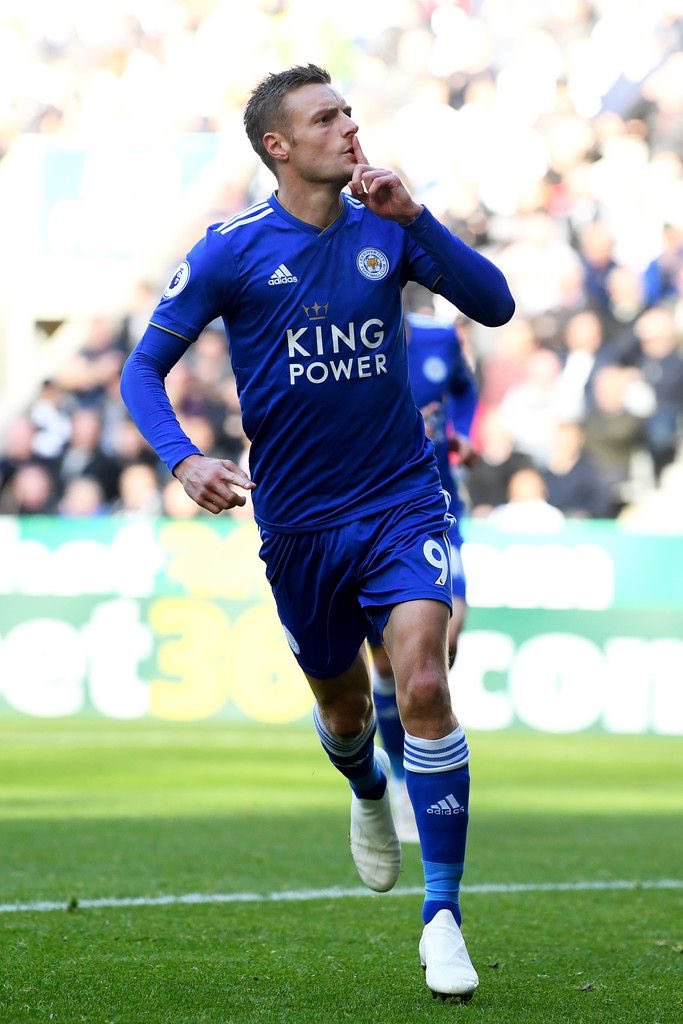
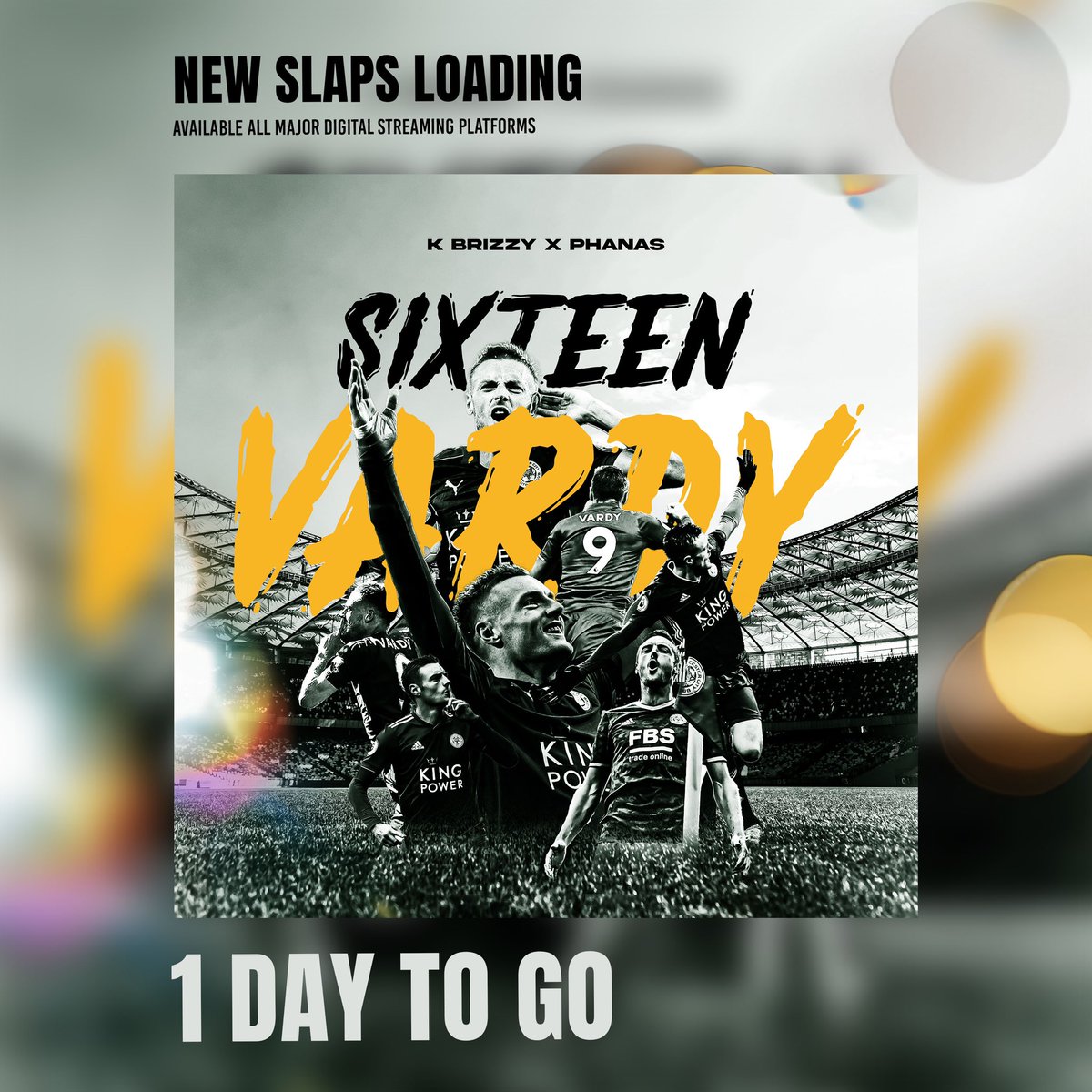
Did you know Jamie Vardy didnt go professional until age 25. His Premier League debut was at 27. Yet by 33 he was a league winner (5000-1 underdog odds), breaking records for fastest goal, most consecutive goals, & goals against the big 6.
NEVER WRITE OFF A LATE BLOOMER 🌺