That's the point, some japanese people don't want to receive "gratitute", since they don't make it possible to pay
Besides, "japonese people" my butt.
Piracy is targeted towards american content too, you're dishonest if you think it's only you.
And japanese people pirate their own stuff as much as here, even when you have options, unlike us.
"Solo nos importan los ingresos de Japón. No es una obligación. "
⬇️
No venden sus productos fuera.
⬇️
Pirateamos para poder verlo.
⬇️
Se quejan del dinero que "pierden" que nunca iban a recibir por no vendernos.
⬇️
Les explicas que pirateamos porque no tenemos el producto disponible.
⬇️
"Solo nos importan los ingresos de Japón. No es una obligación."
🔁
¿Al final nuestro dinero les importa o no? Es el mismo argumento en círculos donde no se deciden.
El productor japonés Yu Mashiro respondió a los lectores extranjeros que exigen traducciones oficiales y justifican la piratería cuando no las reciben: el manga se crea pensando en Japón, y son las ventas de ese país las que deciden si una serie continúa o termina cancelada.
Mashiro explicó que la industria pasó de sorprenderse por el interés extranjero a no entender por qué algunos lectores tratan las traducciones como una obligación. Publicar un manga fuera de Japón implica adaptar referencias culturales, rehacer viñetas y asumir costos que muchas veces ni siquiera se recuperan.
Pero los problemas no terminan en el dinero. Mashiro recordó cómo las versiones en inglés de "Crayon Shin-chan" americanizaron su humor, cómo se inventaron términos de ciencia ficción inexistentes en "Gundam" y cómo algunos traductores alteraron diálogos para introducir sus propias opiniones personales.
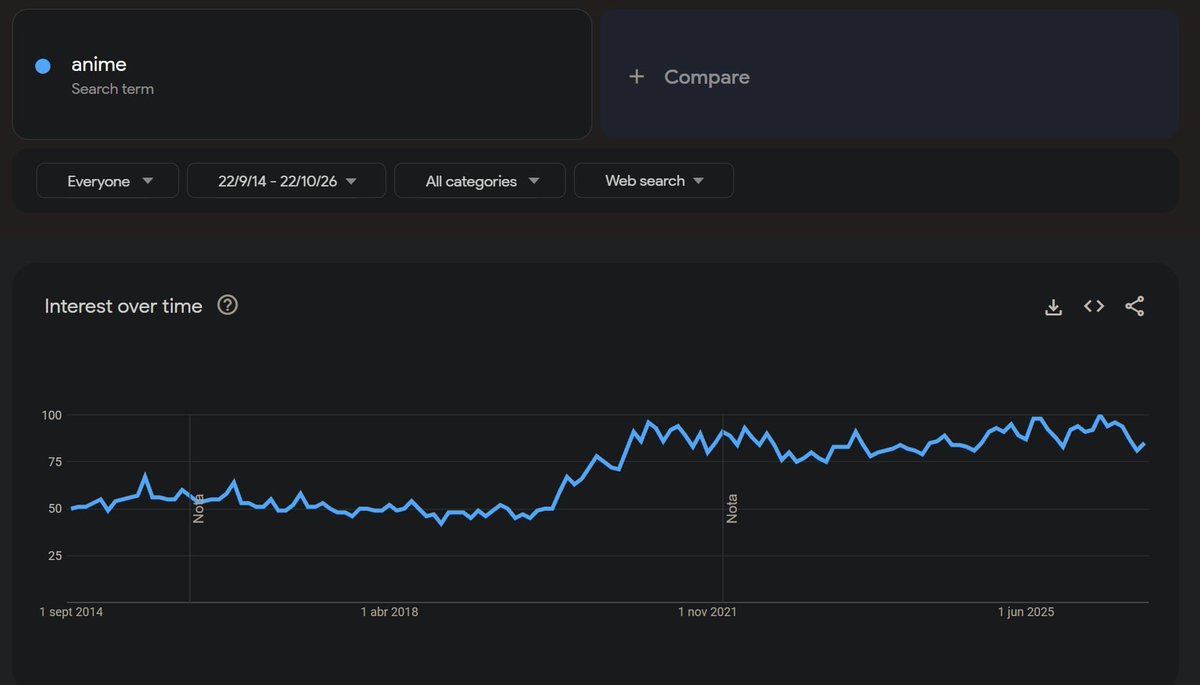
@ssadX197 I really wouldn’t use this graph that much, since the Japan thing might be inflated due to foreigners using VPN set in Japan for better access.
@ChibiReviews Because anime got popular in 2019 according to Google trends.
2019 being the same year where the west became paranoic since certain someone was discovered in certain Island.... Just saying.
Where have I insulted Japanese? I specifically criticize where they don't sell their games internationally, but complain about losing profits they wouldn't have anyway.
I fully support creators who make games available worldwide. Example, I used to play a pirated version of Blacksouls. But when Toro officially released it with an uncensored patch, I bought the official game twice on Steam and DLsite to support him.
I love your culture, I will always defend its freedom of expression.
But this is the one thing where I will never understand you.
Nobody is giving up in consuming the products they love. We are willing to give you money. If you reject it, then we're not limiting ourselves.
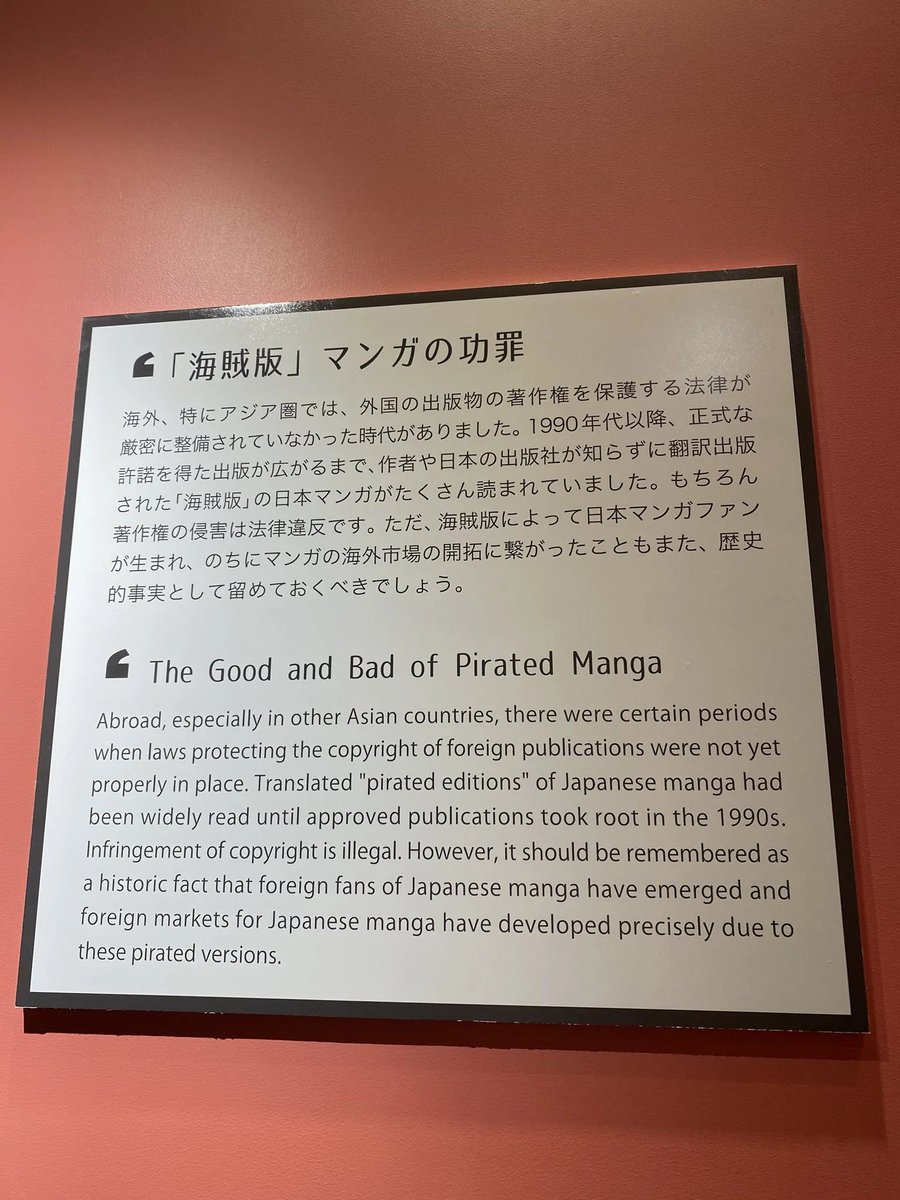
Sure, too much piracy is bad. But so it is too much corporative bootlicking like you do. Even in your own Kyoto Museum, you acknowledge piracy as something with advantages too.
@71911Frank I wouldn’t call it right, I would call it a neccesary evil.
It's just sometimes it's the only way for people who love anime/manga/visual novels to enjoy the hobbie they love.
I mean, I don't think I need to be there when a lot of japanese people prove why you shouldn't have blind trust on companies, like this artist who didn’t receive money from his japanese bank.
https://t.co/oFNR5fyGDJ
They're companies, not perfect angels. Some can be good, some can be bad, thus why you shouldn't have blind trust.
@Rocoroc24634639 "Trust"? My guy, Japan has arguably piracy as bad as the US according to sources.
And besides, aren't Japanese creators exploited by corporations? If there is so much trust, why does Japan have a specific word for death by overwork (karoshi)?
I don't believe in God, which is why I think people should enjoy their hobbies as much as they want in their unique lives.
With this mindset, I've defended your culture multiple times from censorship, like the one credit card companies do.
If Japan doesn't make it available to sell, we won't waste years of uncertainty sitting on our butts hoping you make it available to enjoy stuff we love.
@yuki073 I tolerate translation mistakes and I dont nitpick too much, but if the translation and censorship is too horrible, I would just make an attempt to find an unofficial patch to use on the legal game.
If there's no patch and my only option is piracy, then piracy it is.
@yuki073 If by "slightest" you mean not having an english translation? Then yeah, I would just pirate it.
Aside of that, I pay legally for crunchyroll. And I've bought over 50 japanese games in Steam and Dlsite.
@gyoutok I told you, I have no guilt.
If no options are available to sell, then yes, the morally good thing is to pirate it.
You didn't answer my question, I won't lose more time with your quotes.
You're not answering. You based off your entire morality in the law. So what about this?
https://t.co/CEiuKZI3iO
Are you going to pretend you haven't challenged laws that intended to censor anime the whole time? Where's your "law is indisputable" there? I'll give you one last chance to answer it. Stop avoiding the question.
"The small and medium creator" never intended to make money selling it to me. Thus, there's literarelly 0 loss for the creator if I pirate it.
You haven't acknowledged any "merit".
Also, stop moving the goalpost and answer my question.
Aren't you people there always challenging laws that intend to censor anime/manga? Did you see places like Dlsite giving up when credit card companies told them to censor themselves? No, they made up their point system to preserve everything, regardless of what the big corporation says.
So stop expecting me to be submissive to laws or big companies, when not even your own people do it.