My first paper about the effects of the applied warming rate and the timing of nutrient addition for the growth and stoichiometry of a natural phytoplankton community is published in L&O! 🎉
https://t.co/rMTZlIWzCw
@MarenStriebel @AhmeAntonia @GerhardMiriam@Uwe_AWIgenomics
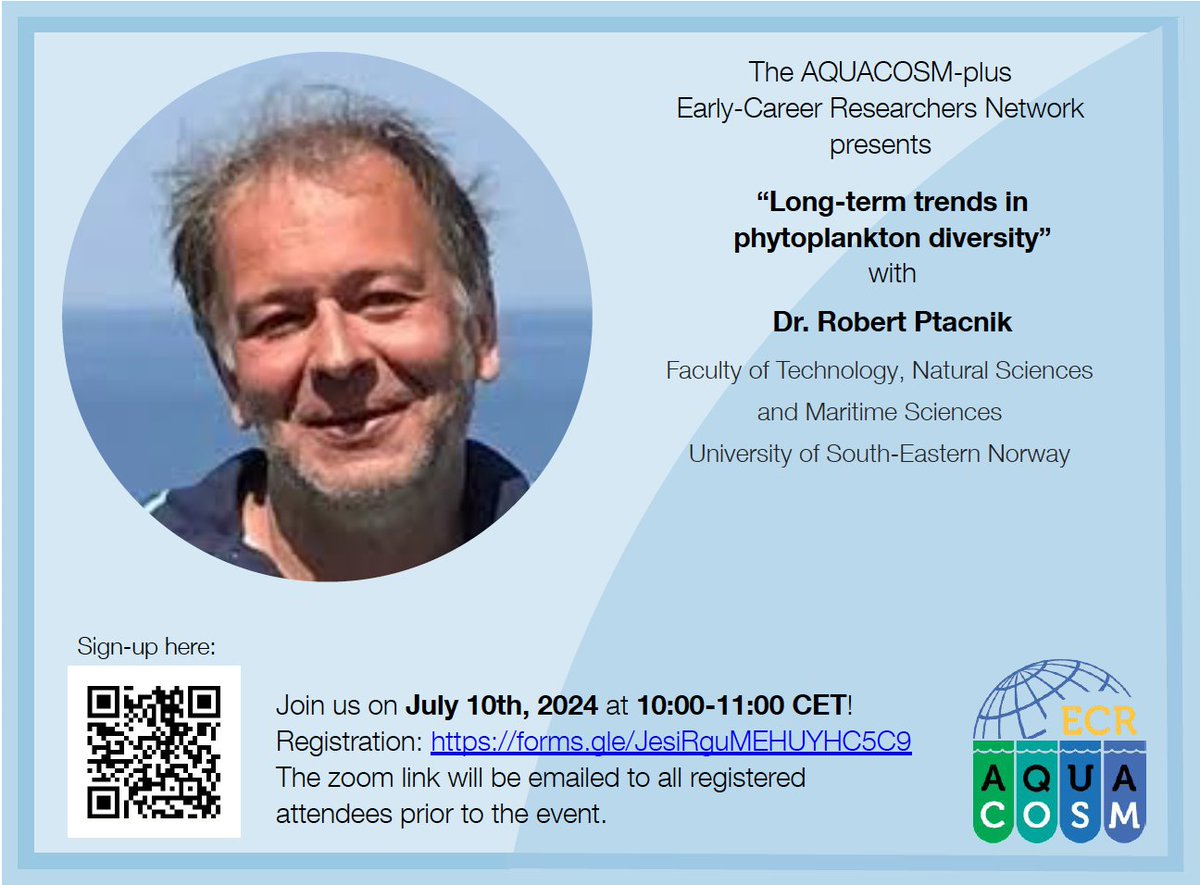
Next week, we will be hosting Dr. Robert Ptacnik to present his work on the long-term trends of phytoplankton diversity in a free online webinar. Come join us!
📅 July 10th from 10:00-11:00 CET
🗝️ Please register for the event here: https://t.co/x3oWjxzvps
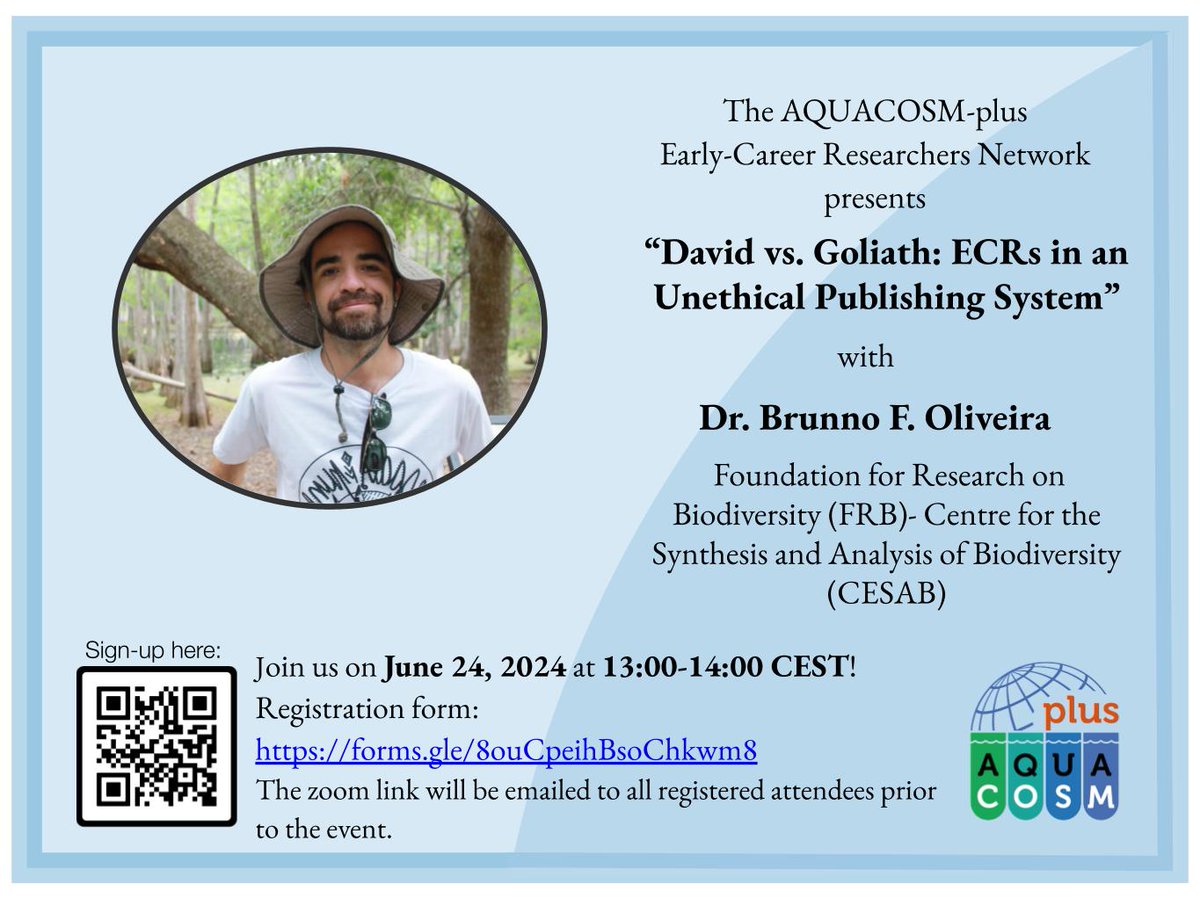
We will be hosting Dr. Brunno F. Oliveira to discuss his recent Ecology Letters paper (https://t.co/HdQqpCZEch) about ECRs in an unethical publishing system. Join us for this free event!
🗝️ Register here: https://t.co/Vn8zsmxVNT
📅 24th of June, 13-14:00 CEST
ACTNOW held its 1st Annual Meeting in mid-May in Lecce, Italy! Hard to believe that it has already been one year of dedicated, interdisciplinary marine science. Read more about the meeting in our news feed over on the website!
🔗 https://t.co/SV2qwEJWka
@NIOZatSea@EU_MARE
Excited to see the first publication from our first @aquacosm#mesocosm experiment out now - „Warming increases the compositional and functional variability of a temperate protist community“ led by @AhmeAntonia! 🧬🌊
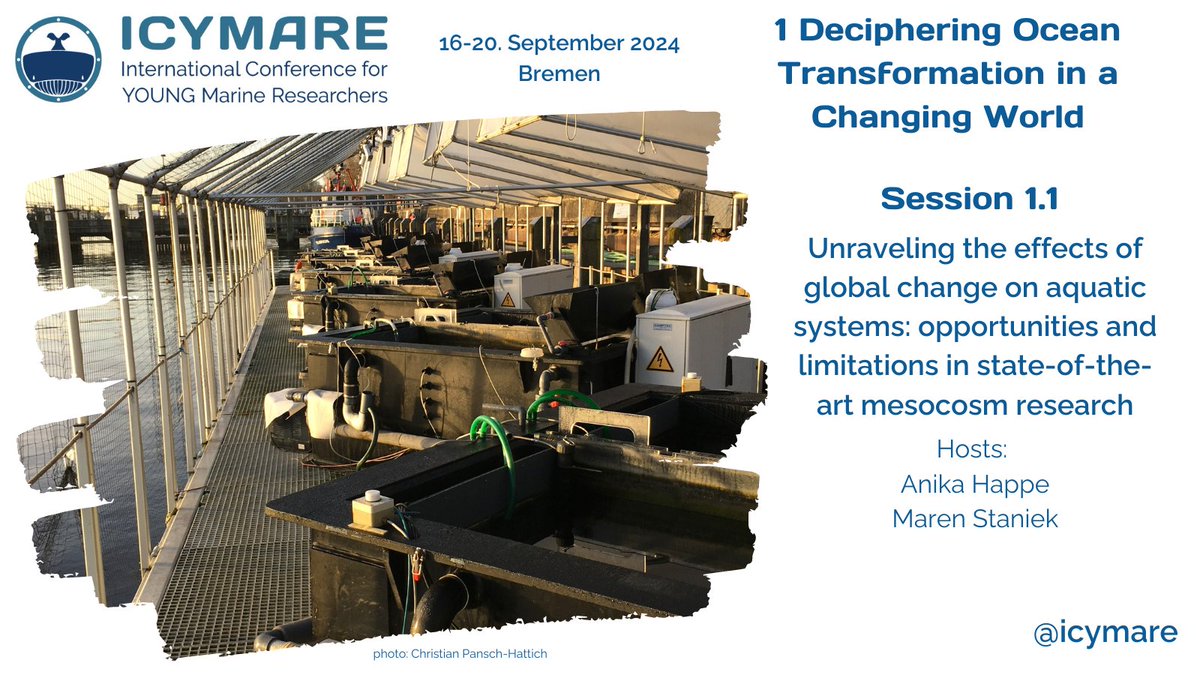
Our first Session in Topic 1 is hosted by @AnikaHappe from @ICBM_uol and Maren Staniek from @AWI_de and all about “Unraveling the effects of global change on aquatic systems: opportunities and limitations in state-of-the-art mesocosm research” @MERGE_ECR
https://t.co/RJ28uUXxHs
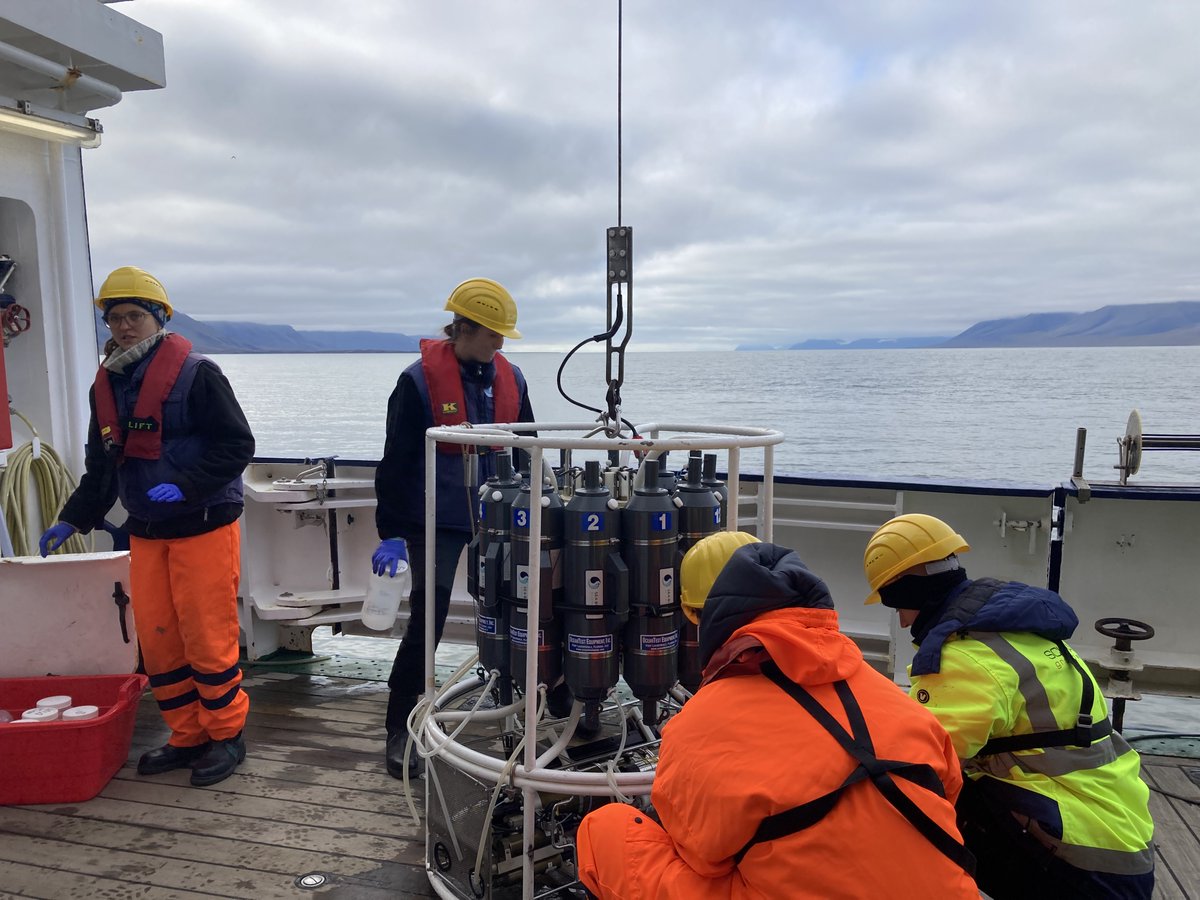
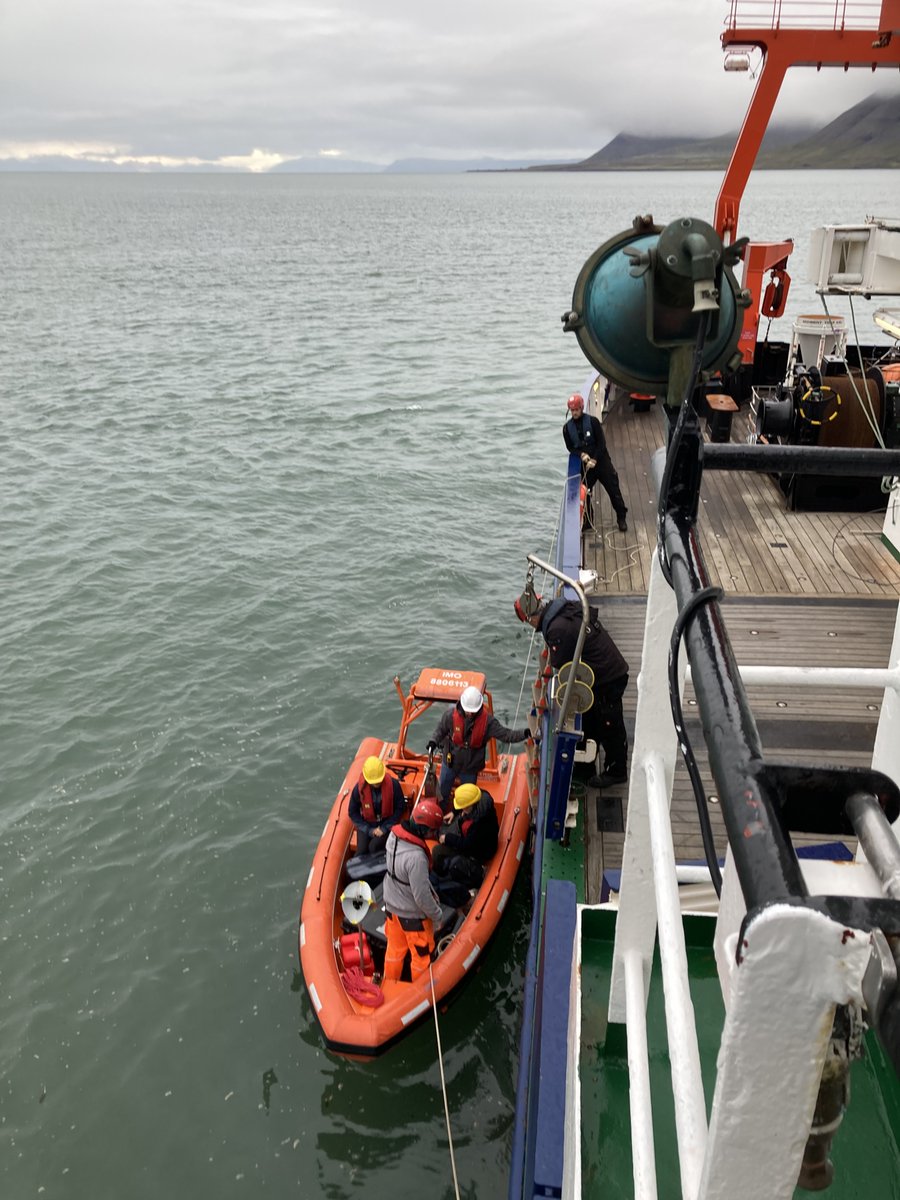
FJORDChange HE627 RV Heincke: We got the touch and breath of the Arctic. Unforgettable visit to Rijpfjorden (Svalbard). Filmed by Joe @Joxsjourney @AWI_Media@UniOslo @HIFMB_OL @ICBM_uol@NIVAforskning
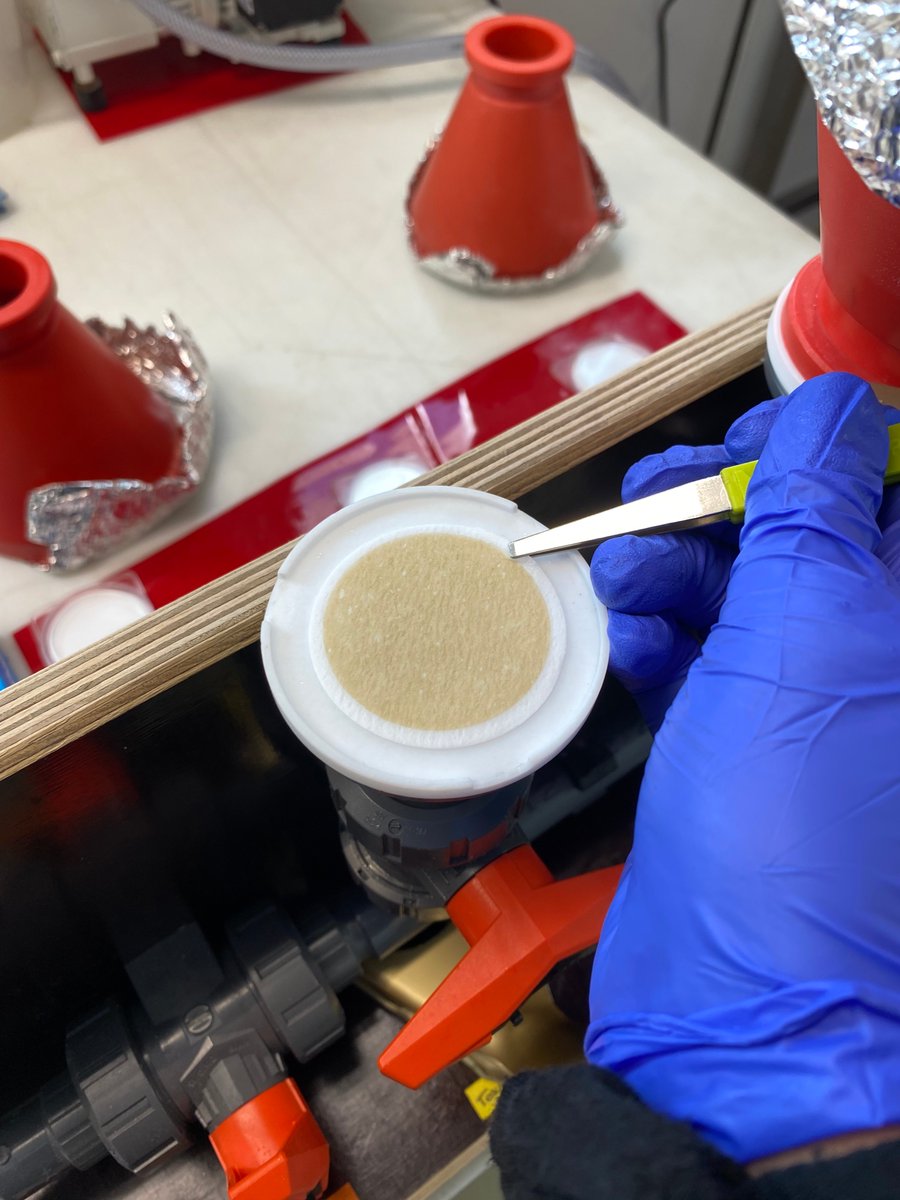
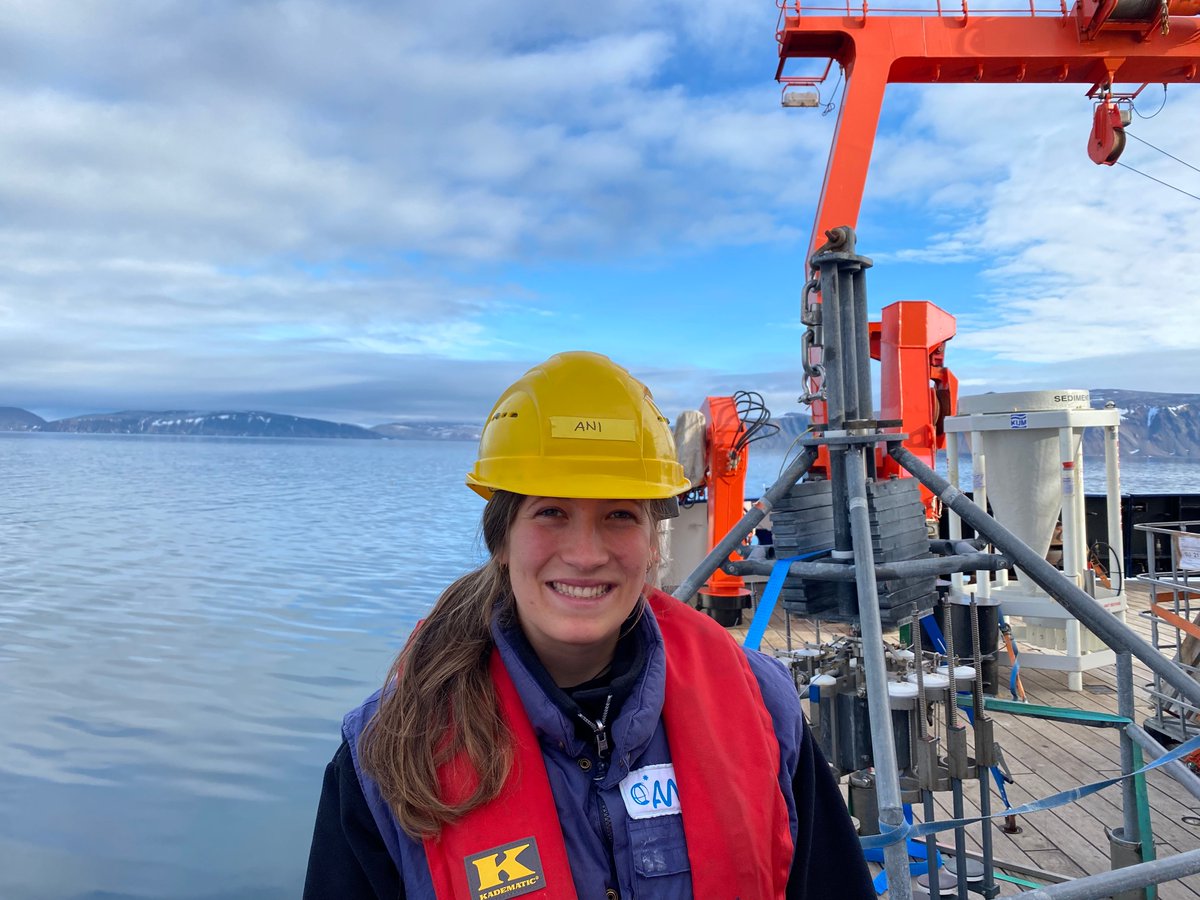
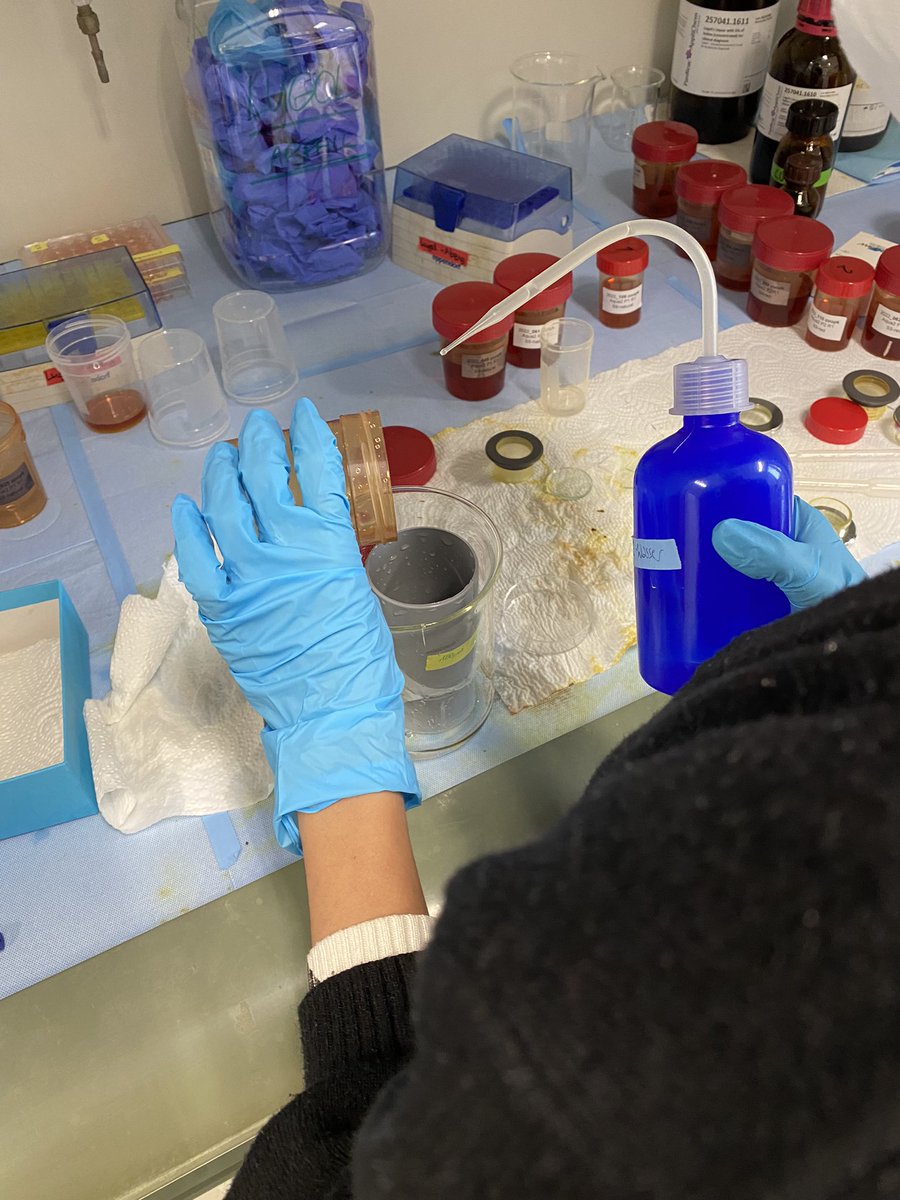
FJORDChange HE627 RV Heincke. @AnikaHappe filtrates arctic water for getting insights into arctic phytoplankton communities (DNA), what they are doing (RNA) and what their cellular nutrient conditions (POC, PON) look like! @AWI_Media@UniOslo @HIFMB_OL @ICBM_uol@NIVAforskning
FJORDChange HE627 RV Heincke. Everything labelled and organised. We had to complete our team in Longyearbyen but now it can finally start…the sampling: plankton net, CTD, pump, MUC, mooring etc. @AWI_Media@UniOslo @HIFMB_OL @ICBM_uol
Looking back at two great days at the @HIFMB_OL symposium with a mind filled with #biodiversity thoughts! Super inspiring invited talks, fun improv theater at the icebreaker and peeking into a creative SciArt sound project and some exhibitions at the great museum venue.
It was exciting to present some results of our @SITESAquaNet@aquacosm experiment in the gigantic auditorium at @aslo_org! I’m happily looking back to an incredible train/ferry journey from Bremen to Palma, co-hosting a #mesocosm ECR workshop and listening to many great talks!
The planned TA project @SITESAquaNet is a follow-up to the experiment I participated in this summer in Sweden. By simulating the same run-off scenarios in spring 2023, the upcoming experiment enables a comparison between seasons and different starting communities.
We are pleased to announce the opening of the first Transnational Access calls for 2023!
We fund scientists, students, and industry professionals to participate in our experiments!
Starting with an experiment @SITESAquaNet about 1/2
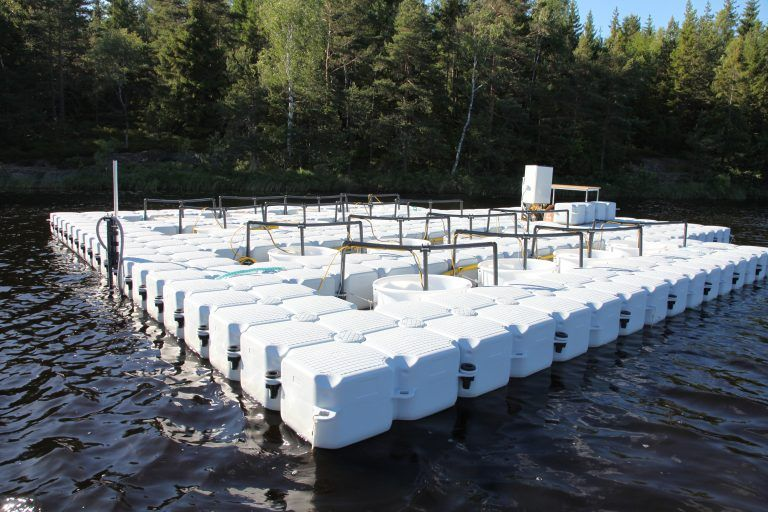
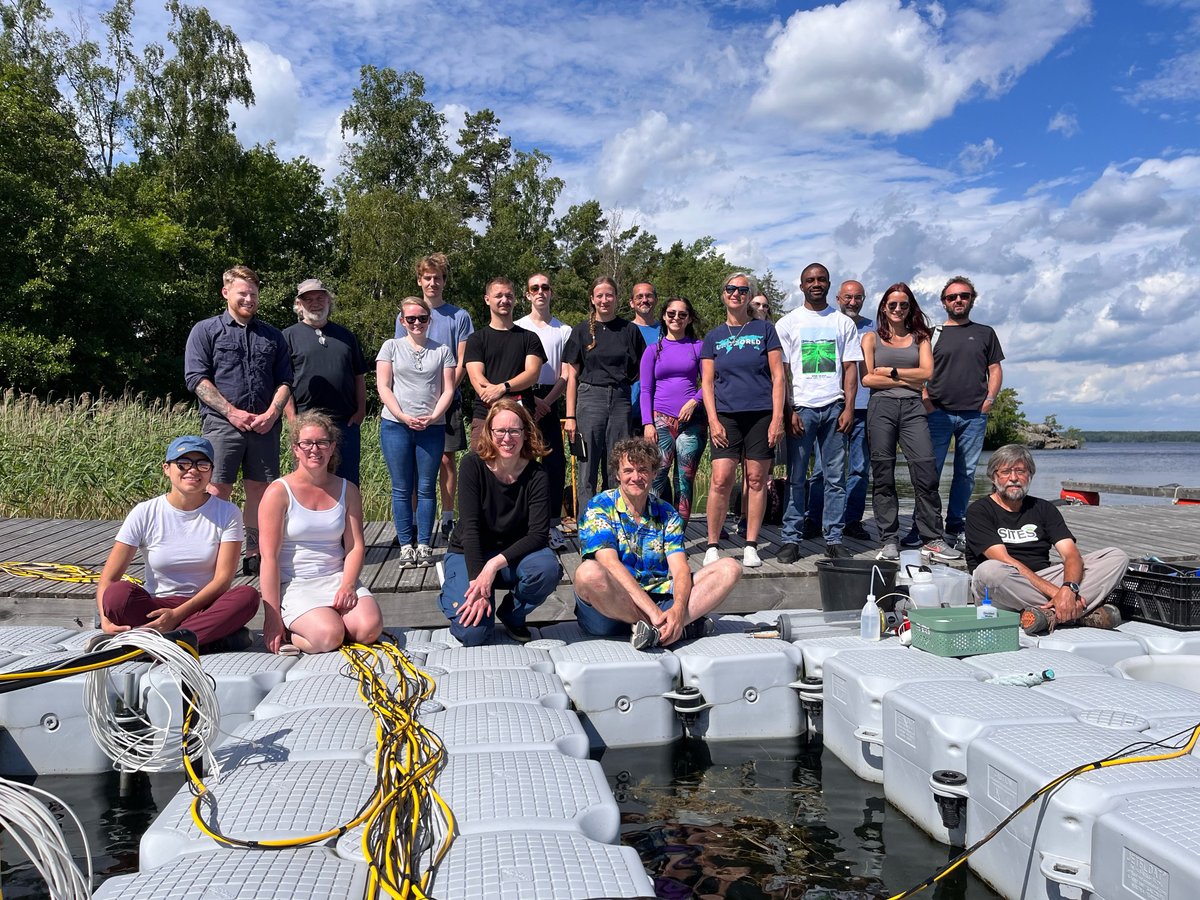
@aquacosm-plus TA experiment using the @SITESAquaNet infrastructure at Lake Erken and Bolmen finished in Mid-August. The experiment investigated functional and compositional consequences of run-off variability.📸@matildaleaa
Read more here: https://t.co/kk83BcLKIy
I had a great week at @icymare! Talking to so many fellow ECRs and presenting the concept and some preliminary results of our first @aquacosm experiment. Thanks to @AhmeAntonia for hosting the session. More info on our project: https://t.co/6qsiaphDzP
Our next @aquacosm exp. decouples the deterministic and stochastic fluctuations in temp. and light for a freshwater plankton community in the @Planktotrons. Are you interested in bacteria or theoretical modeling within this project? Apply until 15/08: https://t.co/1nEz7Aq9LR
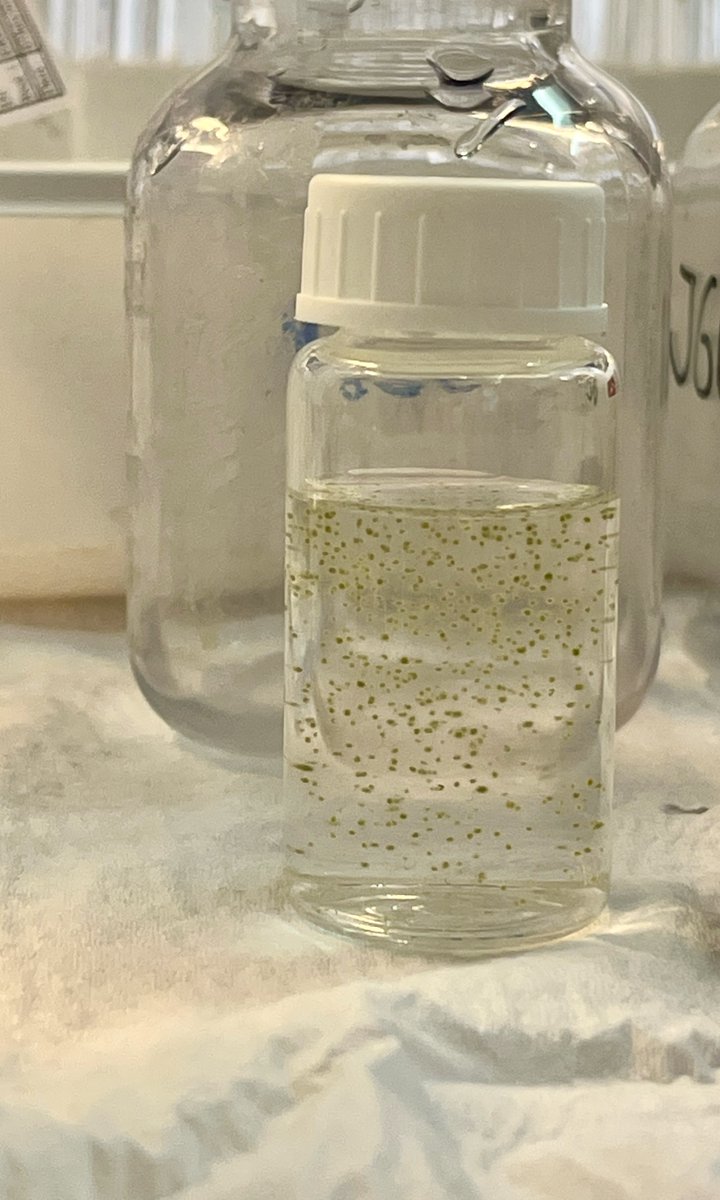
You can’t always see what is being filtered out with your naked eye, but Lake Erken has a genus of cyanobacteria called Gloeotrichia which forms large colonies which can be easily spotted. Here they are captured by a filter, suspended in water, and photographed using a FlowCam.
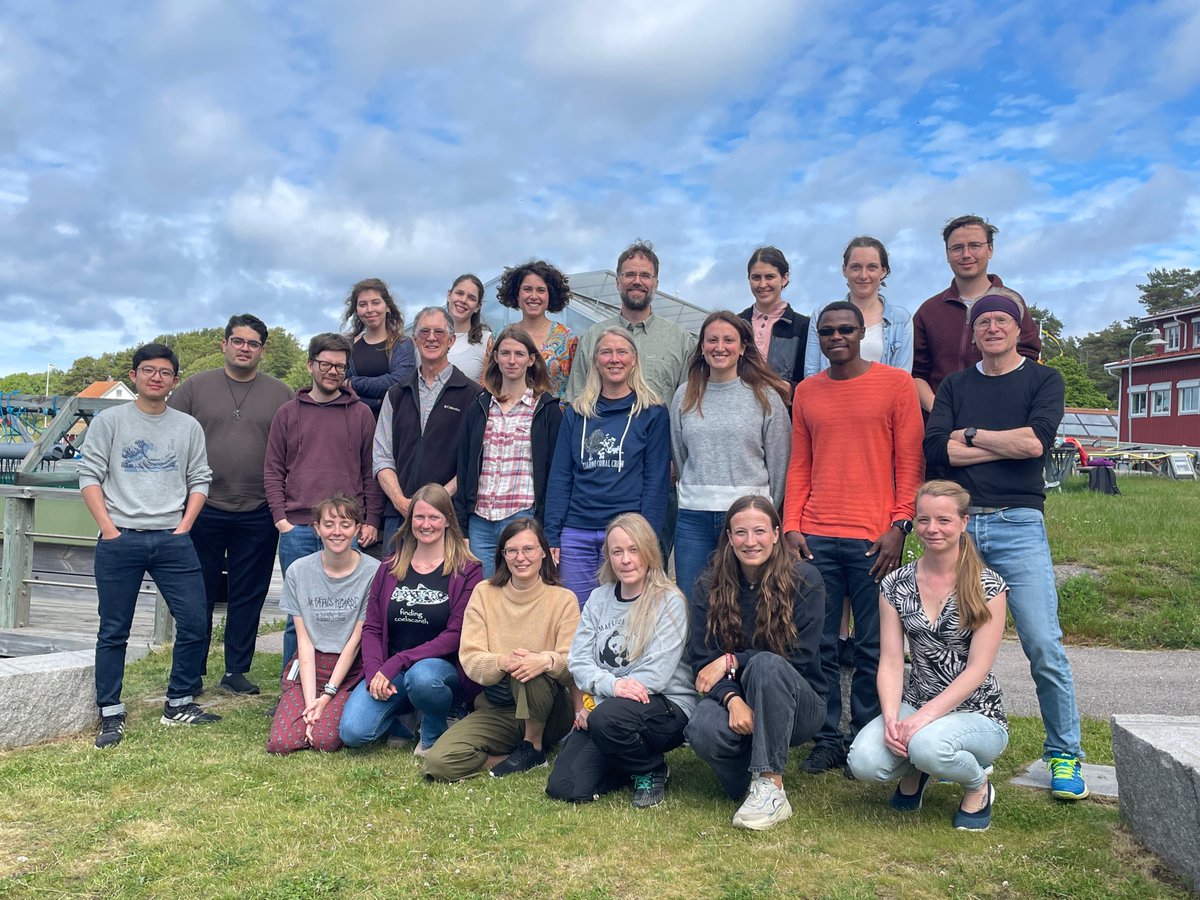
Yesterday the Erken Laboratory hosted the kick-off of this year’s @aquacosm project, welcoming researchers of all career stages from across Europe. The study will focus on the impacts of pulse nutrient additions from runoff which are expected to increase with climate change.