Our mission is to advance excellent teaching in American schools through the development and distribution of multimedia resources for teaching and learning.
The Annenberg Learner Podcast is now live! This new series focuses on the lived experiences of educators, parents, and students within the public #education system. Listen to the first episode with @TwoBitCircus's @LeahHanes: https://t.co/OBSYFDF3Zy.
With deeply heavy hearts we mourn the passing of Wallis Annenberg – a true visionary and spirited innovator who forged her own groundbreaking philanthropic path for the good of others.
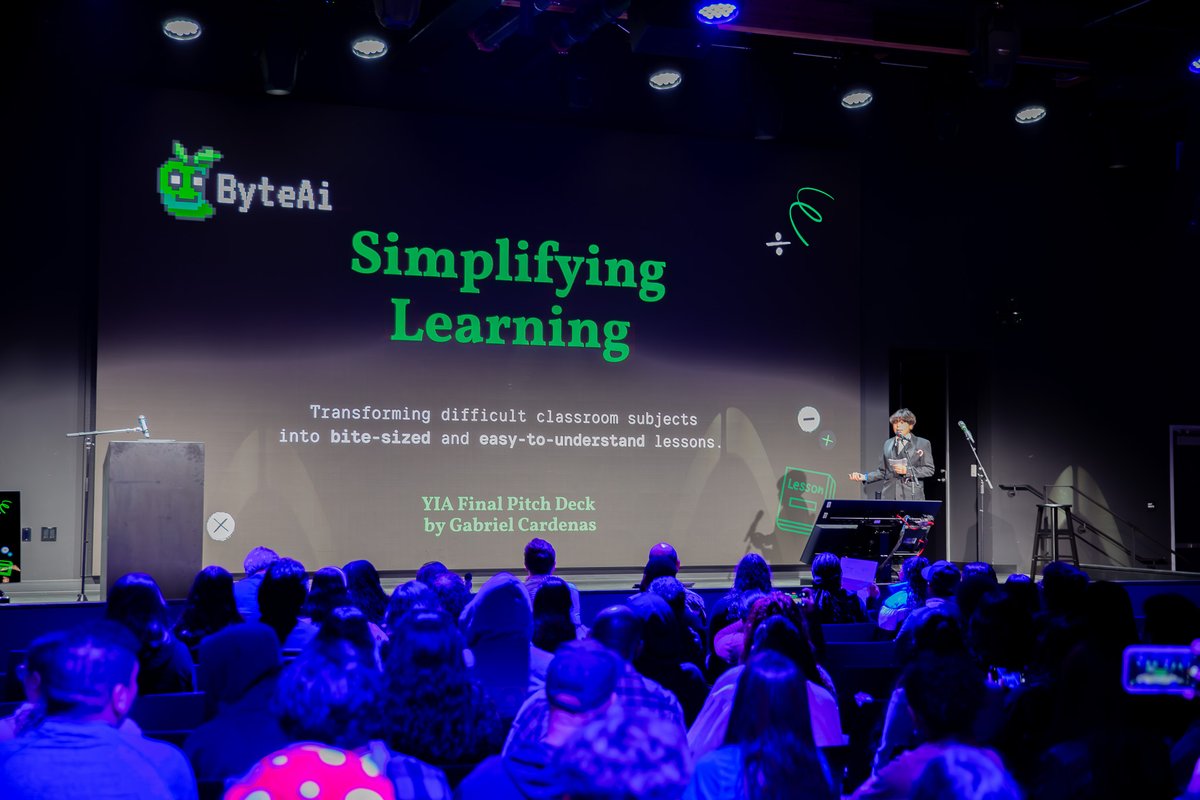
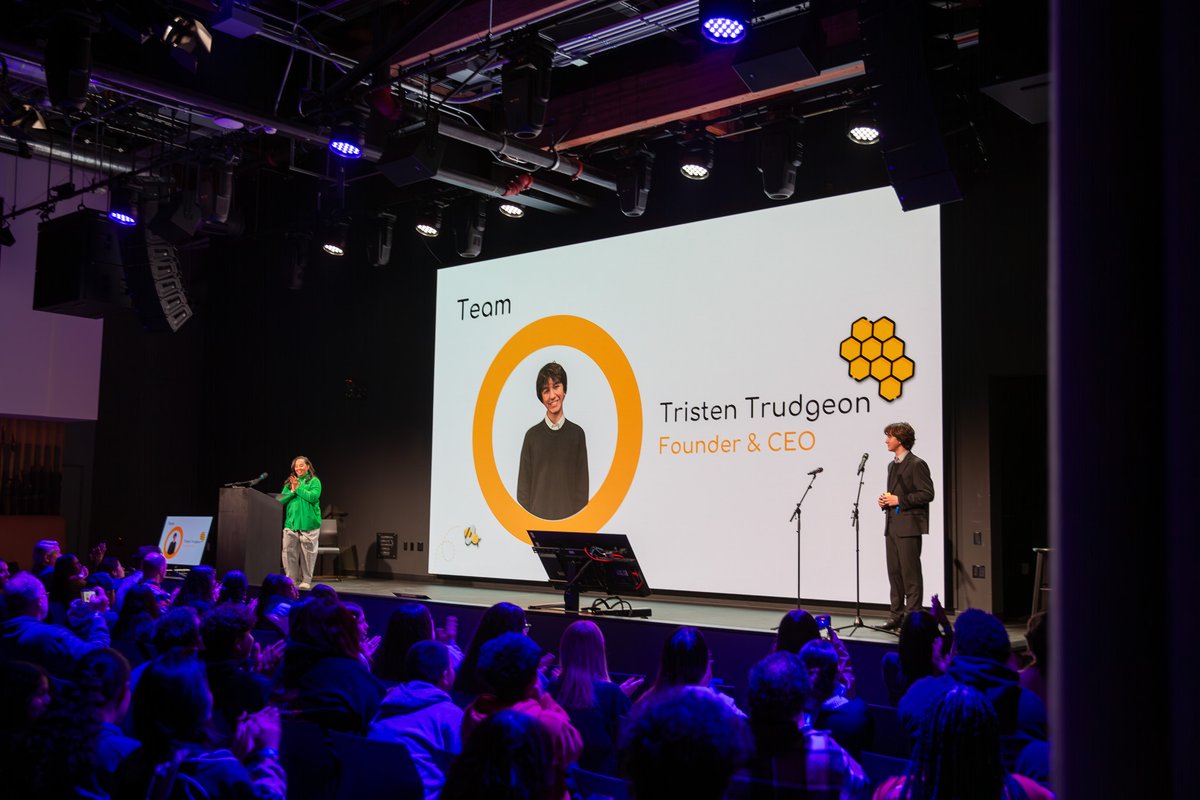
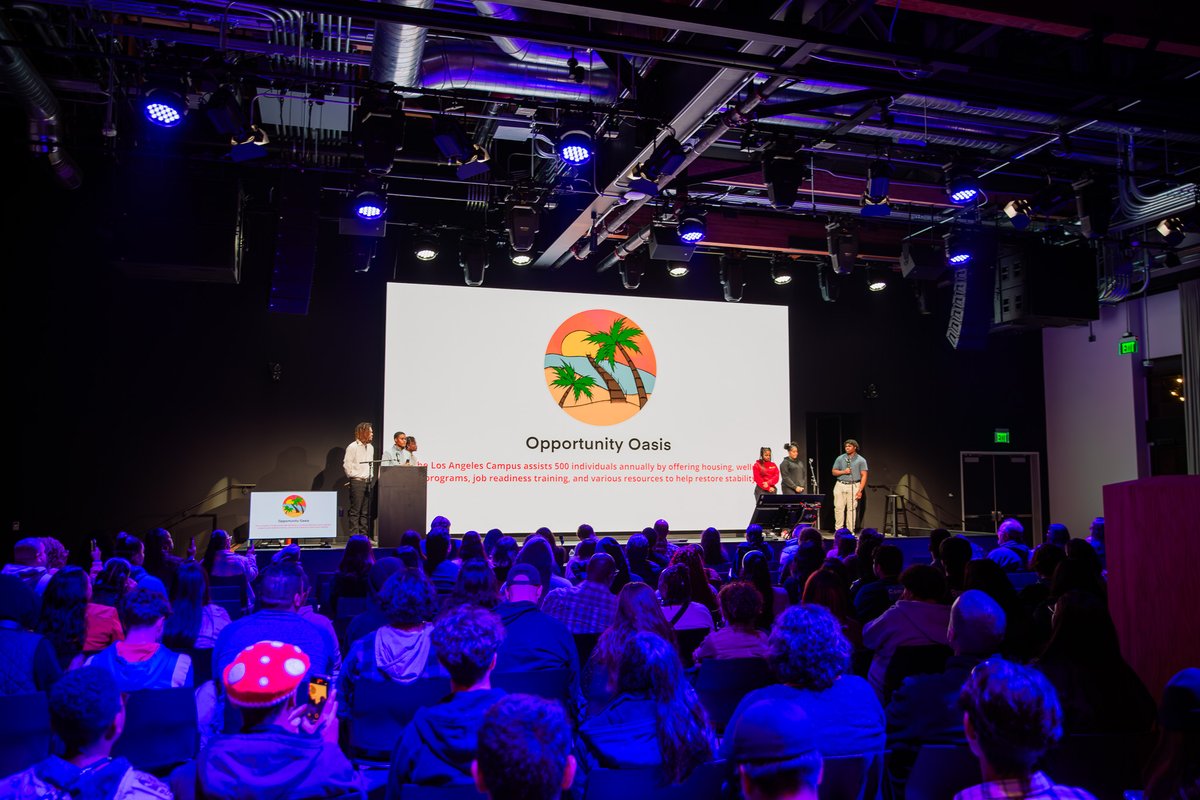
What a night! #AnnenbergTech, in collaboration with @AnnLearner and in partnership with @Greaterlaedfund and @BestBuy, recently hosted the second annual Young Innovators Accelerator (YIA) pitch competition at the Spotify Mateo Campus: https://t.co/RYsXSdQ8js.
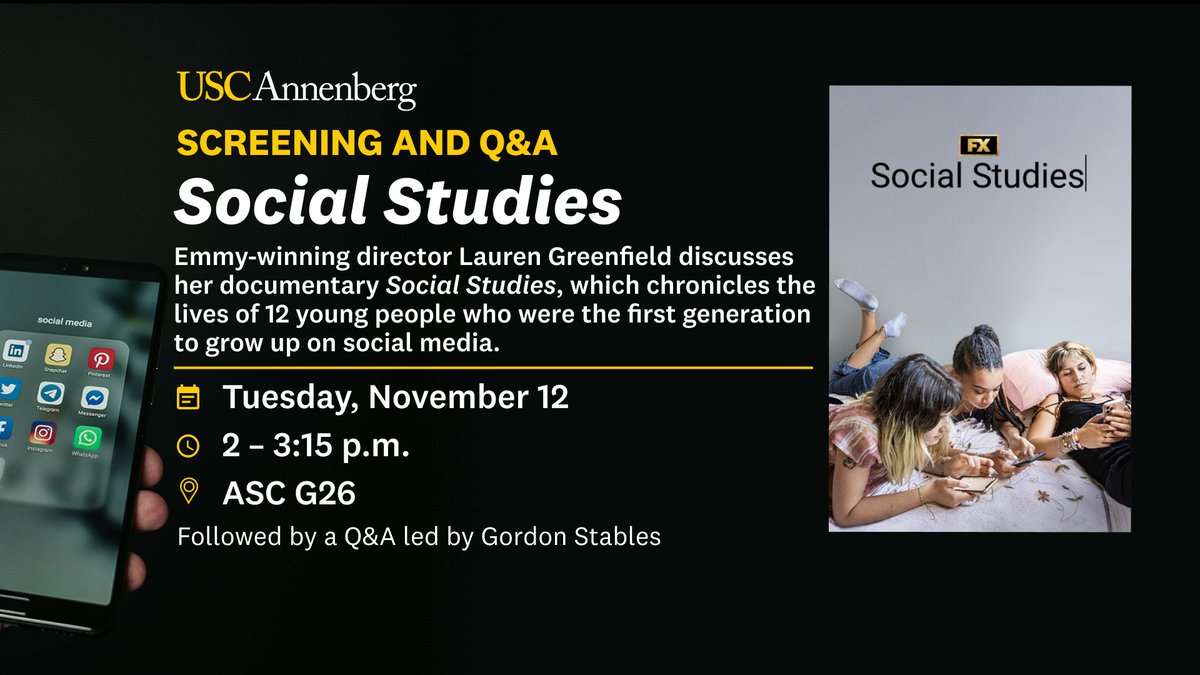
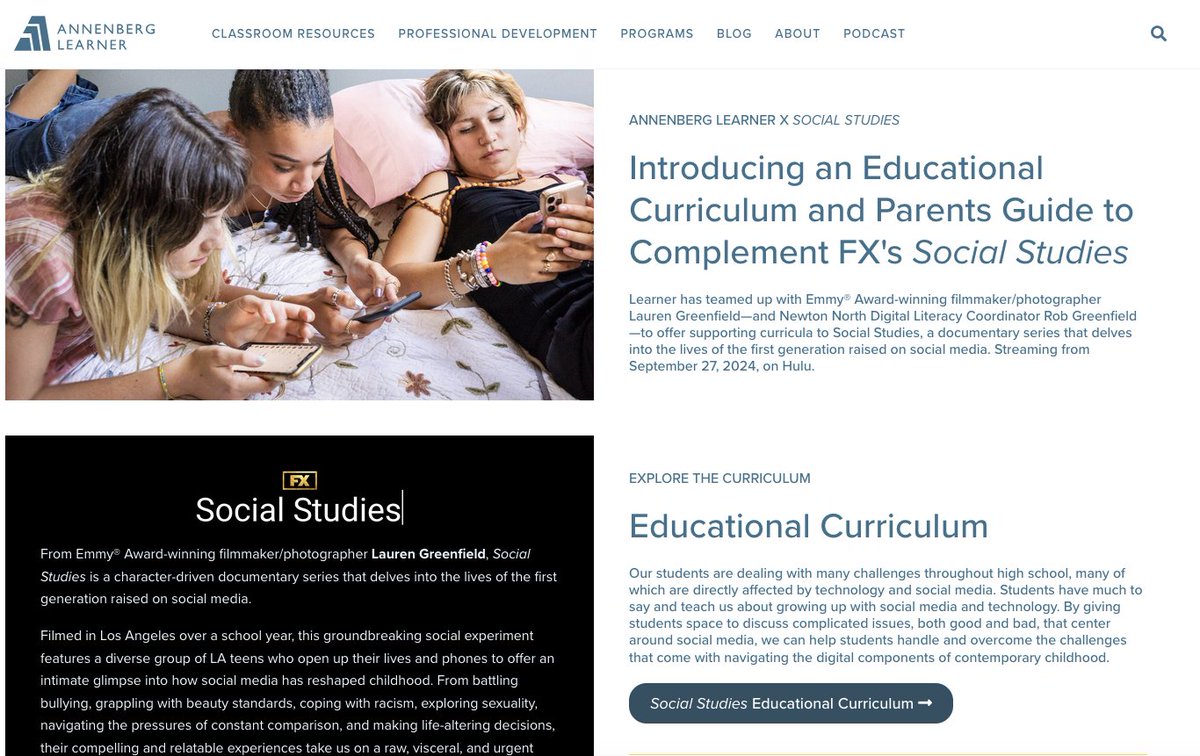
What’s it like growing up on social media? Join Emmy-winning director Lauren Greenfield (@lgreen66) on Tuesday, Nov. 12 at 2 p.m. for a screening of “Social Studies” to find out. Then, ask your questions in a Q&A led by #ASCJ’s Gordon Stables. RSVP: https://t.co/9DSoO008zU
I am excited to announce that we have partnered with the @Annenberg_FDN and Annenberg Learner on a 23-topic educational curriculum and parent resources to complement my first doc series, SOCIAL STUDIES. https://t.co/9ciGmaP09S
#socialstudiesfx
Opinion: The Currys’ recent announcement is laudable, but won’t work without investments in tutor training programs, writes Nati Rodriguez.
https://t.co/YdUKriW51Z
Rodriguez is program director of @AnnLearner at @Annenberg_FDN.
@StephenCurry30@ayeshacurry@eatlearnplay
Introducing Stitch! The first-of-its-kind searchable database designed to help parents, educators, and schools find programs for LA youth. Stitch connects students with exciting learning opportunities that enrich their lives. Check it out: https://t.co/zKtoqsKL0L
#Ecosystems are complex, with each species affecting others. In the "Ecology Lab" created by @AnnLearner you'll build an ecosystem to explore species’ interrelationships and their impacts, enhancing your understanding of ecological balance. https://t.co/GtRZSLbNK2
The new season of the @annenberglearner podcast is here! Hear our conversation with @missytesterman, who talks about her passion for supporting ESL students & meeting President @JoeBiden Listen here: https://t.co/NVQ8tUsTJB!
Get ready for a new season of the @AnnLearner podcast! This season, we’re bringing you guests from diverse backgrounds, each with a unique story to share. Follow Learner to stay updated on new episodes, available on Apple Podcasts and wherever you listen to your favorite shows!
Going back to school can bring up big worries for kids, but talking about concerns — and feeling supported — can help. Here are some tips to make your back-to-school conversations more productive and less stressful for everyone.
Be realistic about challenges
Glossing over your child’s challenges can leave them feeling unheard and be a missed opportunity to talk about what’s really worrying them: What if I fail again? What if I can’t do it? What if I have to talk in front of the class?
Acknowledge your child’s struggles and be direct — and strategic. Think about what’s traditionally been difficult for your child. Past troubles can provide a roadmap for future support. Give your child the chance to talk through any concerns and work together to brainstorm solutions:
• “I remember how hard math was last year. But we know a lot more about what you need to do well now. When you’re ready, let’s make a plan!”
• “Let’s talk to Mr. Dean and let him know you don’t like being called up to the blackboard.”
Take worries seriously
Remember, issues that might seem silly to you can be very serious to your child. Worrying they won’t have any classes with friends, seeing a former crush in the hall, finding out they have another class with a teacher who “Hates me!” — all of these can be sources of real stress.
Instead of brushing worries away, take care to validate kids’ feelings and give them opportunities to talk about what’s troubling them. Asking open-ended, non-judgmental questions can help kids open up, and make it easier to share worries.
• “I can’t believe you’re starting 5th grade this year. How do you feel?”
• “Are you excited to be back in school?
Talk about the good stuff
Helping your child remember some of the good parts of school — activities or classes they like, favorite teachers, friends they’ve missed over the summer — can help fight negative thoughts and temper stress. Try encouraging kids to compare notes on topics like these:
• What did they miss about school during summer vacation? Seeing friends? Getting the good cookies at lunch? Play rehearsals?
• What are they looking forward to? Starting a new subject? Joining a team? Decorating their locker?
Whatever it is, make sure to make it part of your back-to-school conversations.
Don’t push
The urge to check in, even when your child isn’t responding, might be more about your own anxieties than your child’s needs. Try to manage your own expectations, and if your child isn’t ready to talk or doesn’t seem engaged with the conversation, that’s okay. You’ll have plenty of opportunities for conversations as the year goes on. For now, just knowing you’re there, and that you love and support them, can be enough.
For more of our back-to-school resources:
https://t.co/v1s7dy3TrN
Here are some ways that parents and caregivers can stop the summer slide and help kids keep learning, so they are ready for the new school year https://t.co/EpU8xcfcIE