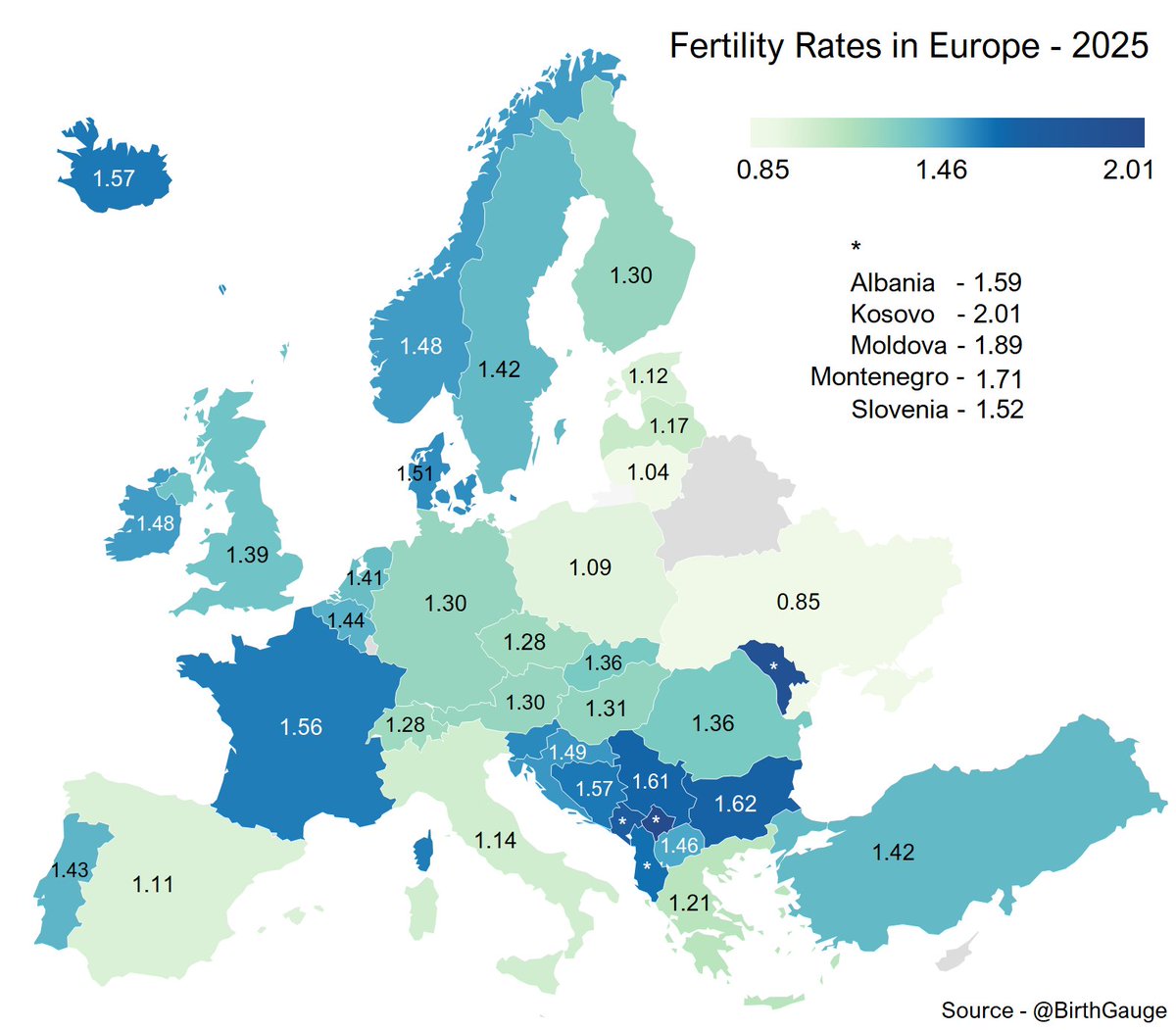
"What should be done to contend with trends deeply embedded in modern lifestyles?
...
'Baby bonuses' incentivising couples to have children are another option that may arrest the slide — but only if sufficiently generous."
https://t.co/HbbAa1RDtp
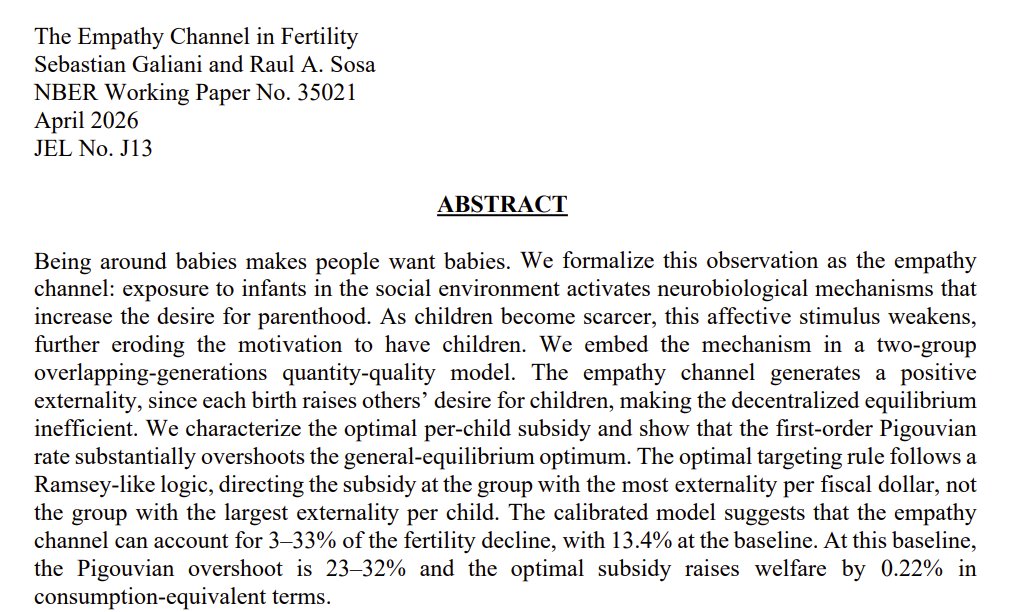
'Being around babies makes people want babies. ... As fertility declines and infant exposure falls, the conditions that sustain the desire for children weaken, and the decline can become self-reinforcing.' @nberpubs
Vauvabonus voi hyvinkin olla fiksu idea, mutta @AnnaRotkirch on oikeassa lapsiperheiden marginaaliverotuksen kiristämisestä. Se olisi todella hölmöä tässä tilanteessa. https://t.co/x1ZhCNawn9
Do baby bonuses actually increase fertility in the U.S.? We study the first-ever U.S. baby bonus (Rx Kids in Michigan) finding immediate effects on fertility. New paper w/ Ben Jaros: "Do Baby Bonuses Increase Fertility? Evidence From Michigan" https://t.co/6VQ1CnXIjo. A Thread 🧵
“ 'Think about it all the time'. Reproductive cues in a late and low fertility setting" is out in the Vienna Yearbook.
I use the wistful & witty Charli XCX song to discuss our evolved ways to detect the right -- and, notably, wrong -- times to have a baby.
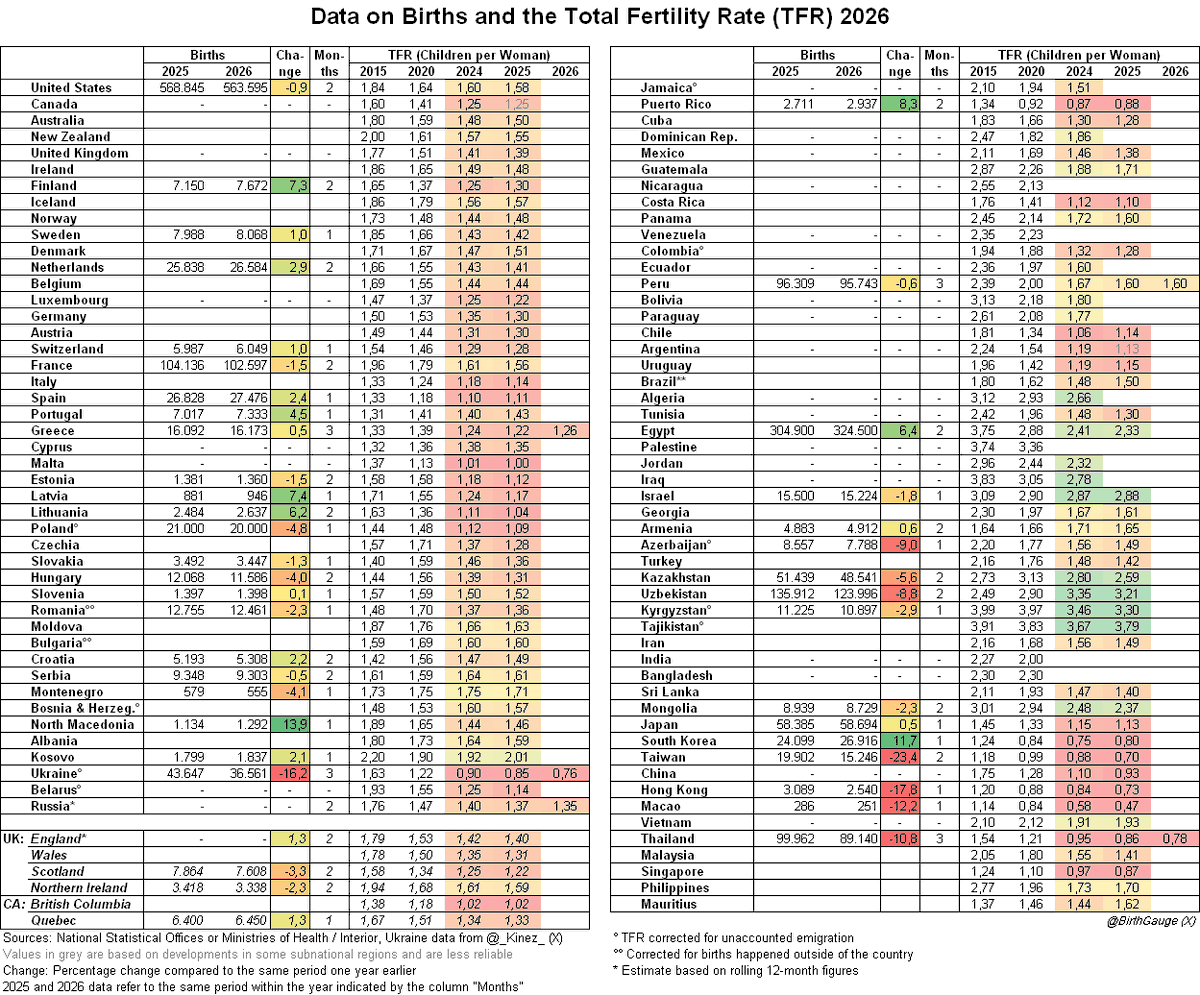
So far in 2026, births in the United States and most of Europe are stabilizing. Some countries are even showing slight recovery.
Meanwhile across much of East Asia, births continue to be in free fall. Many Asian countries have a fertility rate below 1.0 now.
There were on average 2.3 persons per household in the EU in 2024. 🏠👨👩👧
Highest number of people per household in:
🇸🇰Slovakia (3.1 persons)
Lowest in:
🇱🇹Lithuania and 🇫🇮Finland (both 1.9 persons)
Read more👉https://t.co/O3B2OmqJjs
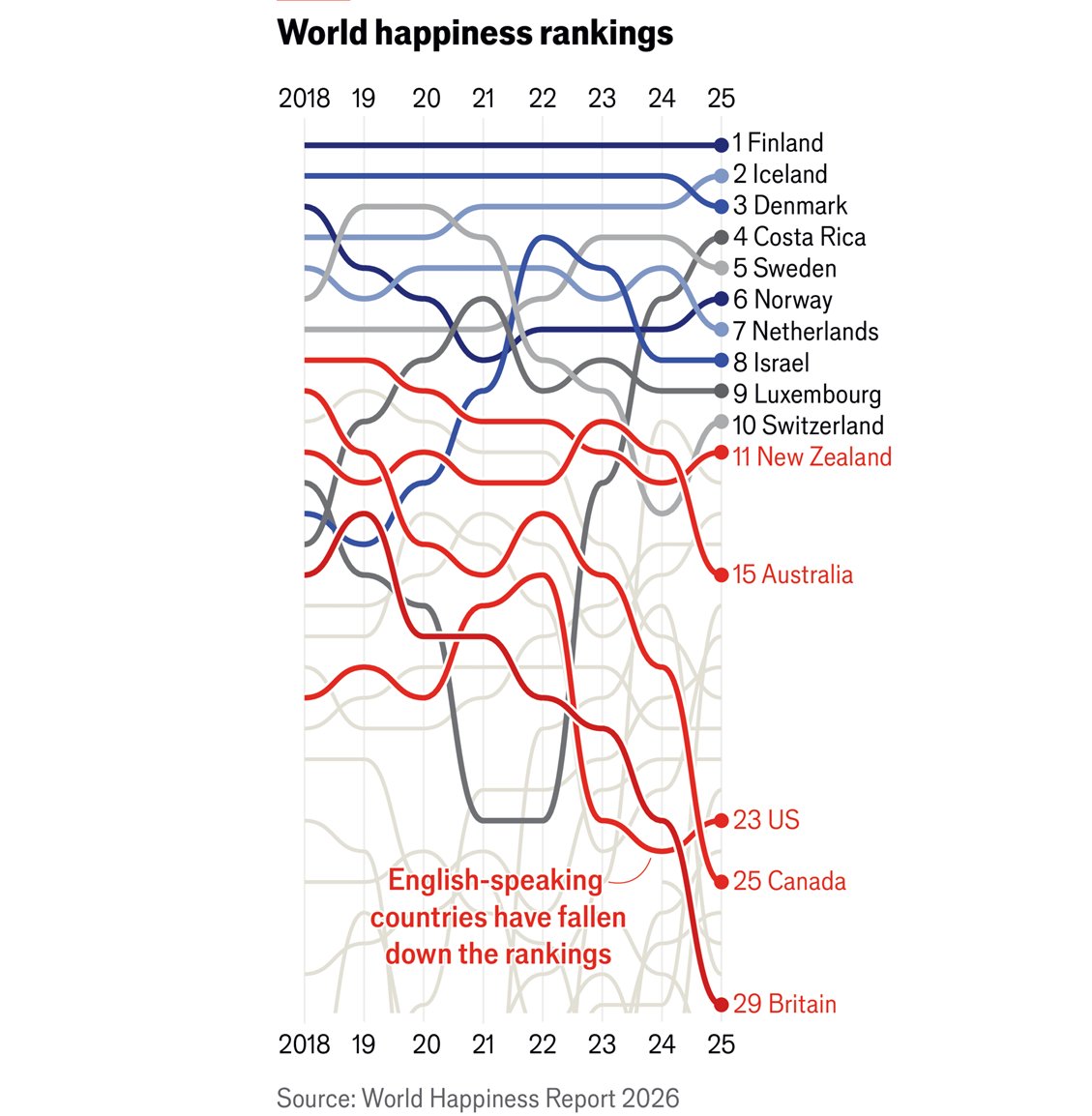
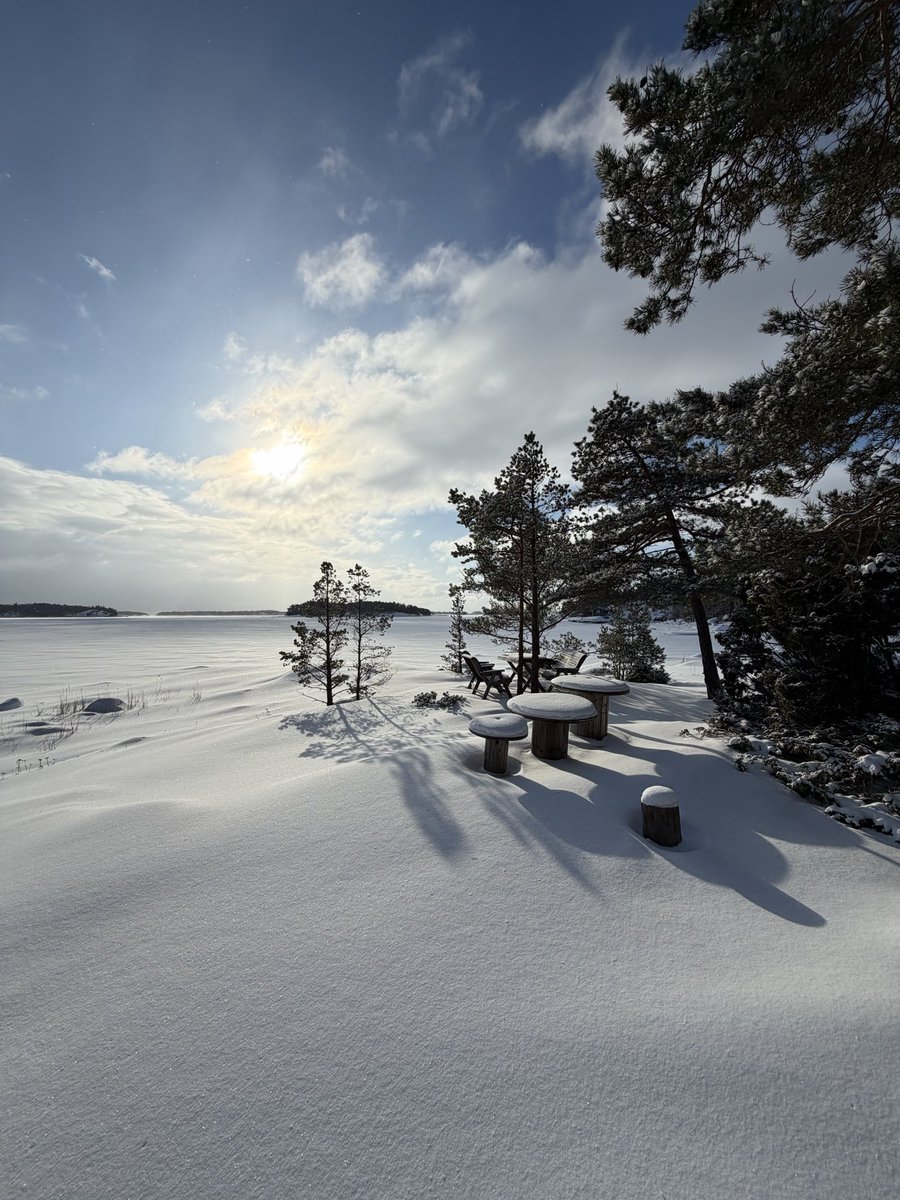
Finland is the Happiest country in the World for the 9th year running. We also climbed up the world brand index from 7th to 5th.
I am often asked why we do well in these rankings.
I do not think there is a magic potion, but it helps to have a society which strives towards freedom, equality and justice.
The basis of it all is a welfare society, a robust education system, a sense of security and a close attachment to nature.
There is no such thing as a perfectly happy society, but providing some building blocks that give us a chance to live a meaningful life, to help others, will nudge us in the right direction during the journey of life.
If we put our minds to it, government and society could do something about tackling the range of social, economic and cultural barriers to motherhood. But pretending it’s not happening/it’s happening but it’s good/it’s happening but nothing can be done isn’t helping anyone. 16/
@miriam_cates Indeed, affordable IVF only raises the birthrate on a population level for women under 35. Since success of IVF is also related to ageing. See overview of fertility policies and effects: https://t.co/bU4Iz2A2fx
"radical changes in society will be needed to make a significant rebound in fertility likely.
A crucial adjustment would be making having a family 'more fun and less disruptive to careers', says Ronald Lee"
https://t.co/FZmm5Ua1pf via @ft
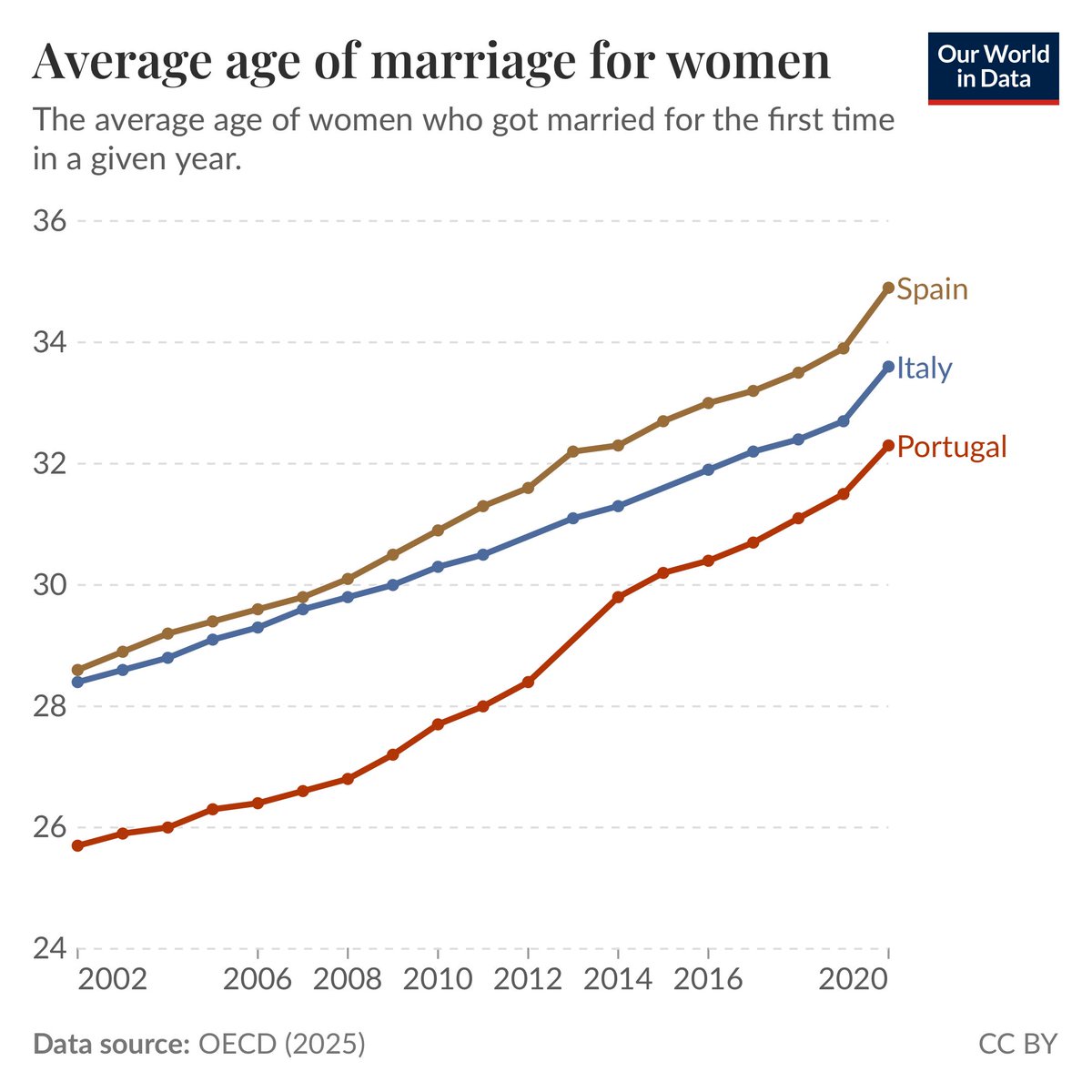
Women in Spain, Italy, and Portugal marry on average six years later than just two decades ago—
Marriage is closely linked to decisions about having children in many societies. It also matters for legal rights, family finances, and many other aspects of life.
The age at which people marry has rapidly changed in many countries. The chart shows this by tracking the average age at first marriage among women, using records from national statistics.
In Portugal, Italy, and Spain, the average age at first marriage has risen rapidly and consistently. Portugal saw the largest increase: from around 26 years in 2002 to over 32 years by 2020. This is more than six years in less than a generation.
It’s also the largest increase among the countries in the OECD Family Database with data available from the early 2000s up to 2020 (the most recent year with available data in the series).
Changes in the timing of marriage have come together with other related shifts. For instance, a growing share of people are not marrying at all.
(This Data Insight was written by @EOrtizOspina.)
In 2024, the gender employment gap between men and women was 10.0 percentage points (pp).👩💻📊
Highest in:
🇮🇹Italy (19.4 pp)
🇬🇷Greece (18.8 pp)
Lowest:
🇫🇮Finland (0.7 pp)
🇱🇹Lithuania (1.4 pp)
Read more👉https://t.co/WfvgrkewCR
#InternationalWomensDay
Seututietoa 01/2026: Väestönkasvu alkuvuonna selvästi heikompaa
📌Seudun väkiluku on kasvanut tammik. 2026 aikana 94 asukkaalla.
Kasvun hidastumisen taustalla on ennen kaikkea kuntien välisen muuttoliikkeen muuttovoiton kääntyminen negatiiviseksi.
#väestö#väestönkasvu